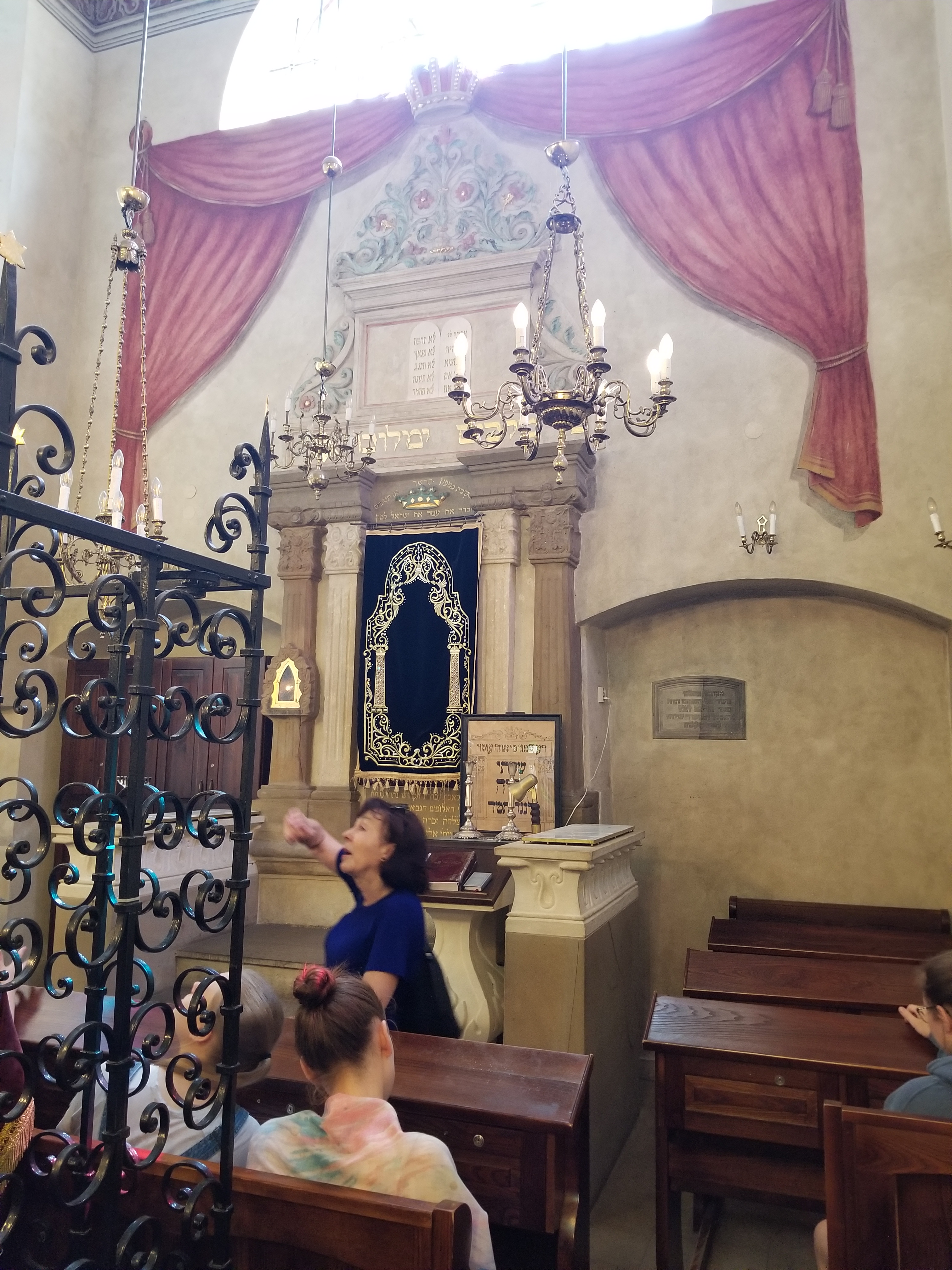
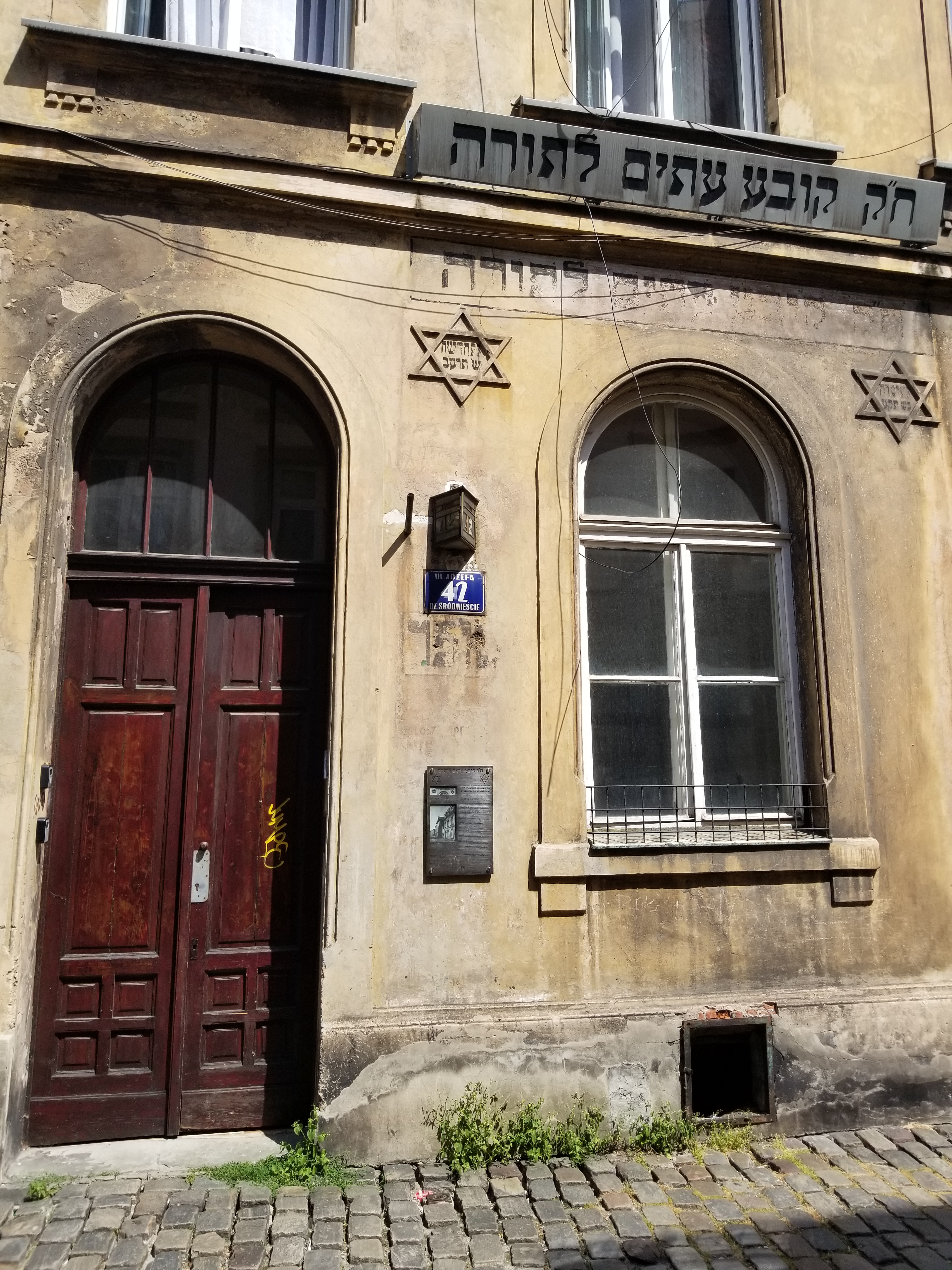
My final day in Poland had a morning tour of the Jewish Quarter and Oskar Schindler’s Factory Museum scheduled and an afternoon free to see any remaining sites that I could squeeze in. In order to sleep in a bit (until nearly 8:00), I took an Uber to the Old Synagogue in the Jewish Quarter. I met my tour guide and learned that I was the only one in the group today. For the next 3.5 hours I would have my own personal tour guide! We began by walking the streets of the Jewish neighborhood known as Kazimierz where the once large and vibrant Jewish community in Krakow was centered. The guide pointed out symbols within the architecture and explained that there used to be 100 synagogues in Krakow and tens of thousands of Jews. Today, the Jews number in the hundreds in the city and there are only 2 active synagogues. The first building we went into was the Remah Synagogue named after Rabbi Moses, a prominent author and scholar within the Jewish faith during the 16th Century. This was my first time in a synagogue and my guide did a great job of interpreting the scene for me. She explained about the Torah Ark, known as the Aron Hakodesh at the front of the sanctuary that holds the Torah scrolls concealed behind a curtain and how it is always on the east wall. The scrolls can only be read within the designated area in the center of the room that resembles an iron cage with an ornate podium within it. There are so many more interesting elements to Jewish tradition that I learned, including that men and women enter the synagogue through different doors and are physically divided or separated from each other during the ceremonies. After the visit to the inside of the synagogue, we went into the cemetery outside to highlight some of the unique traditions related to Jewish burial. This particular cemetery had to be reconstructed after Nazi occupation because nearly all of the headstones were knocked down, moved, or used to pave streets. The cemetery itself was used as a trash dump during WWII.
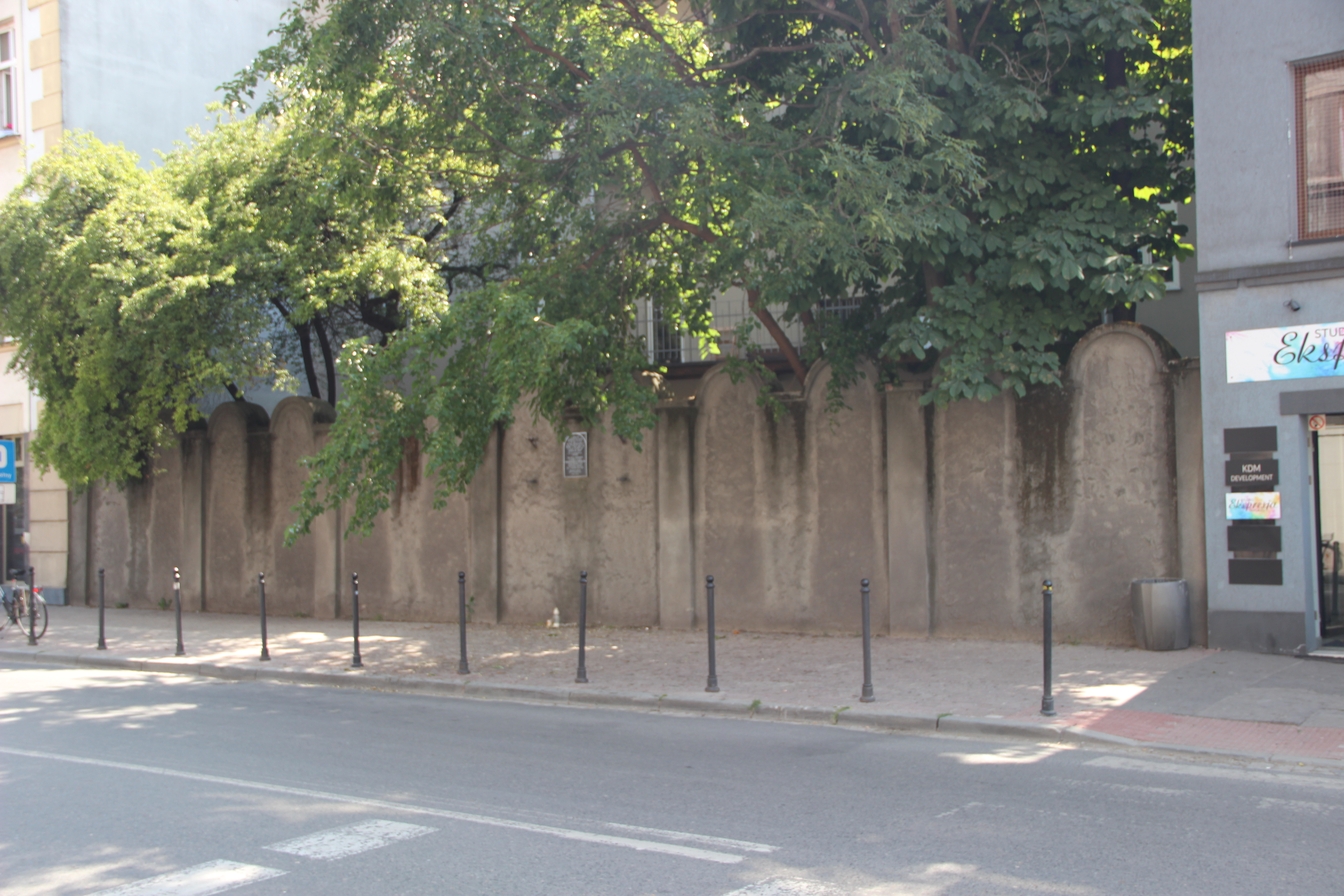
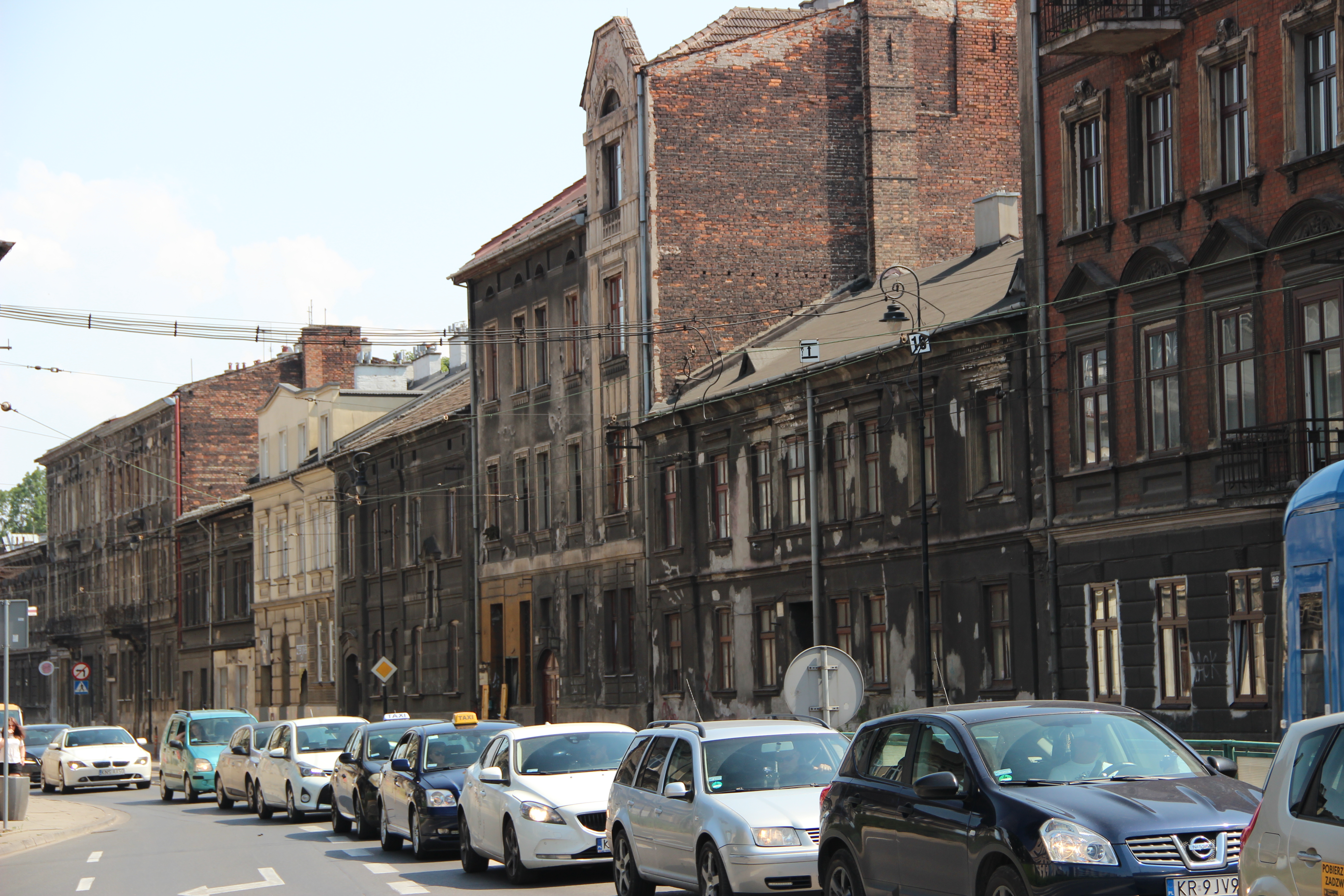
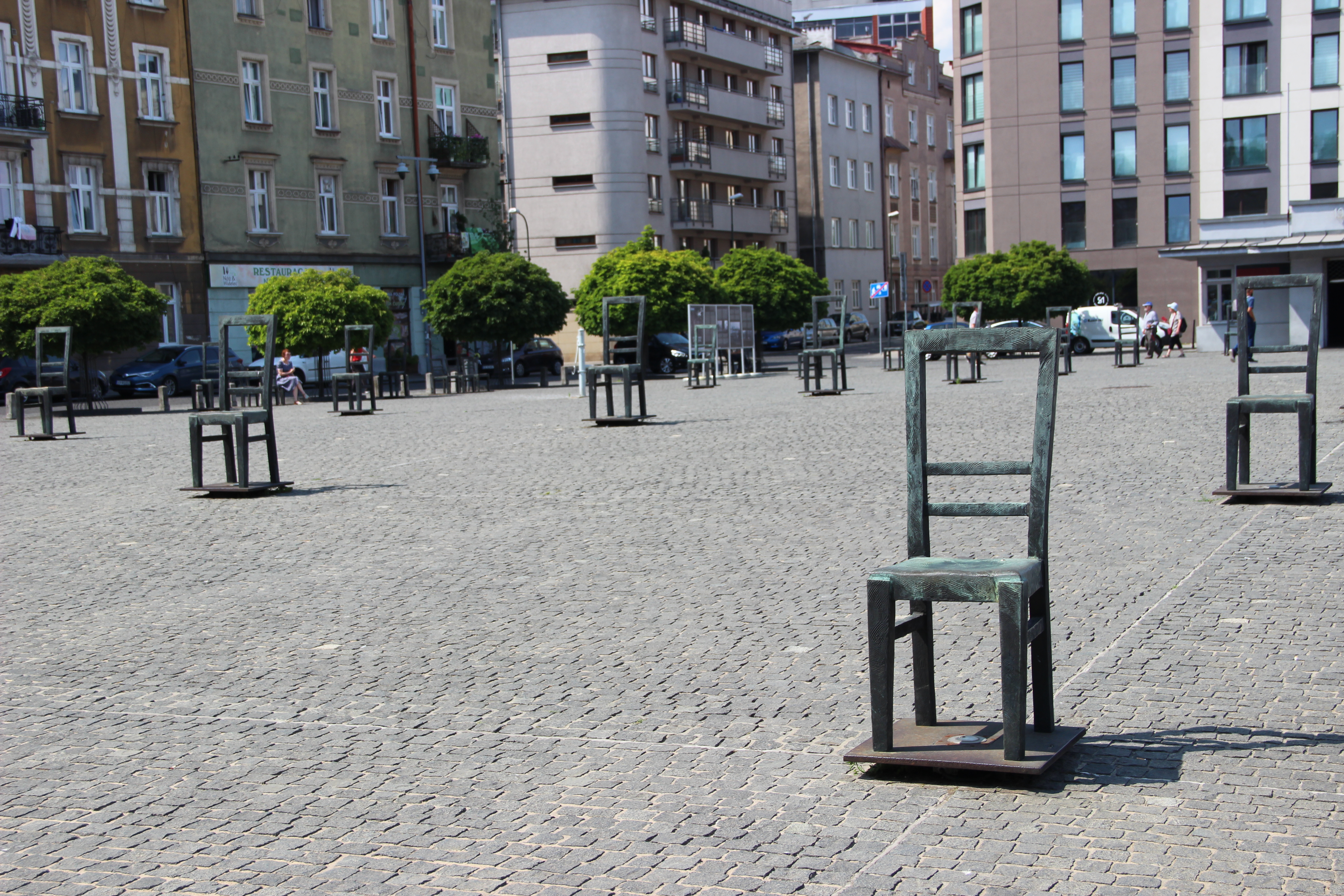
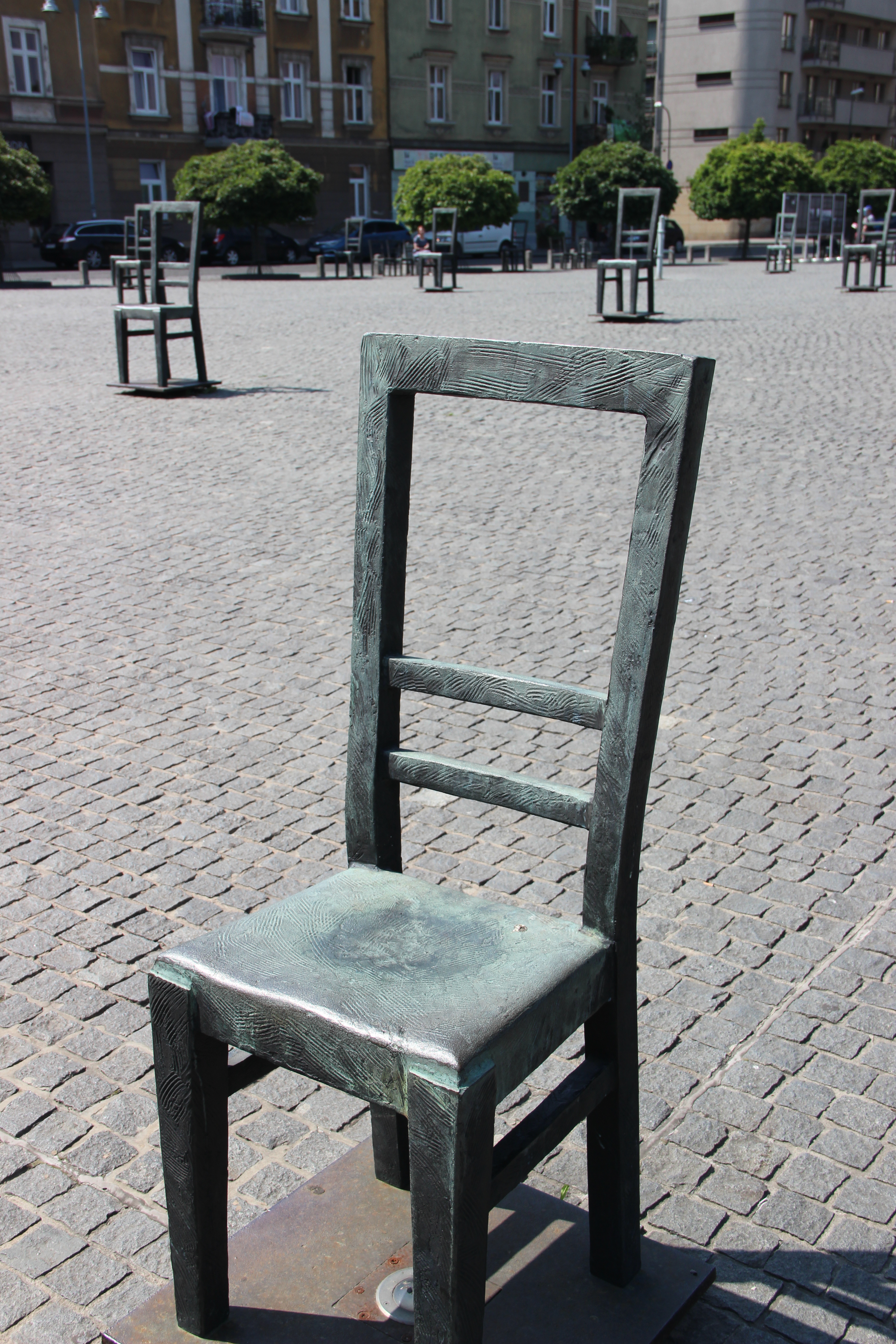
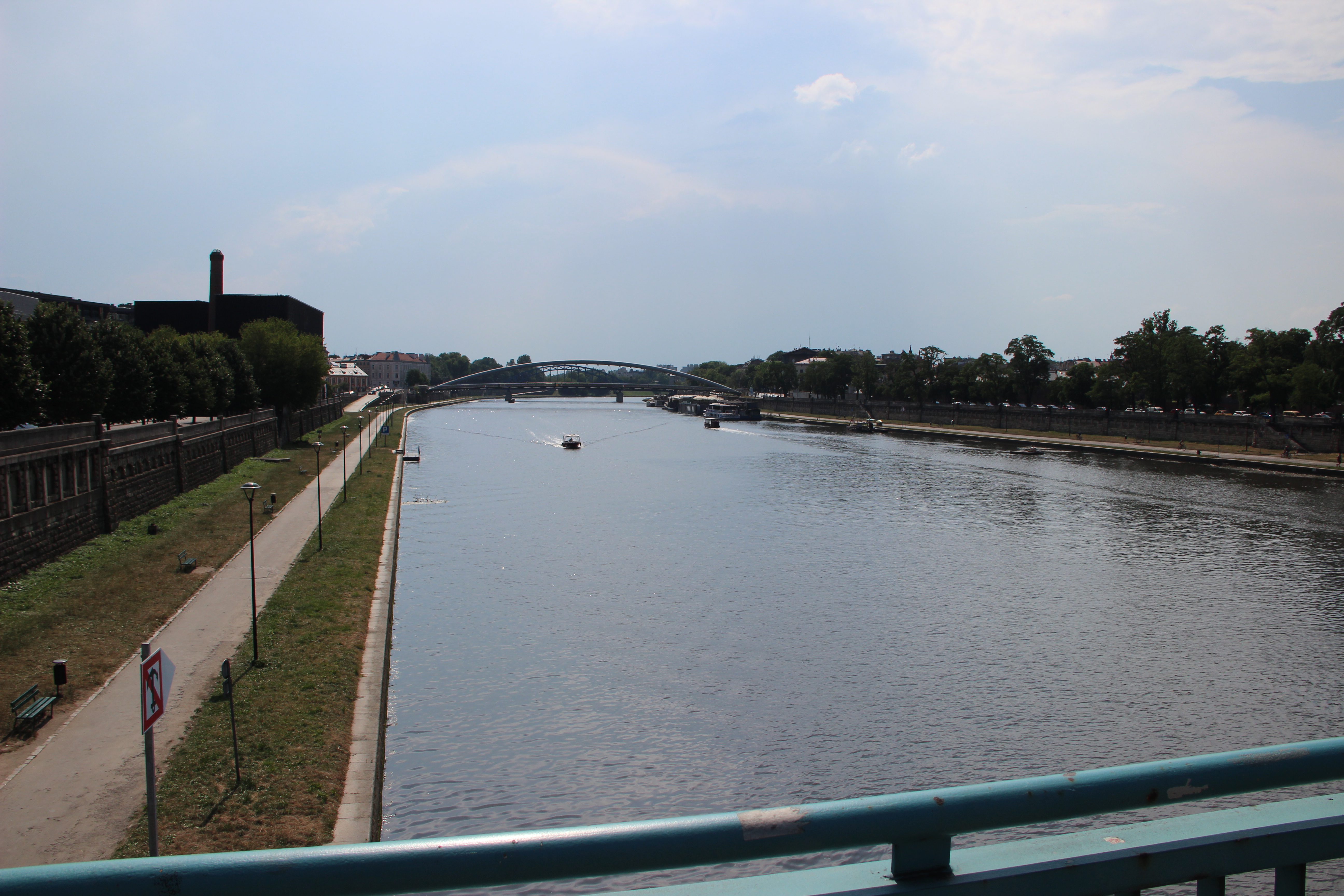
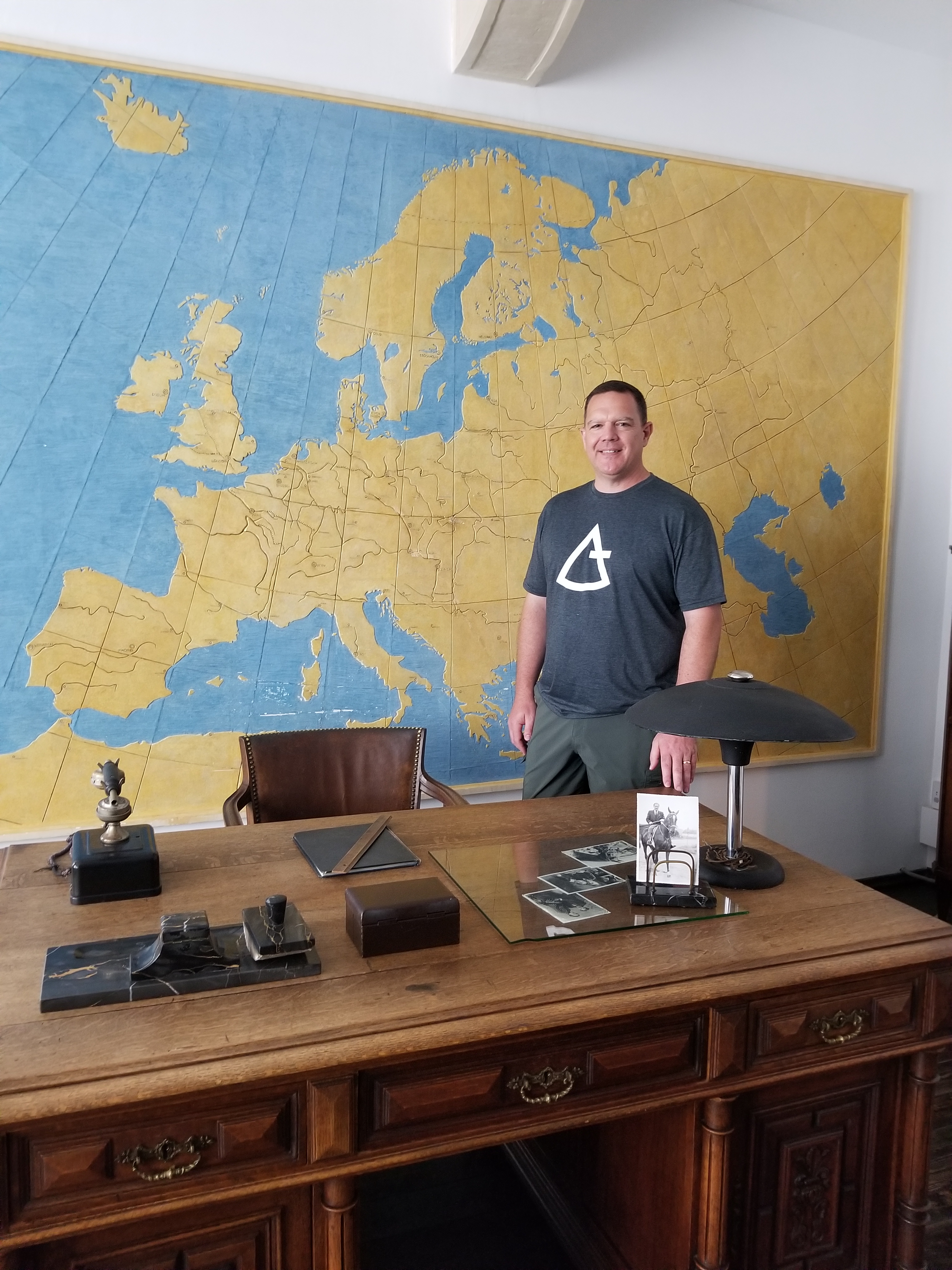
Moving on from the synagogue, we looked at many more interesting symbols and structures before heading across the Vistula River to Schindler’s Factory and Museum. Near there was the part of Krakow designated as the Jewish ghetto during occupation and remnants of the wall constructed to divide Jews from the rest of the city remain in at least one spot. They are a stark reminder of how quickly things can change and how rapidly lives can be turned upside down! A memorial to the victims of the Holocaust from the Krakow ghetto stands near the train tracks where Jews were loaded into cars and sent to camps. It is a plaza of empty chairs called “Heroes of the Ghetto”. The short walk to Schindler’s Factory gave my guide time to prep me for what we would see inside. The first portion of the museum illustrates the transition that took place in Krakow beginning in late 1939 under Nazi control. It shows the tightening of restrictions and the progression of violence and brutality. I came away incredibly impressed with this museum and the way it engages visitors with interactive and immersive elements that put you in the story! This all led to the second portion of the museum that focuses on Oskar Schindler and his role in the story. Though a member of the Nazi party and originally sent to Krakow as a spy to report back to the German officials about happenings in the city, he eventually had a change of attitude and worked for the rest of the war to save as many Jews from concentration camps as possible. Ultimately, he saved the life of over 1100 individuals! The remarkable story, told relatively accurately by Spielberg’s movie, was even partially filmed within the museum complex. My private tour ended here and I was very thankful for the learning experience that my morning turned out to be.
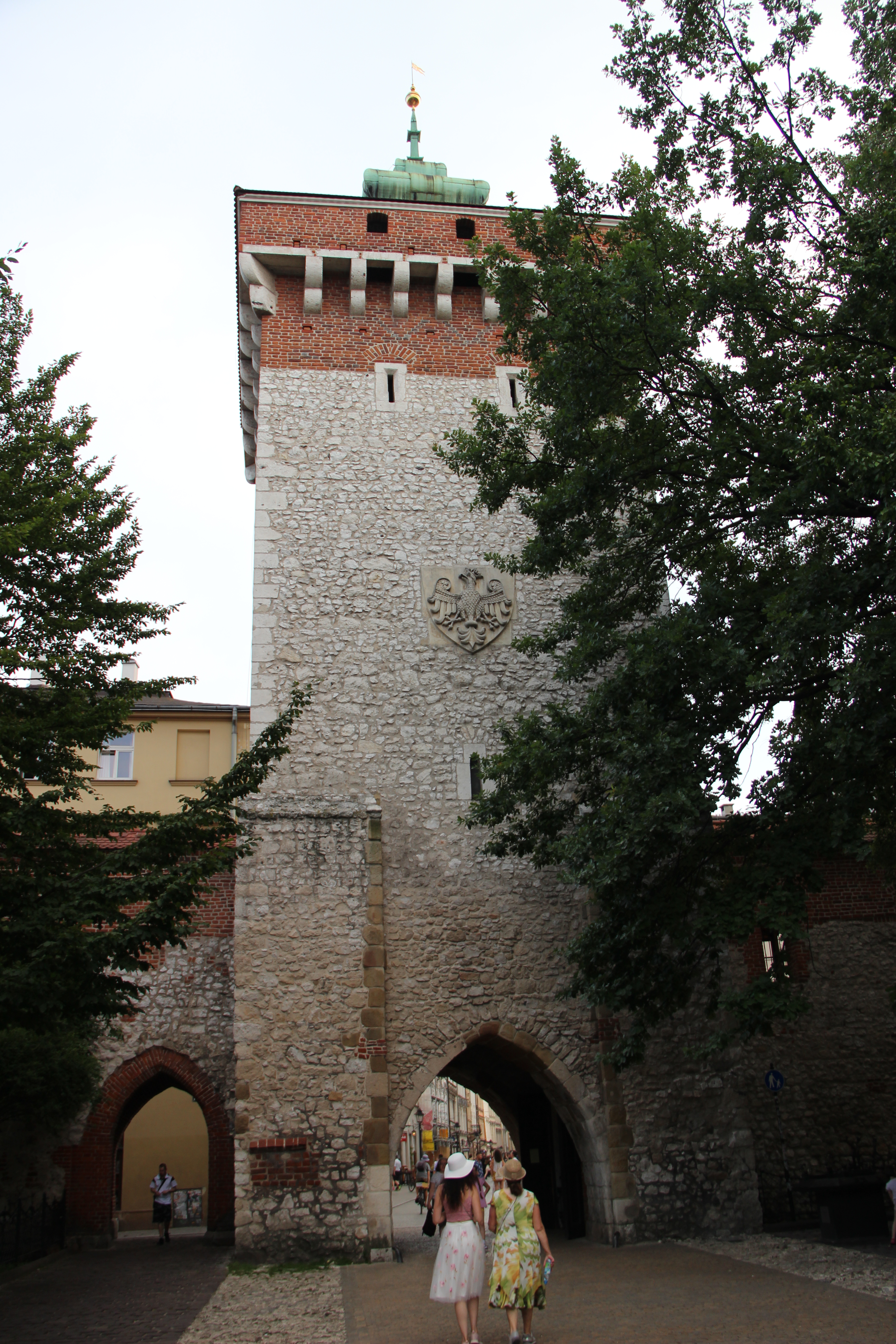
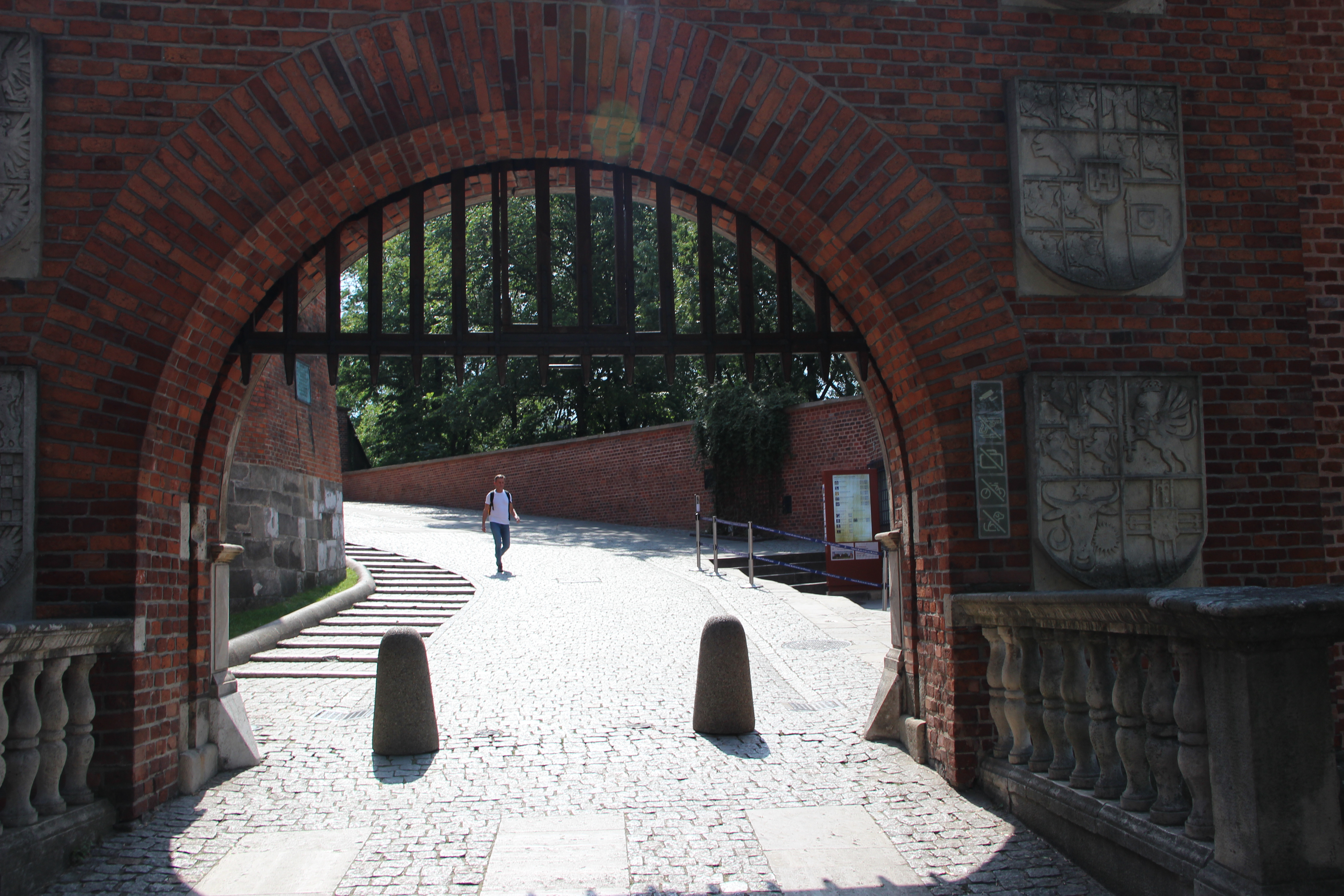
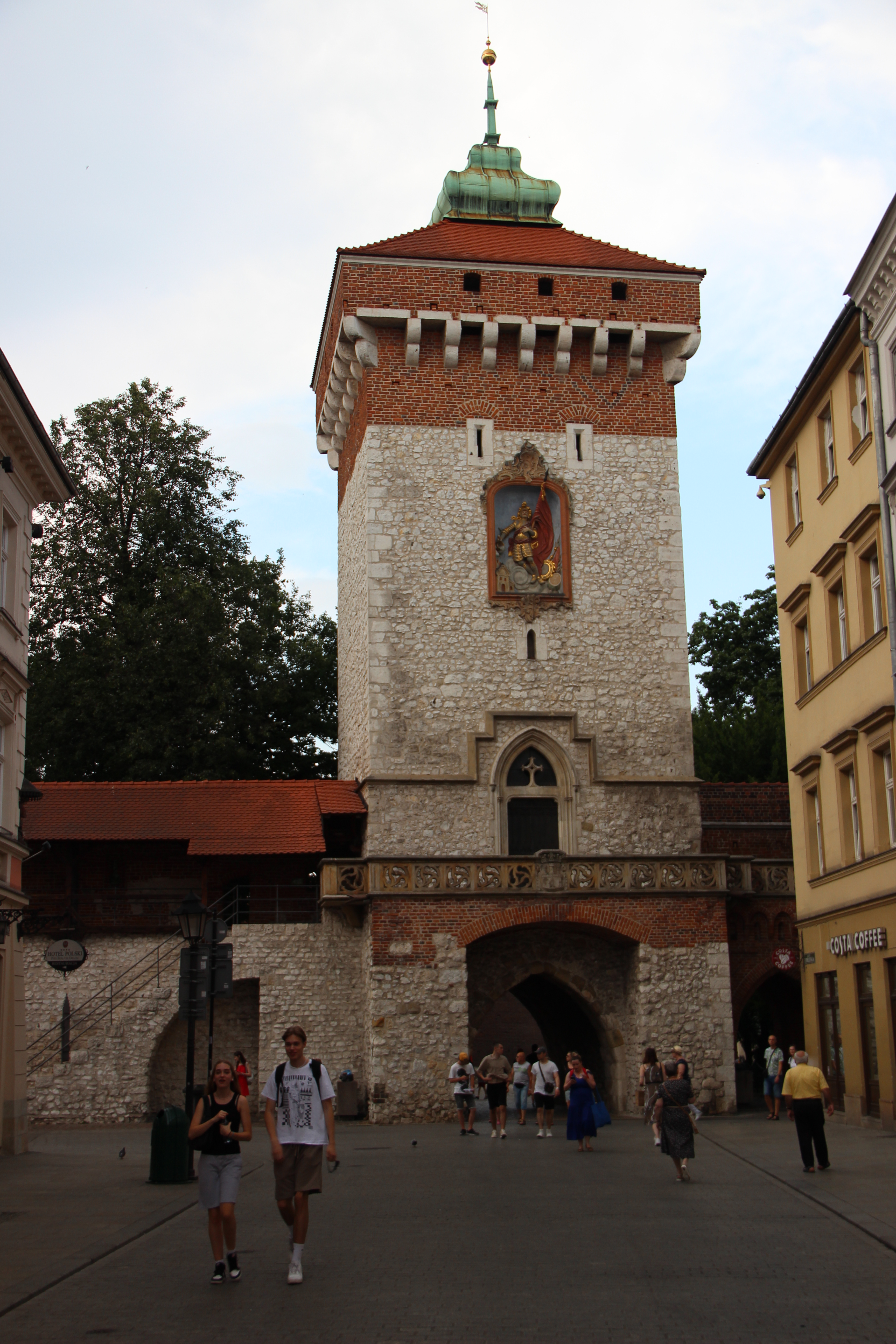
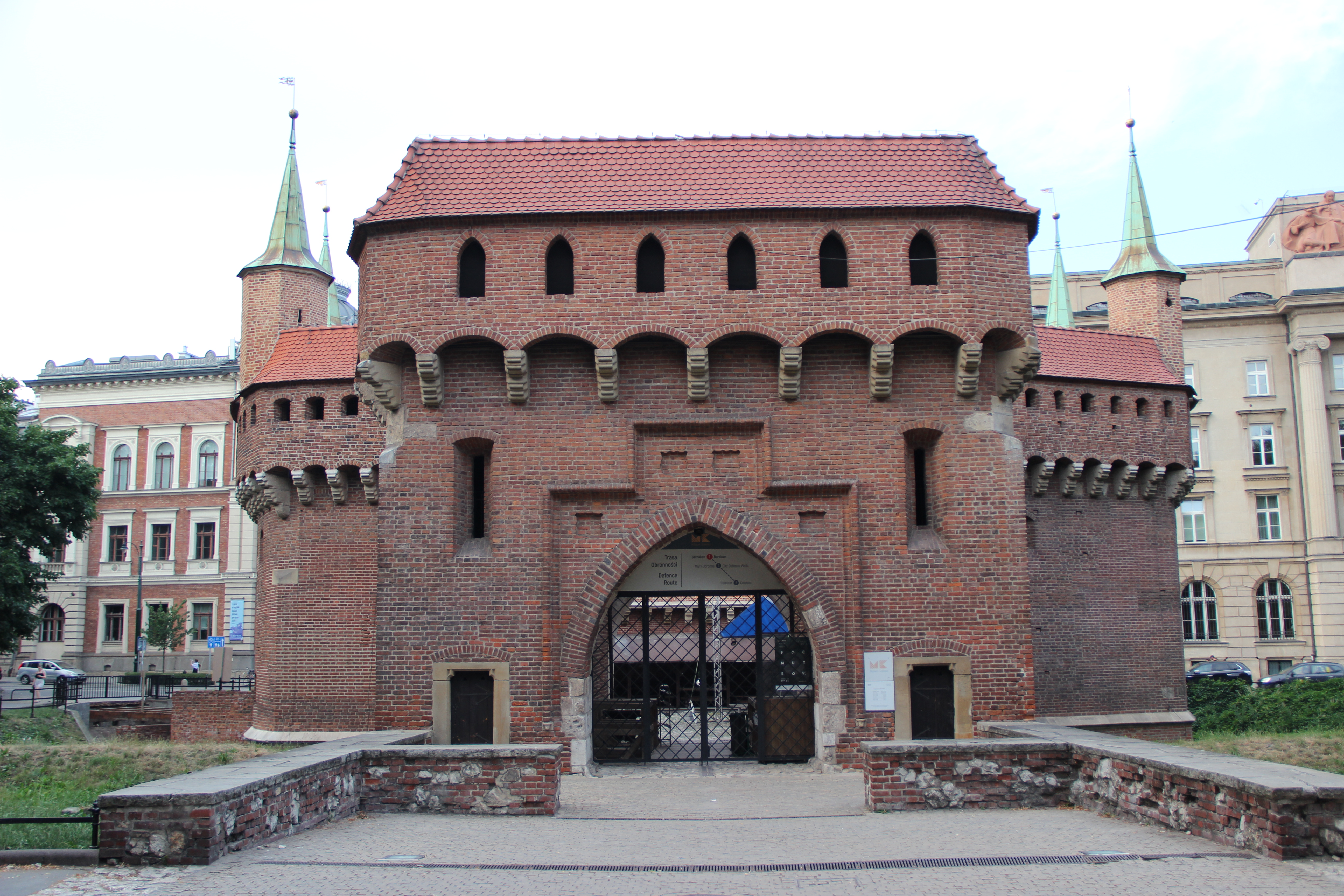
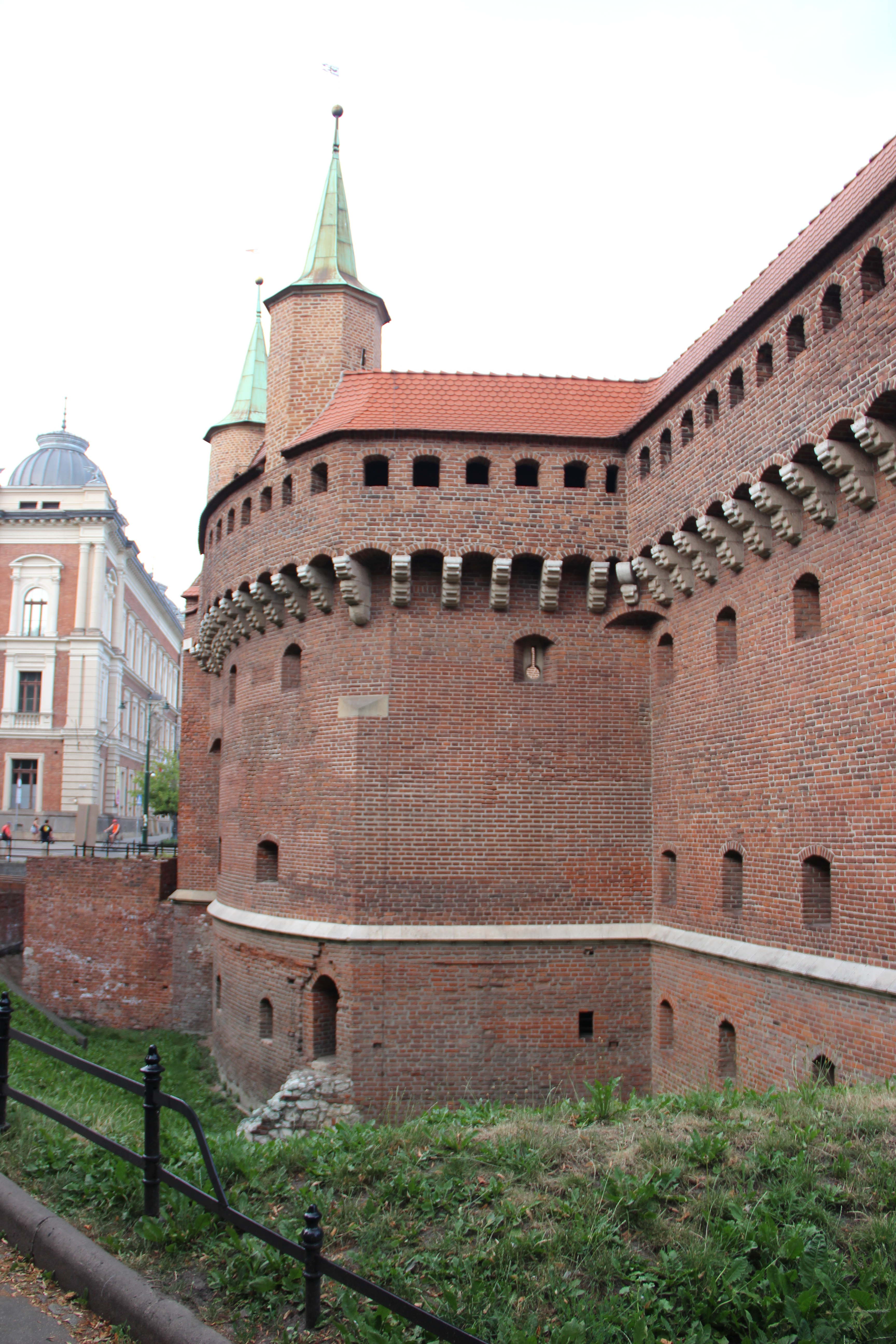
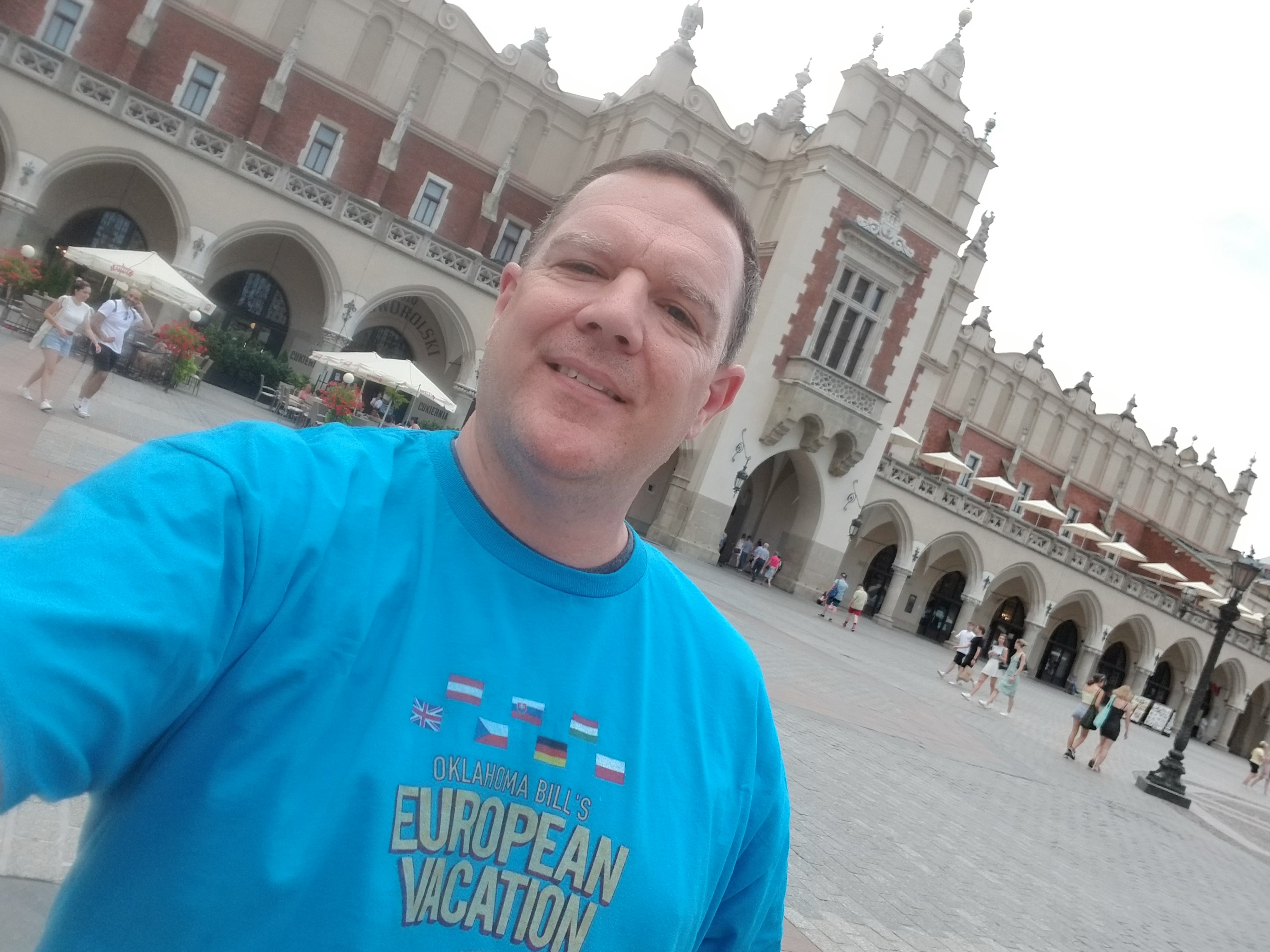
The rest of the day I worked to check some things of my list that I knew I wanted to accomplish. This began by walking to the Wawel Castle to do an audio tour of the Wawel Royal Cathedral. This is where Polish kings and queens were crowned and where the heroes of Poland are entombed. I toured the Dragon’s Den next by walking down a spiral staircase nearly 100 feet into the cave below the castle grounds where the legendary dragon lived. I didn’t see a dragon, but there was a great statue at the end of the tunnel to remind one what they are looking for! I took a few more pictures around town and visited the Cloth Hall bazaar to look around and soaked in the great vibe of Krakow for a little longer. On the way back to the hotel I walked through St. Florian’s Gate and around the Barbican. Both are relics of Krakow’s medieval past and are some of the oldest remaining medieval city walls in Europe. Some of the former defensive wall around Krakow still stands, but mostly there is a greenbelt and walking path where it used to be. It’s hard to believe we are already moving on to another great European city tomorrow, but it’s true. Czech Republic, here we come!

 Bill and Jeff's Historical Travel Blog