Bill’s first day of his War in the Pacific experience was on the island of Guam. One of the real priorities for on Guam was for Bill to walk in his ancestors footsteps, so to speak, and see the locations where his grandfather and grandfather in law spent time during WWII. To that end, a great deal of time and effort was spent exploring Asan Beach, the Asan Bay Overlook, and the Japanese Piti Guns emplacement.
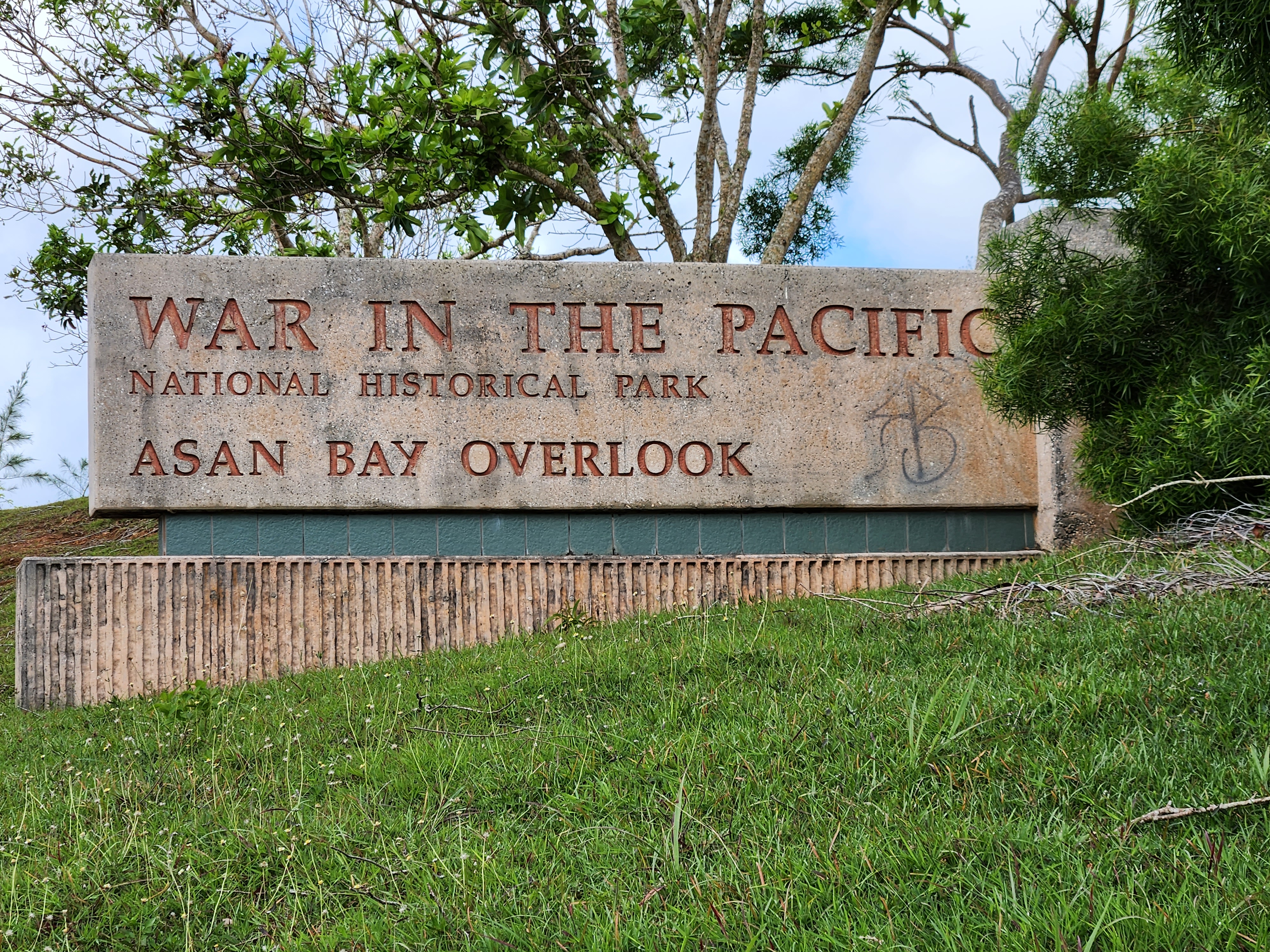
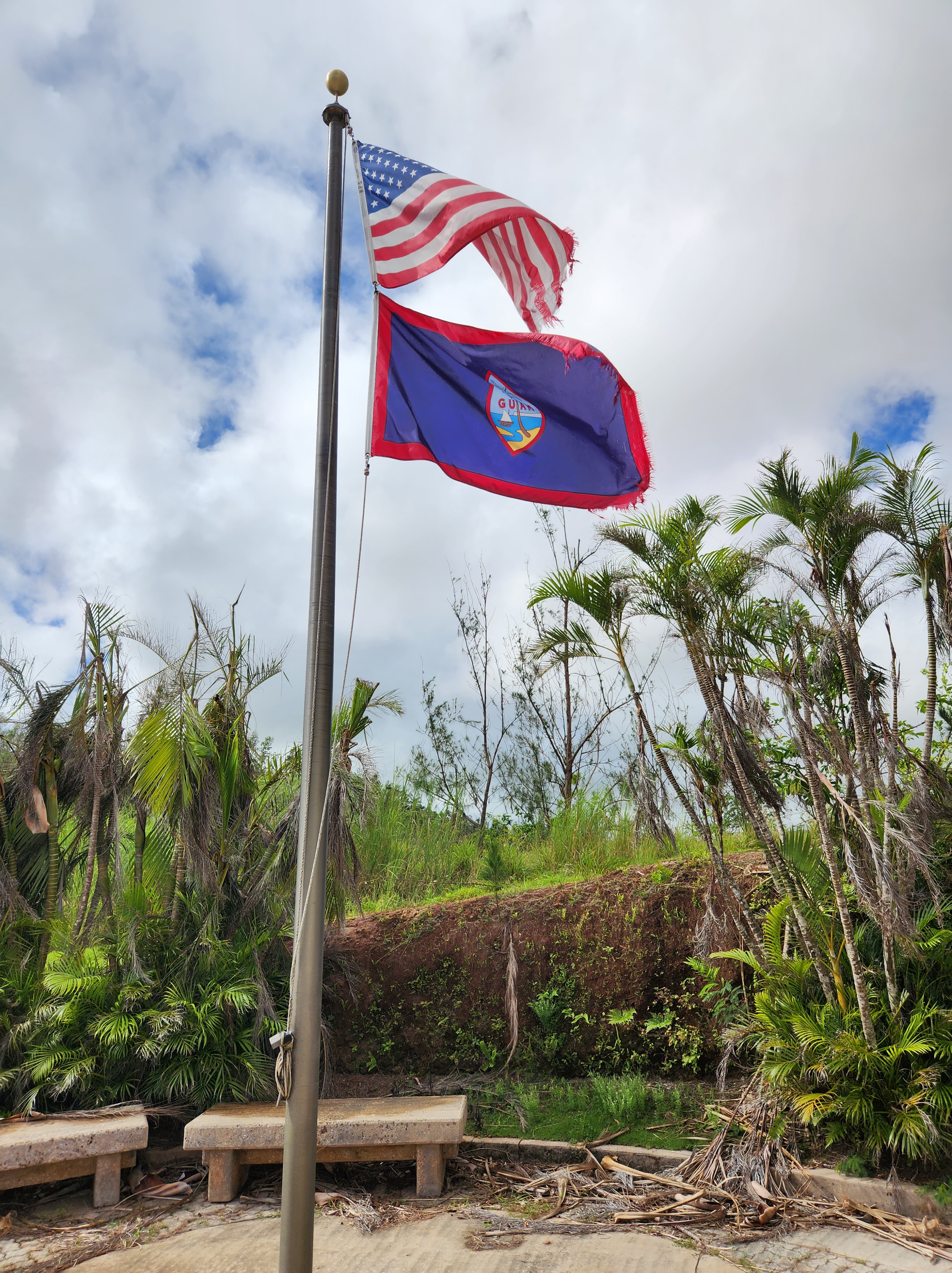
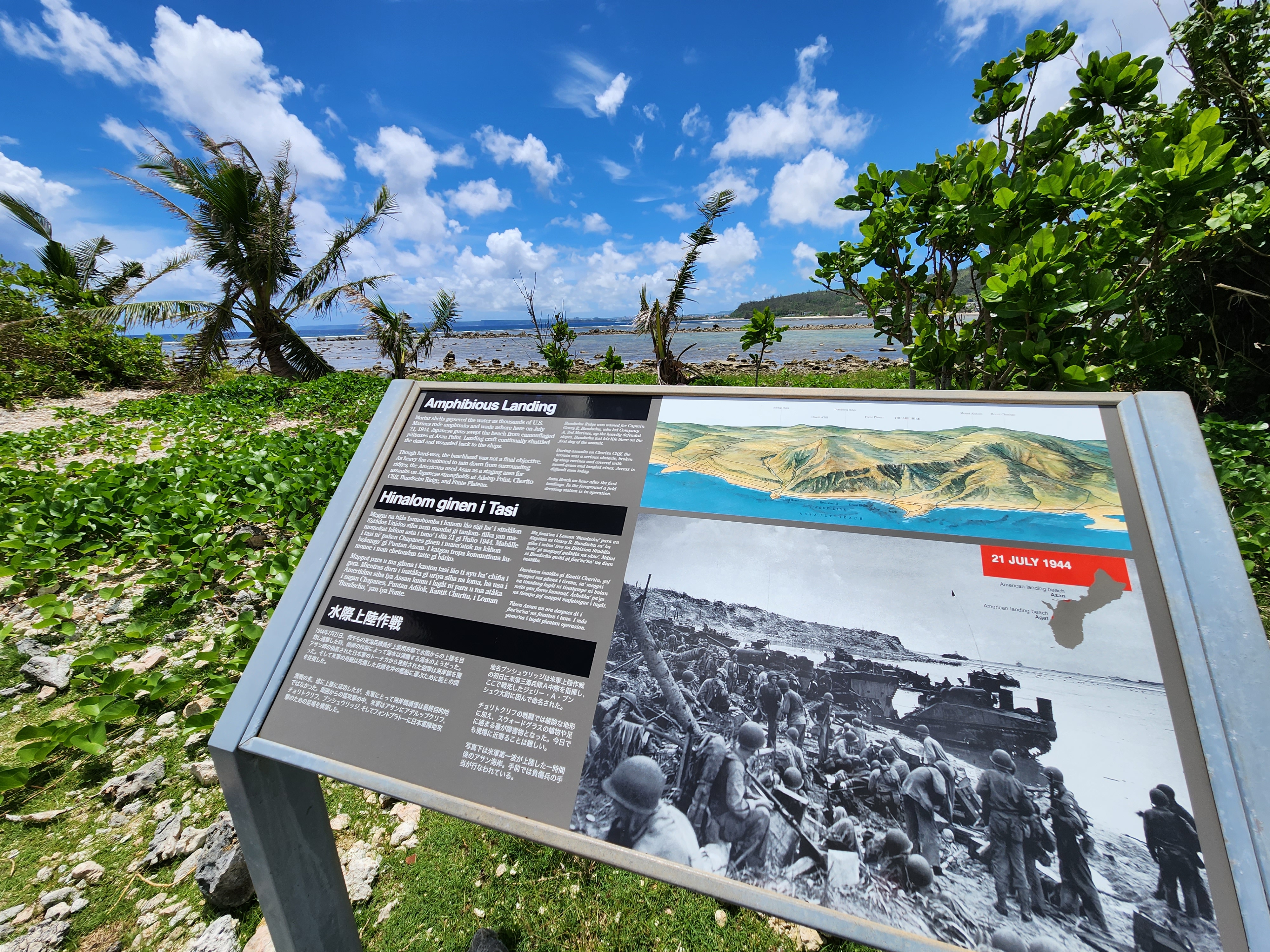
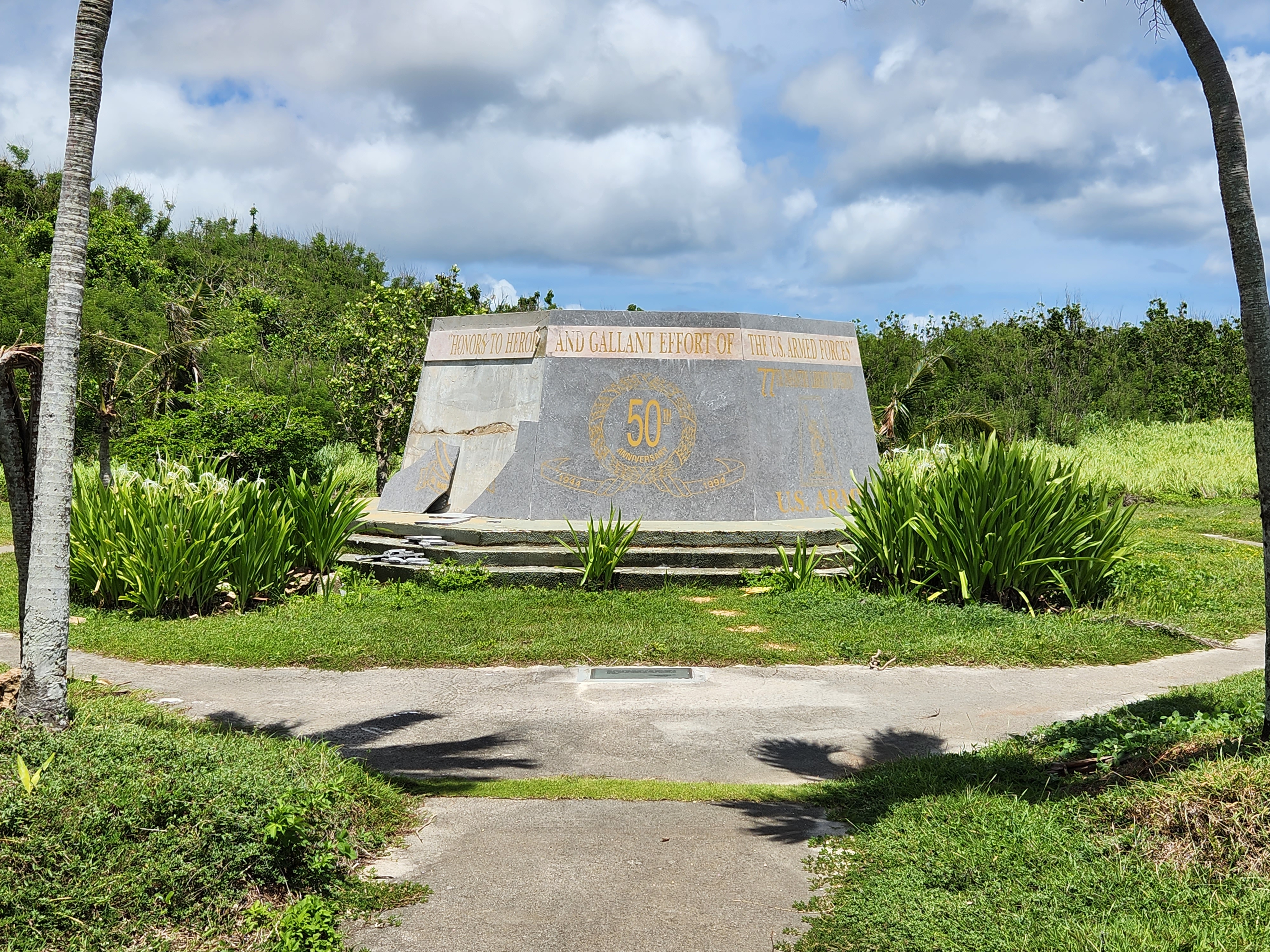
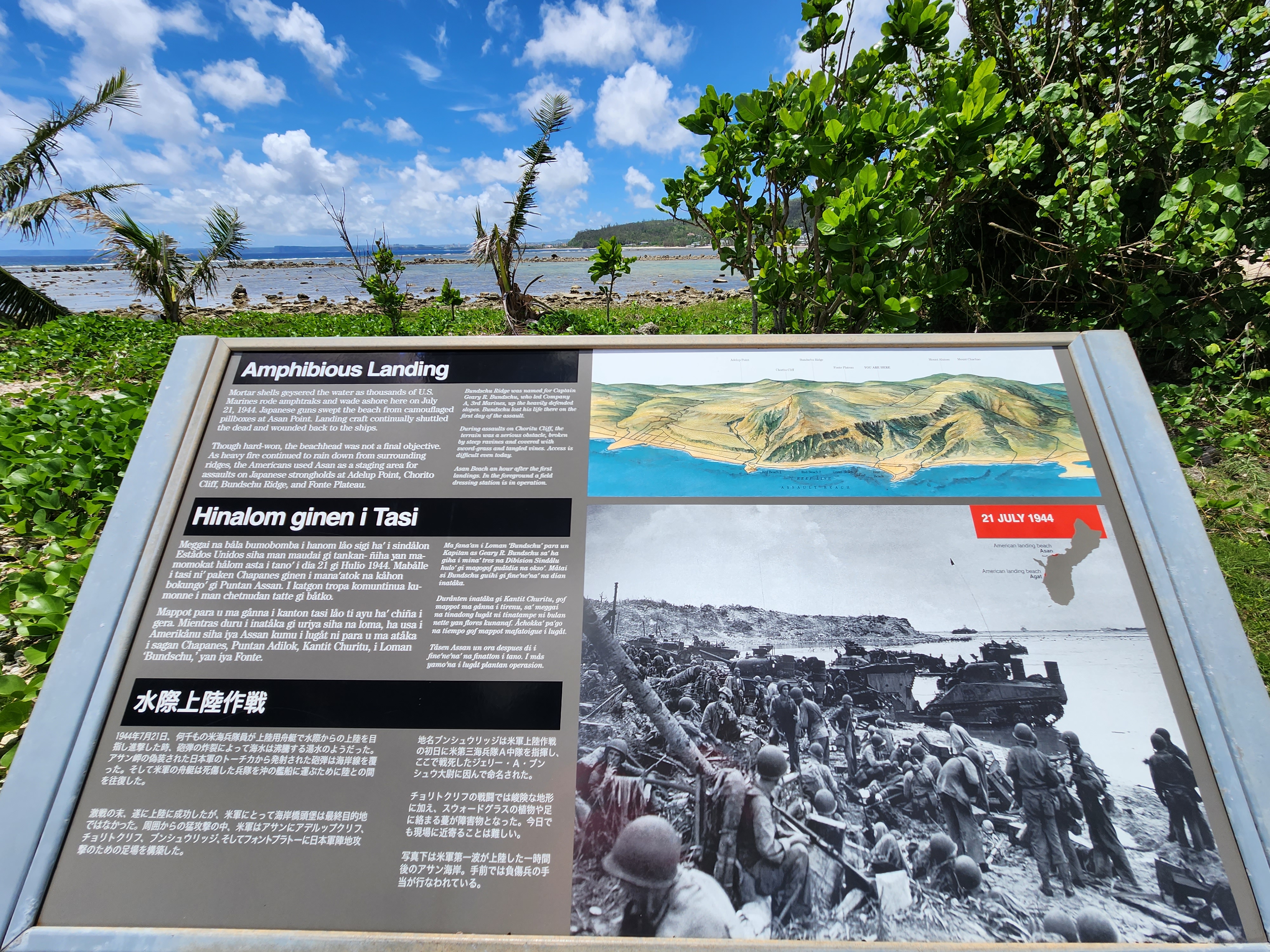
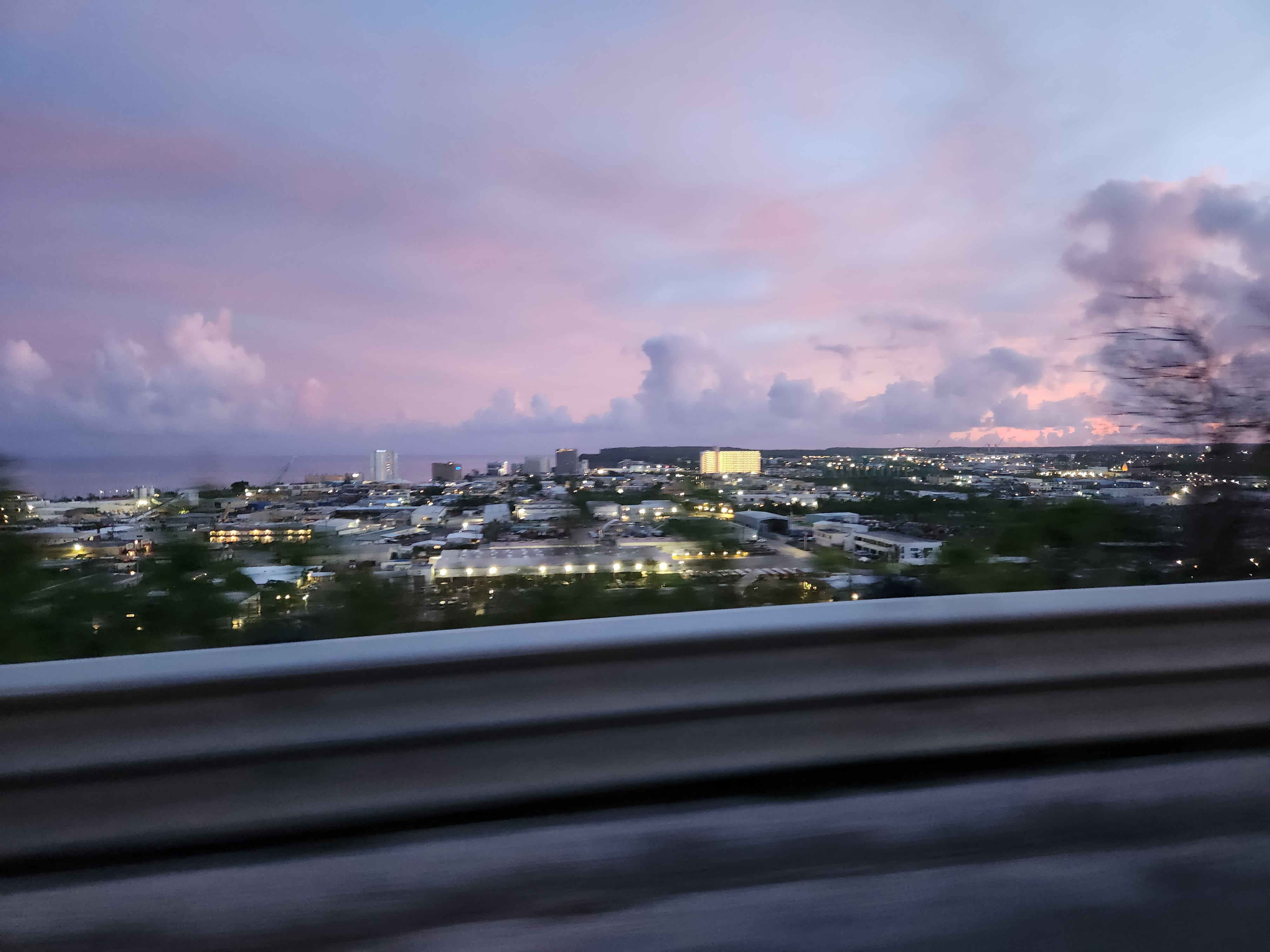
The first stop was the Asan Bay Overlook from high on the hilltop overlooking the area where the largest of the amphibious landings took place as American troops began their offensive against Japanese-held Guam in 1944. There are some worn, but helpful, descriptions and markers at the site to help tell the story and honor those who fell during the battle. The birds-eye view was a great way to begin the journey!
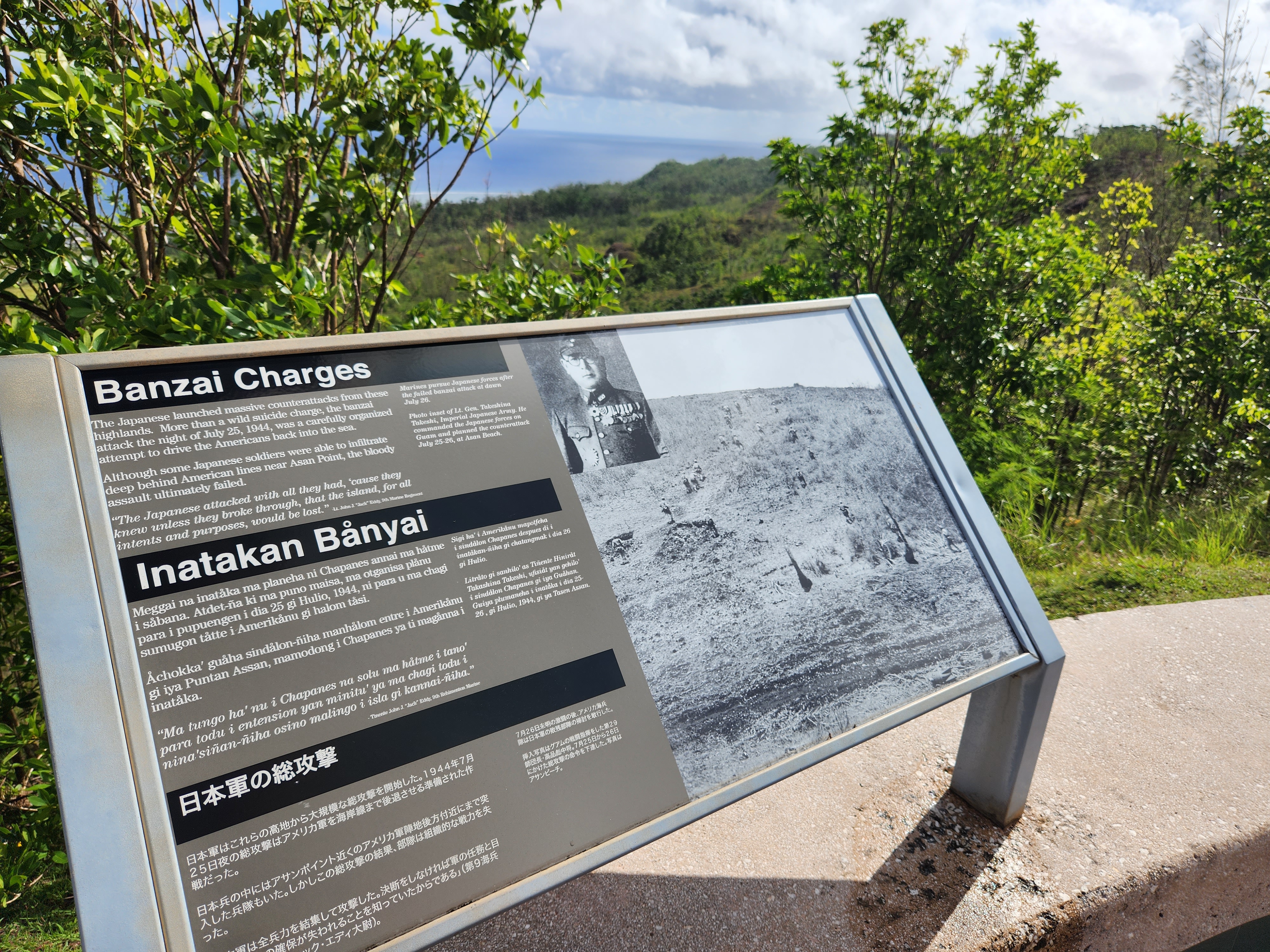
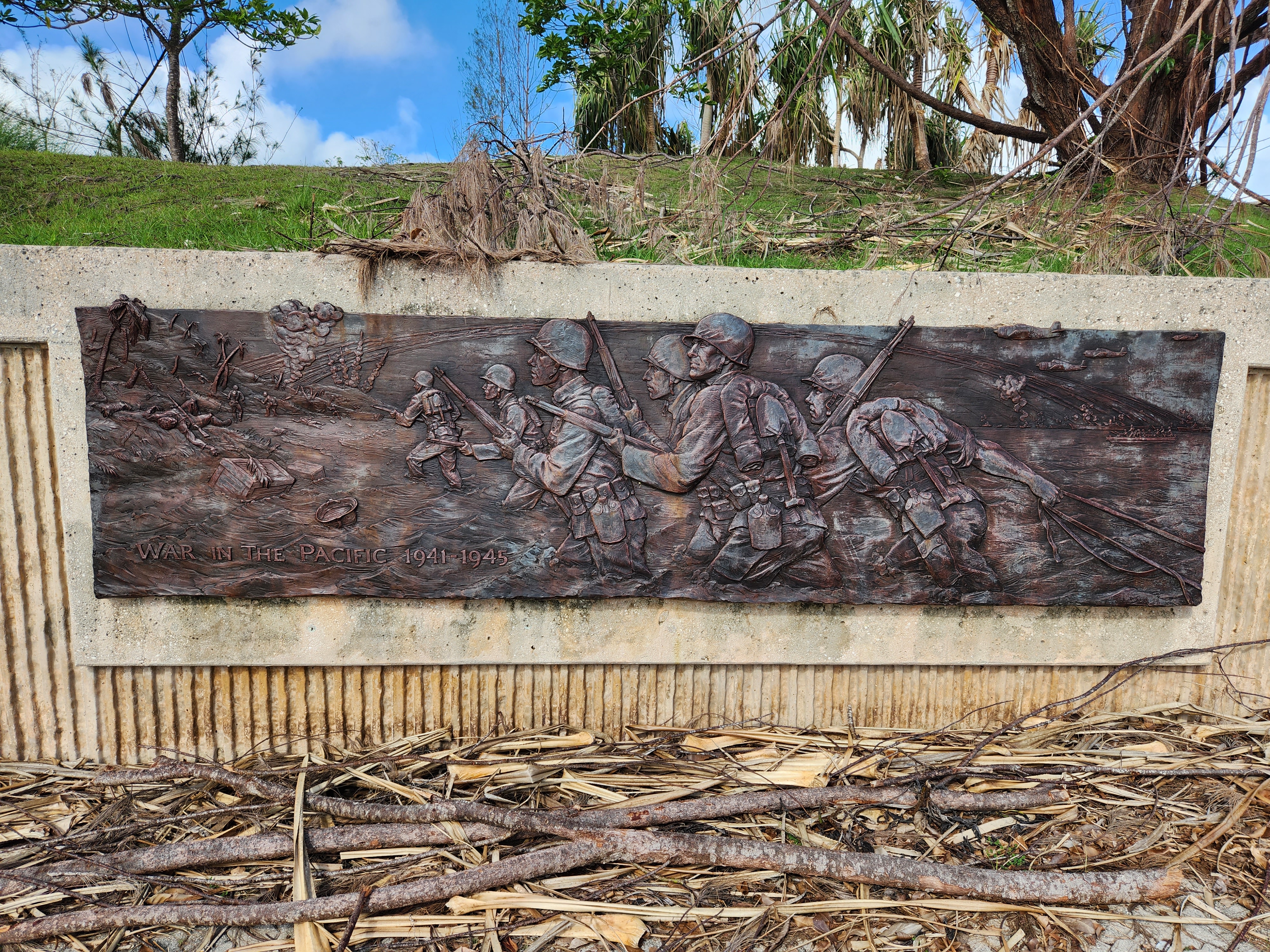
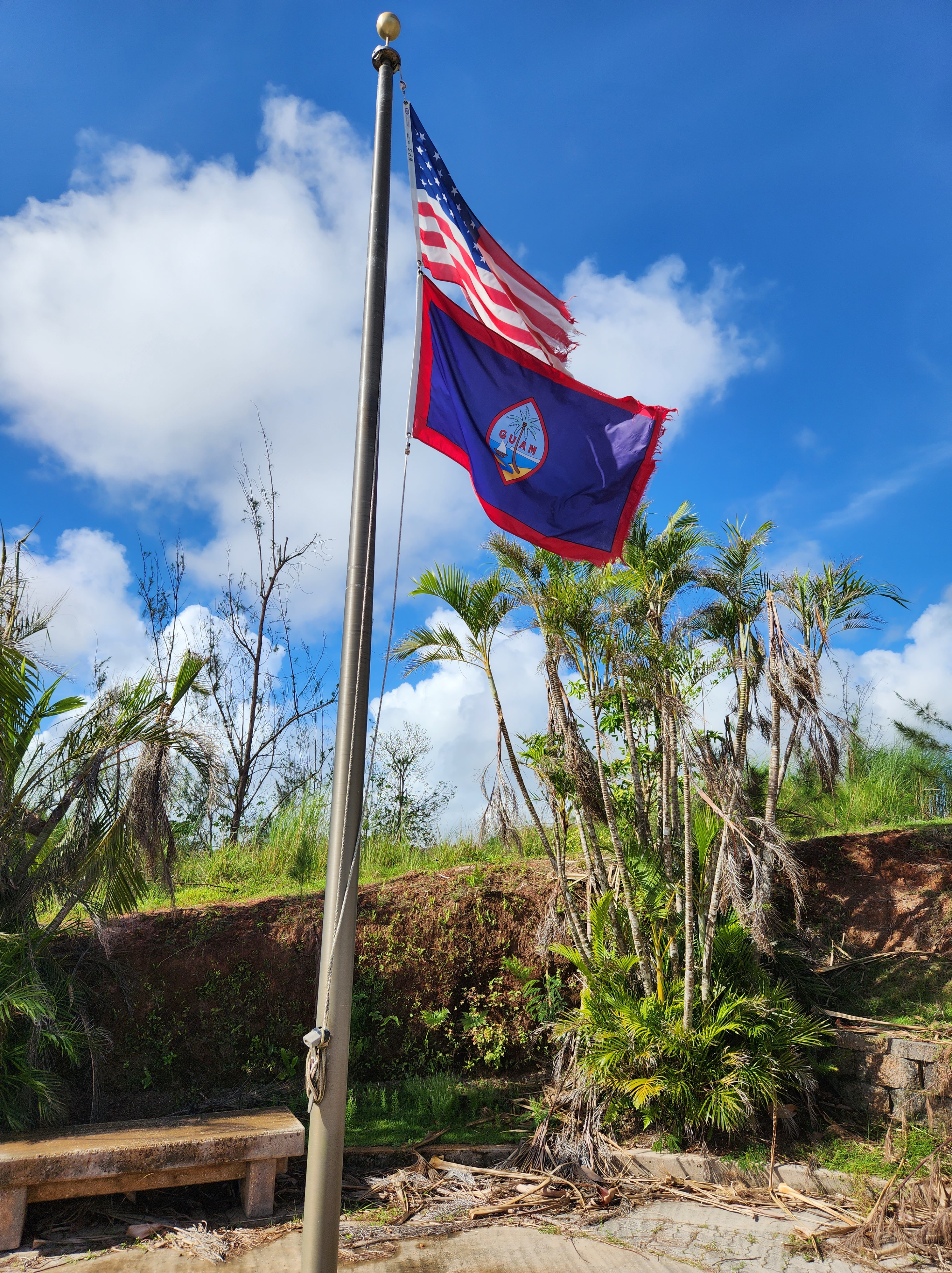
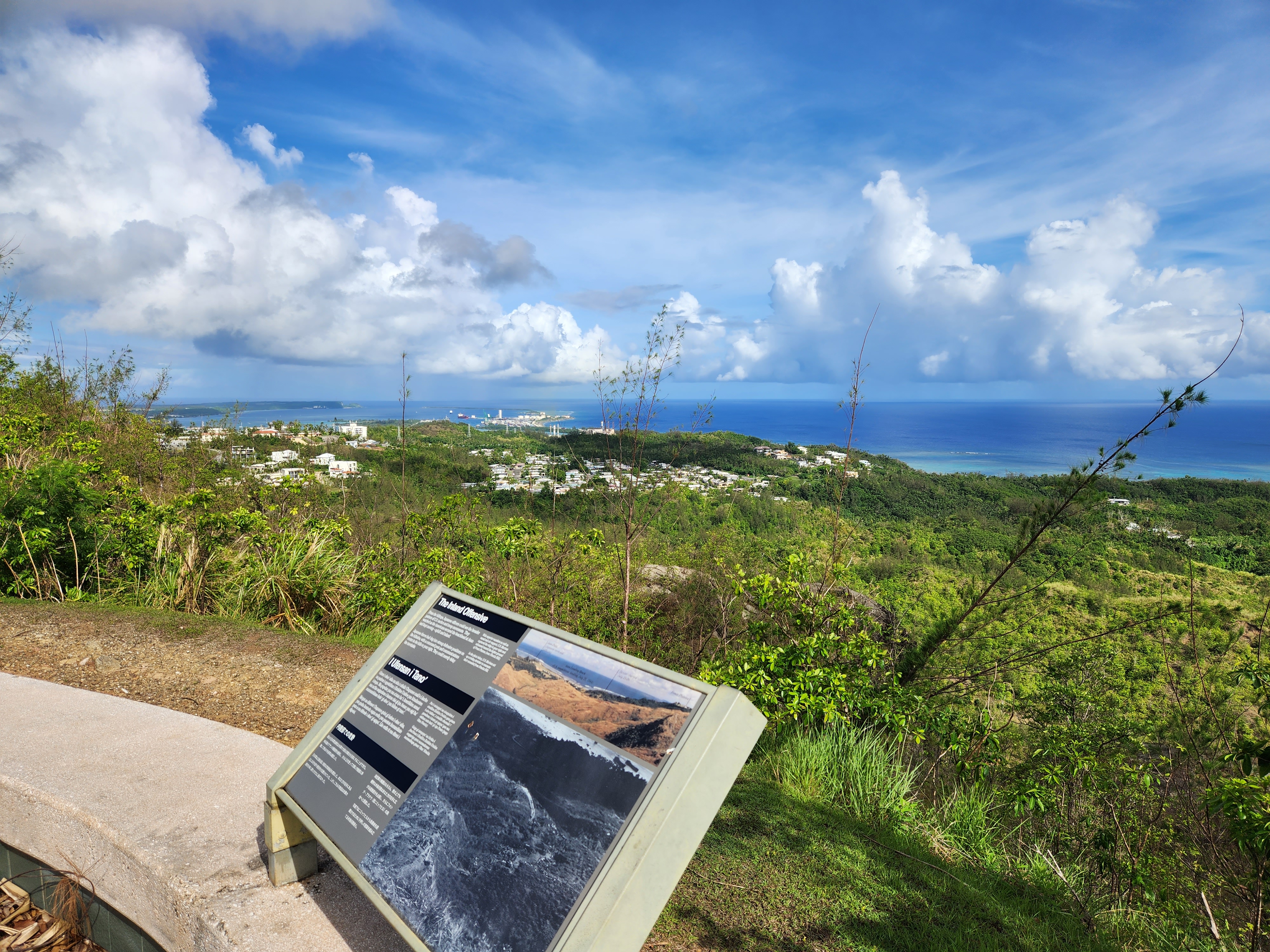
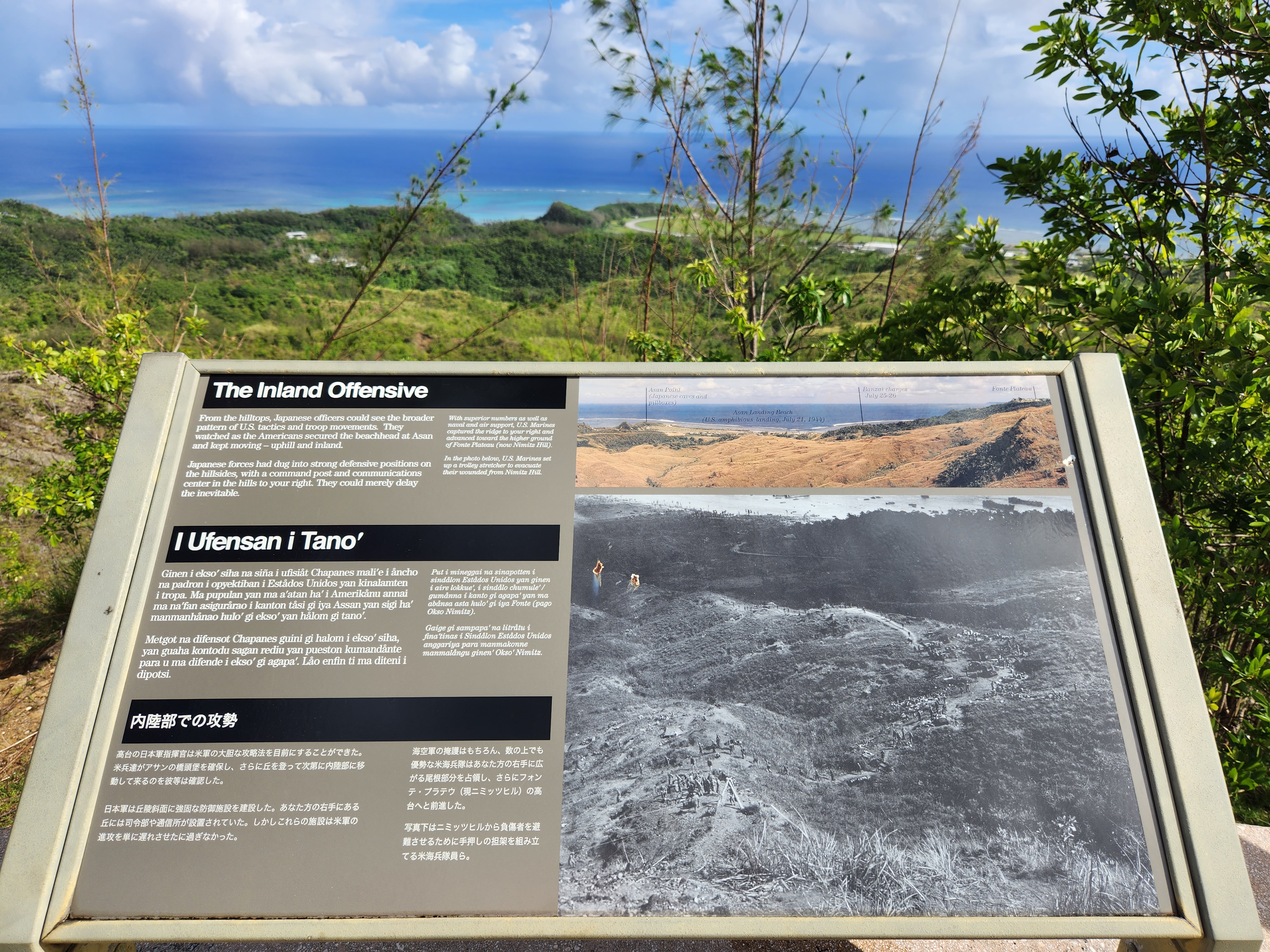
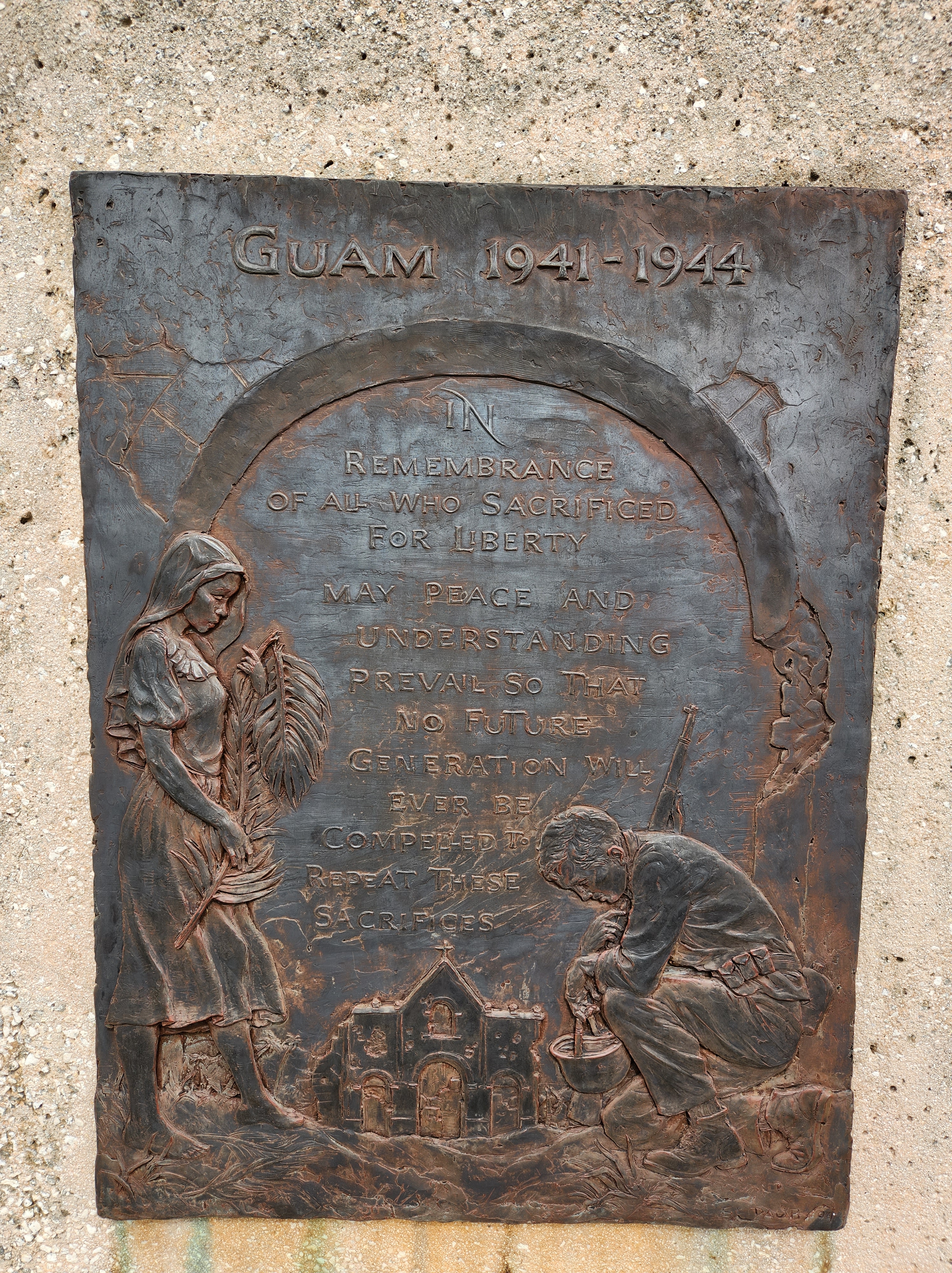
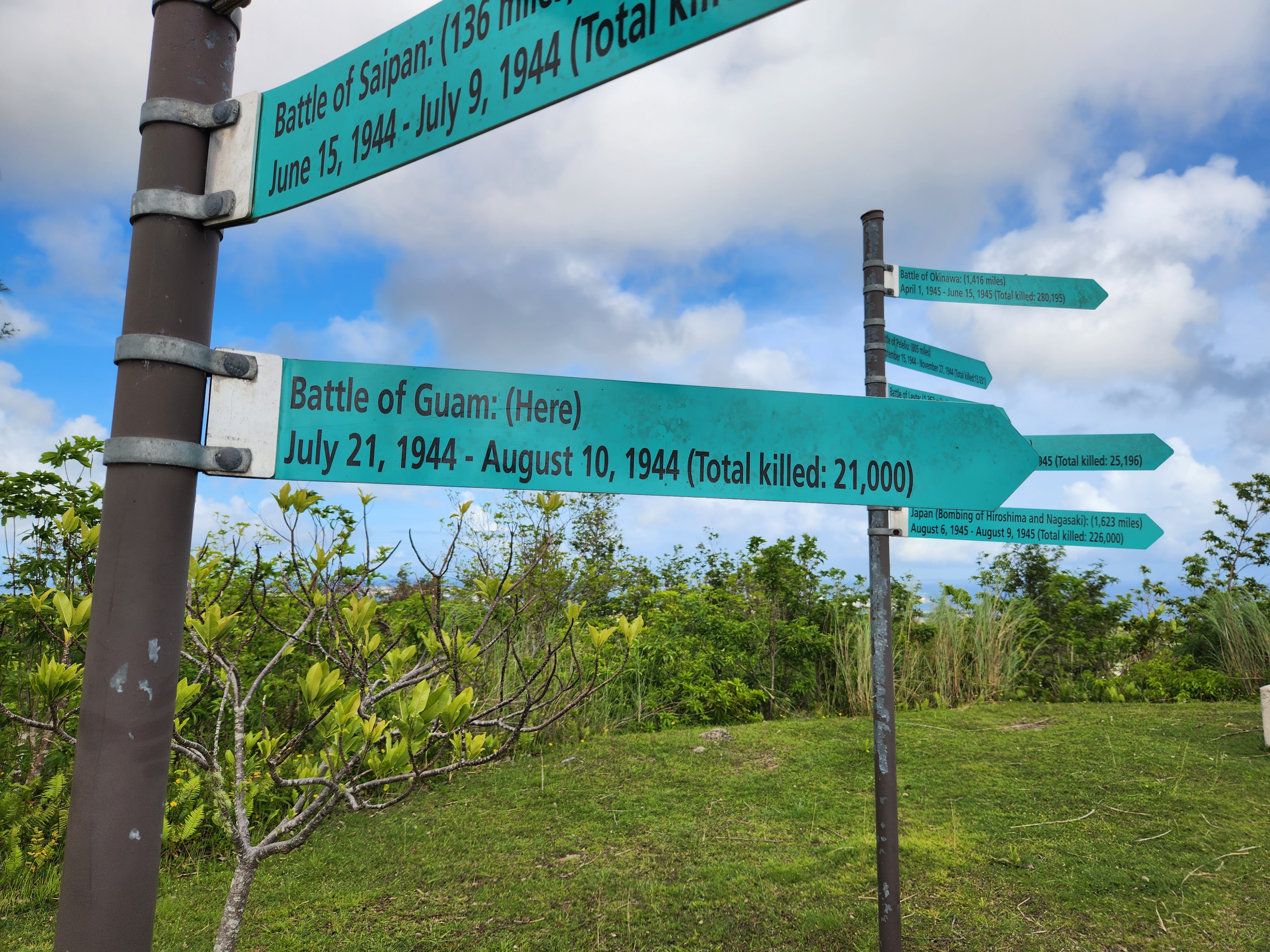
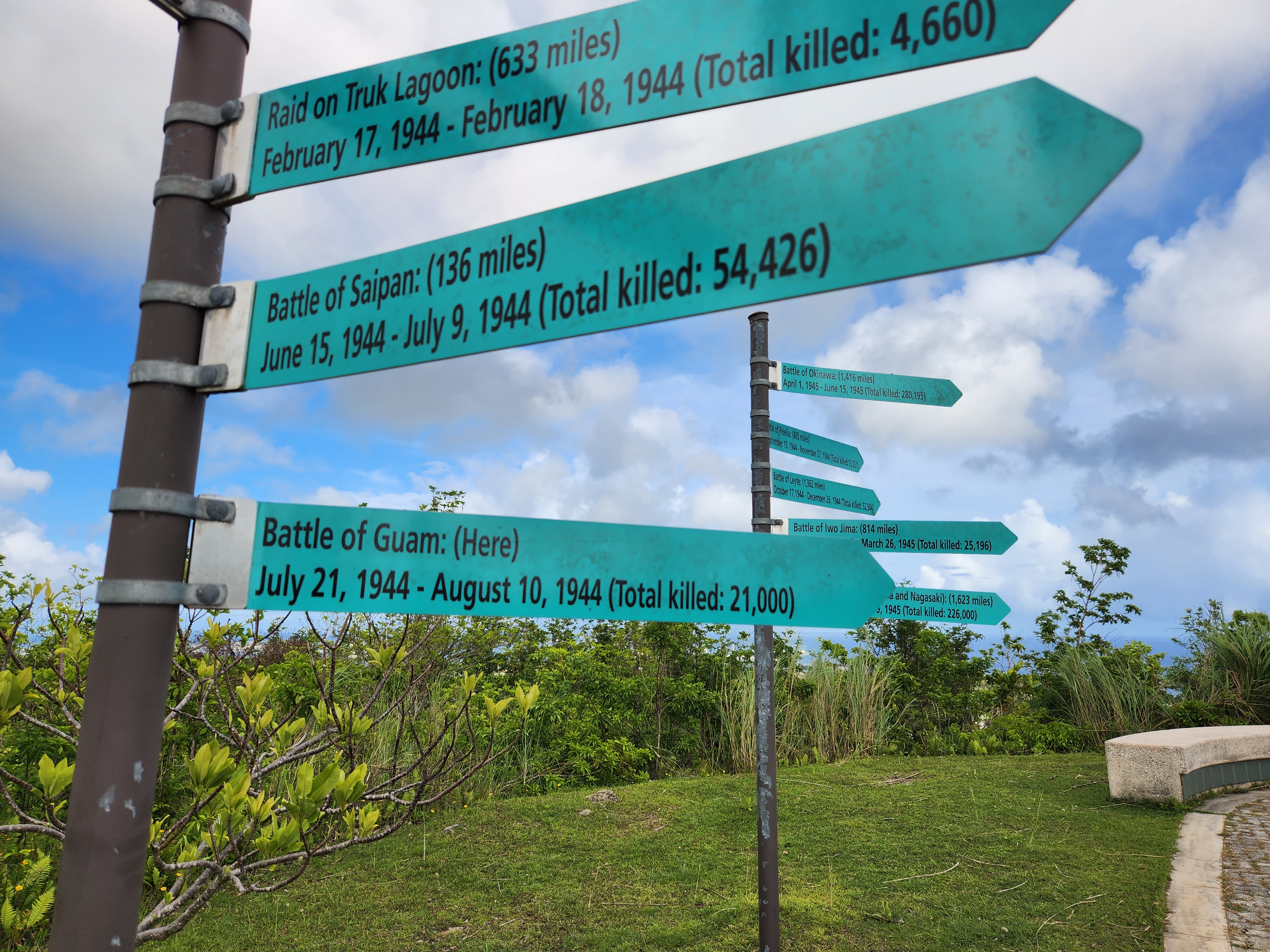
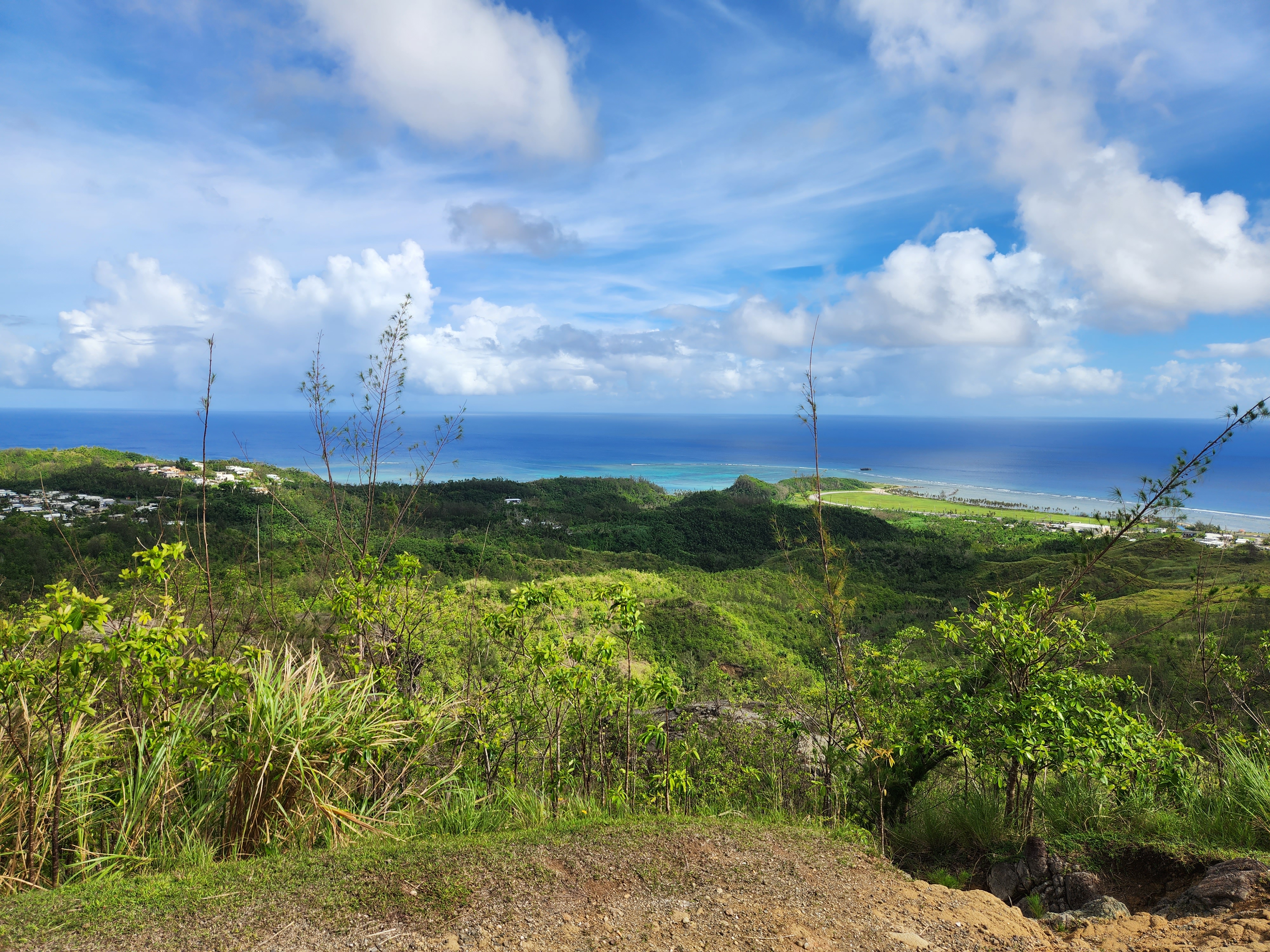

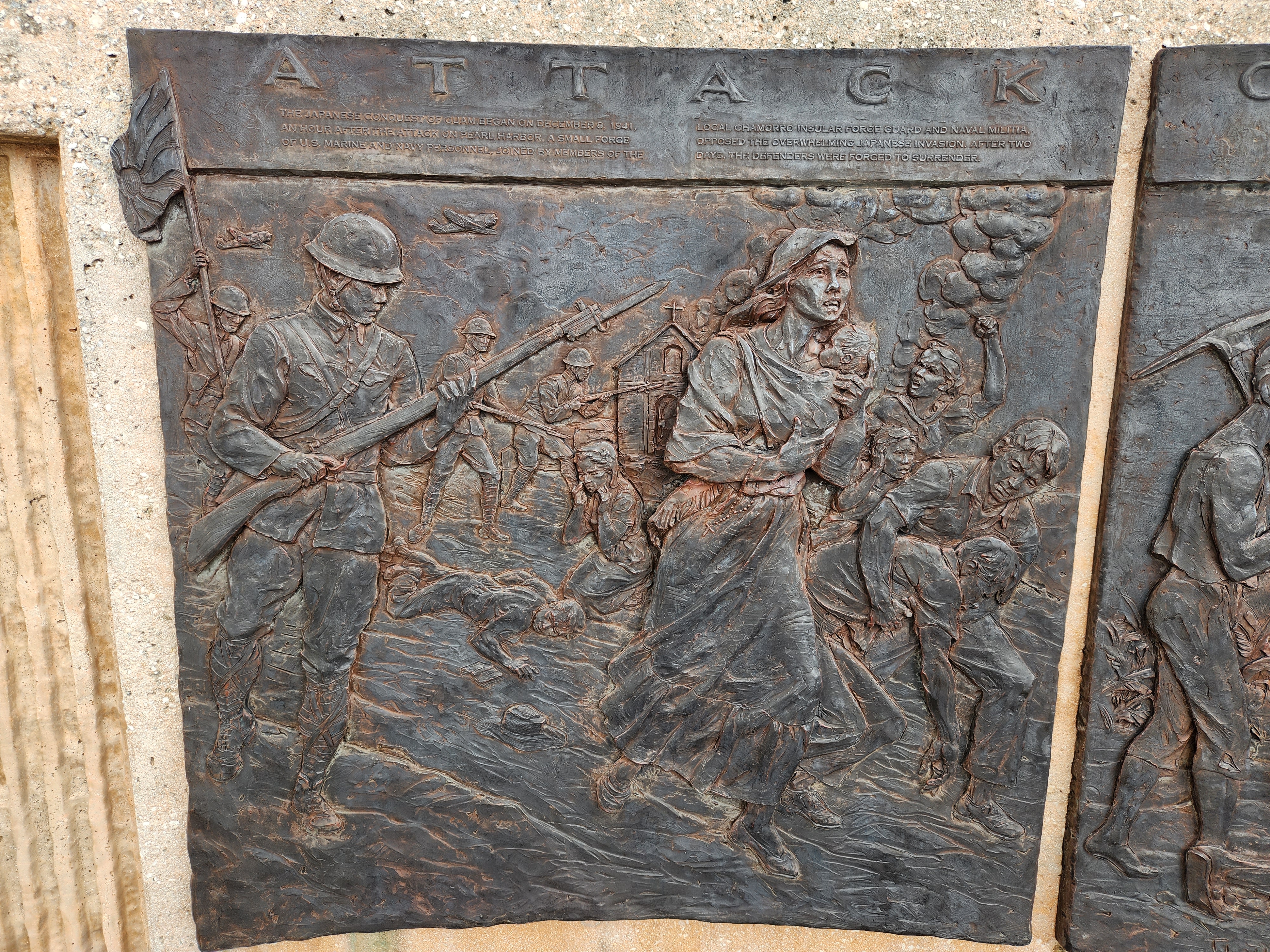
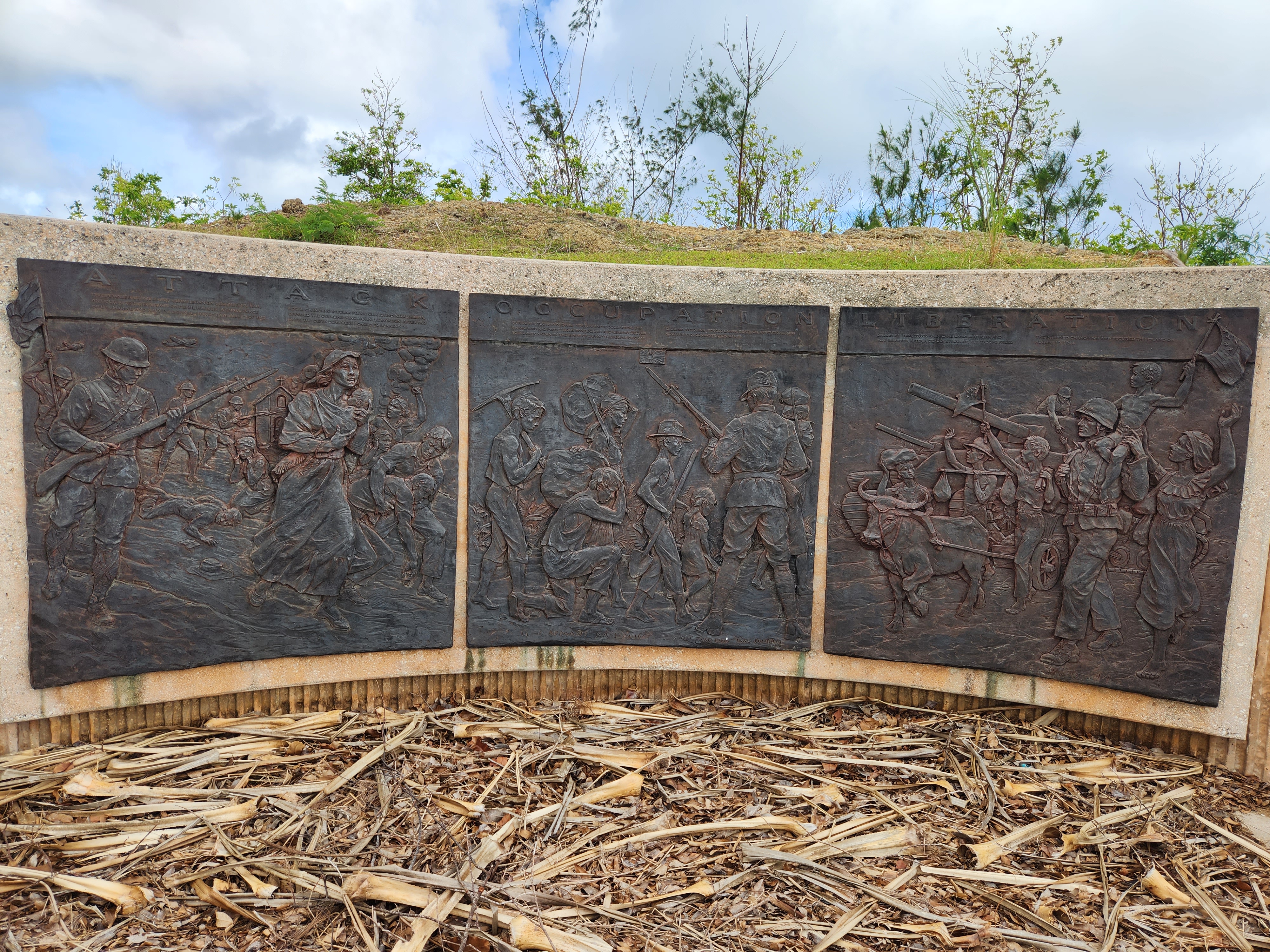
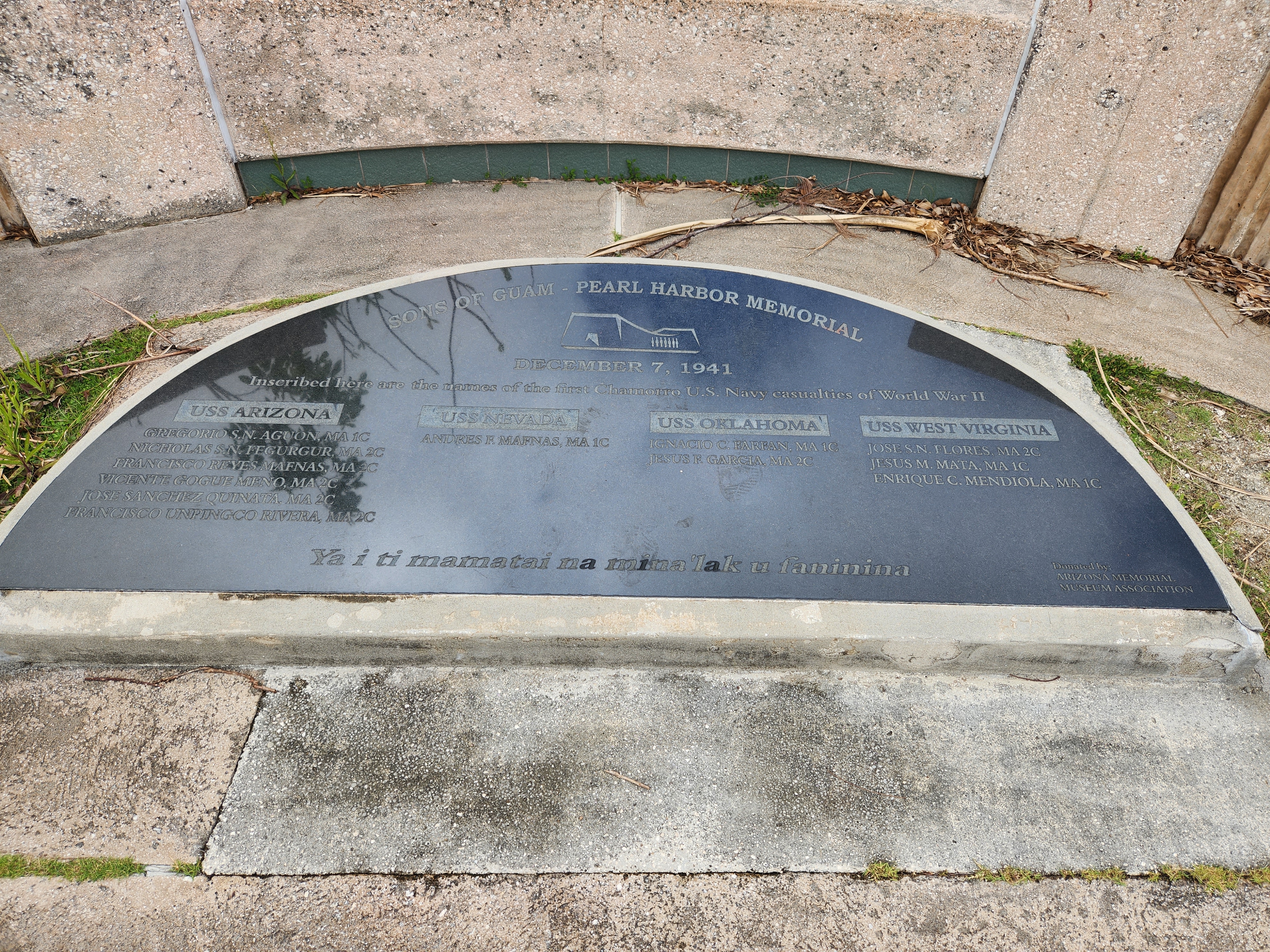
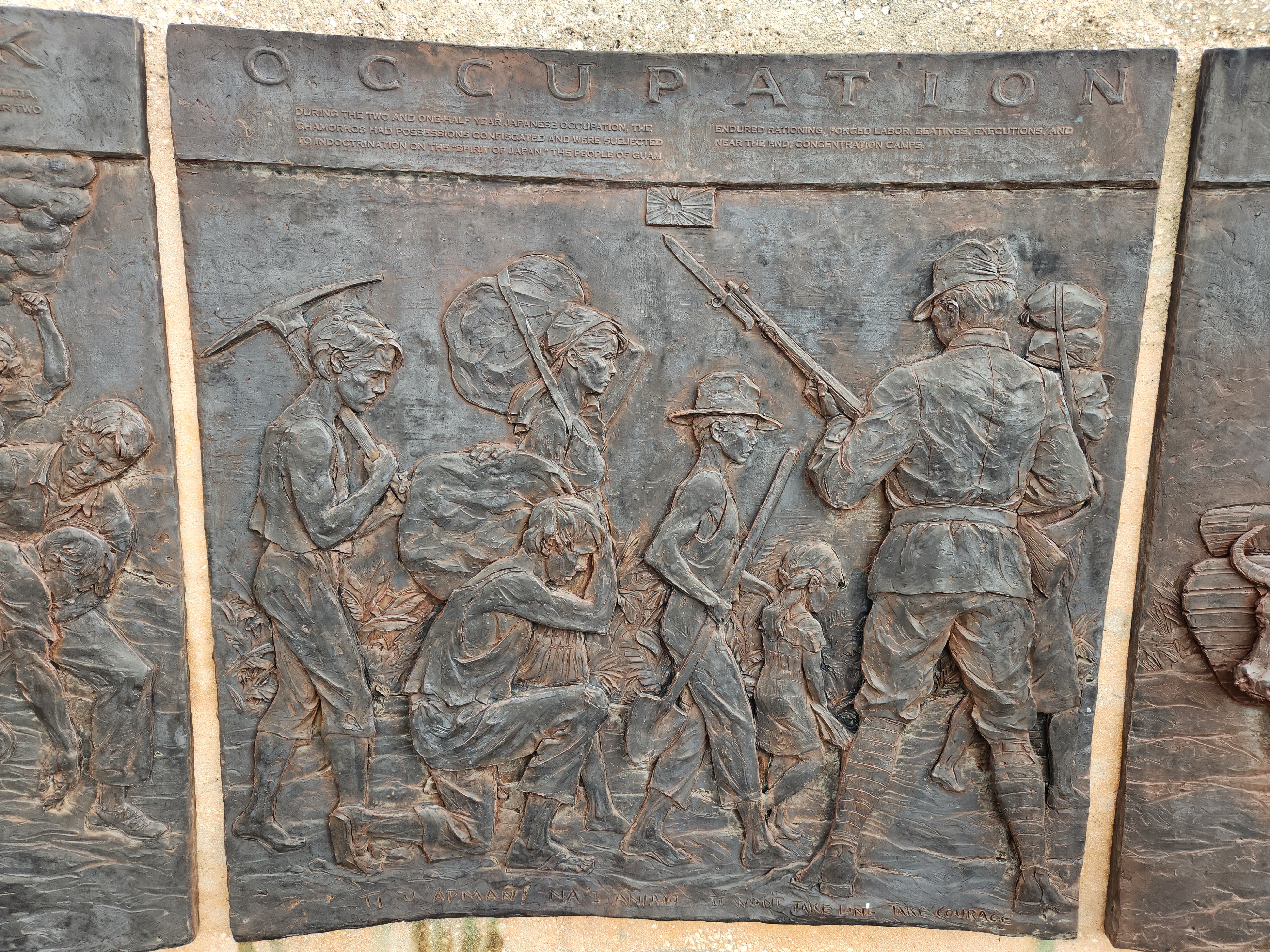
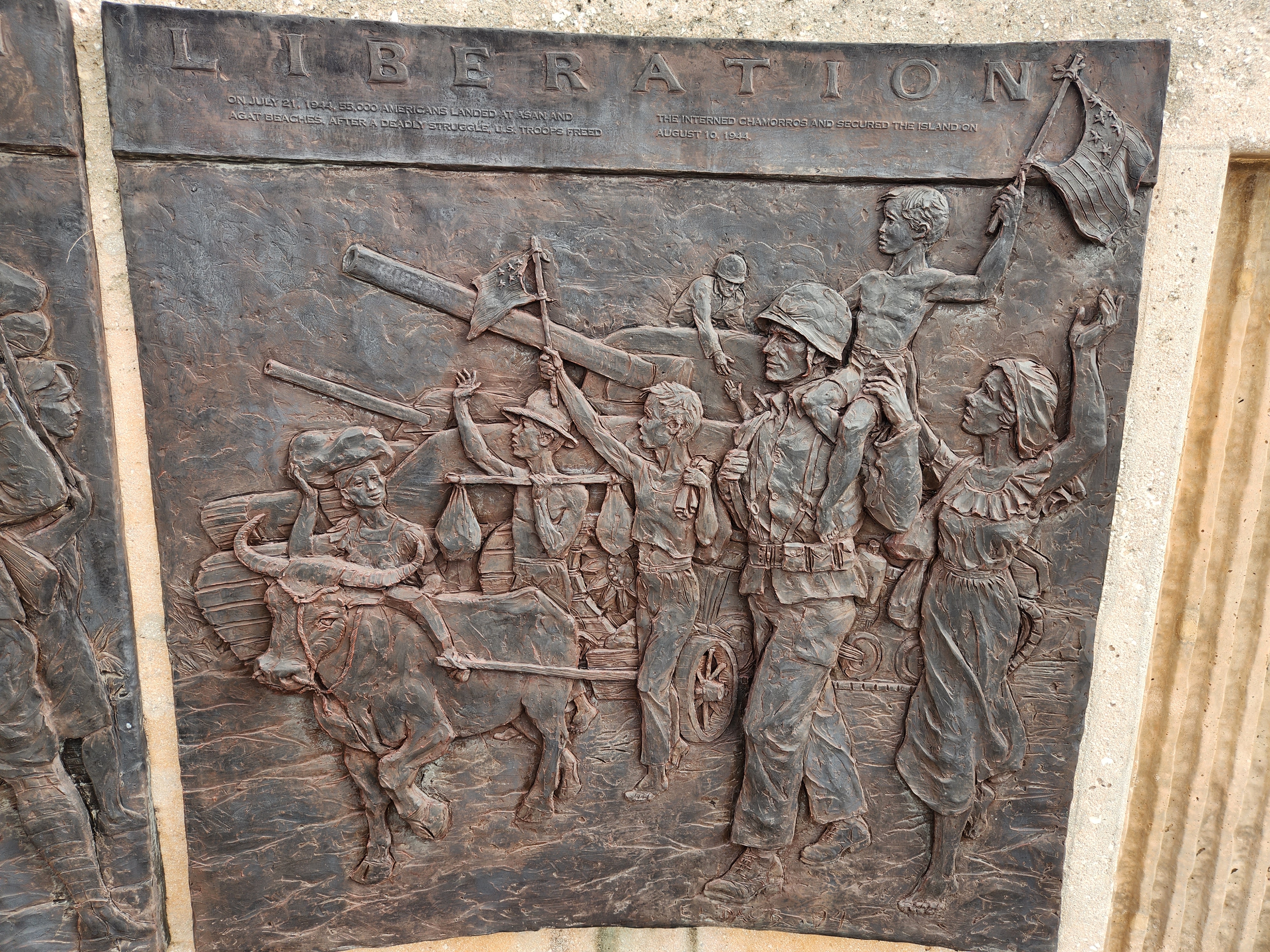
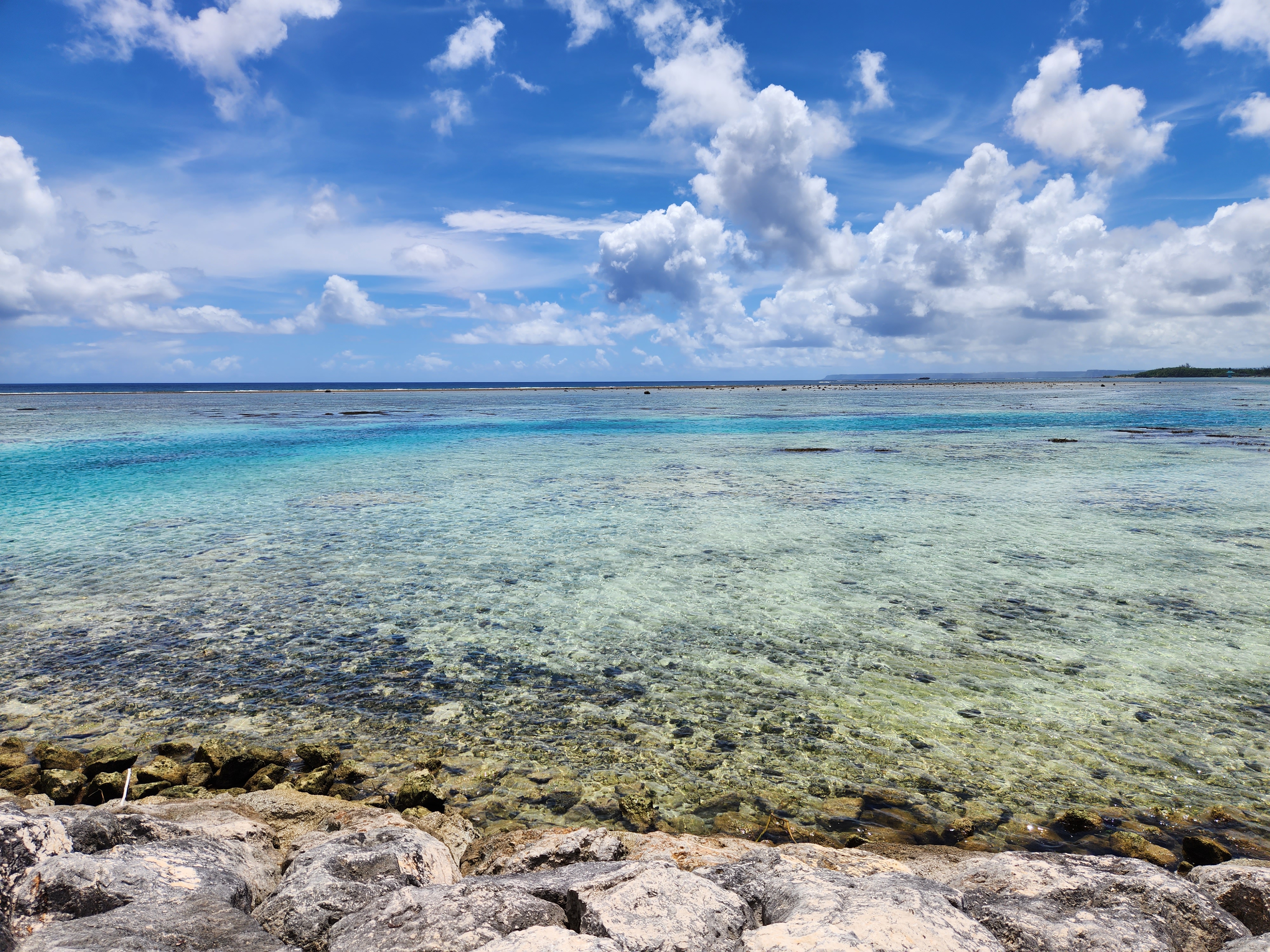
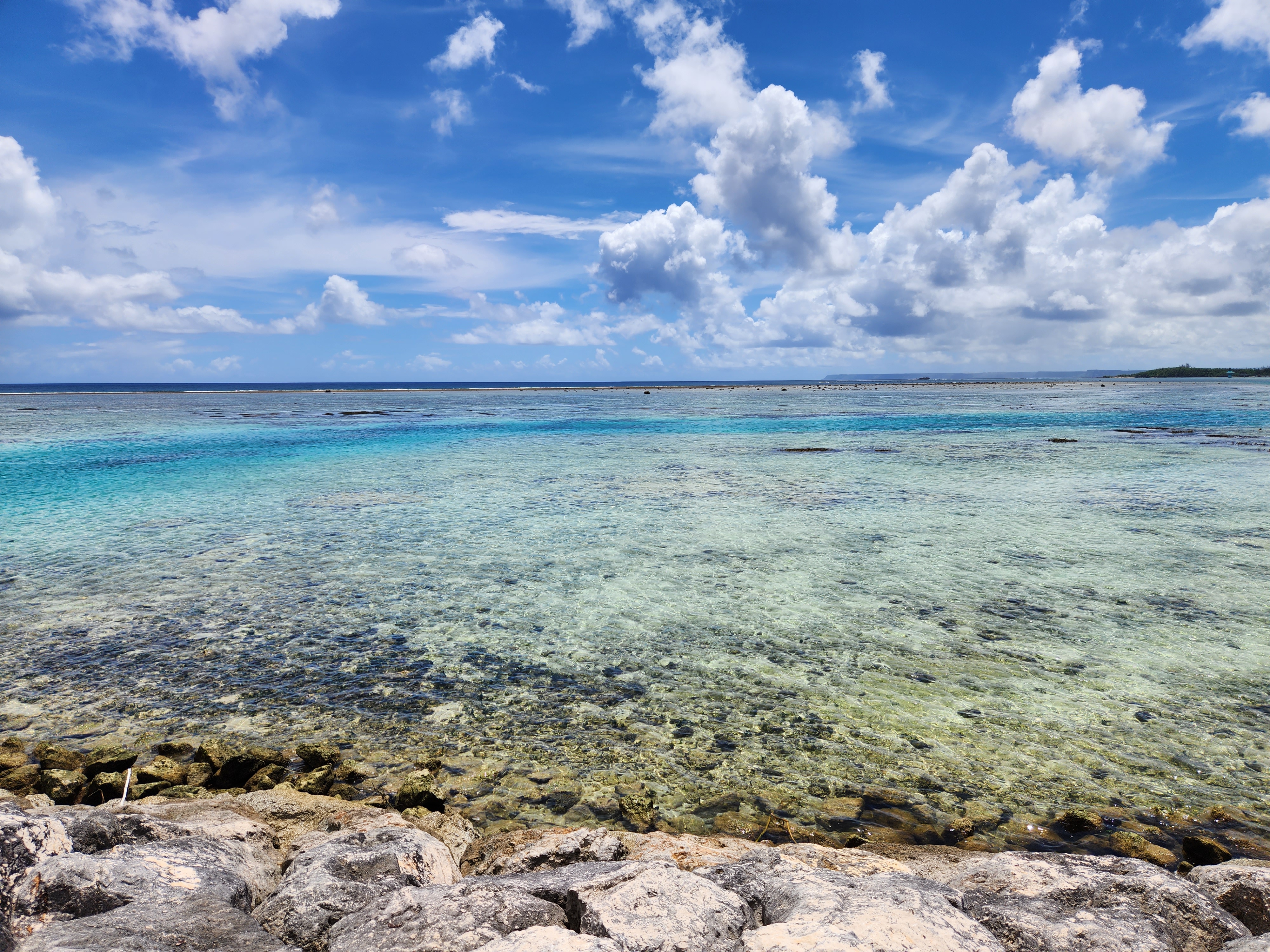
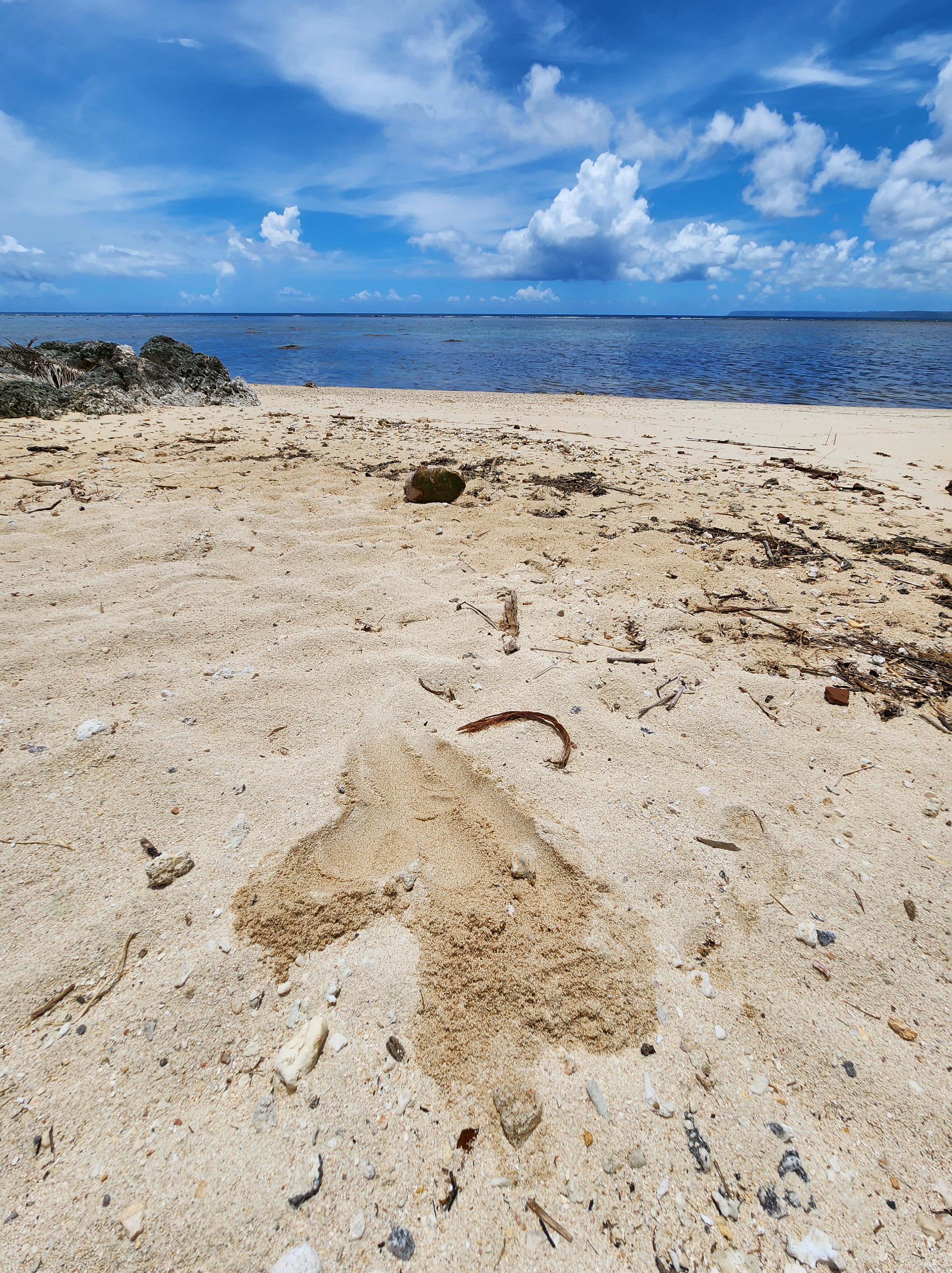
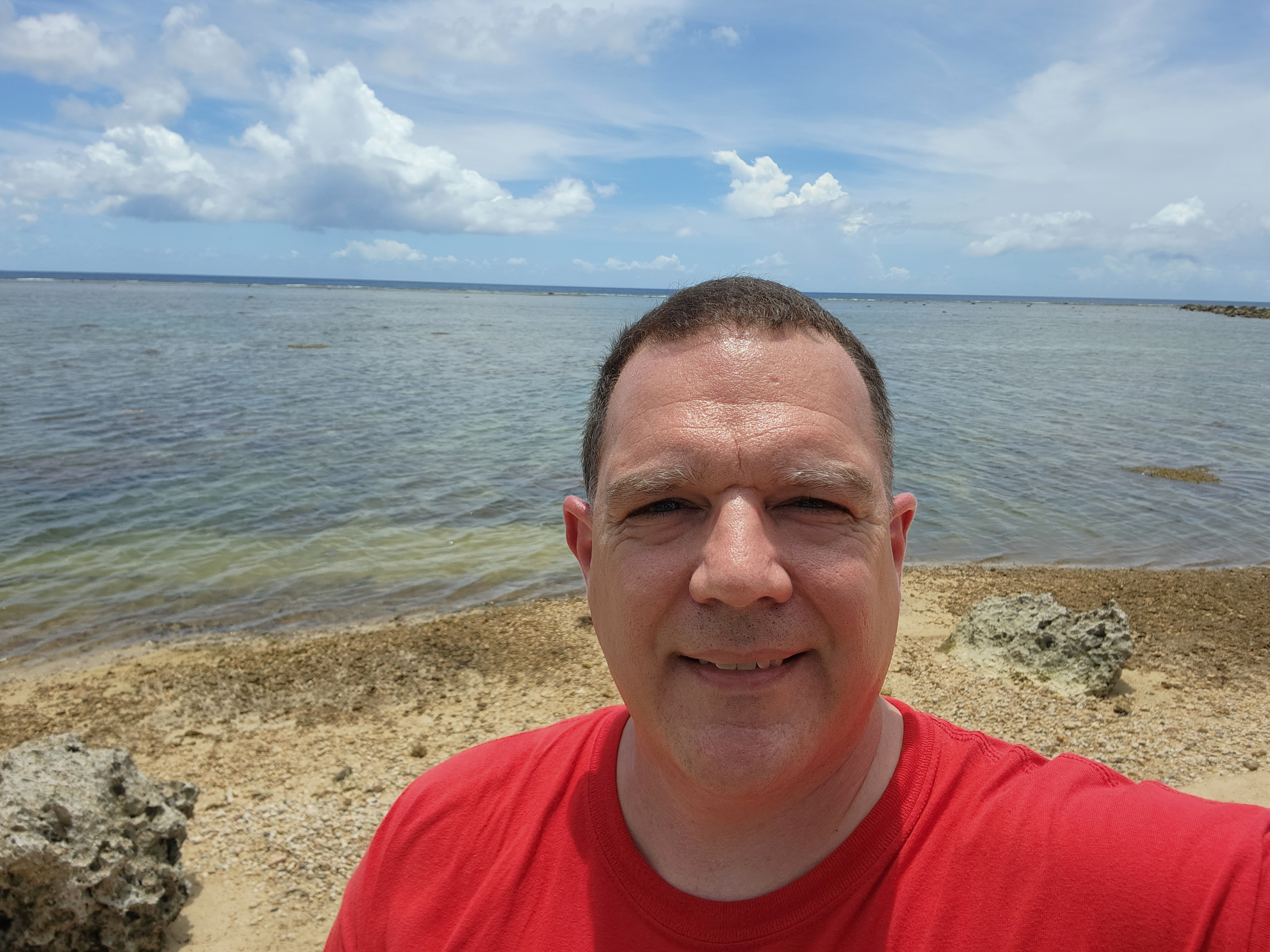
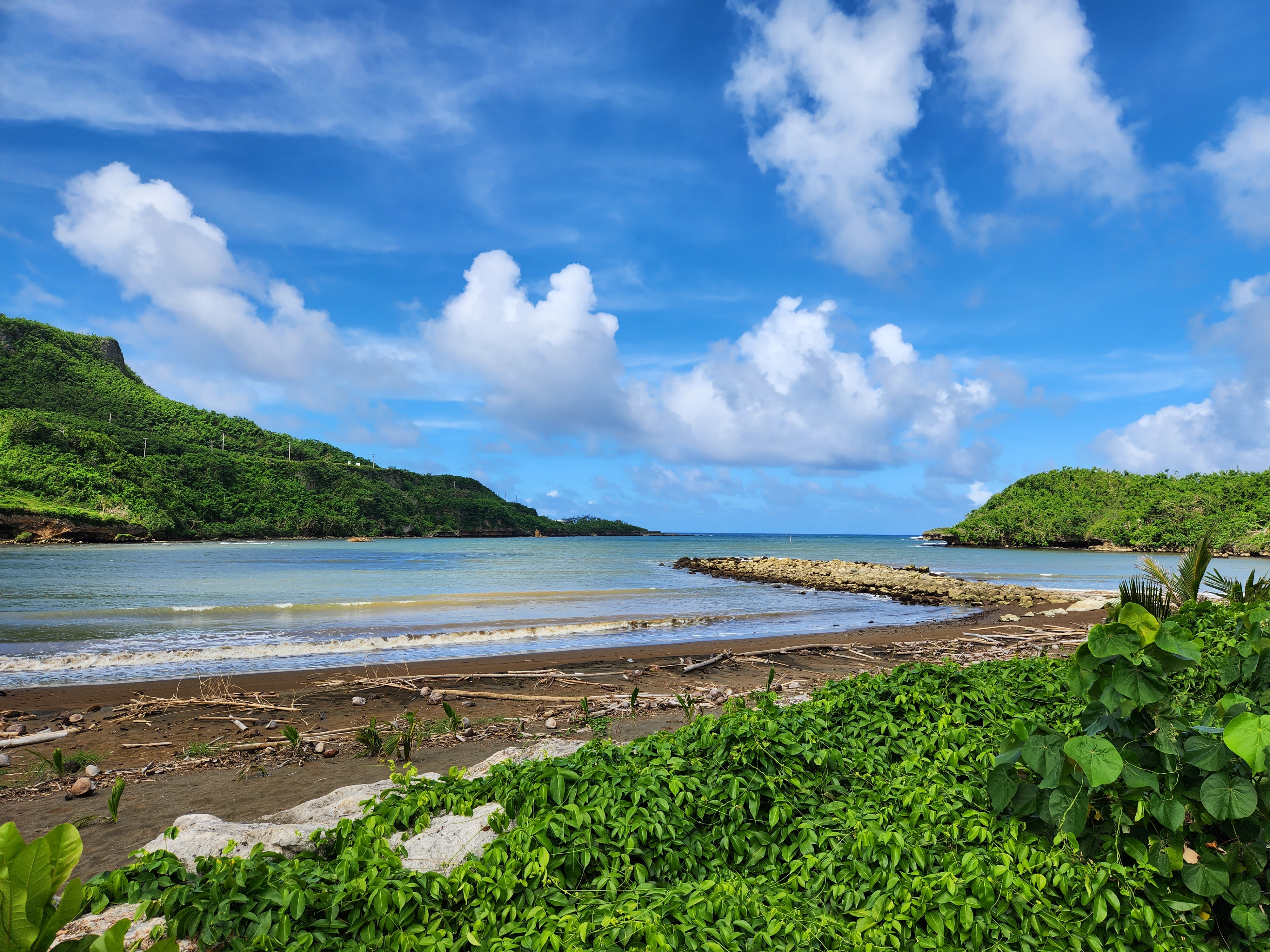
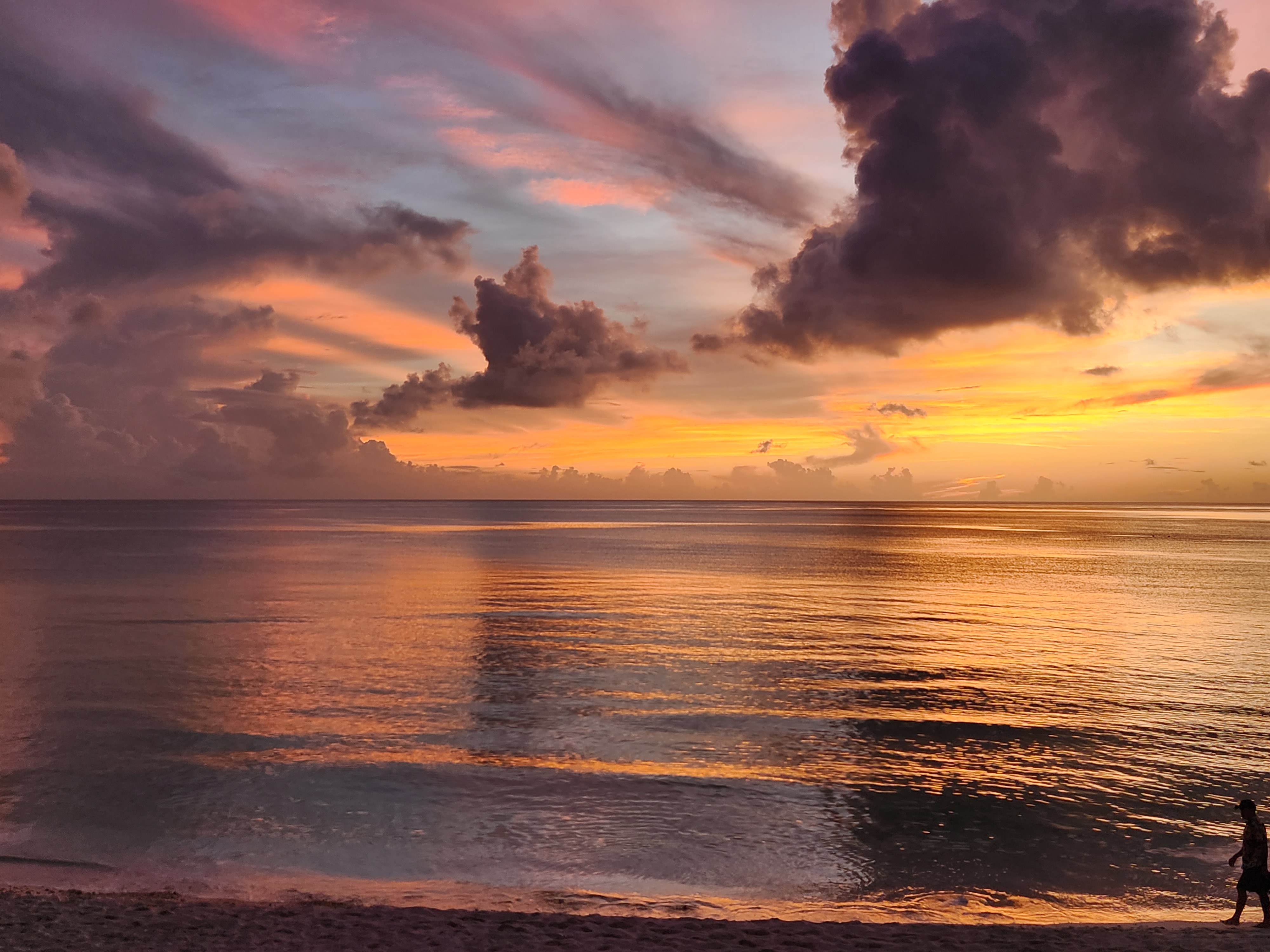
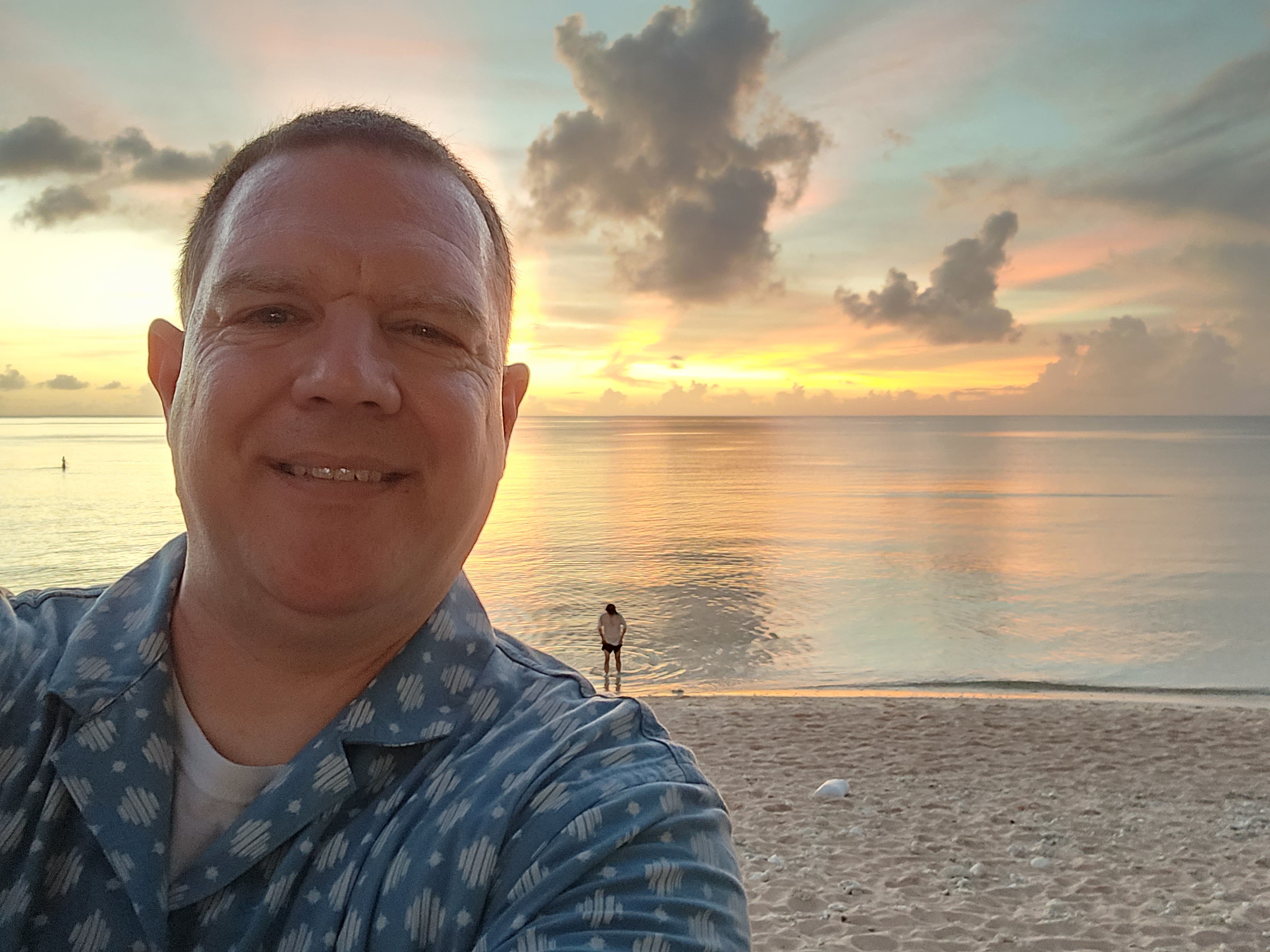
From there it was down to Asan Beach. This is likely where Bill’s grandfather in law came ashore at the start of the invasion. Once the island was secured, he continued to ferry supplies, men, and equipment form ship to shore for the remainder of the war in the same location. It is hard to believe the peaceful and beautiful location in these pictures was the scene of so much conflict and carnage…
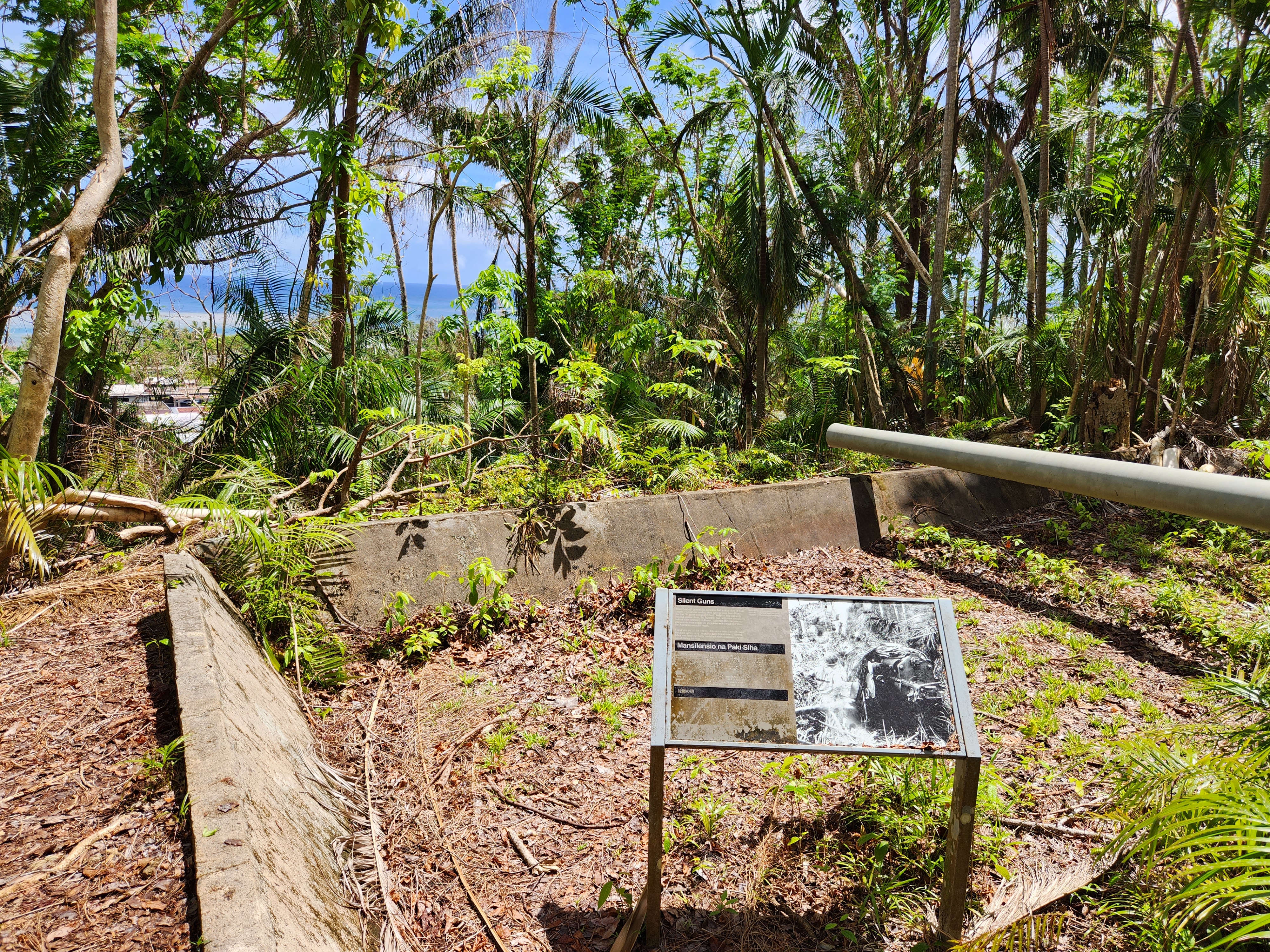
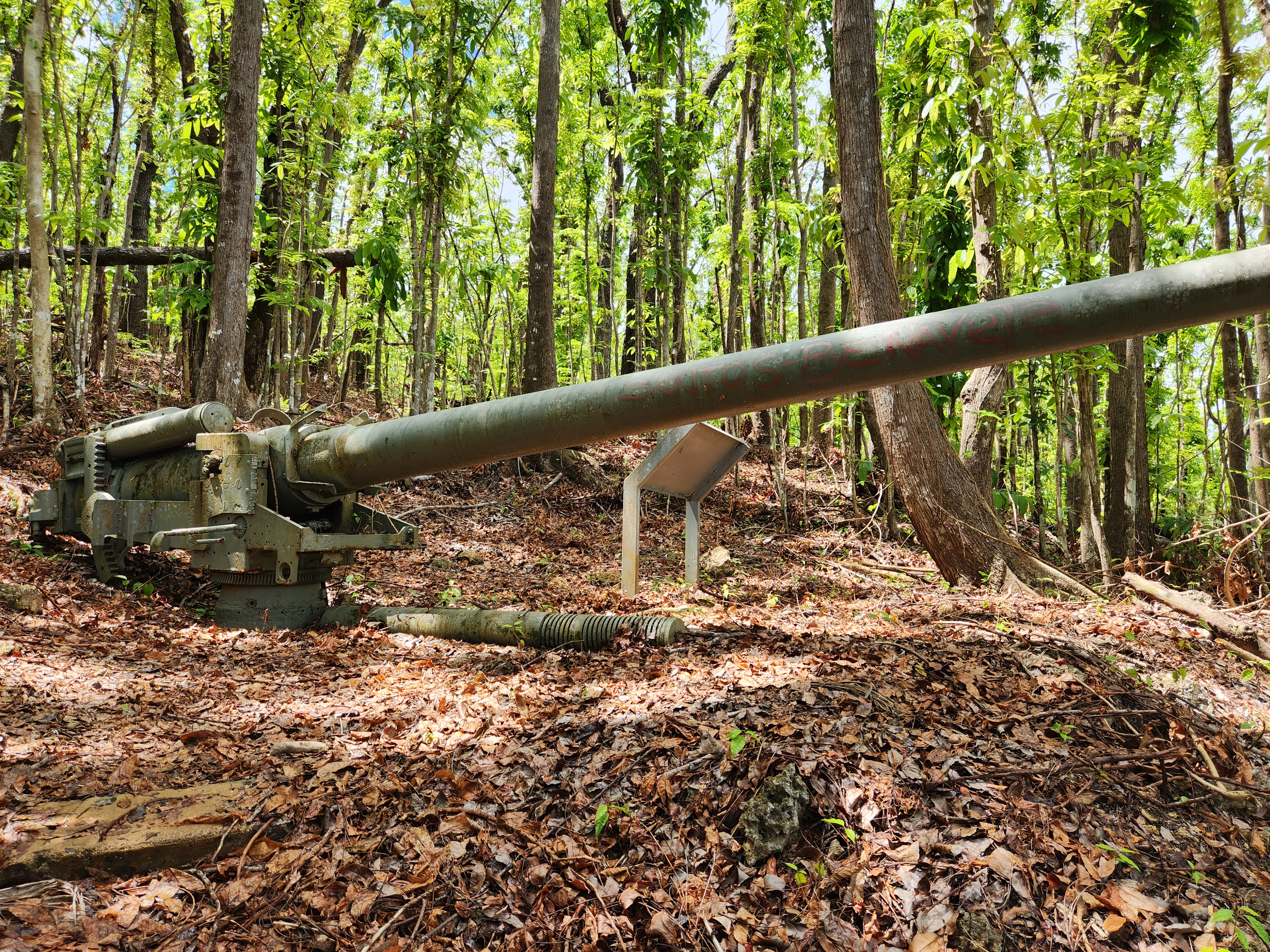
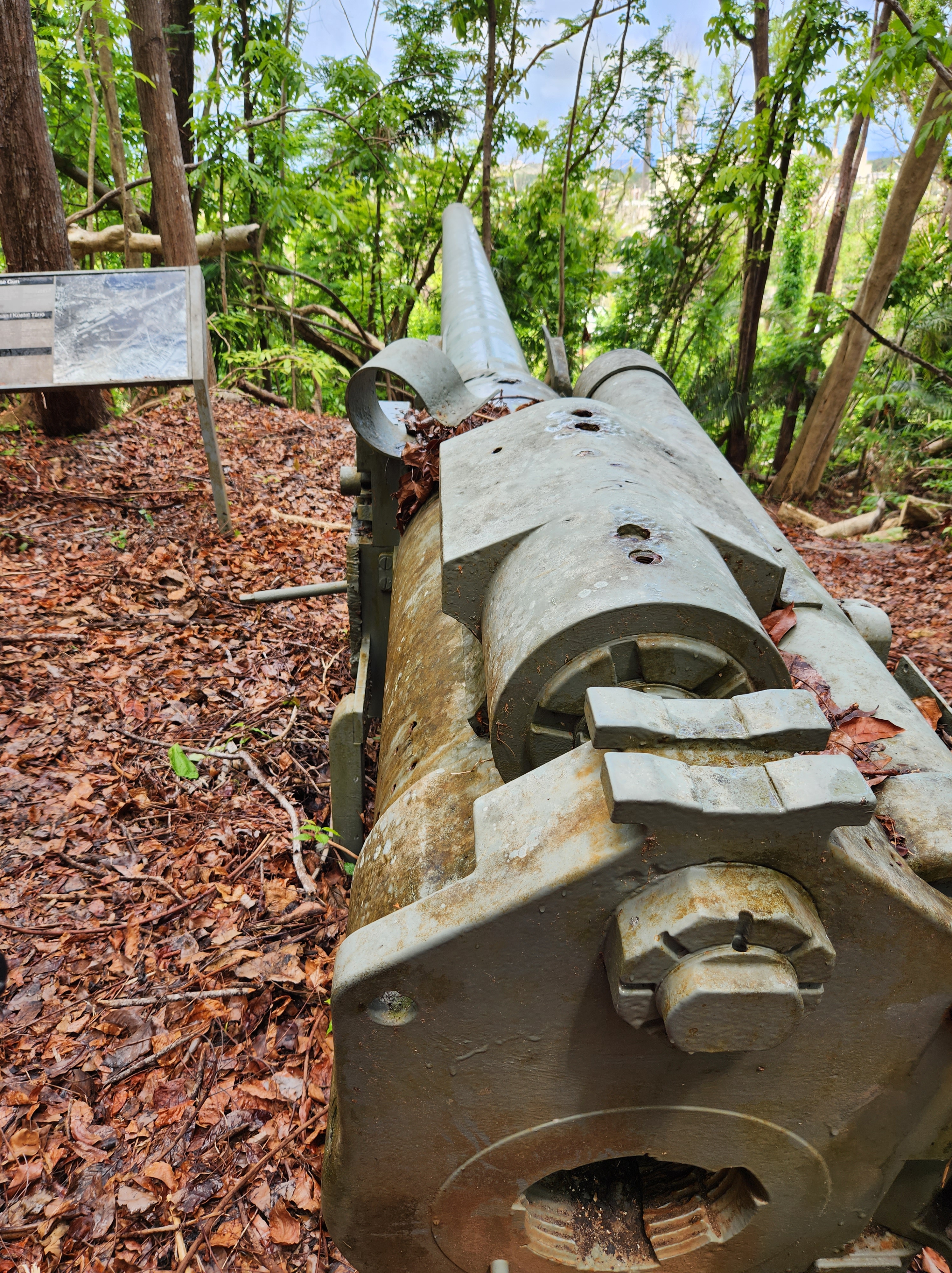
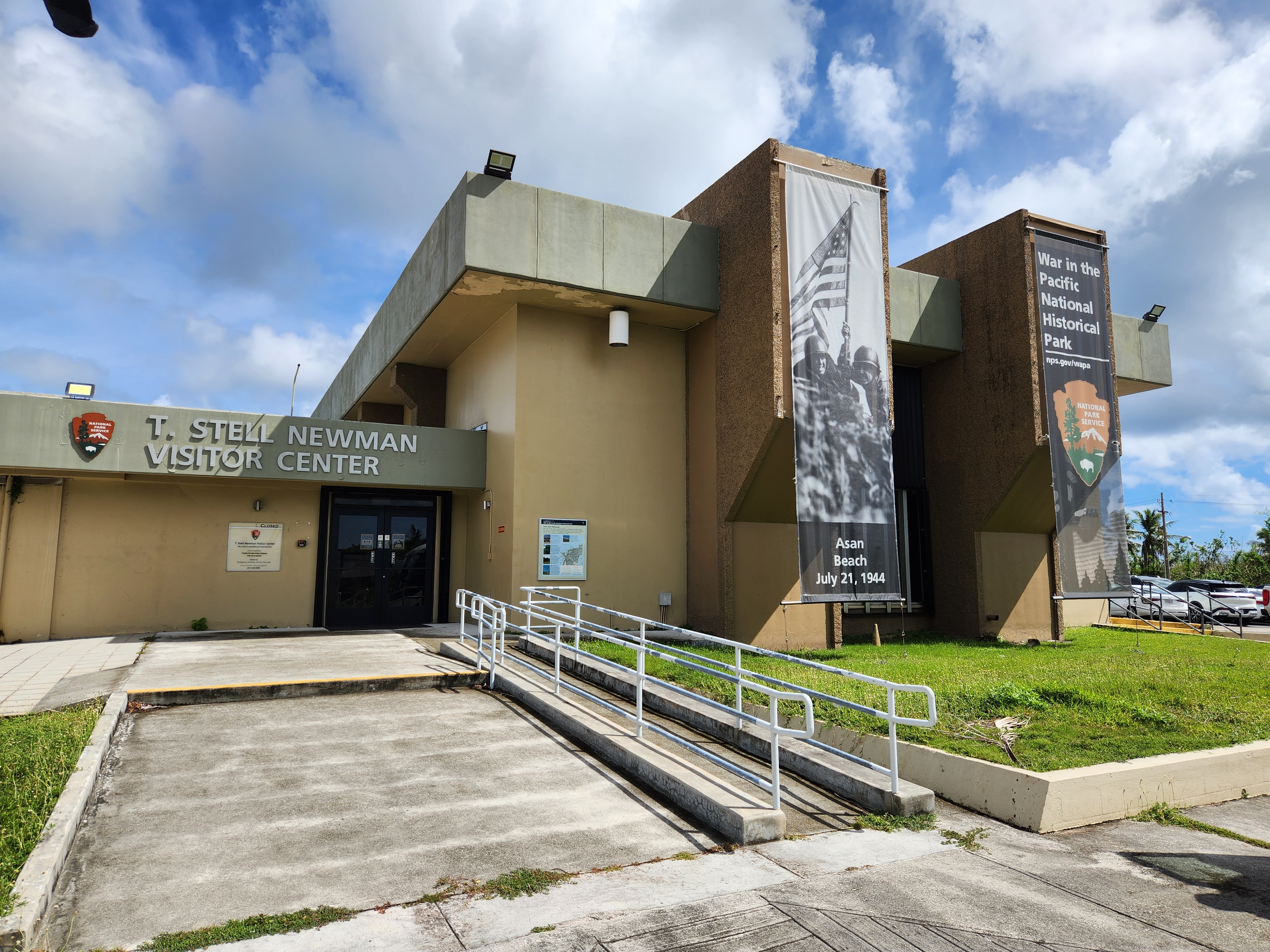
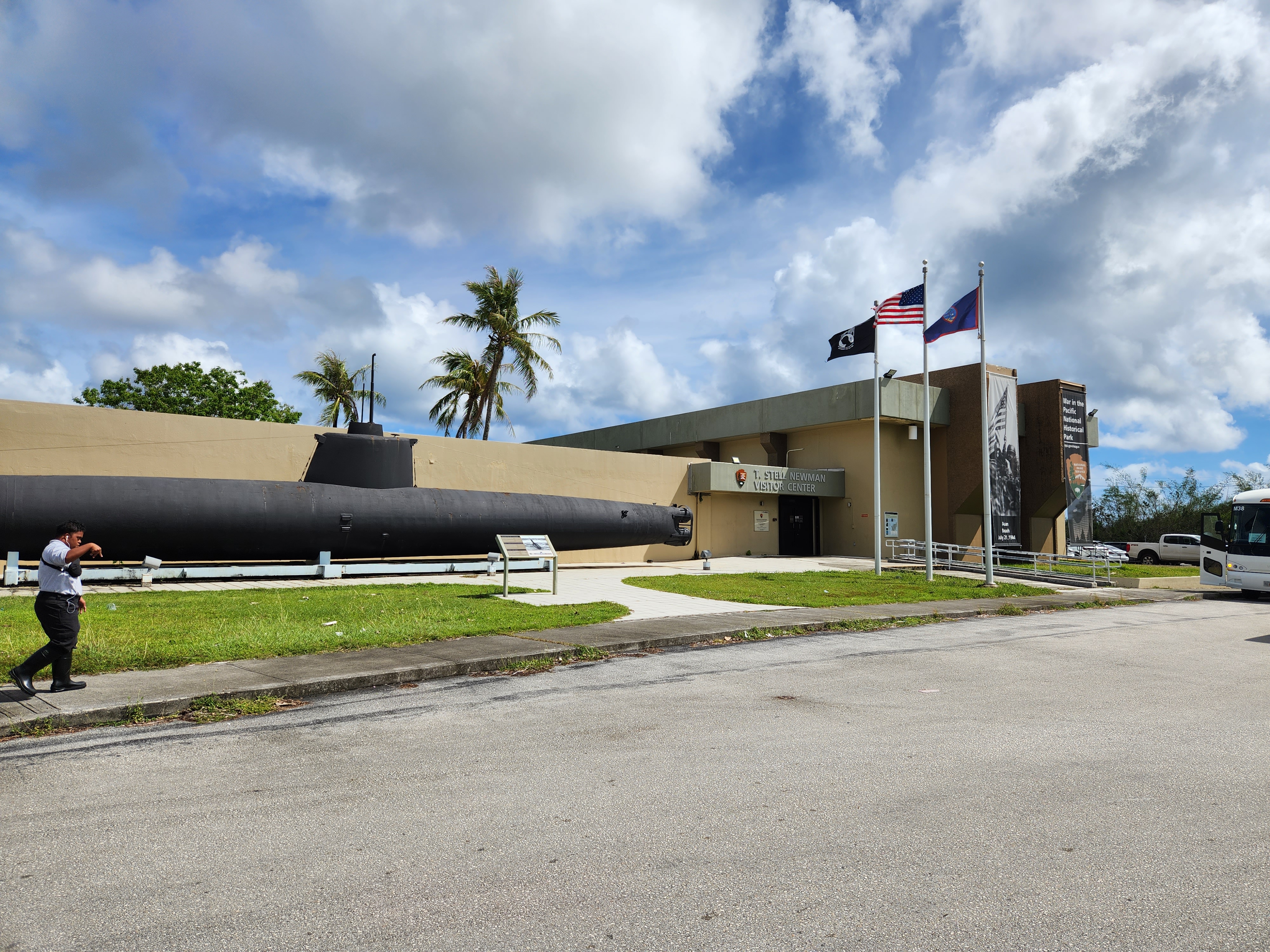
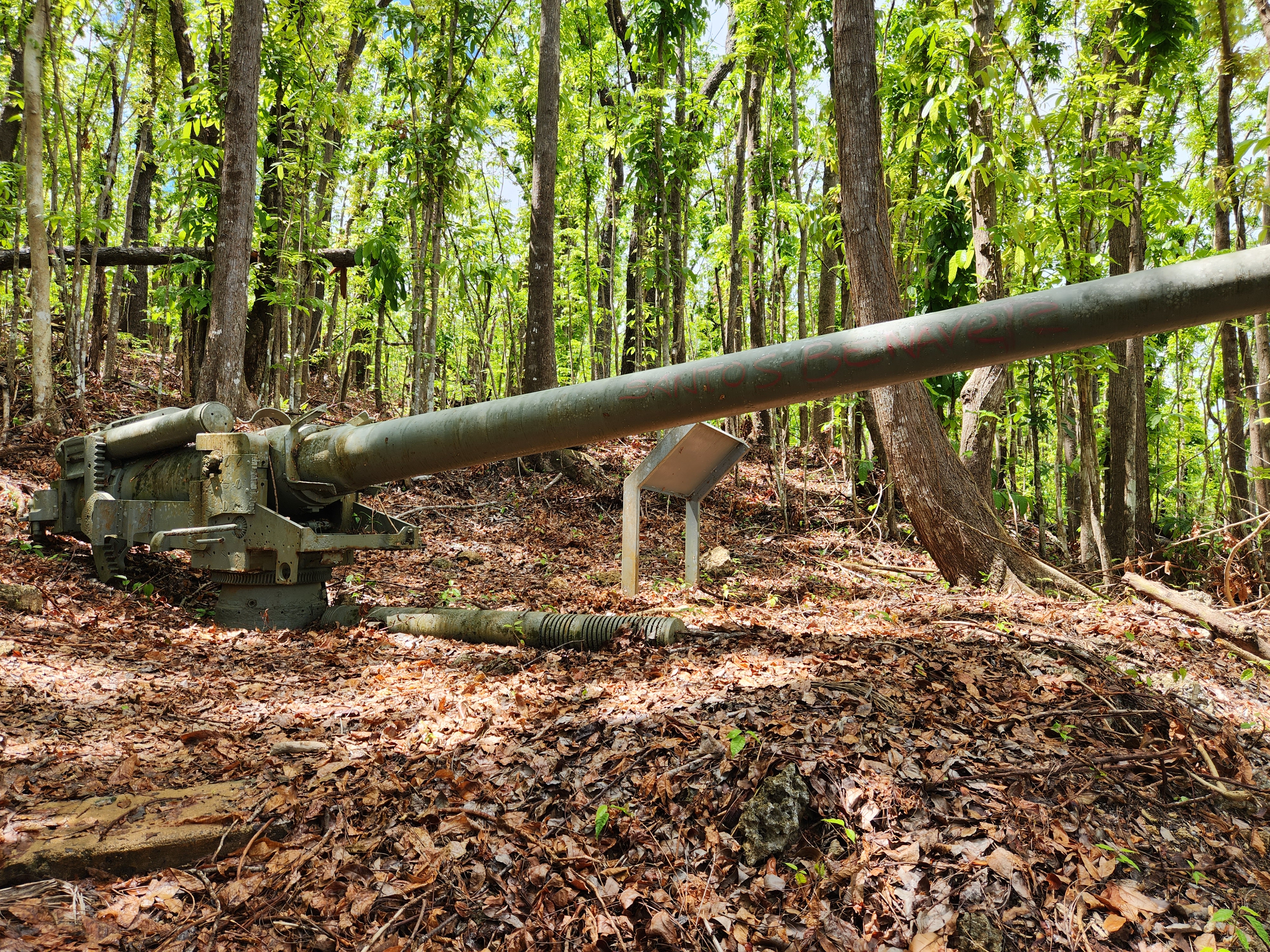
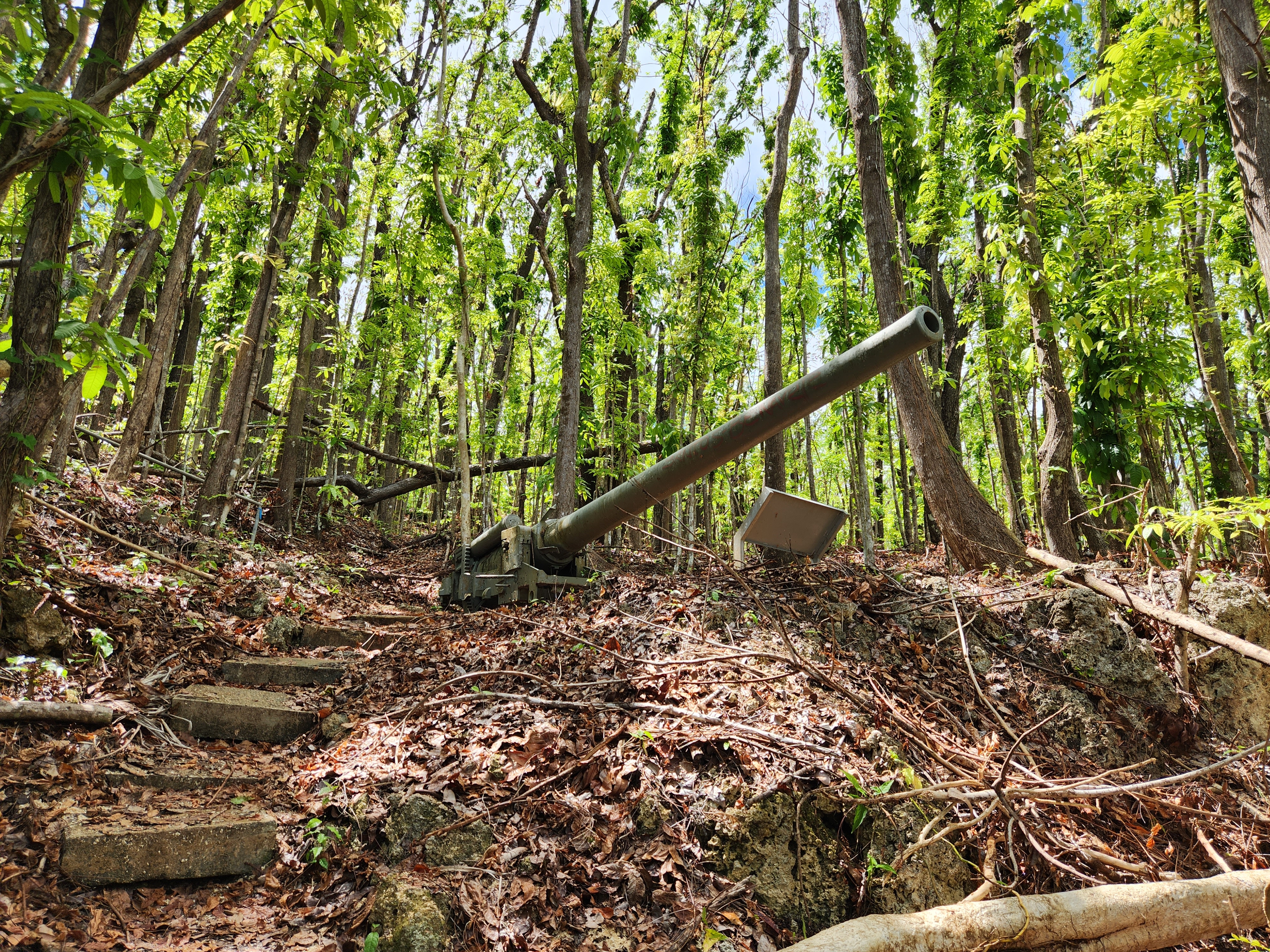
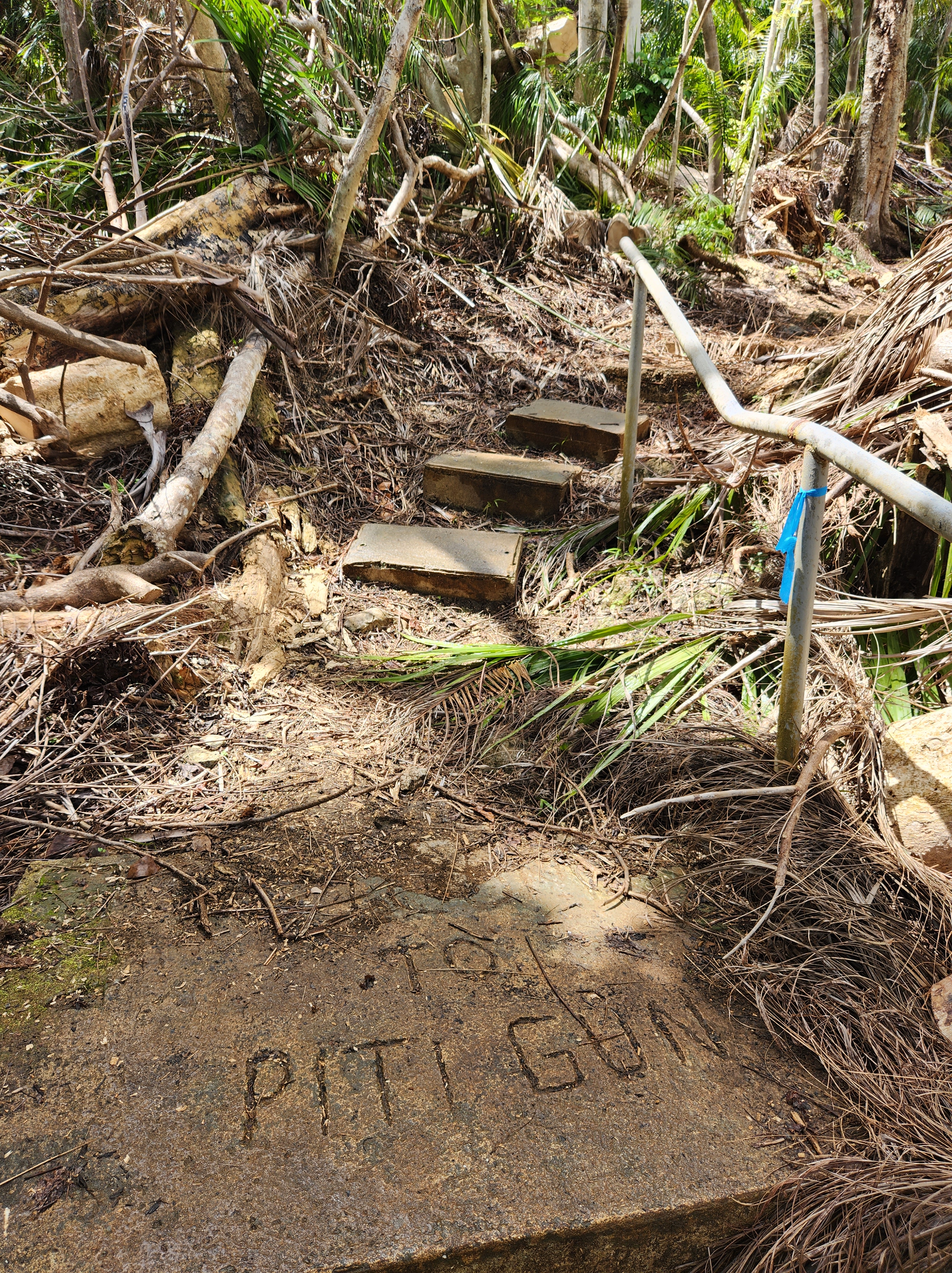
Bill’s final stop on the WWII quest in Guam was the remnants of Japanese coastal defenses from the 1940’s. These “Piti Guns” were placed high up on the hillsides to command the beaches and shoreline to deter American ships, but to no avail. The three remaining guns shown here are only still in existence because they were not operational yet when the invasion began and therefore weren’t destroyed by American battleships. They provide a glimpse of what the coastal defense batteries would look like though. Disappointingly, the visitors center for the War in the Pacific National Historic Site was close on Mondays, so there are only pictures of the outside.
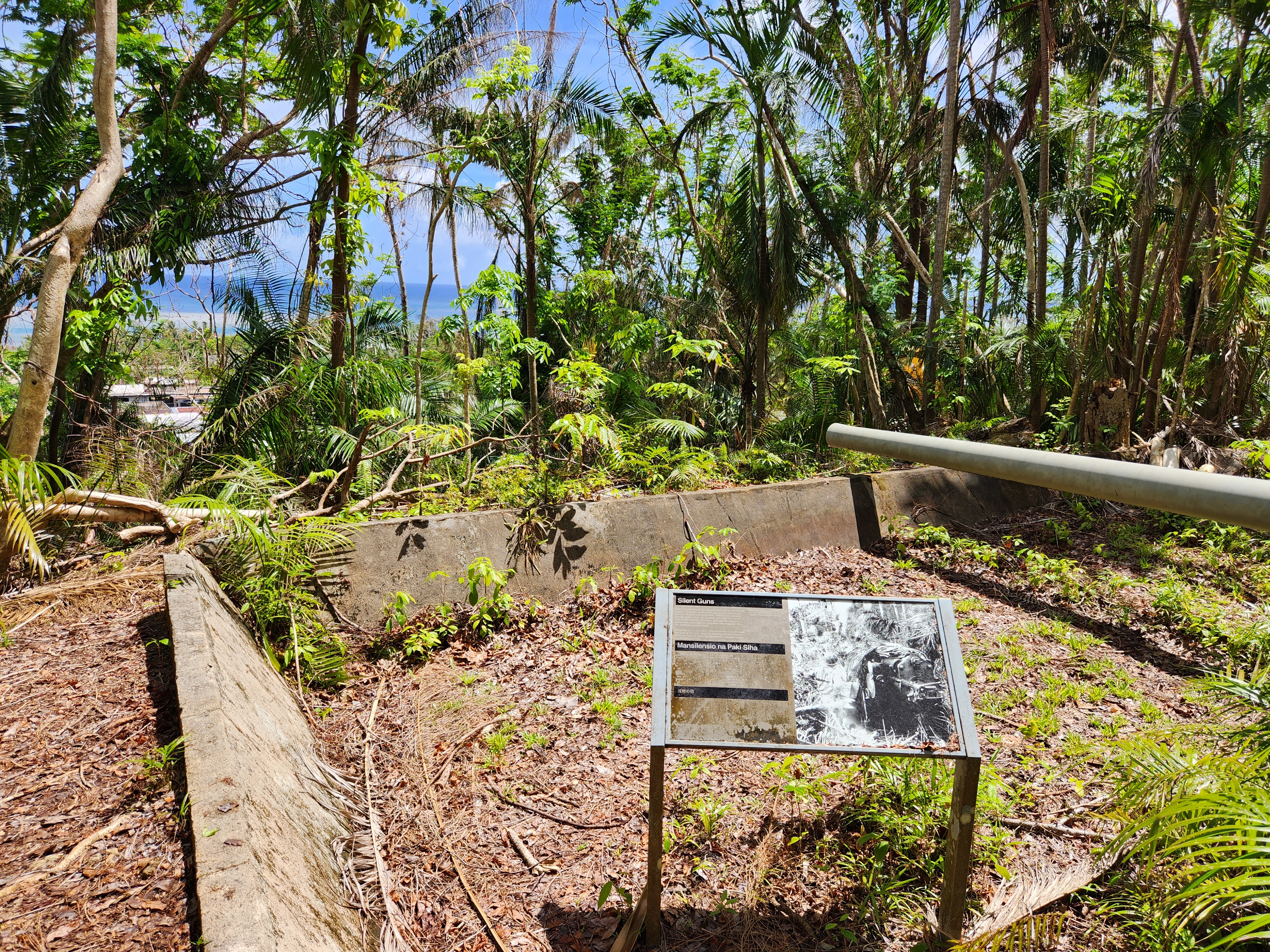
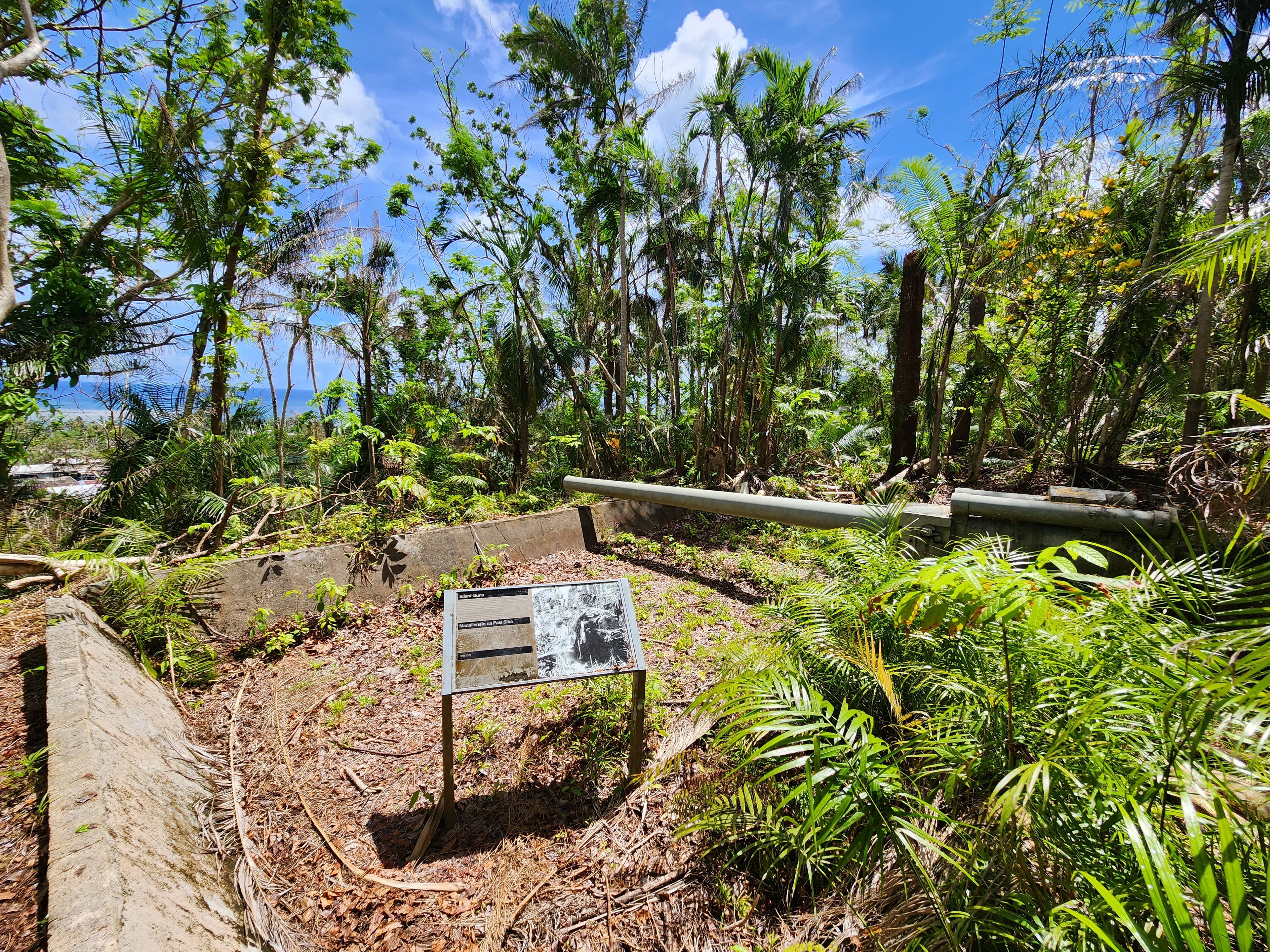
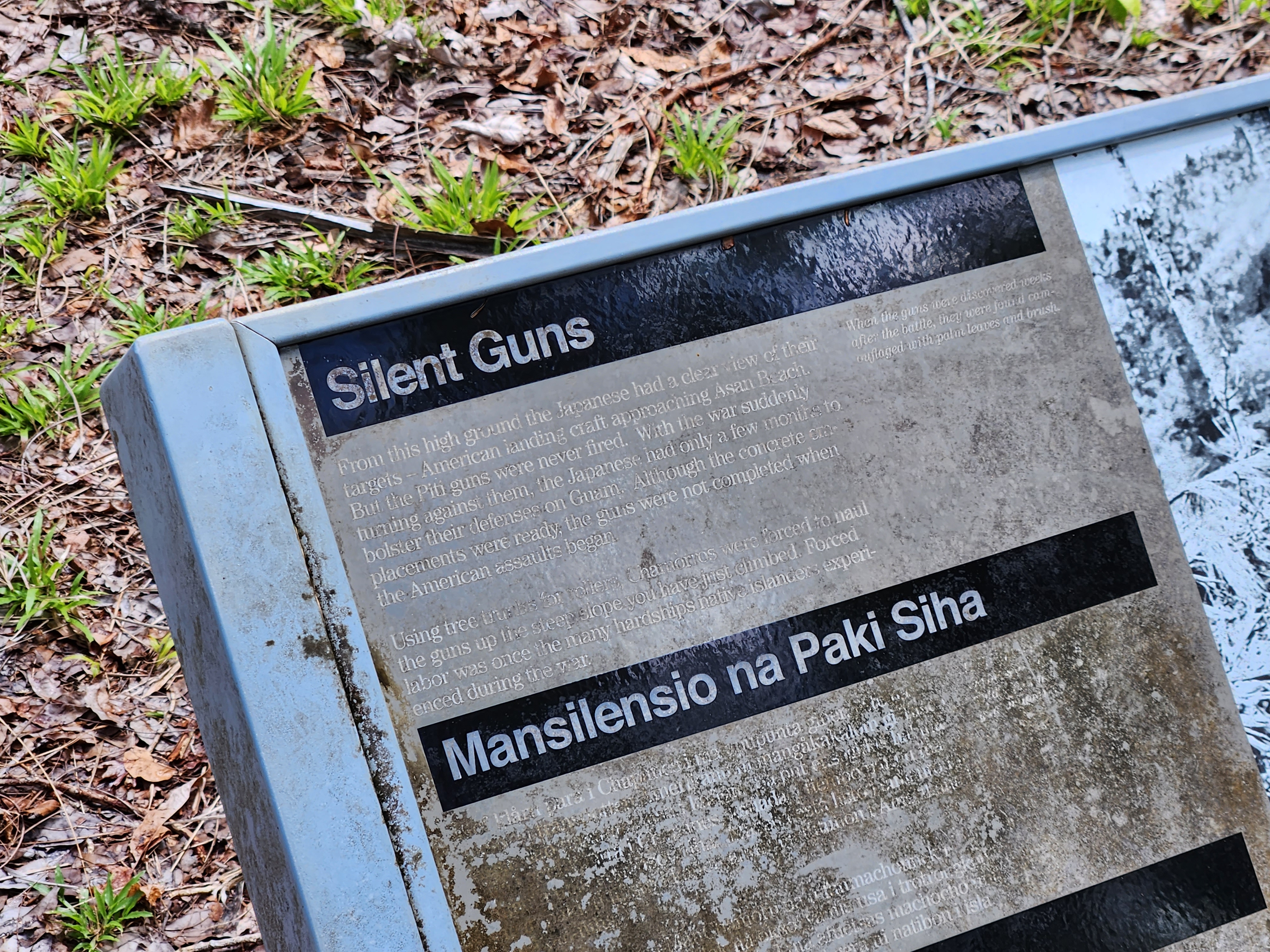
The day exploring Guam’s WWII past brought many thoughts to mind. First, what a world away it is! Especially in the 1940’s when people typically didn’t travel very far from home routinely, those young teenage soldiers must have truly felt as if they were on another planet in the middle of the Pacific Ocean. Secondly, this island paradise, like most of the islands in the Pacific during WWII, was the scene of horrific fighting and extreme hardship for the soldiers and armies for sure, but even more so for the native Chamorro people of the island. How difficult it must be to see your home torn apart and people suffer for something you have no control over. Lastly, however one looks at it, America has, and still does, put considerable time, effort, and expense into carrying out her goals around the world. Guam is one part of that story.

 Bill and Jeff's Historical Travel Blog