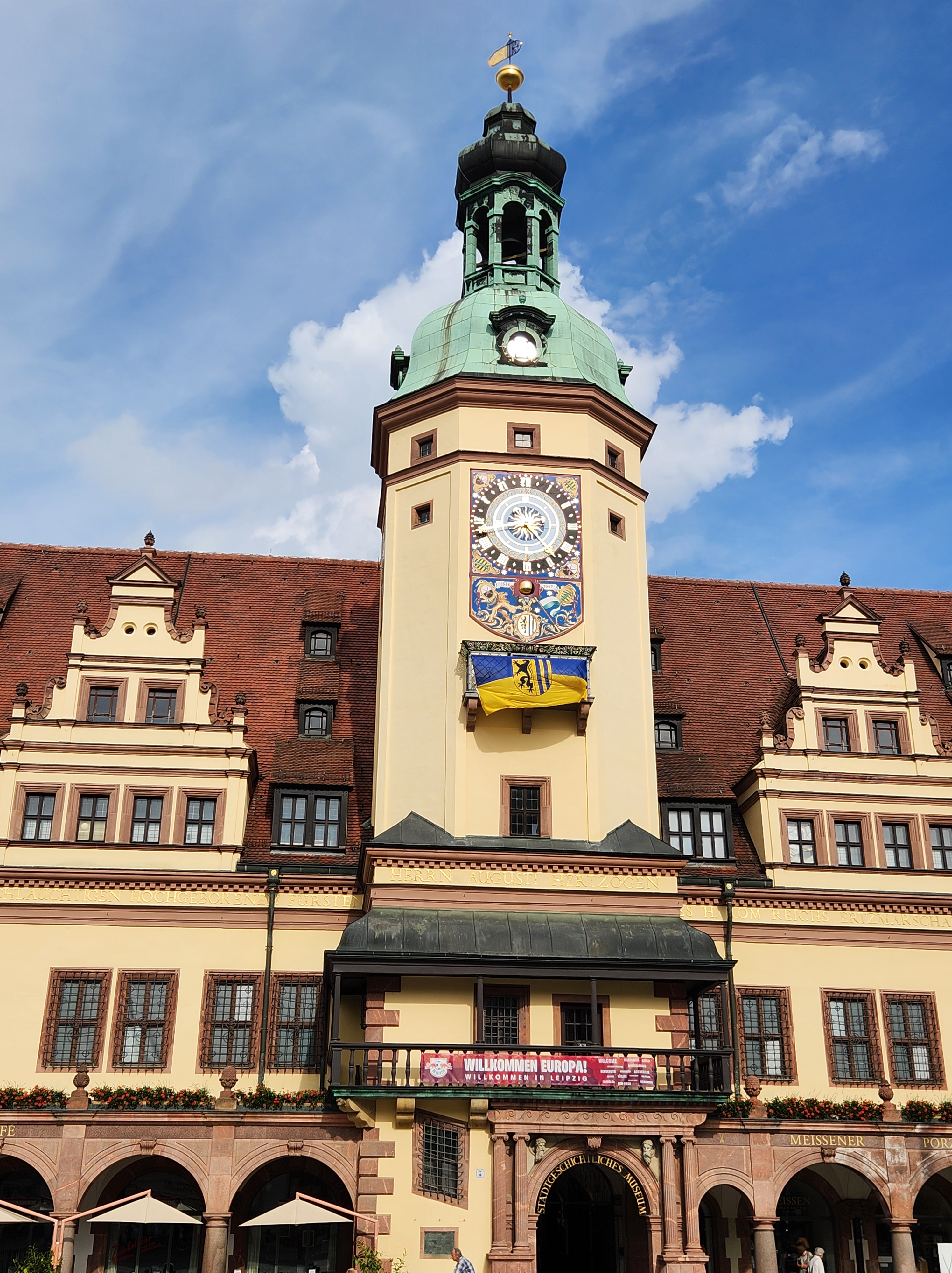
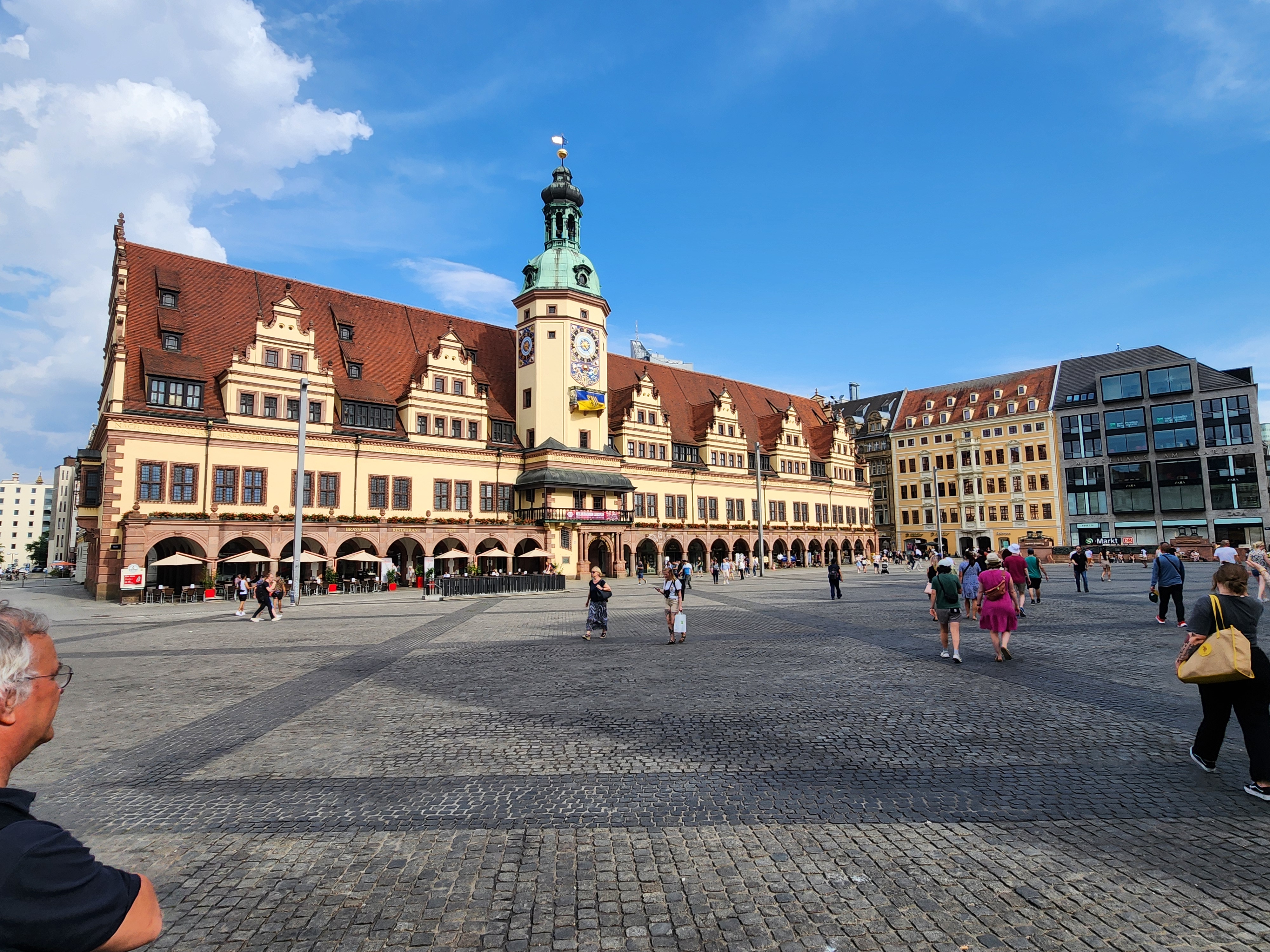
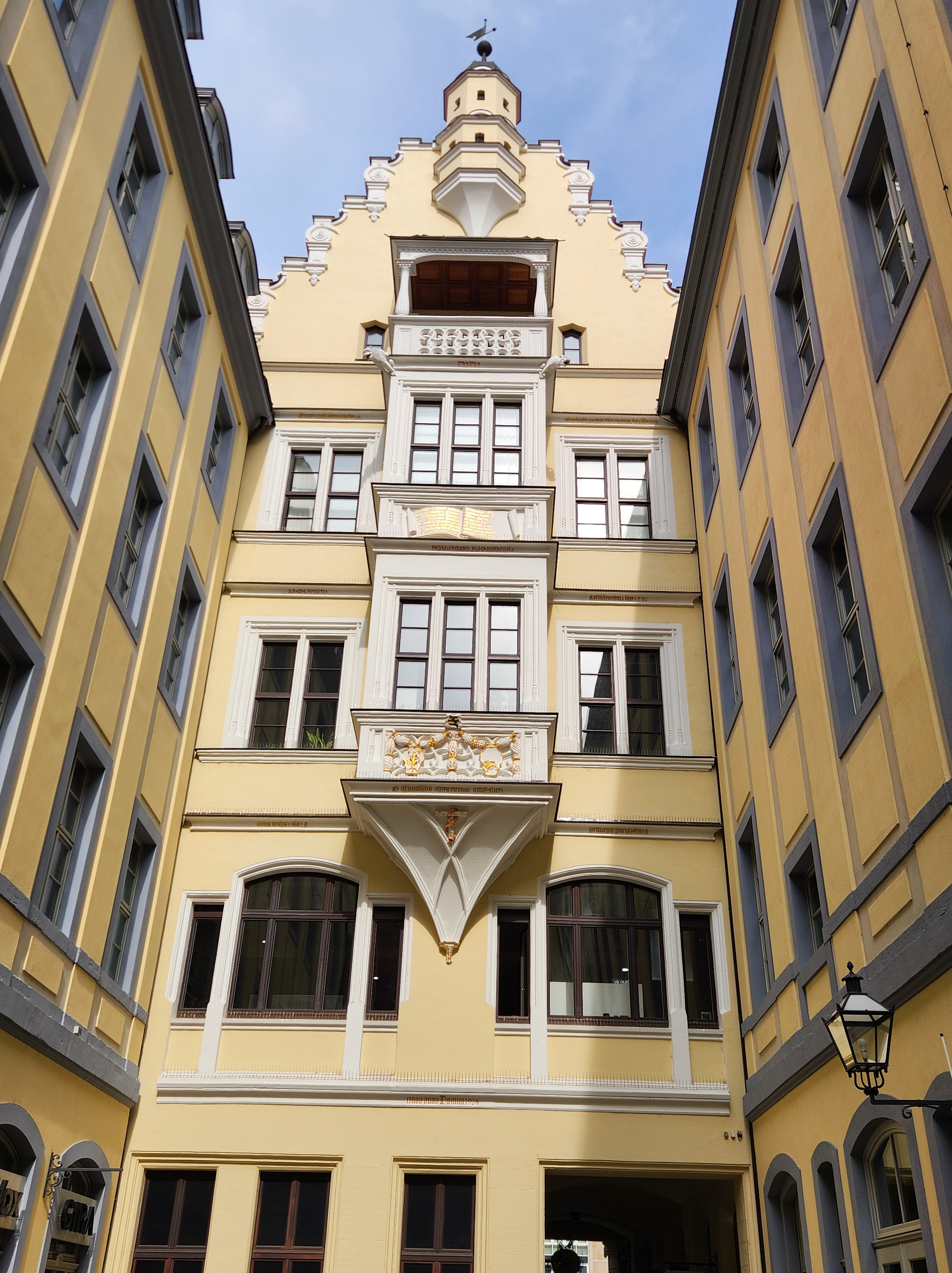
The TOP Tour shifted to the city of Leipzig for Days 4-6 with a focus on comparing the former East German city to our recent experience in Hamburg (part of the former West Germany). I didn’t know much about Leipzig or its storied history but I was in for a treat. In just three days, the city stole my heart!
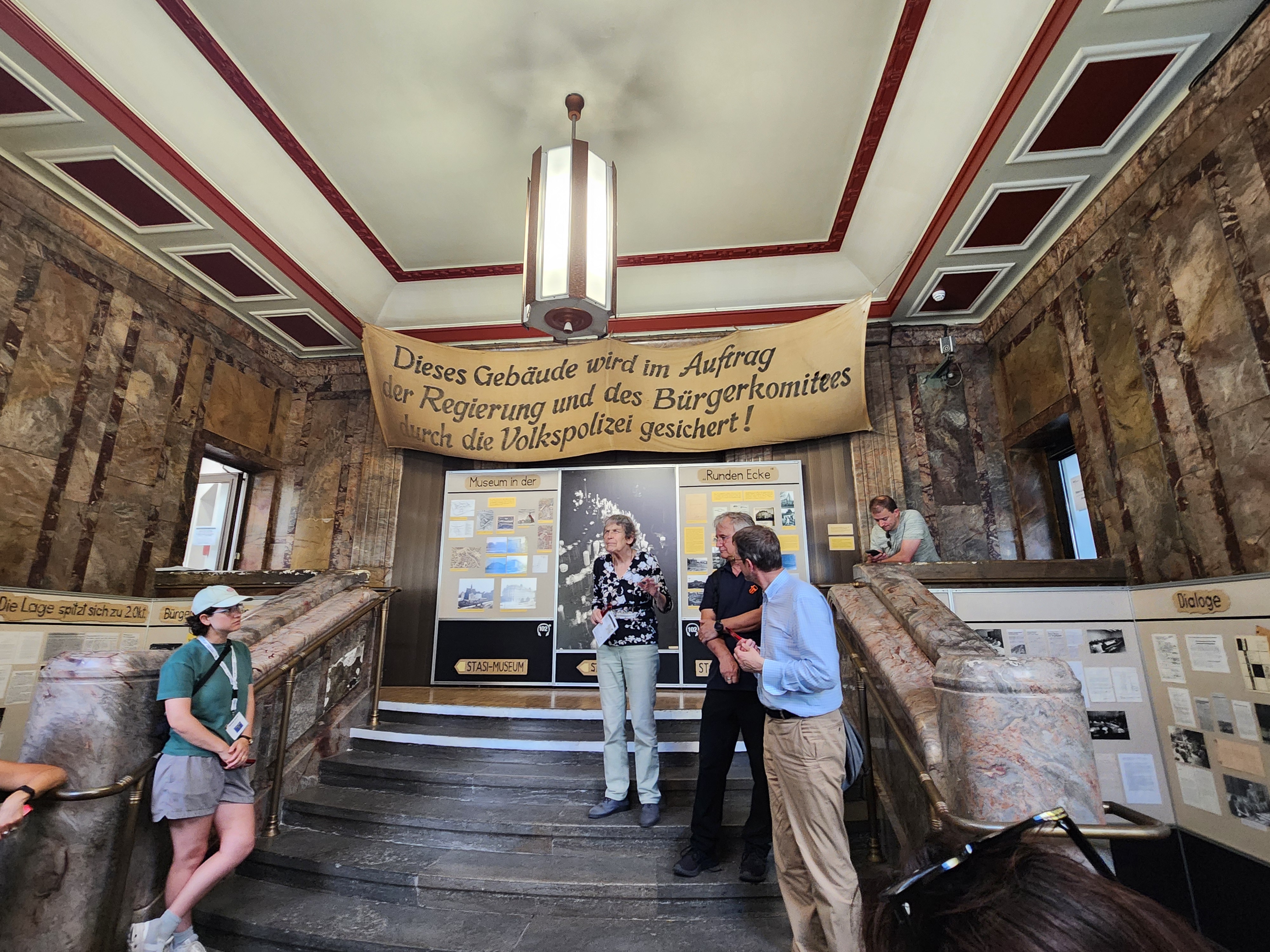
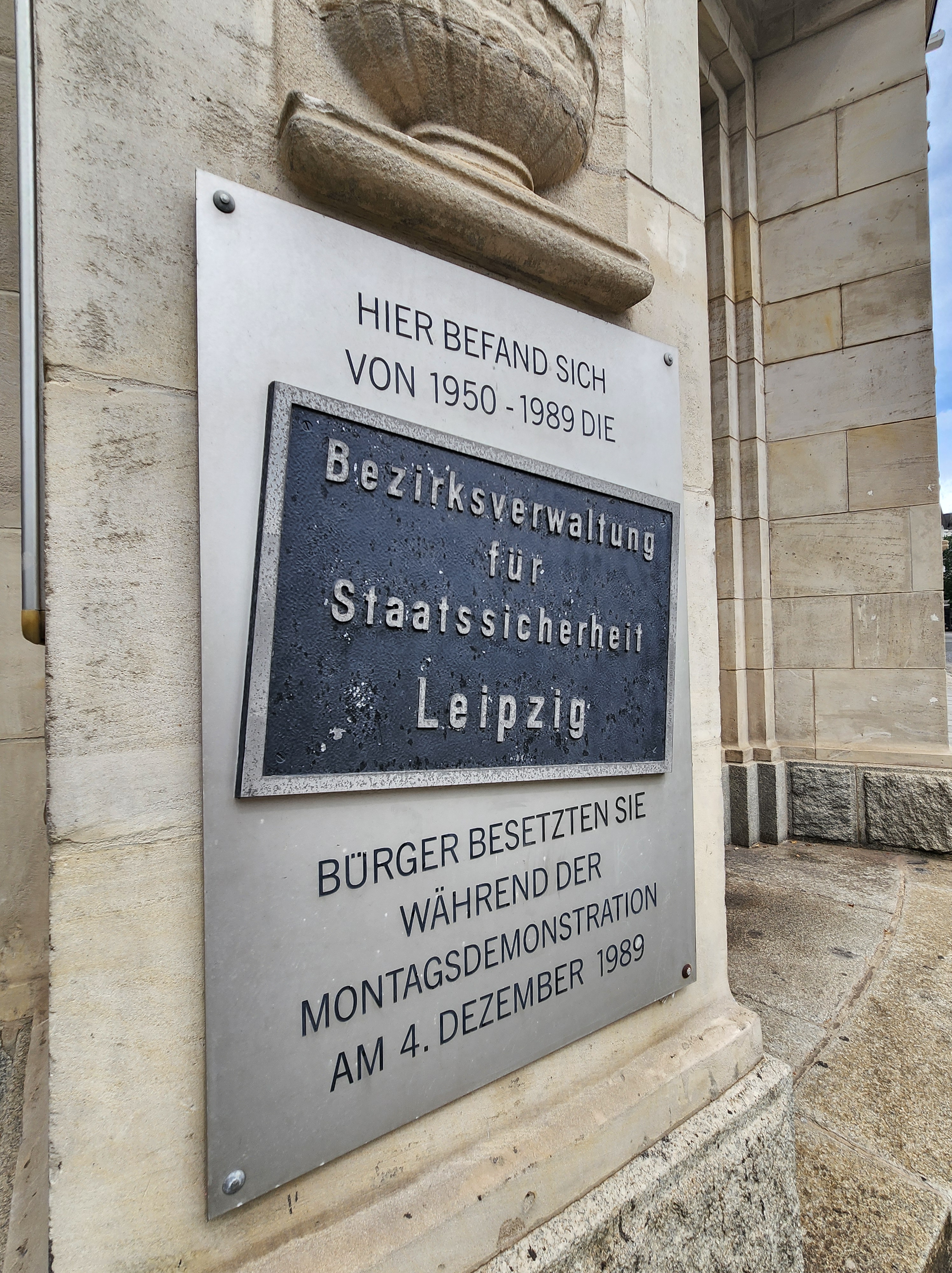
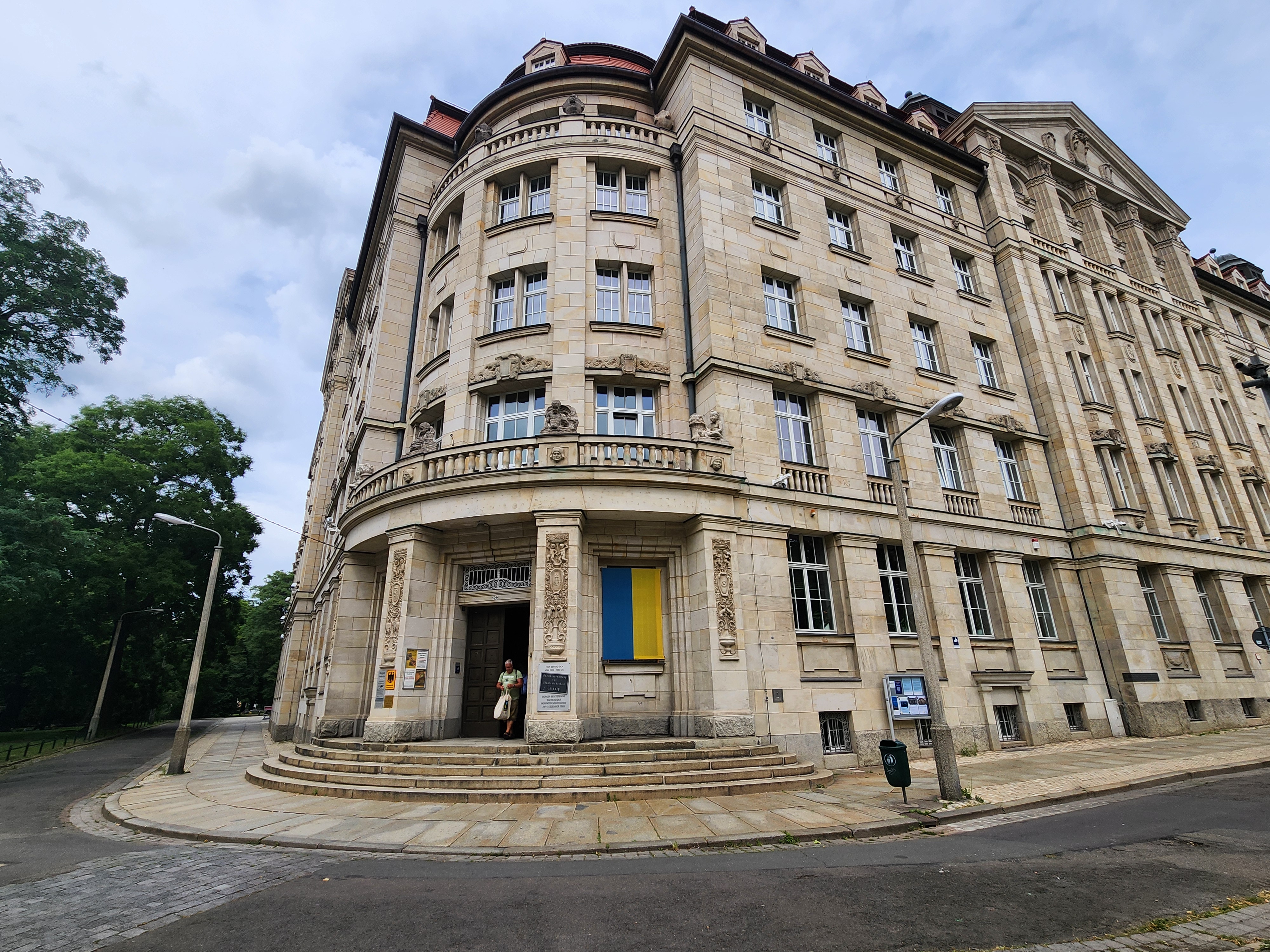
Our first activity after the 3-hour train ride was a visit to the Stasi Museum in a building that was the headquarters of the German SS during World War II, the American Army at the end of the war, the Soviet Red Army briefly, then the GDR’s Stasi secret police during the Cold War. This site was also ground zero for the demonstration that led to the peaceful revolution credited with bringing down the Berlin Wall. The building and nearly everything inside are all original and include the secret recordings and intelligence gathering apparatus employed by the Stasi during the communist era.
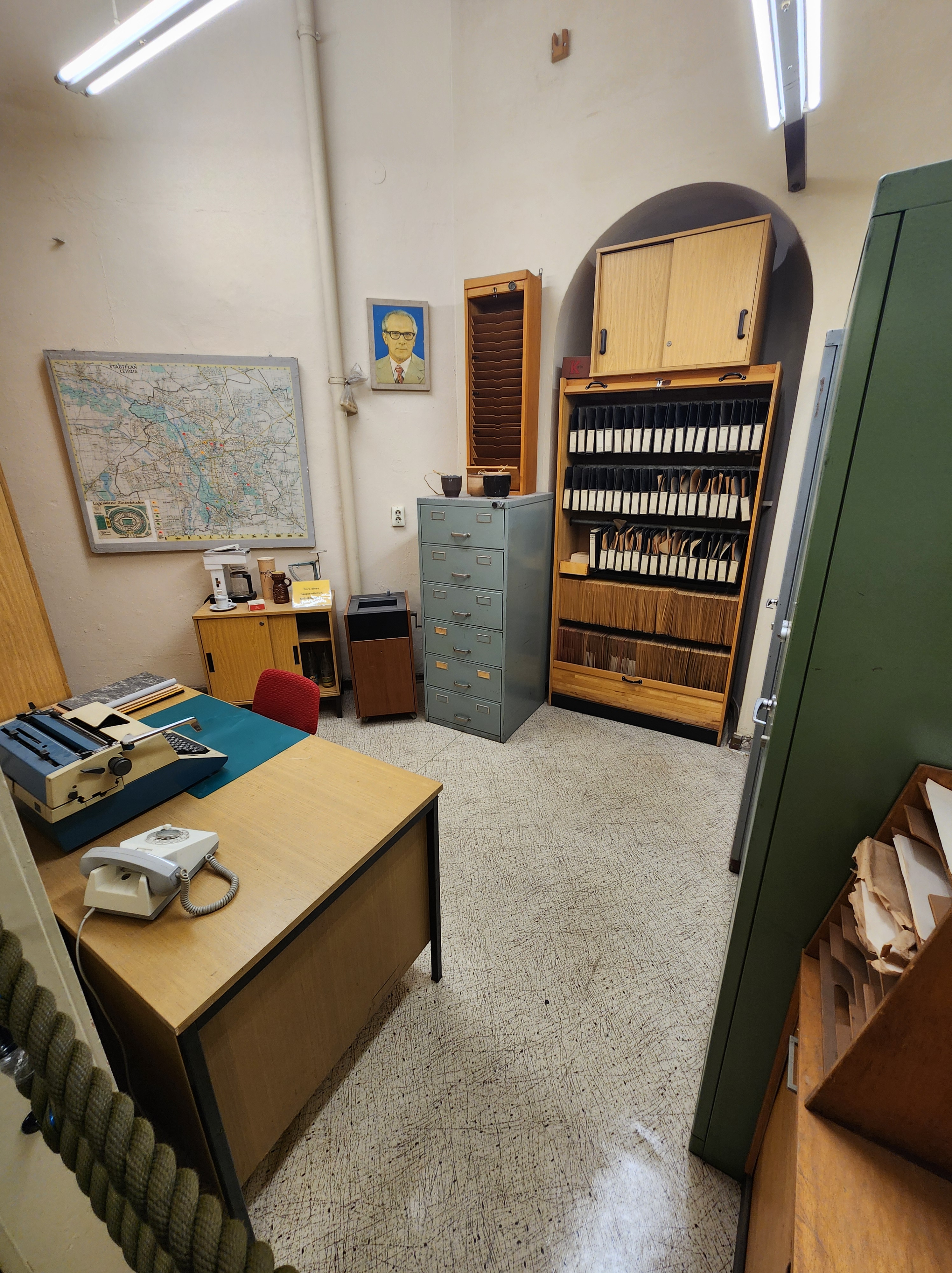
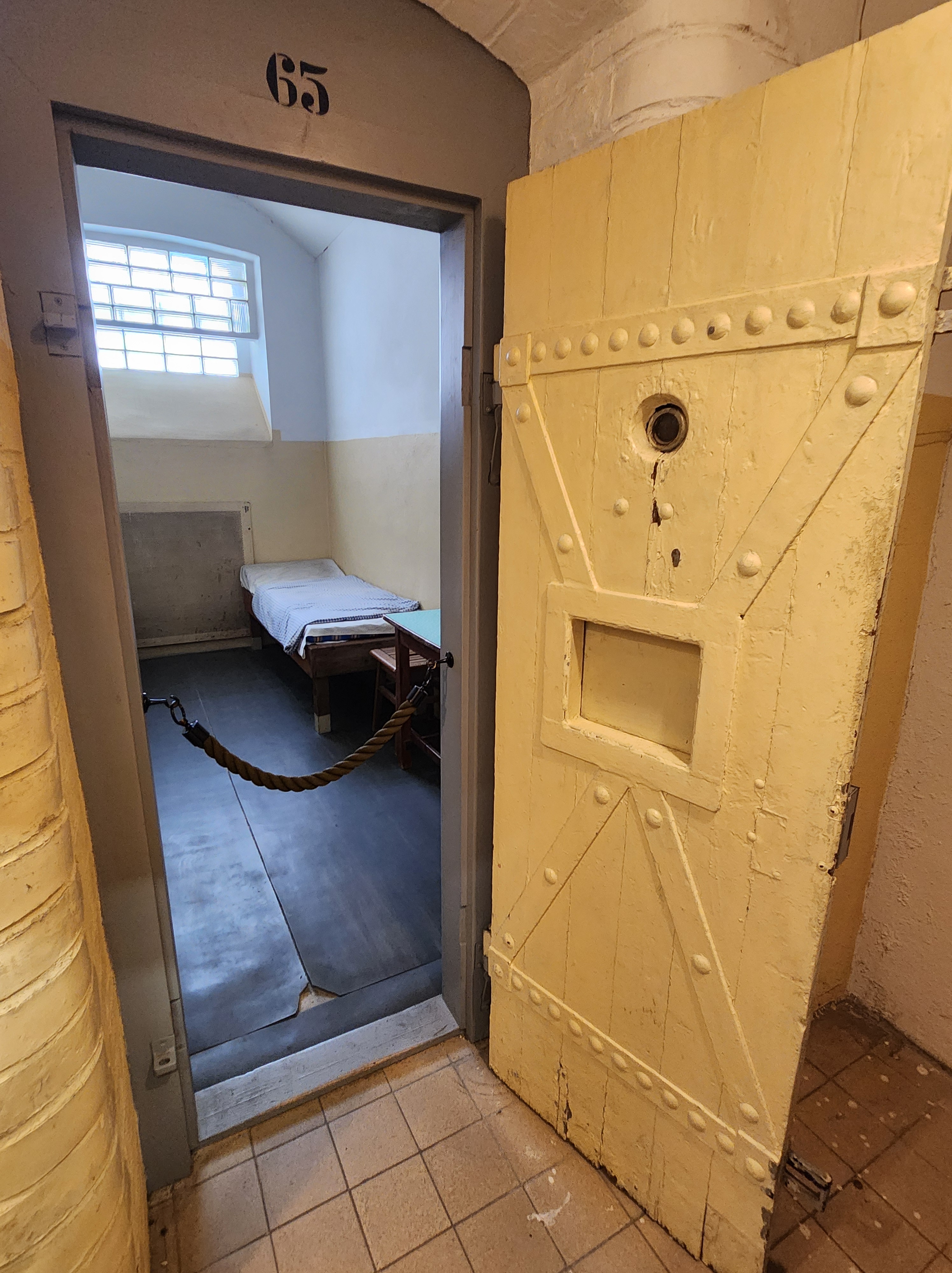
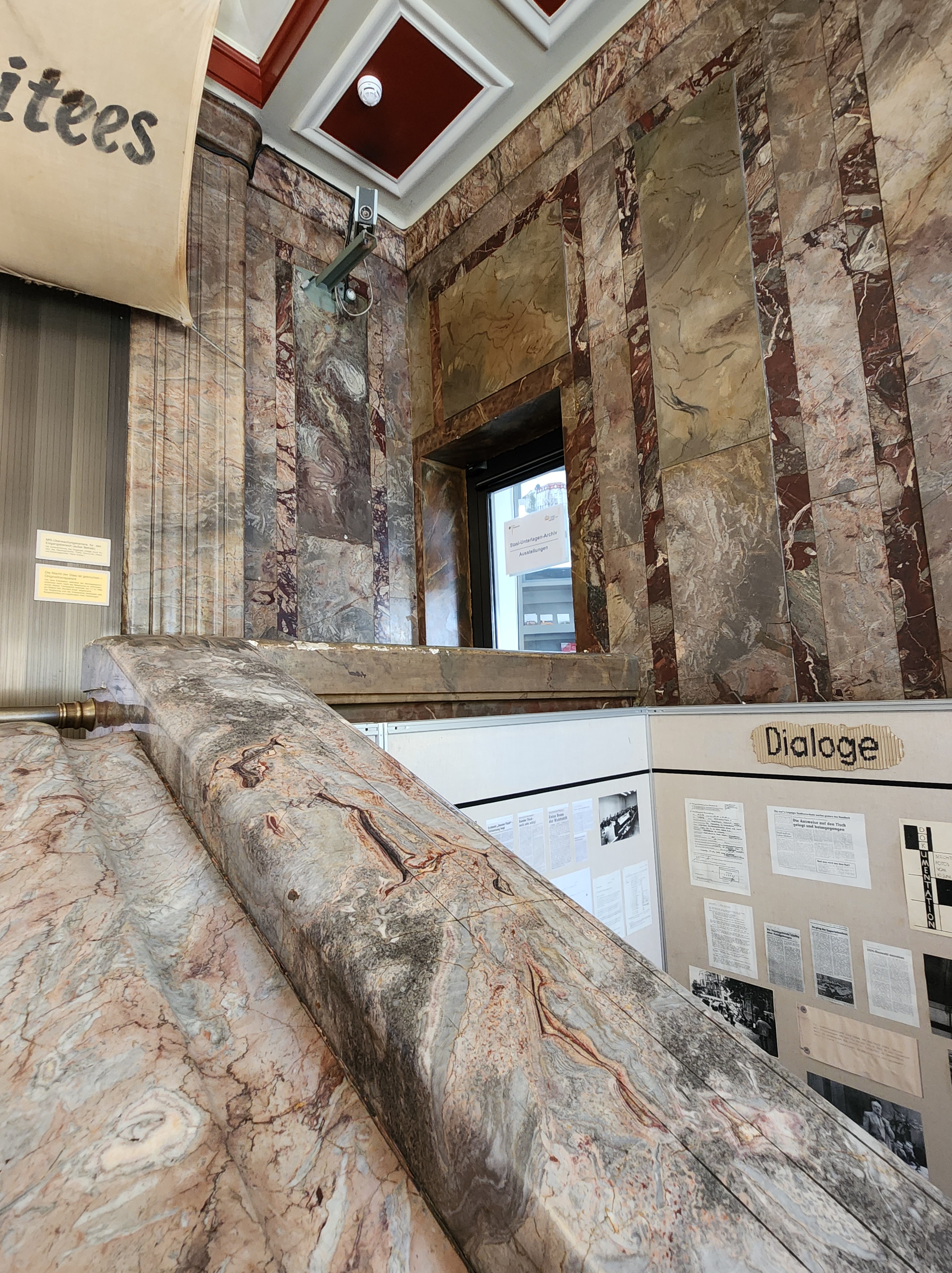
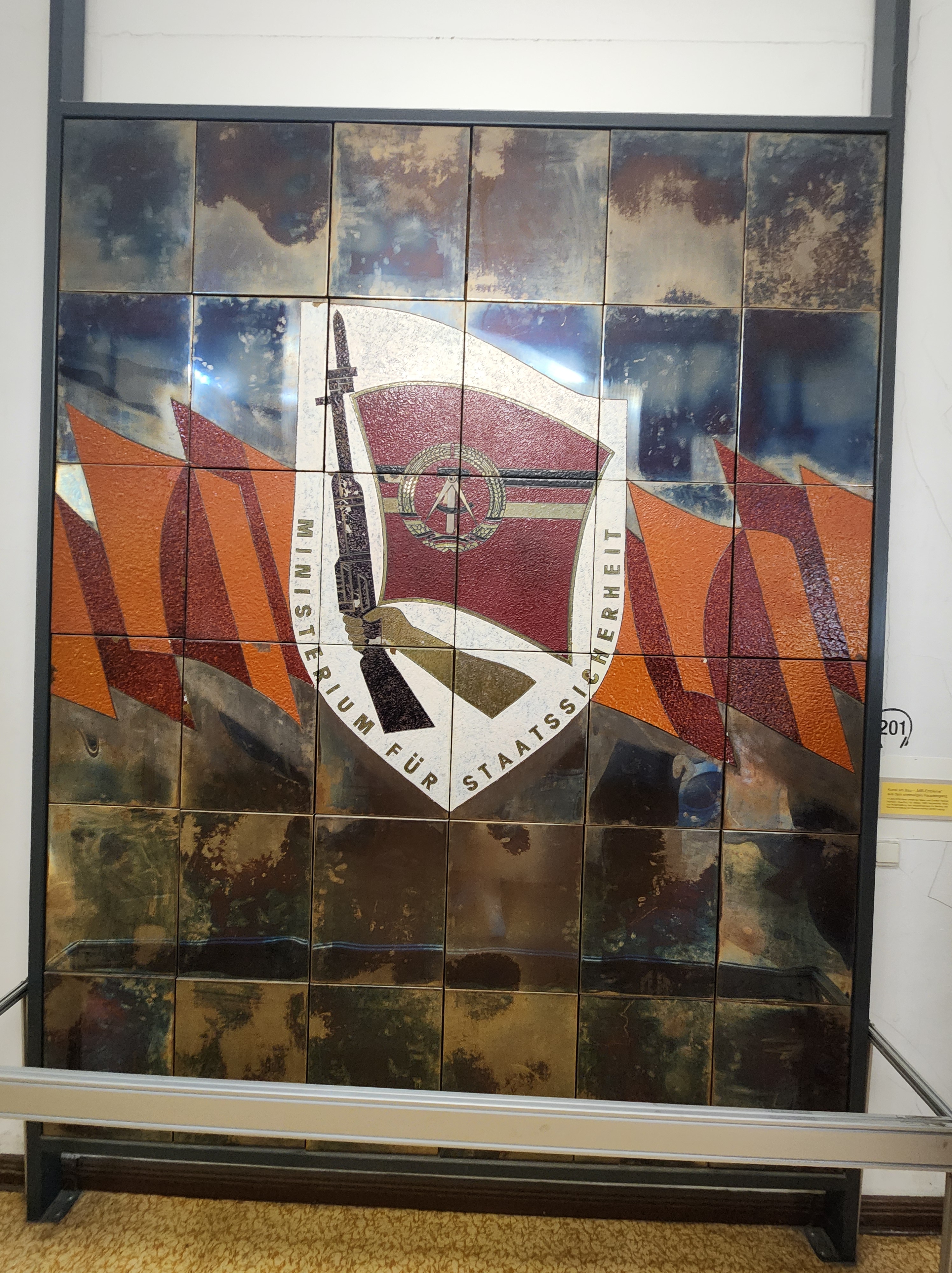
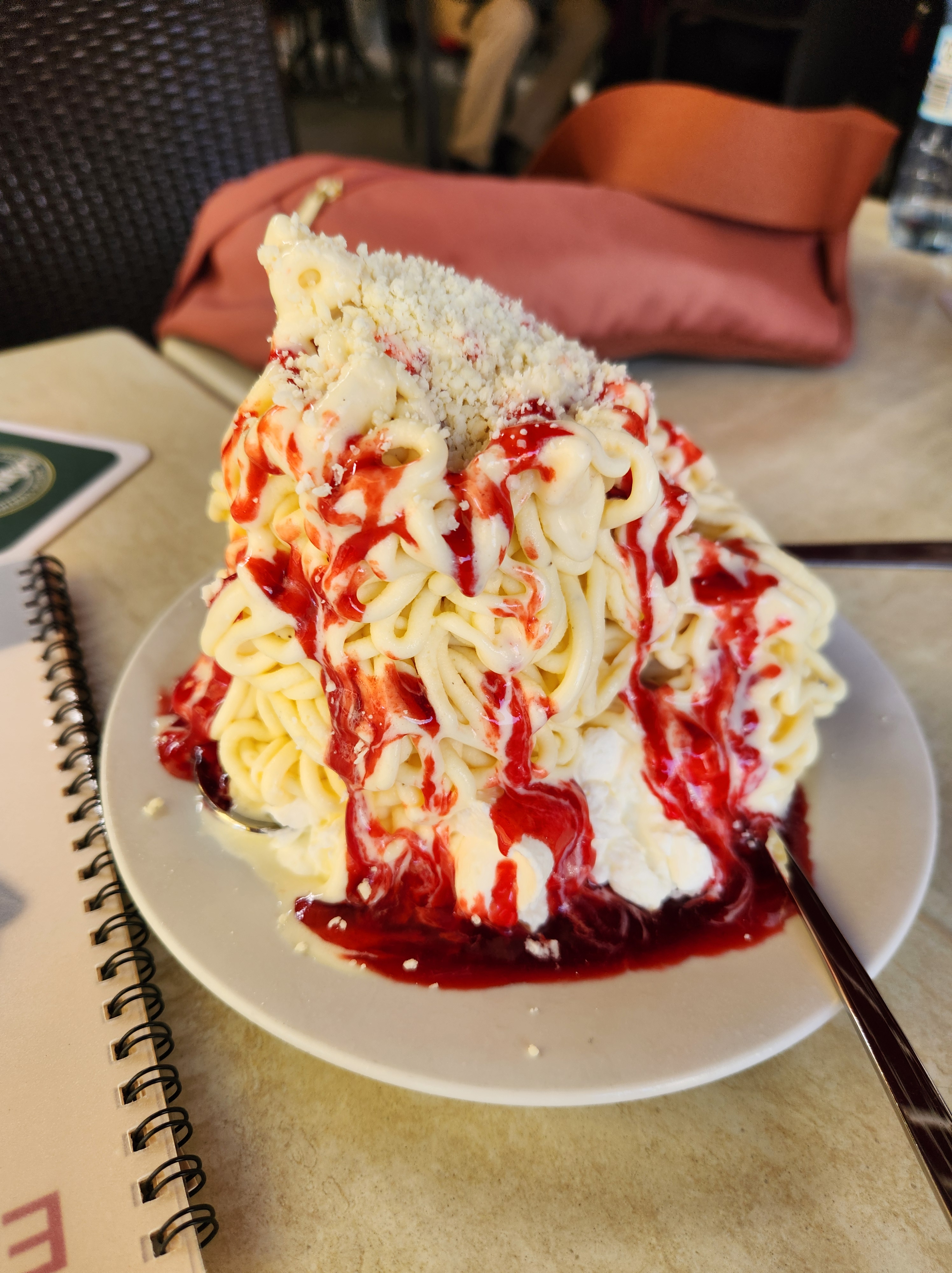
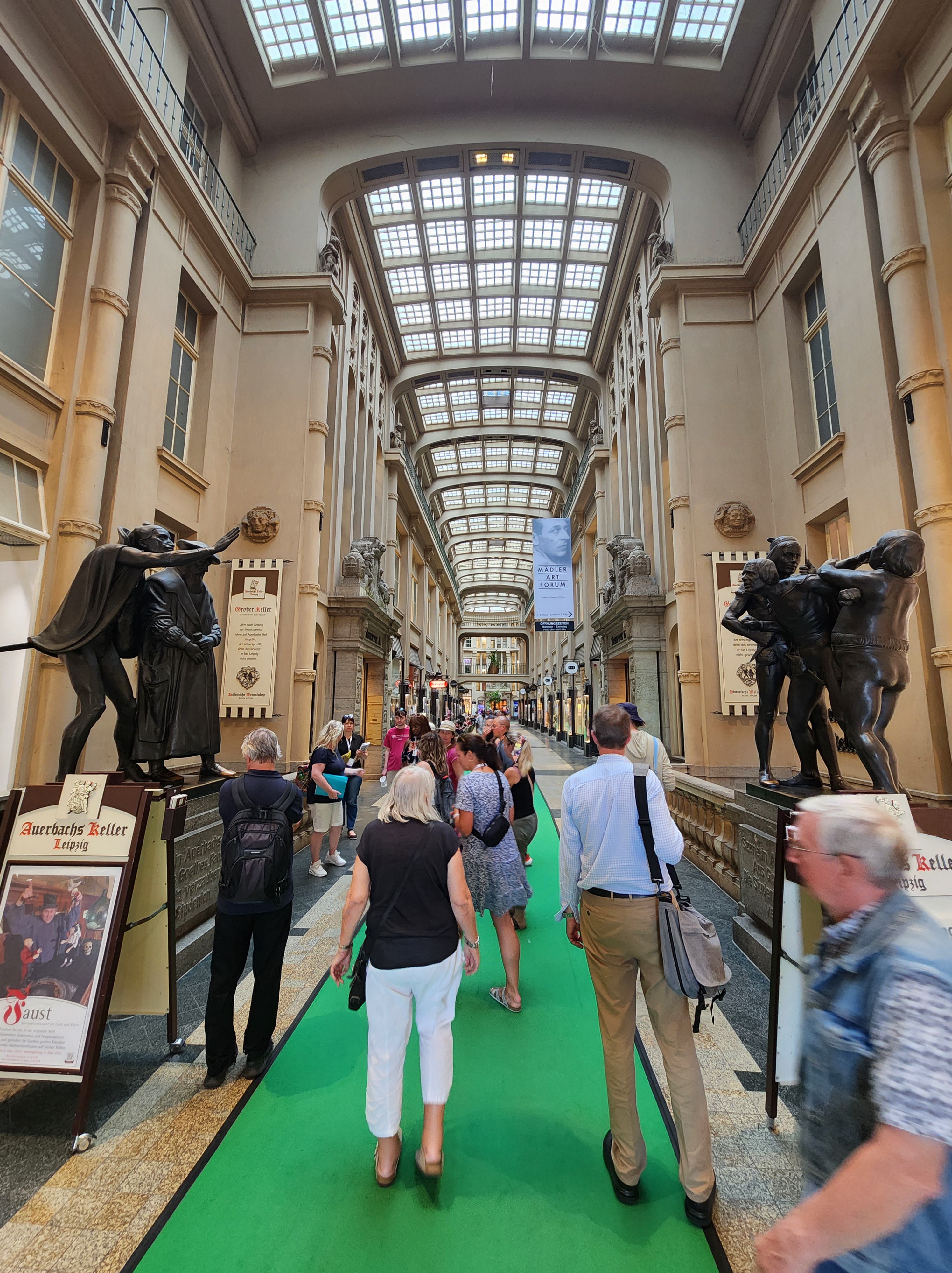
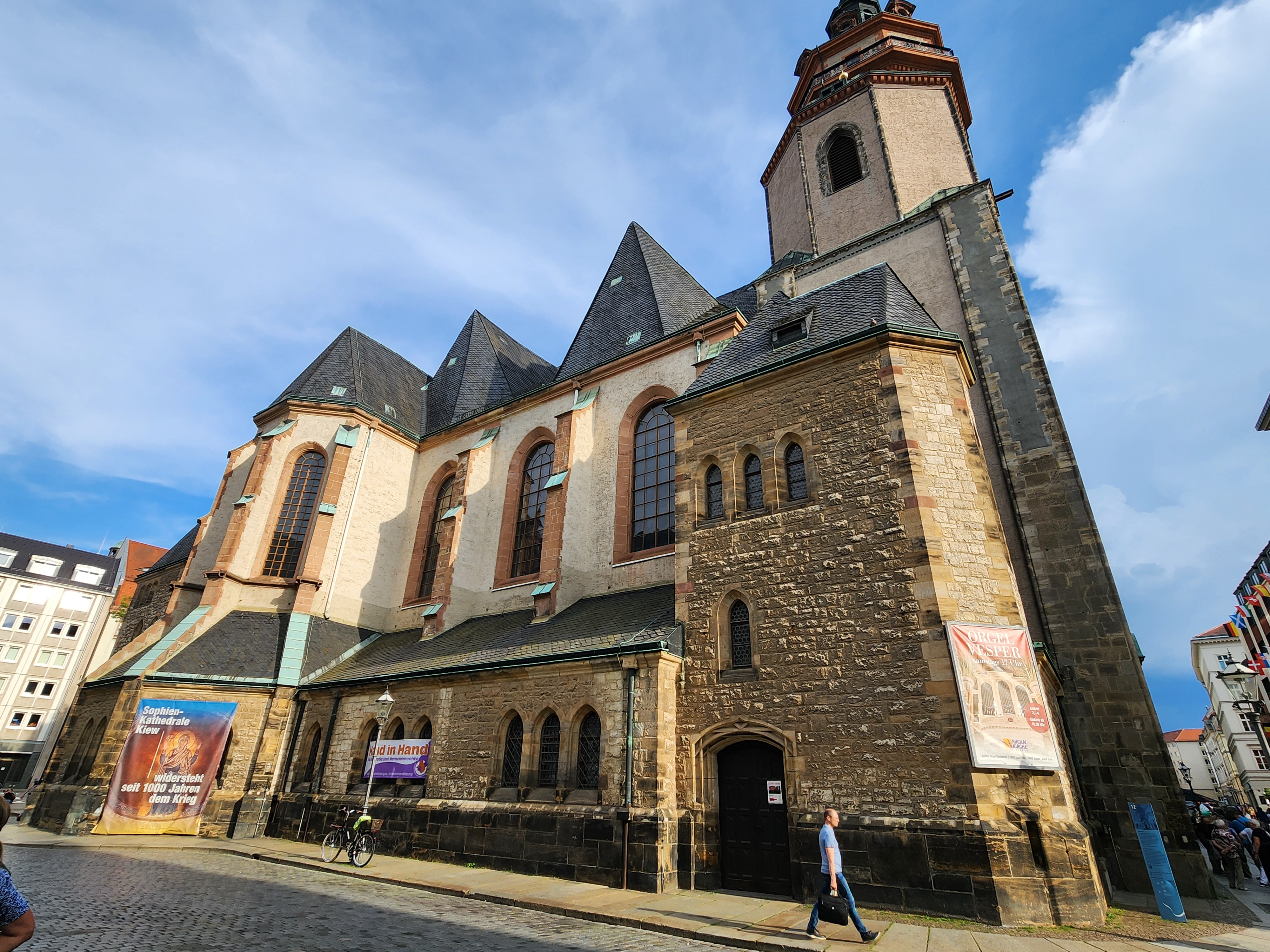
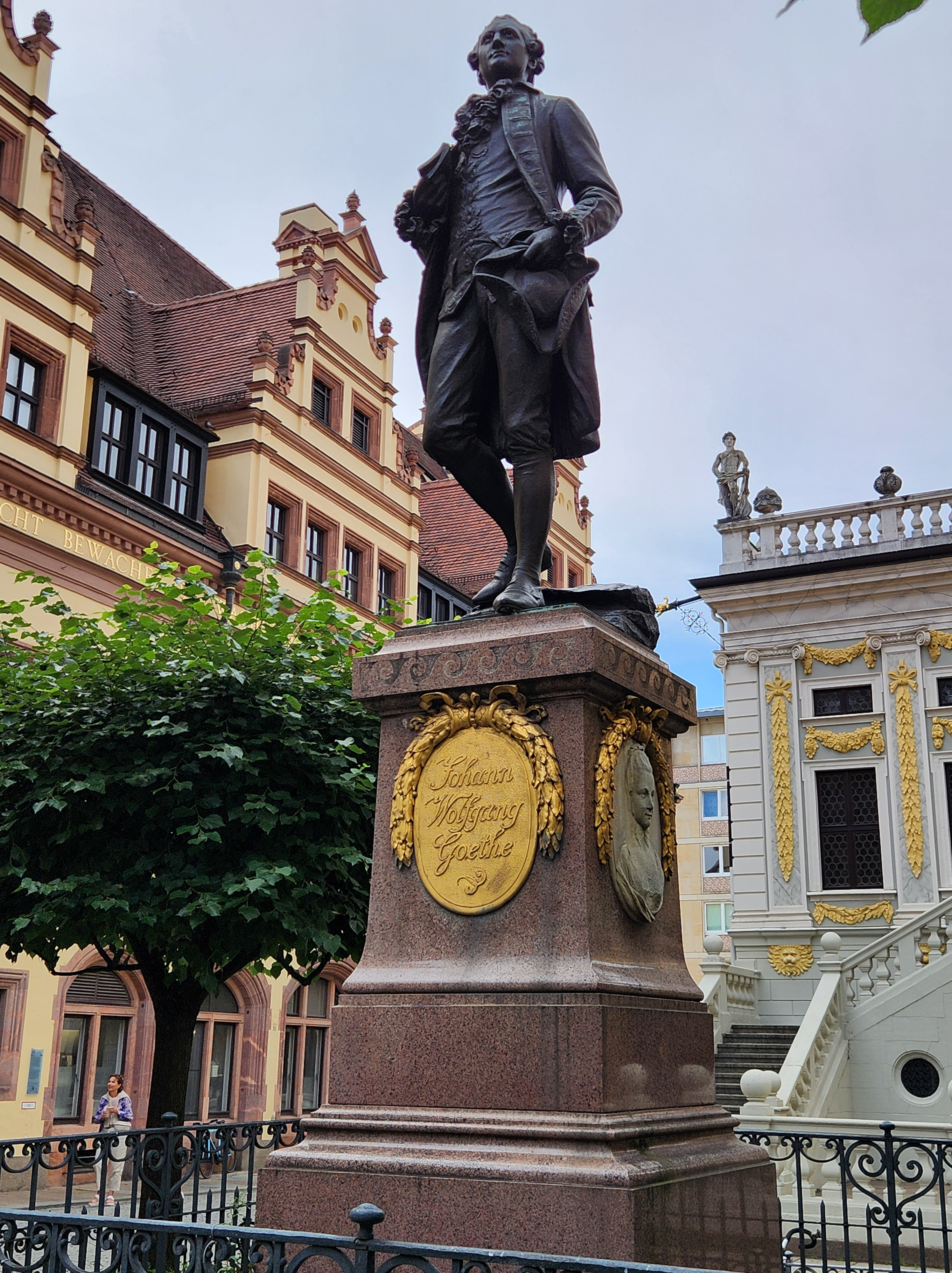
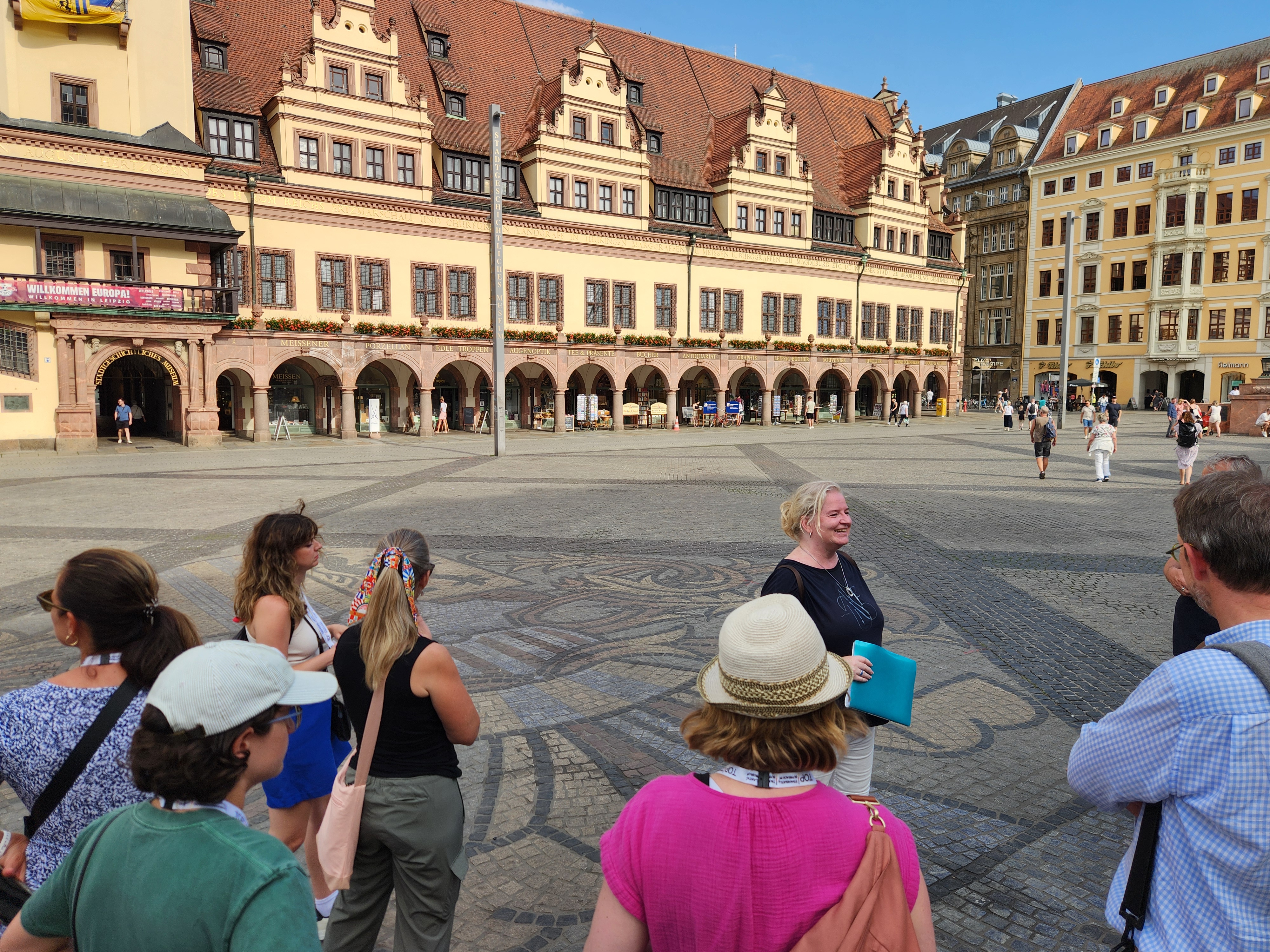
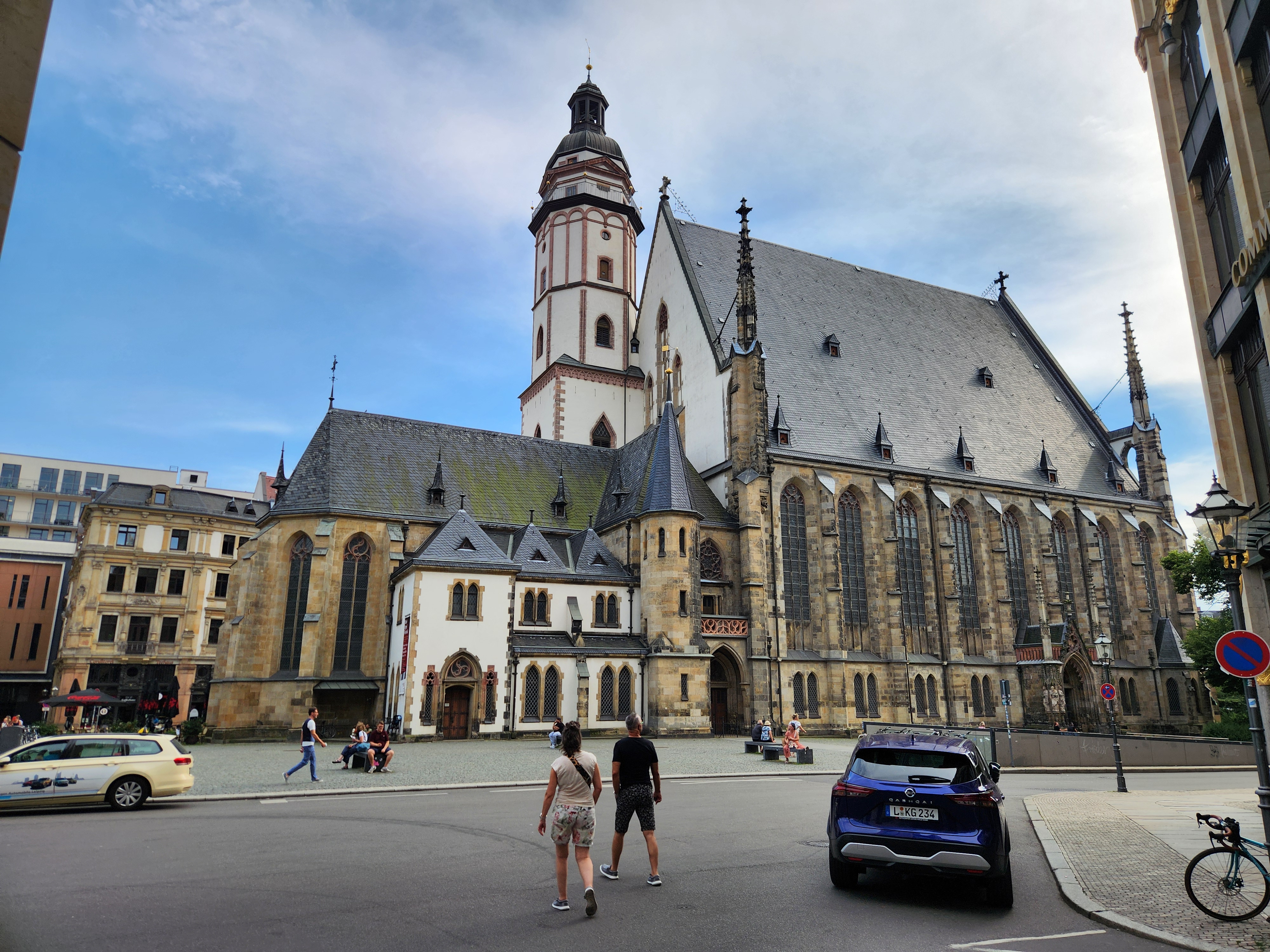
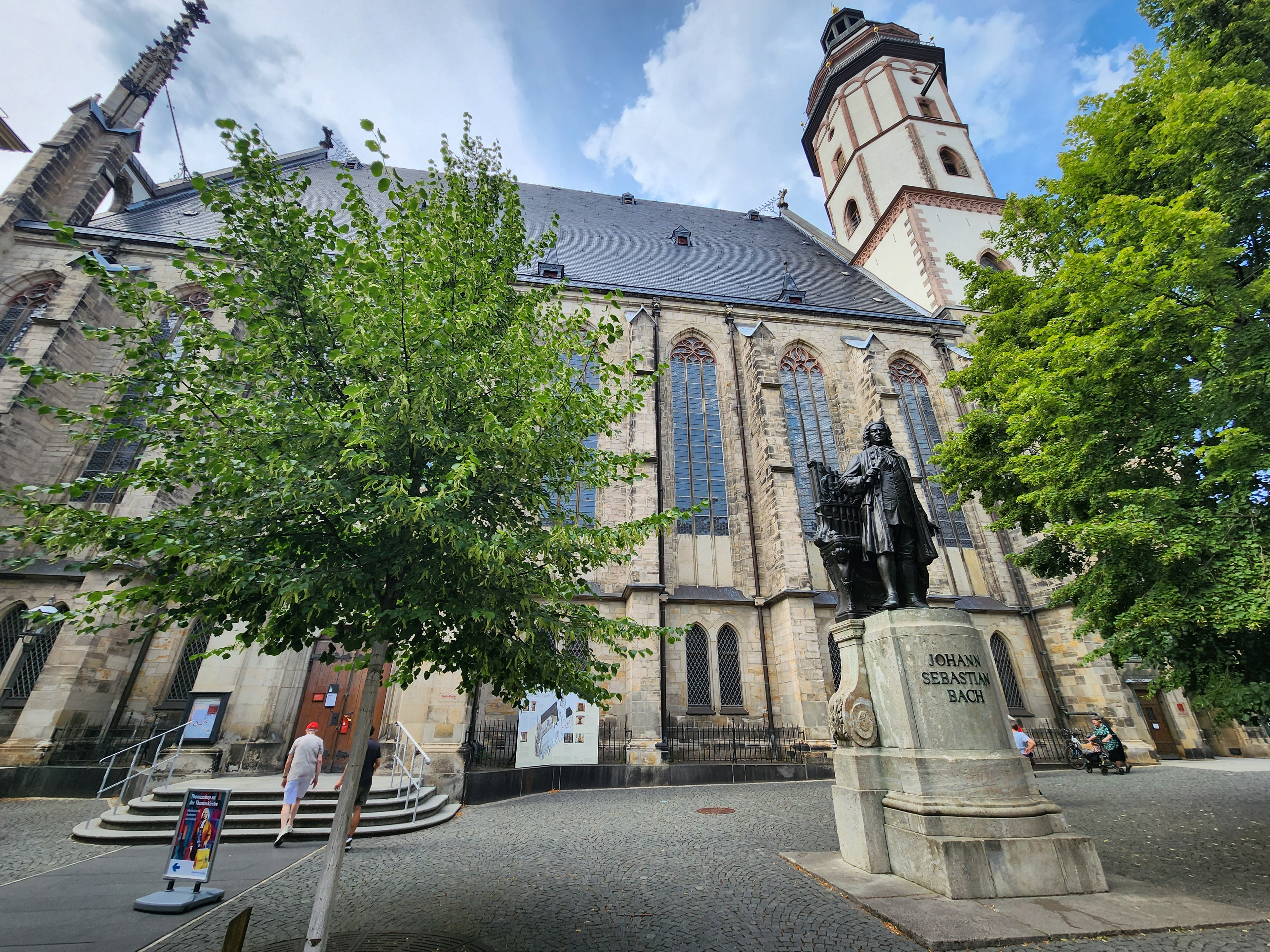
During the walking tour of the city, we got a great deal of information about the unique position of Leipzig within Germany and in Europe which lent itself to a position of power as a medieval trading center. The city is highly cultured and home to more than its share of classical composers including Bach and Mendelssohn. Bach was even the cantor (musical director) at St. Thomas’s Church for his last 27 years, hence the statue out front! We even found a statue of the namesake for TOP’s Goethe Institut, Johann Wolfgang von Goethe. There was also a brief stop for some of the city’s famous spaghetti ice cream!
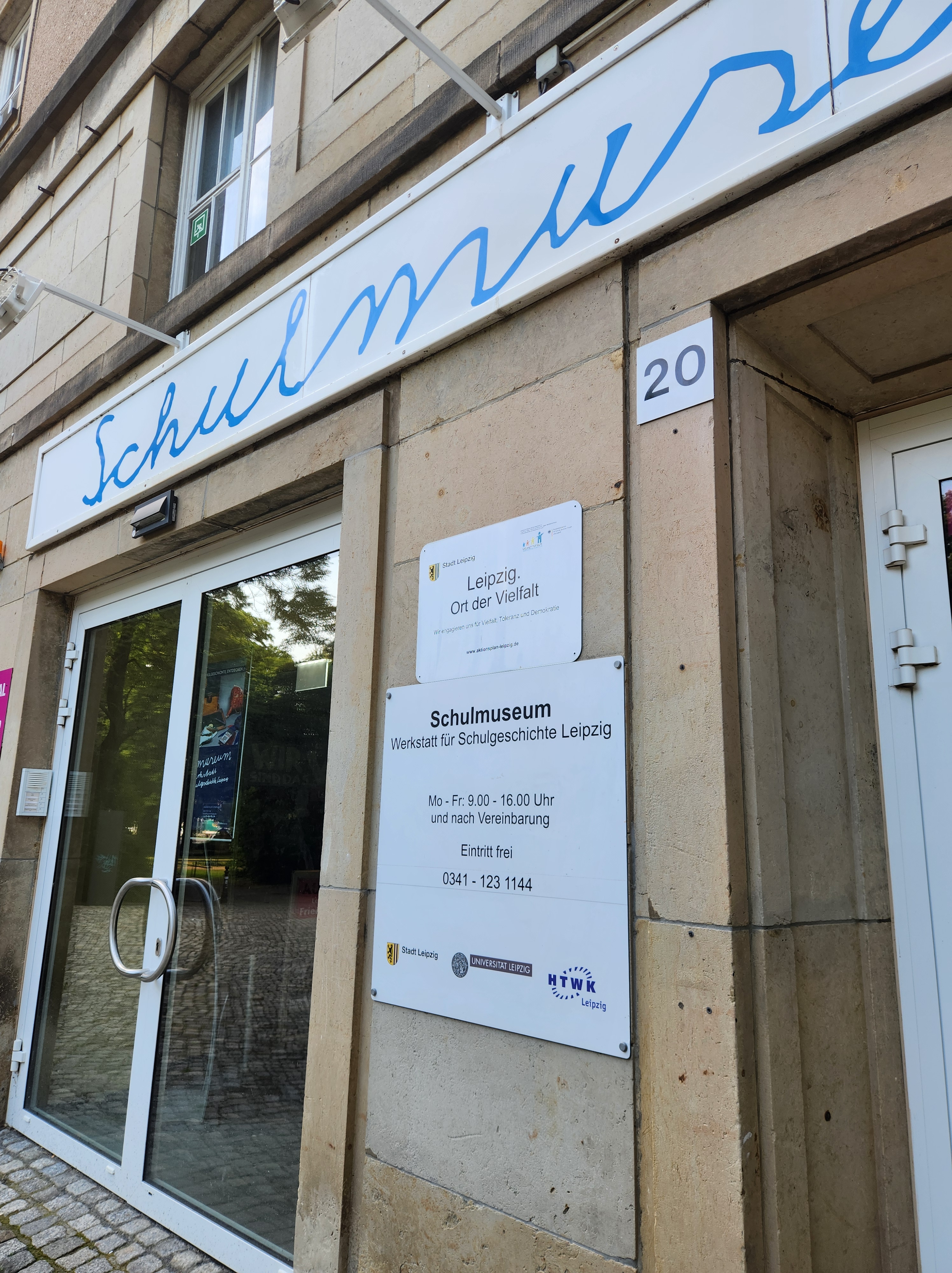
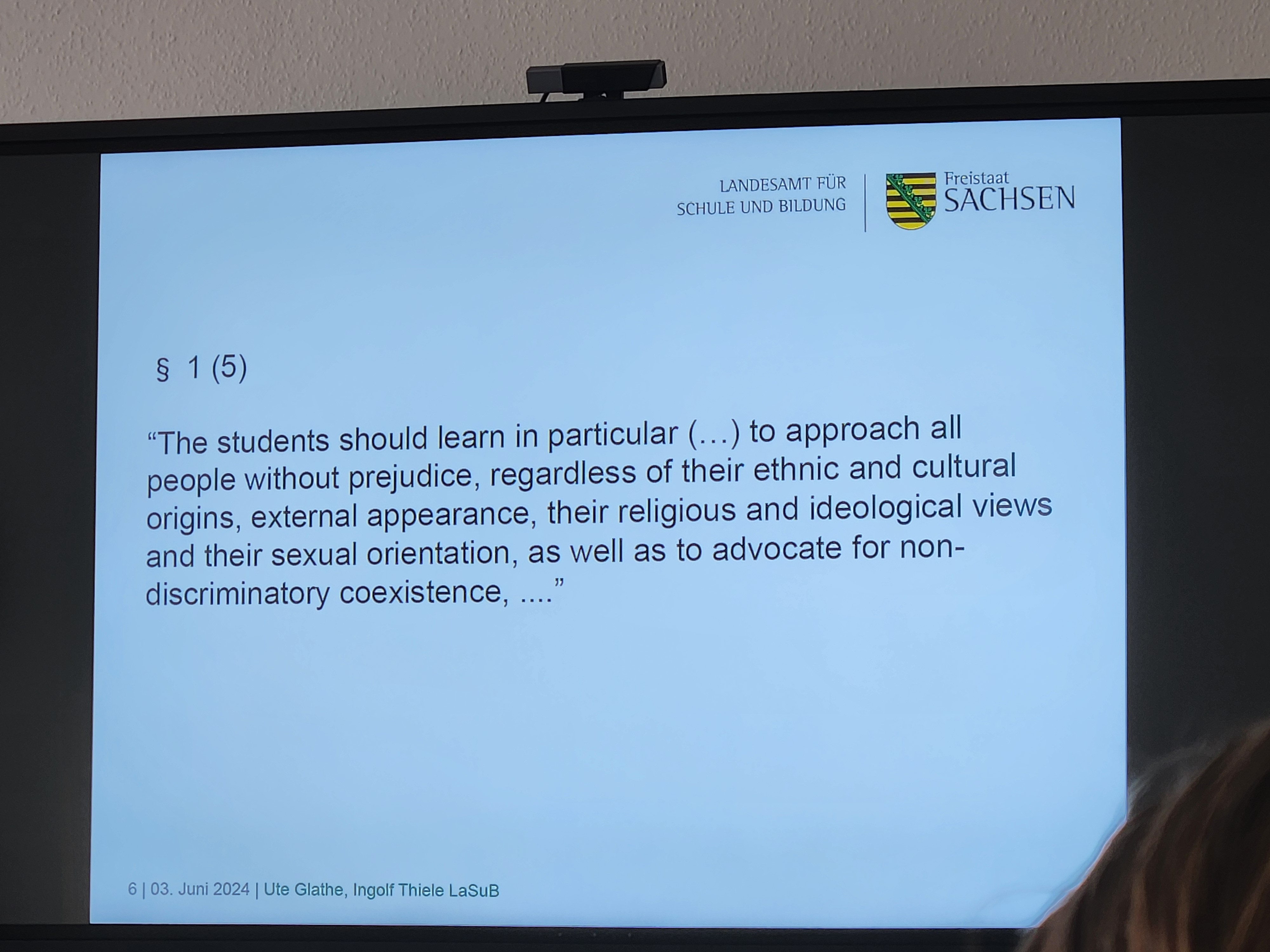
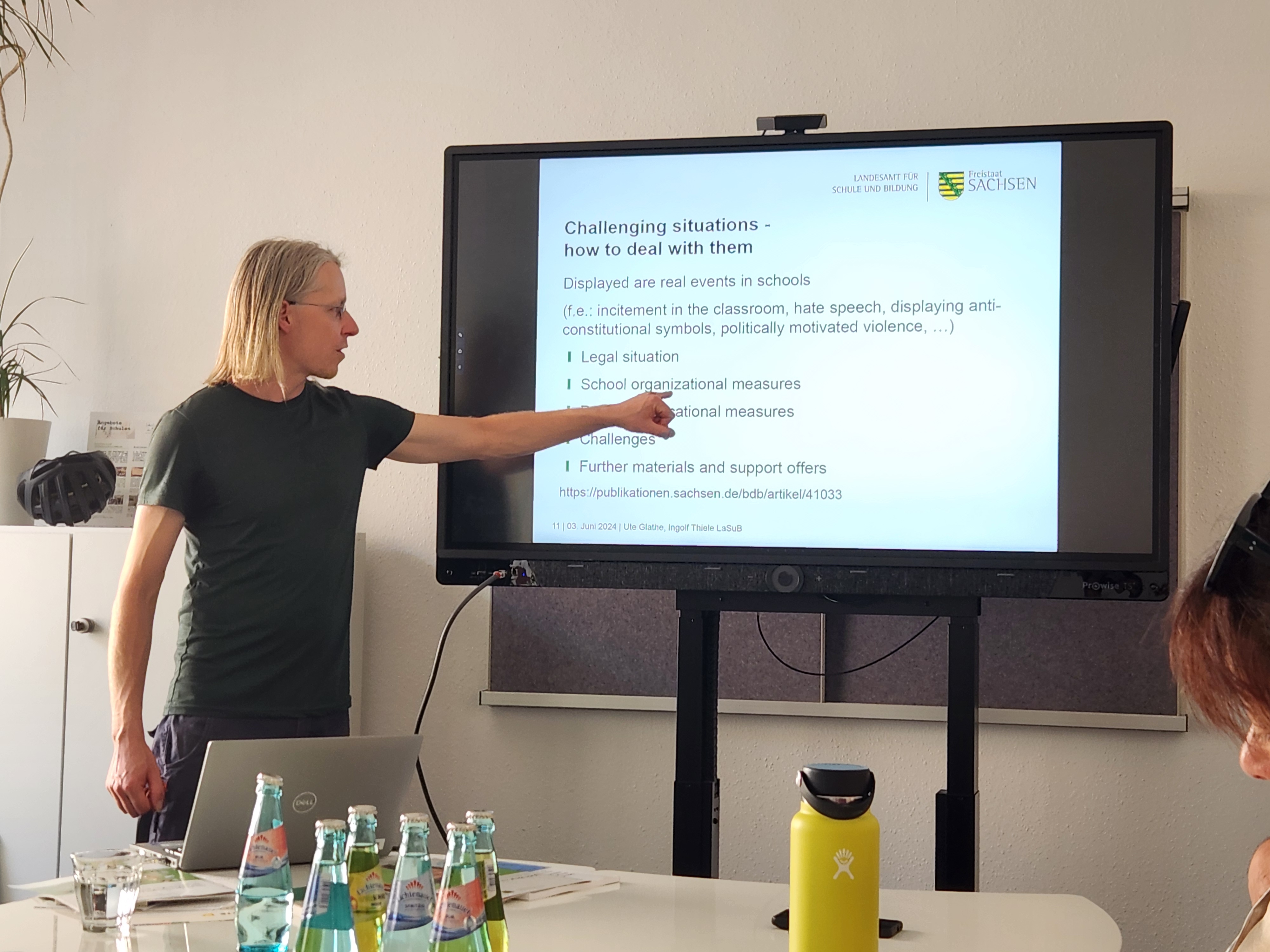
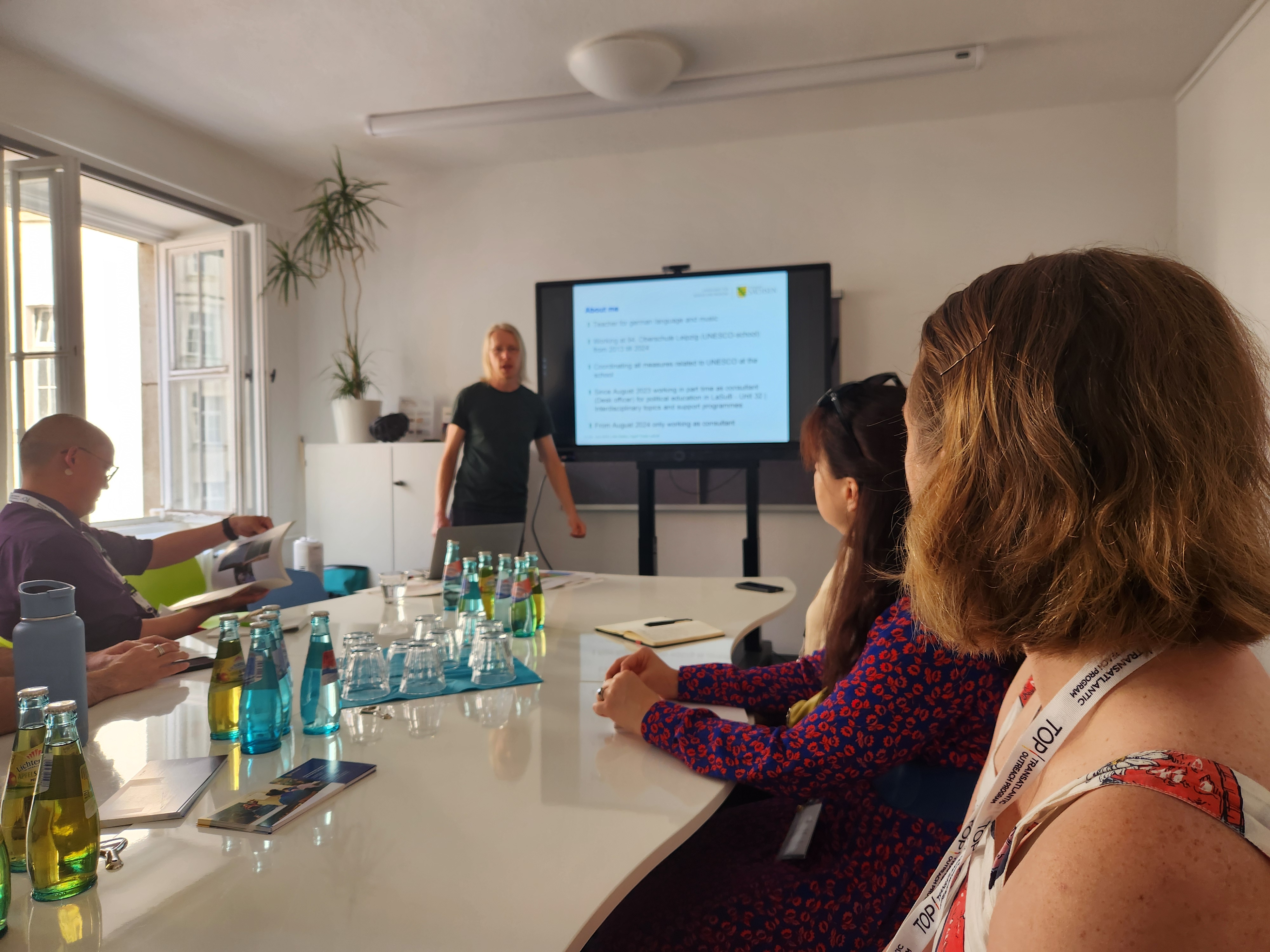
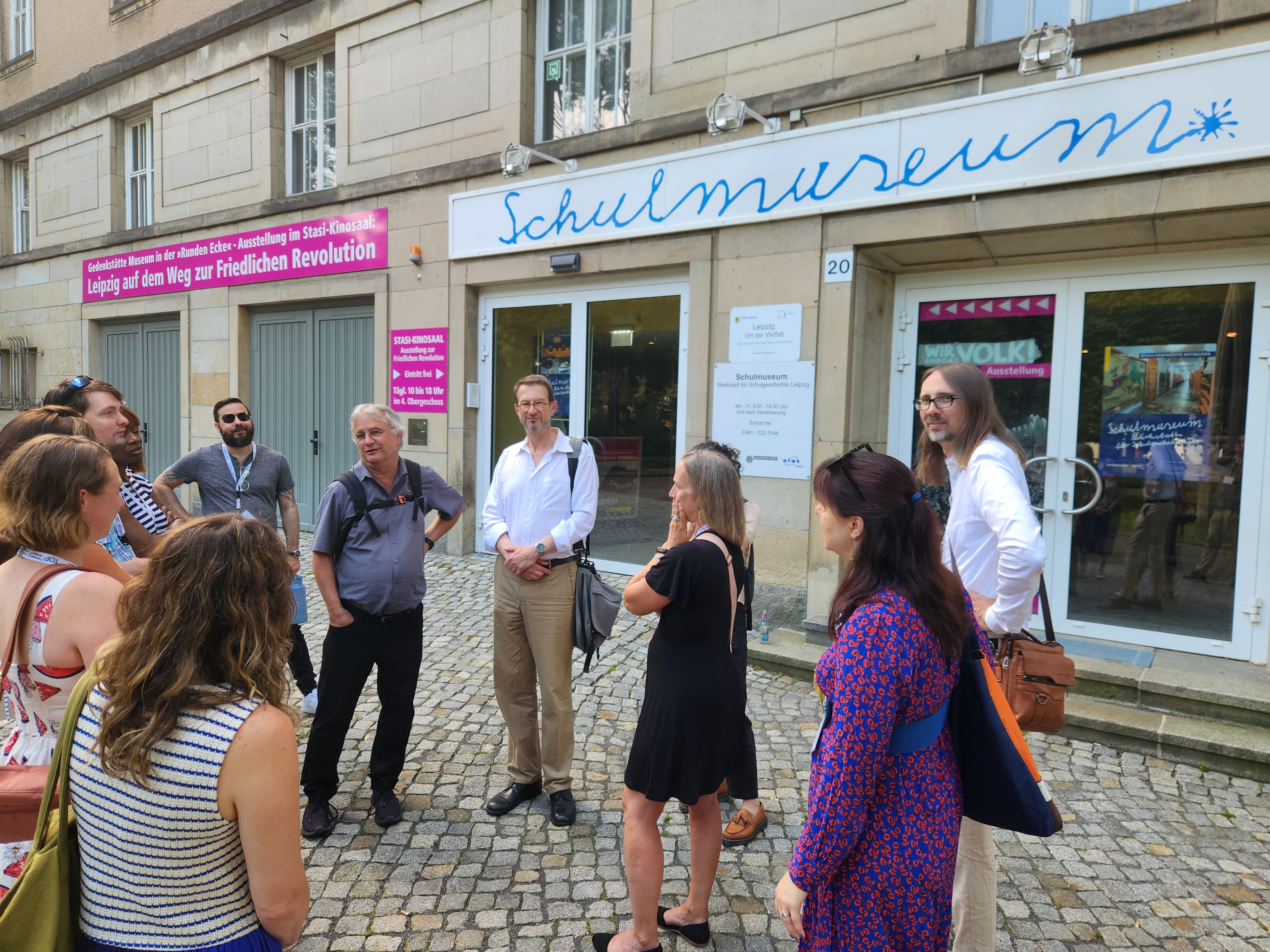
We visited the Schulemuseum (school museum) and had a presentation from a teacher who gave us further insight into what education is like in the state of Saxony. He detailed the emphasis in German schools on tolerance, reverence for the environment, honor for humanity, social responsibility, cooperation, and upholding Democratic values. Of utmost importance is that students make up their own minds without indoctrination and that nothing done in the schools goes against the constitution. Teachers are obligated to take a political stance that promotes Democracy and have open discourse about politics and candidates in class. In addition, teachers must speak out against all hate discrimination, disrespect for any person, and all things unconstitutional. “Strong teachers make strong students.”
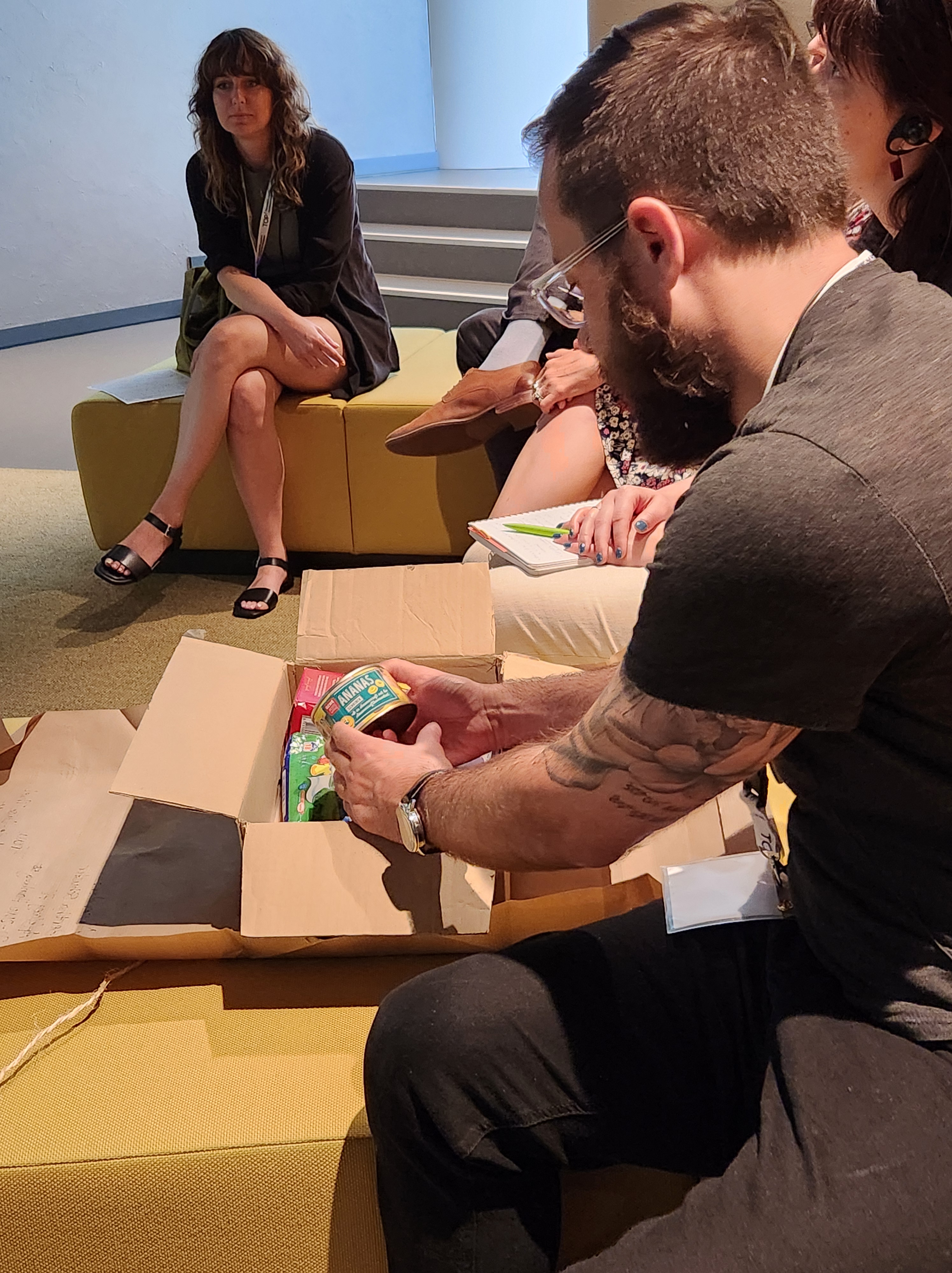
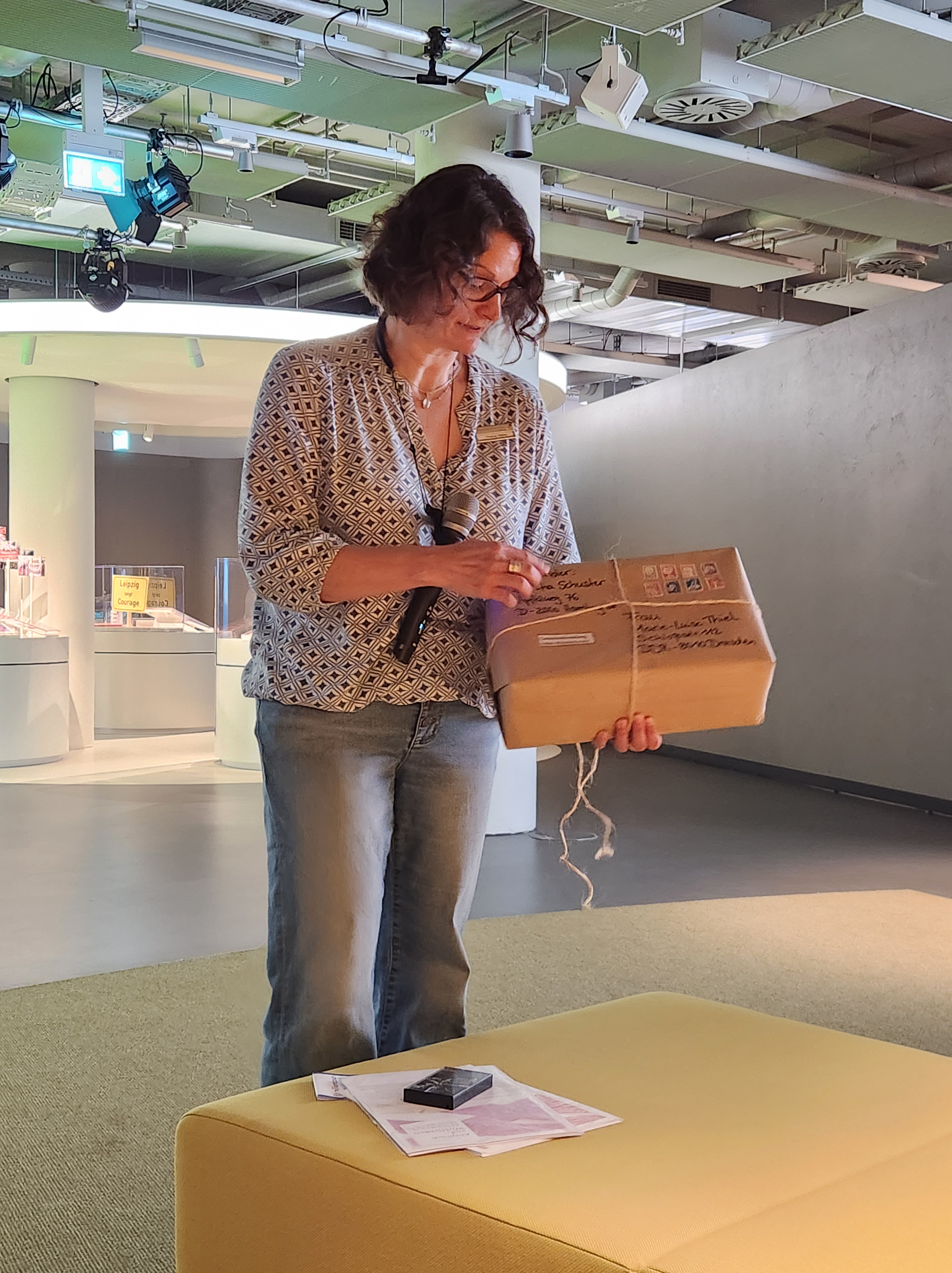
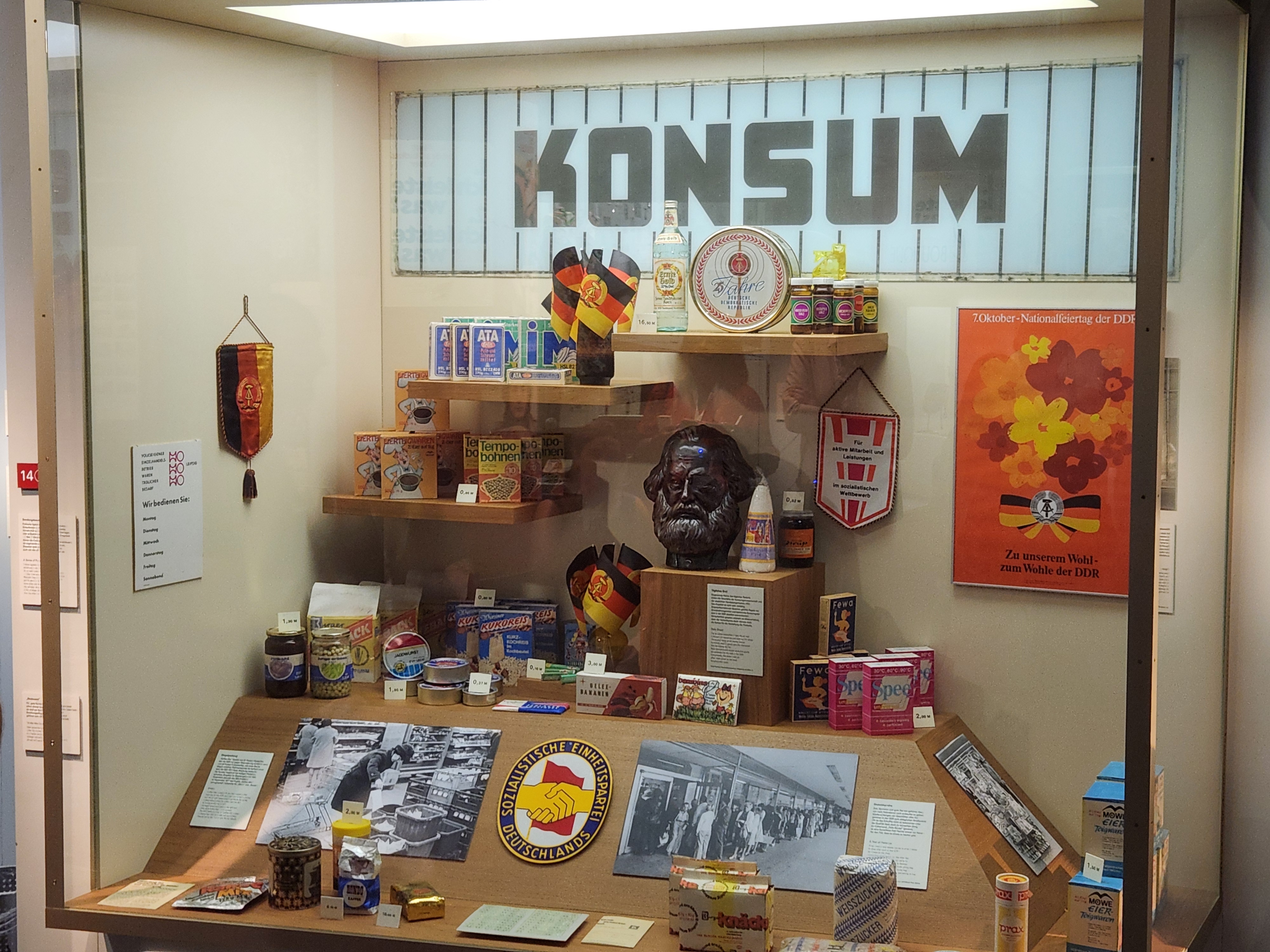
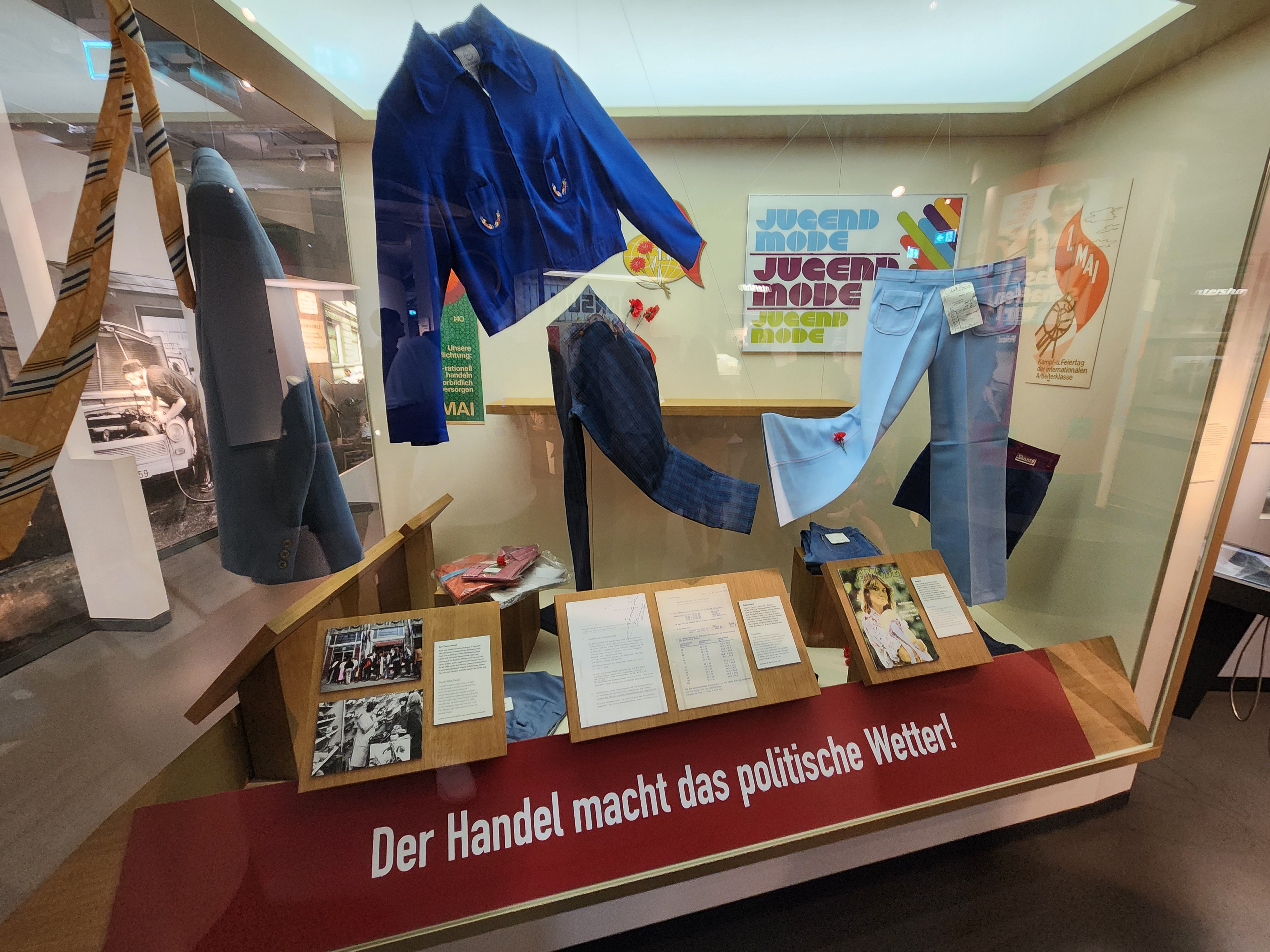
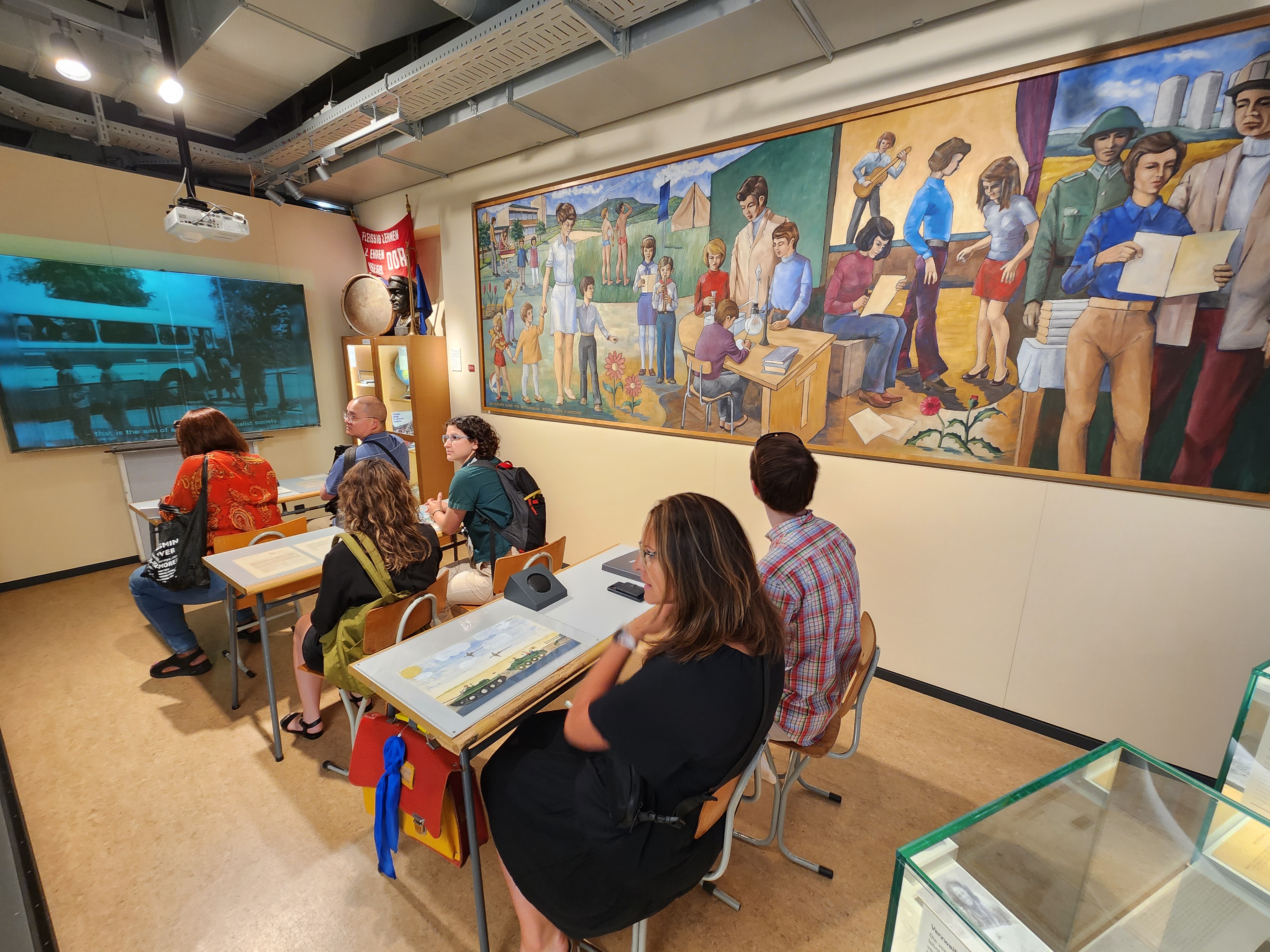
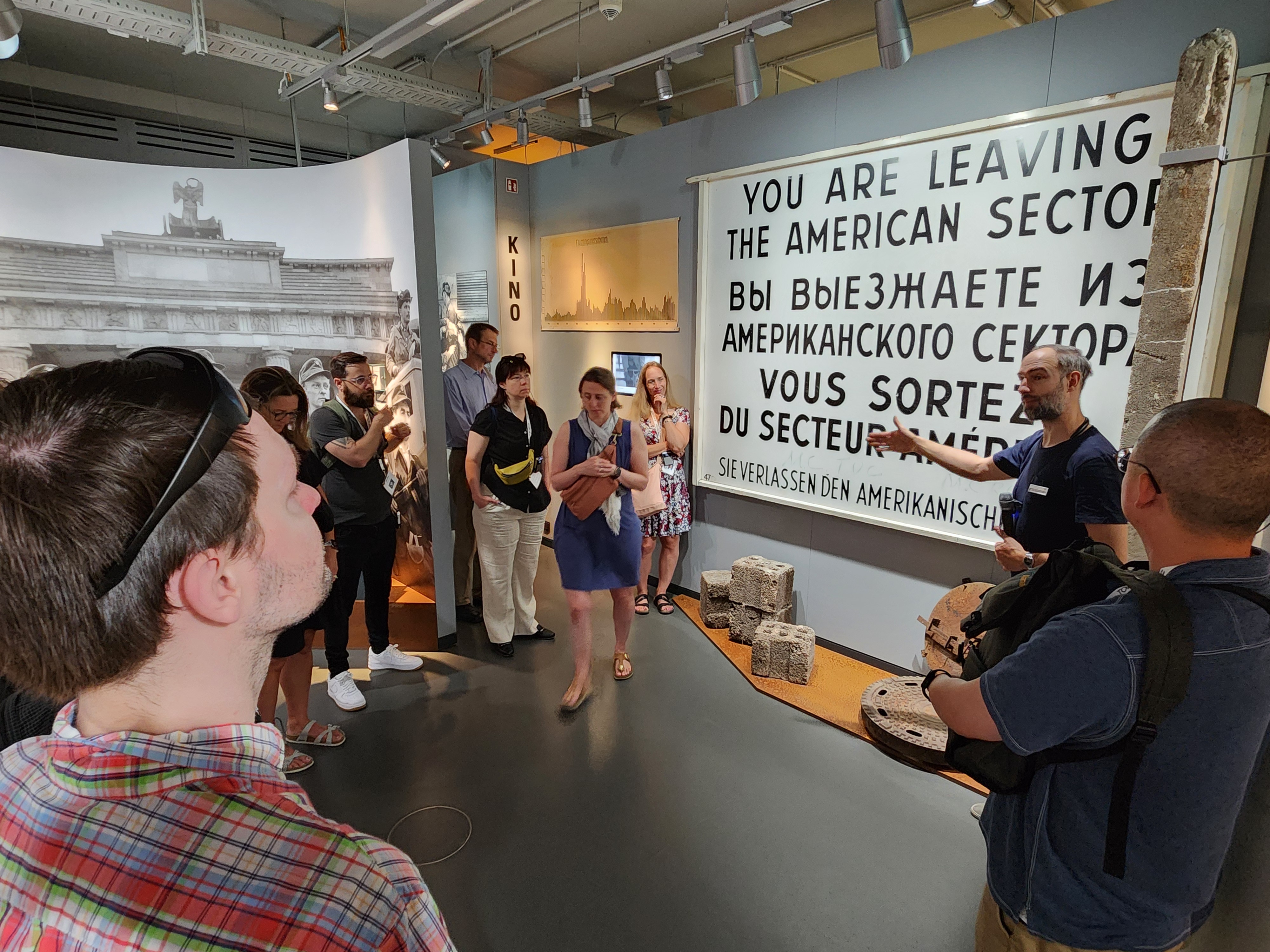
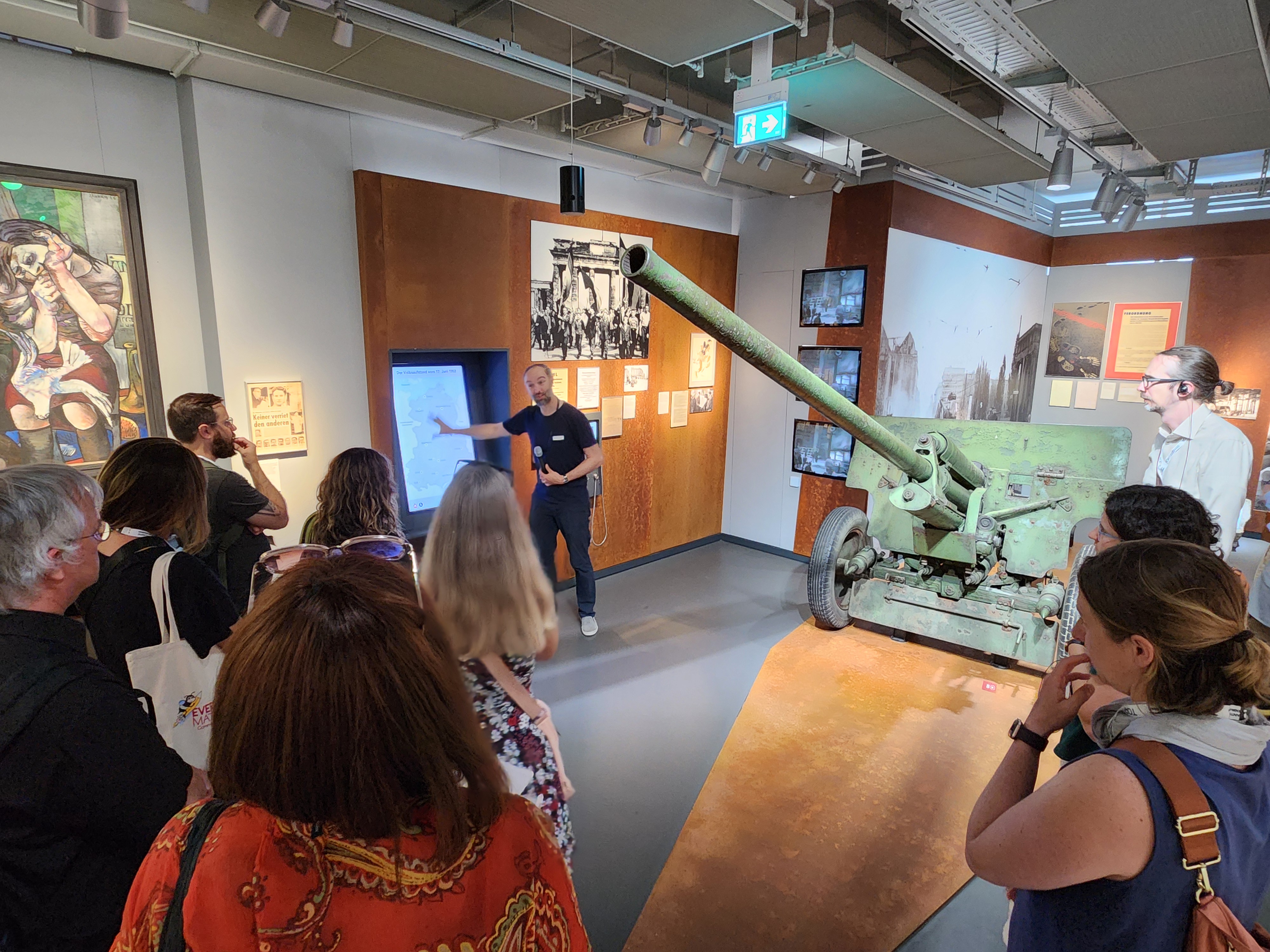
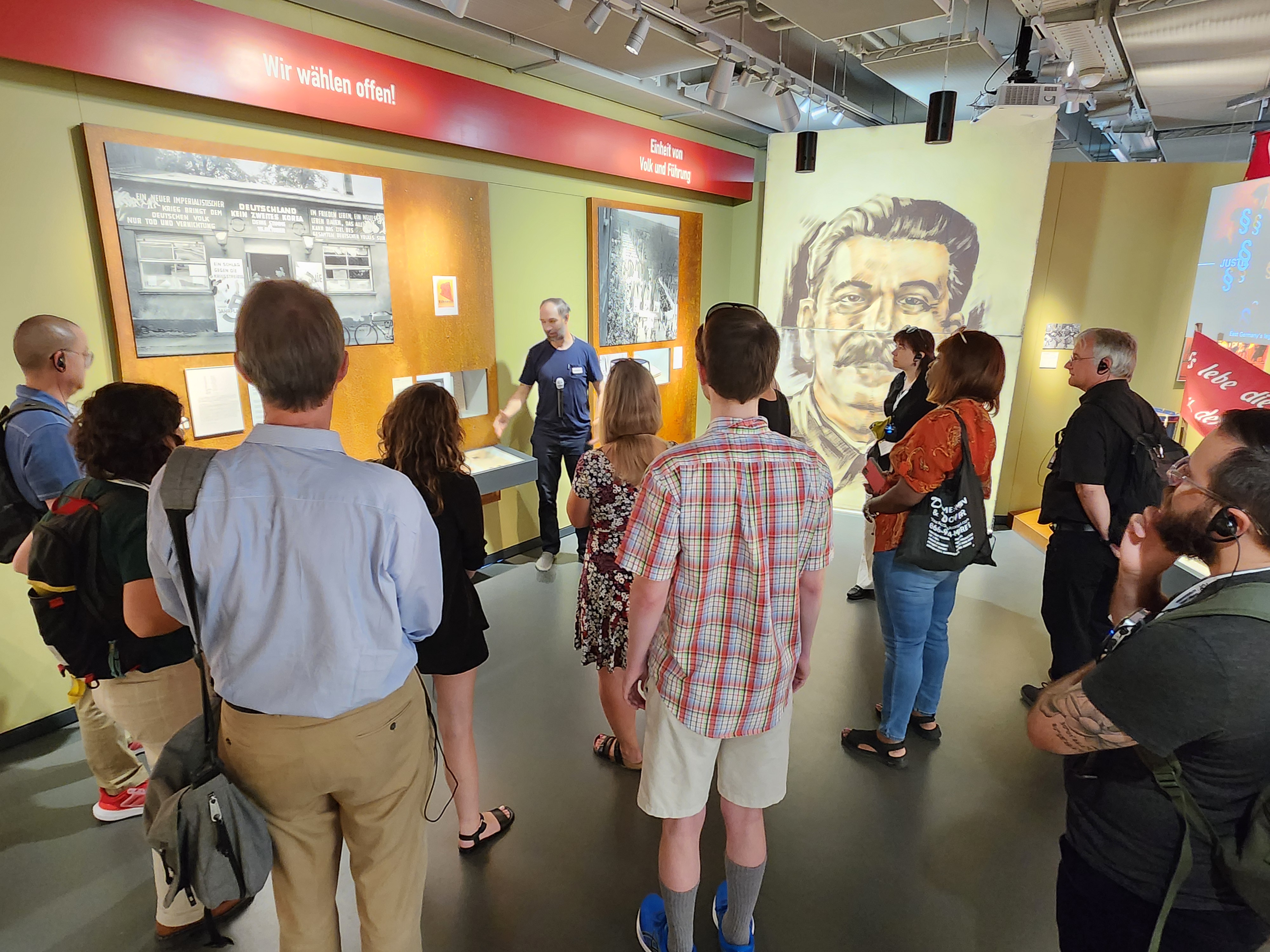
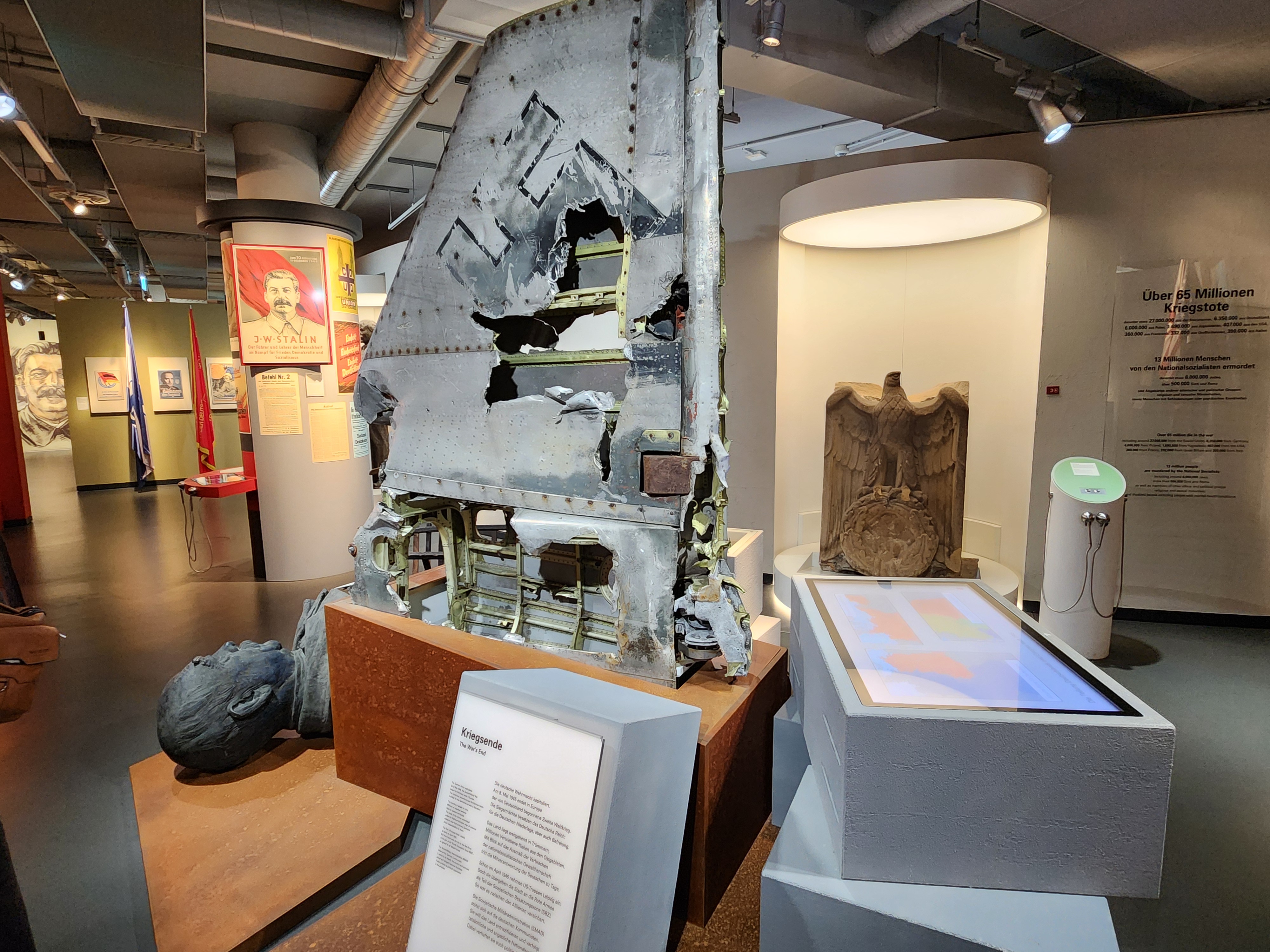
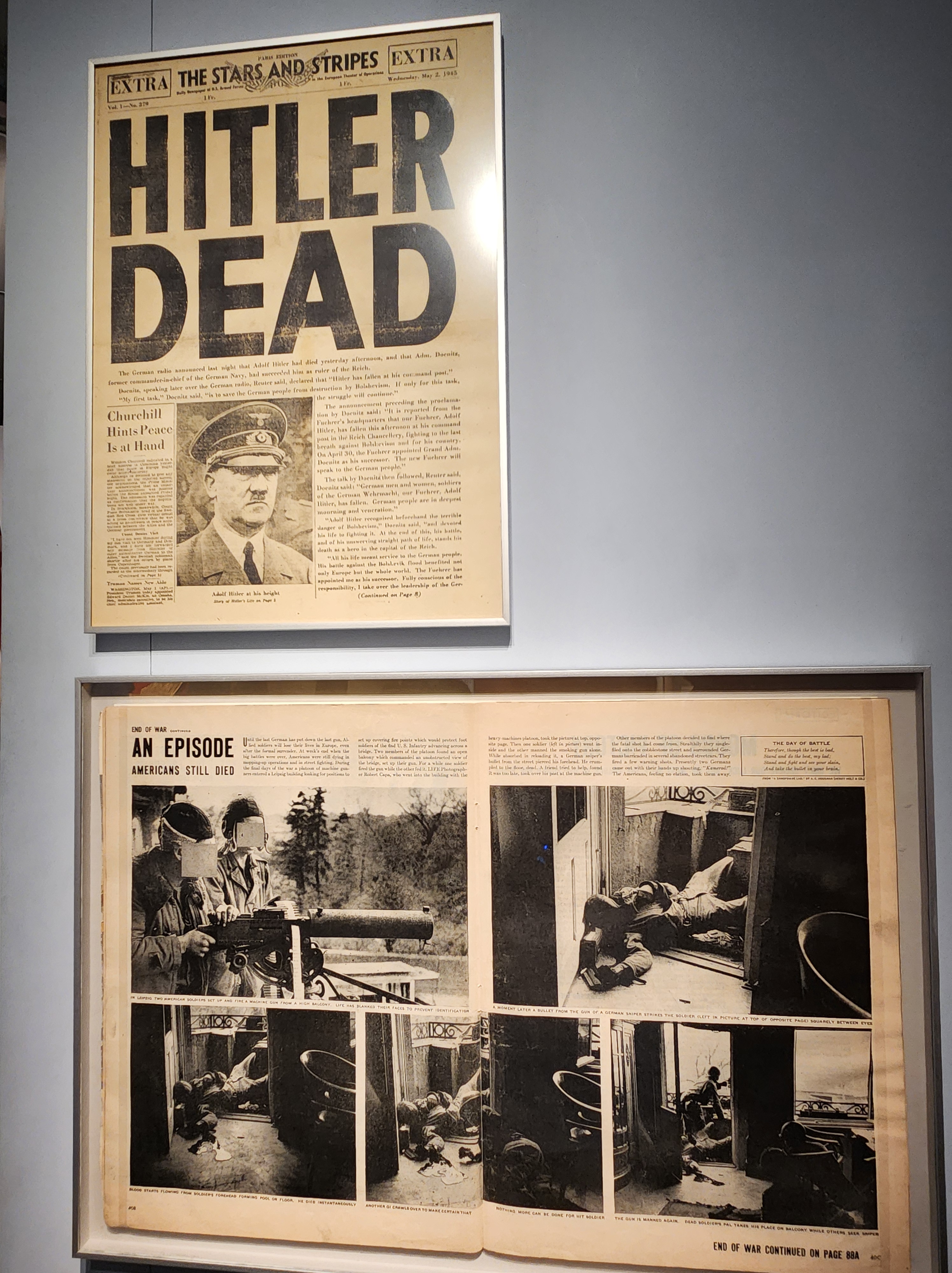
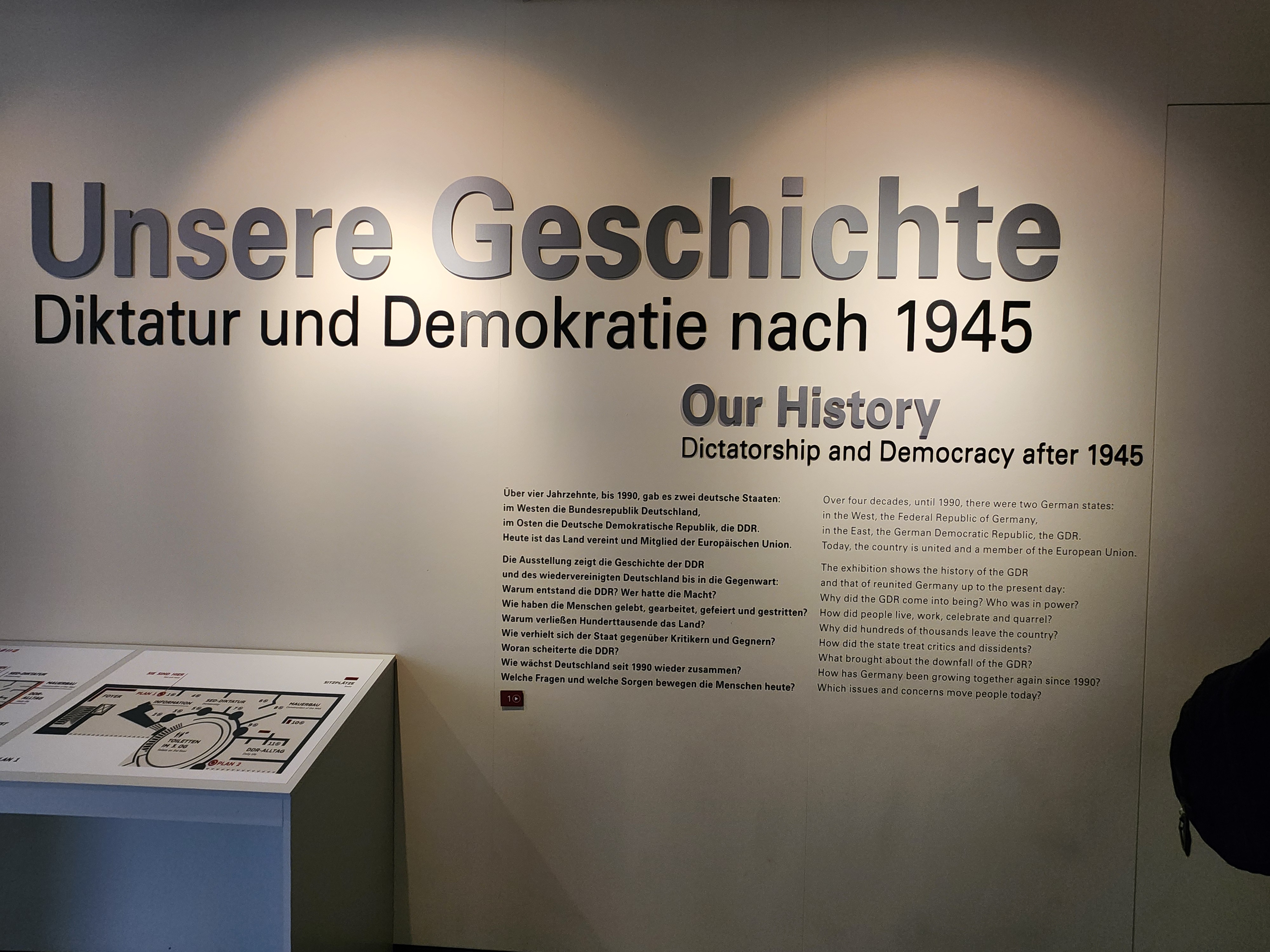
The other museum we visited was the Forum of Contemporary History which focused on life in East Germany and the causes and consequences of the Cold War division. The guide, Sebastian, lived through the period and it was incredibly unique to hear from people who had lived under communist rule and to hear about daily life. We also got a glimpse of some of the wonderful teaching materials they use with school groups to help them understand. The museum’s Director of Education shared with us their “family cards” used to make connections across time and relating to events of the period as well as their “West Packages” which simulate real packages people from West Germany would have sent to friends and family living in the East. The hands-on experience led to great discussion about what was included and why.

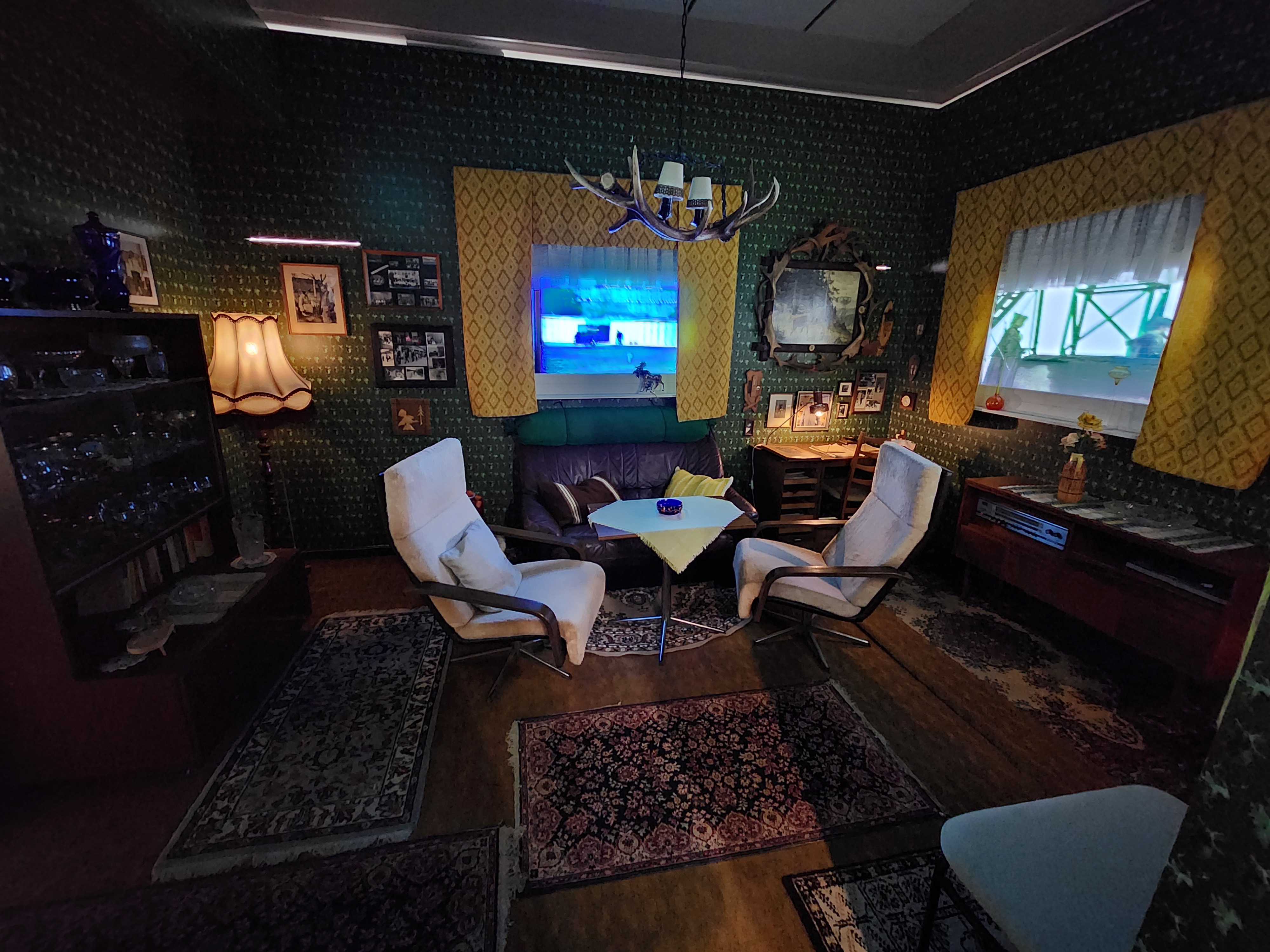

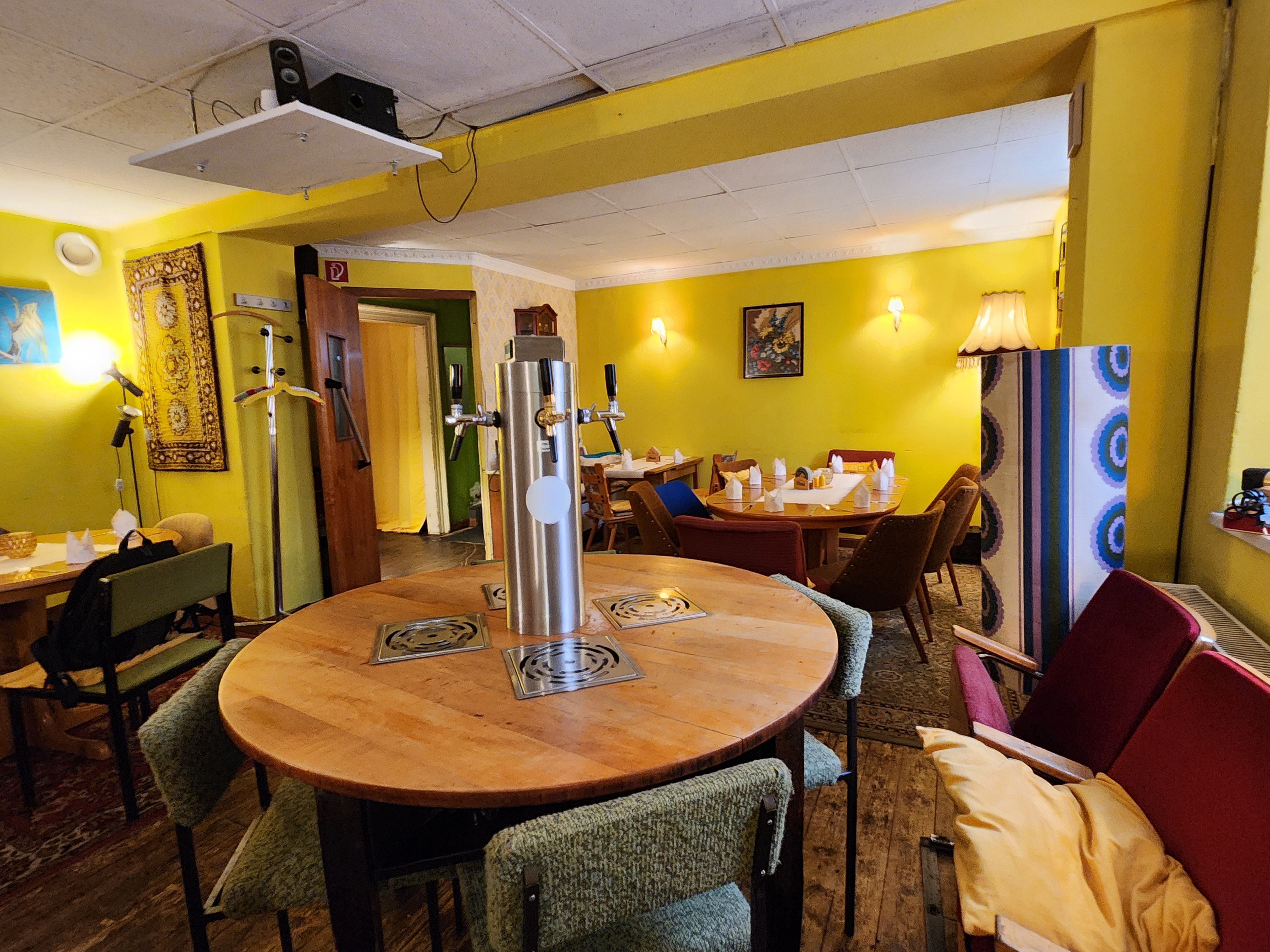
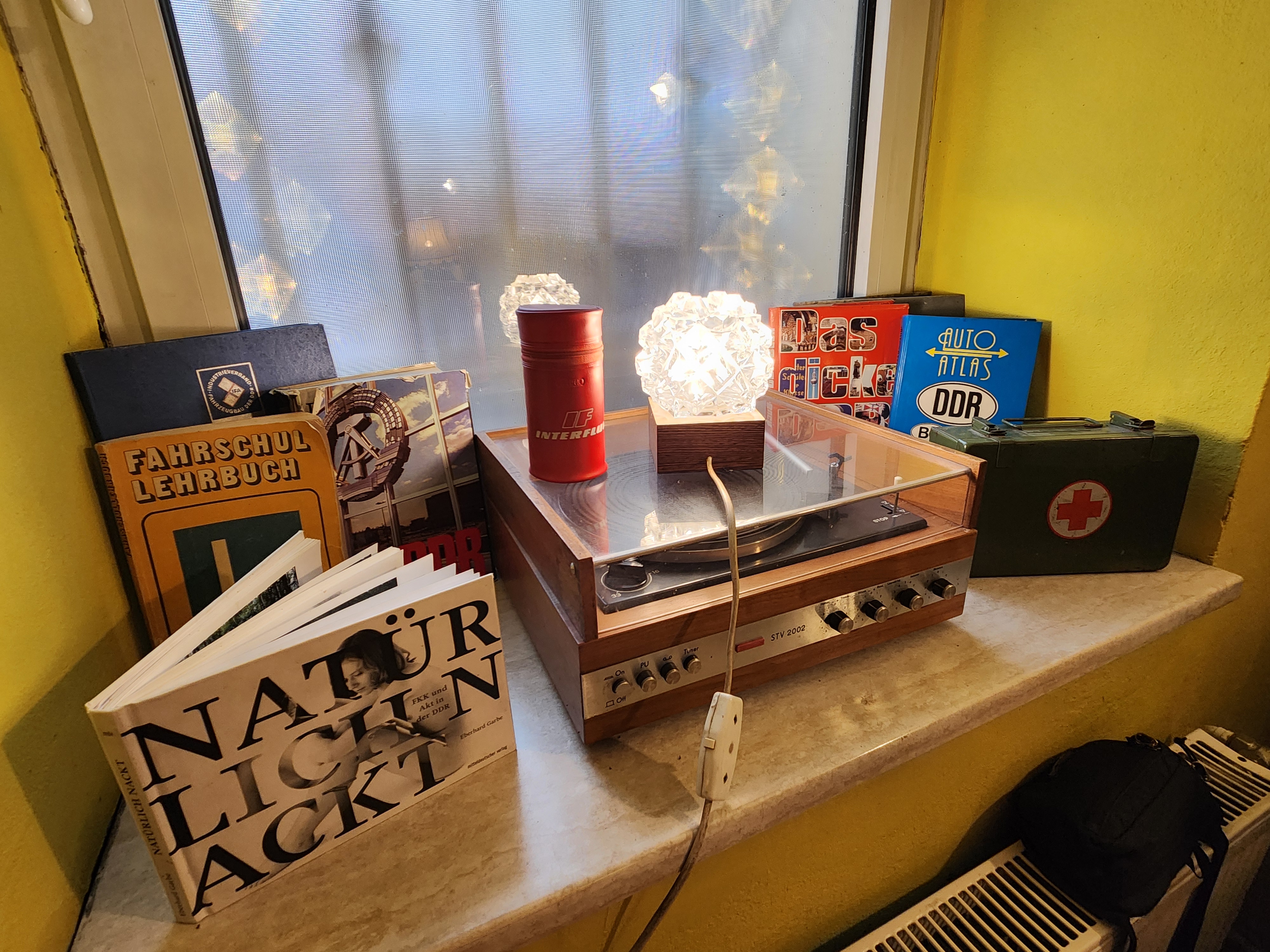
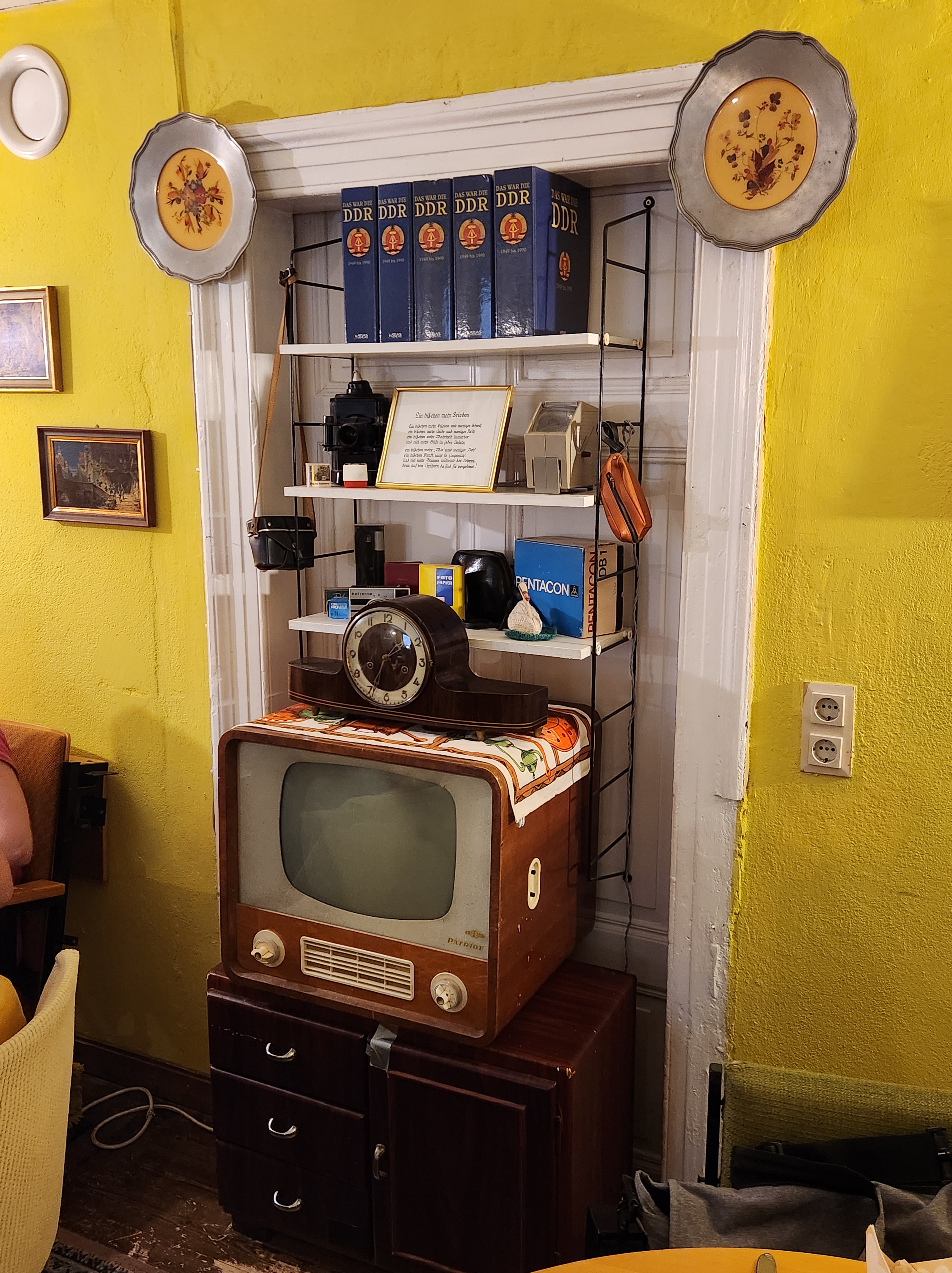
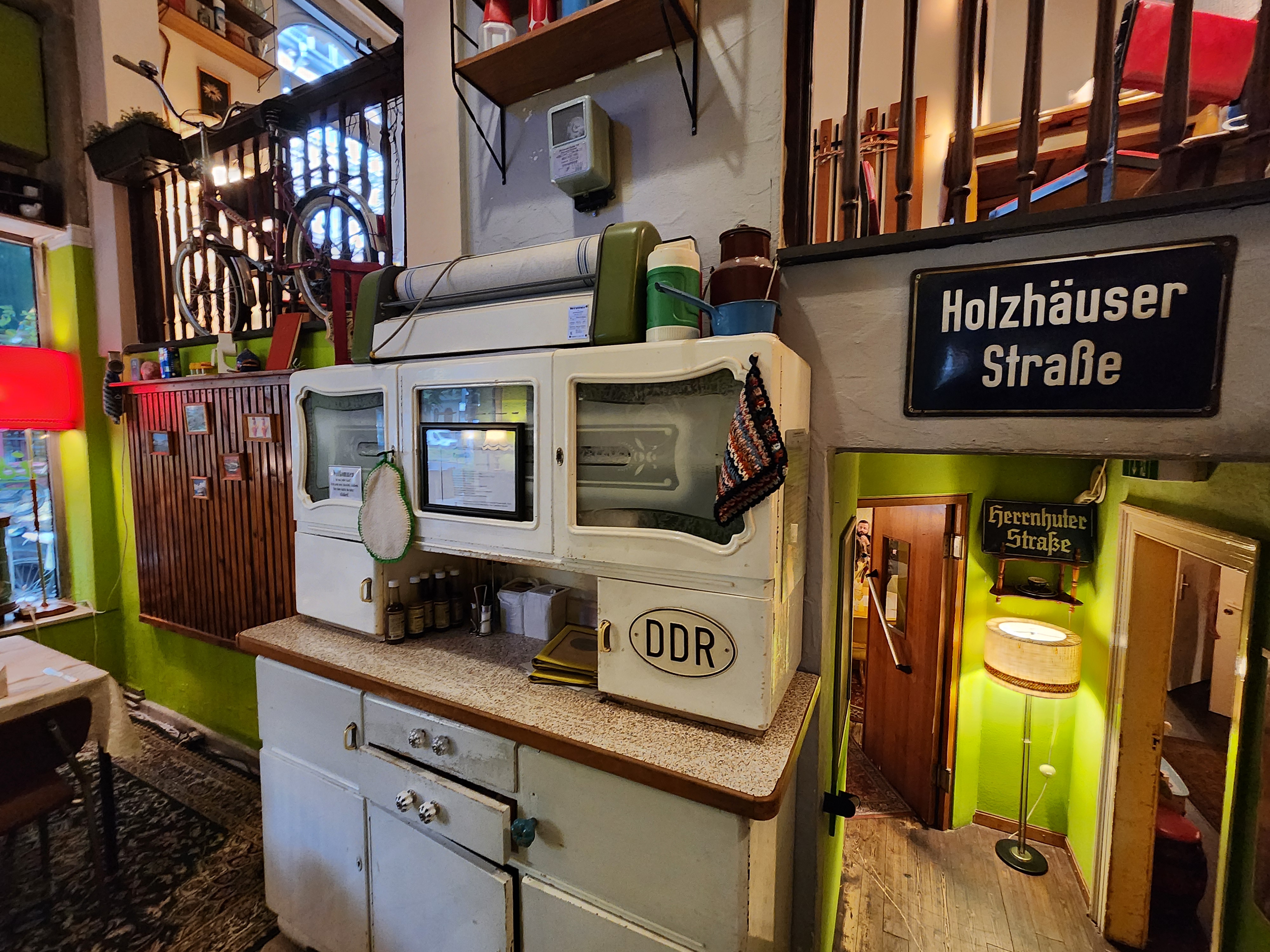
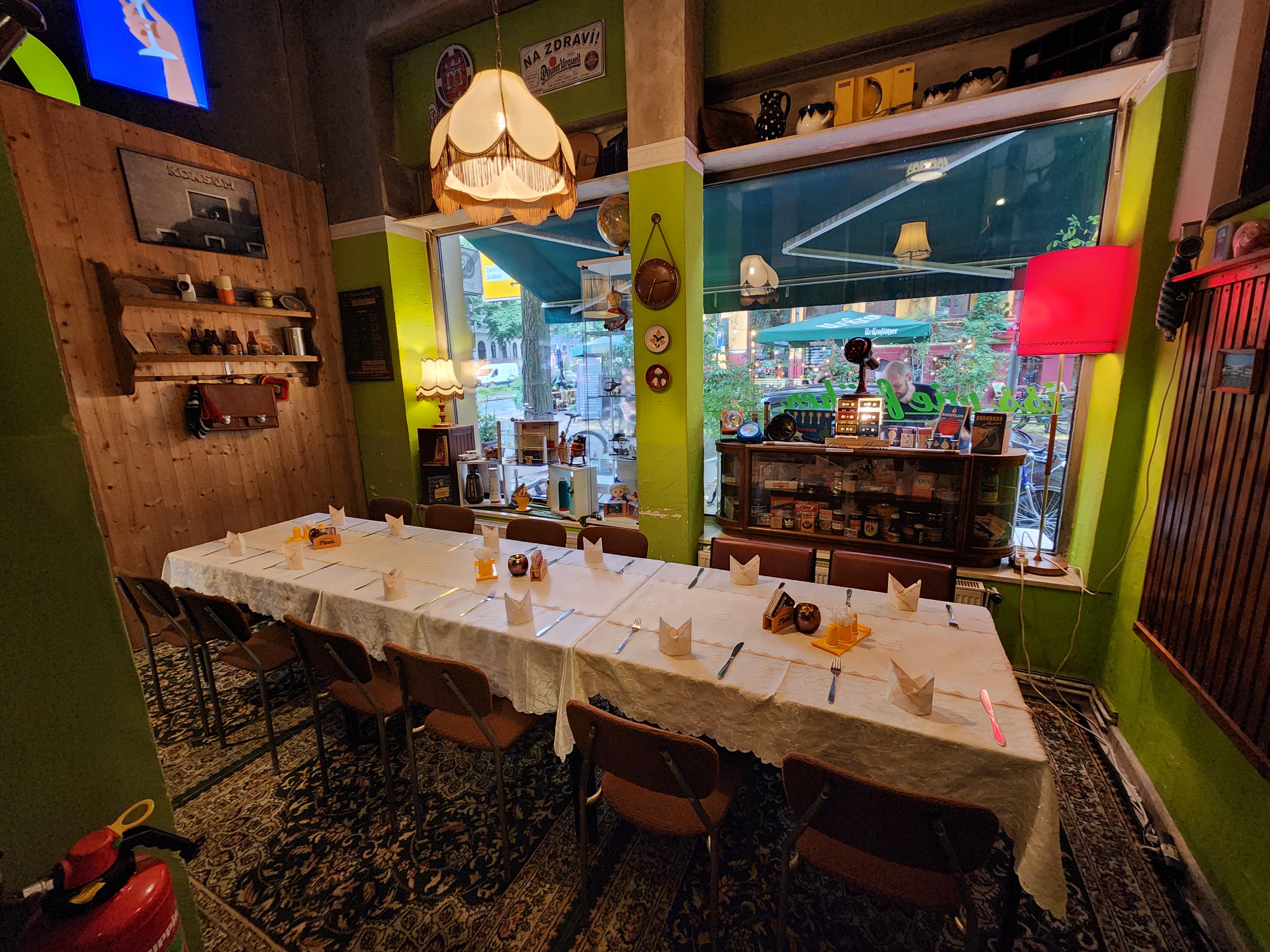
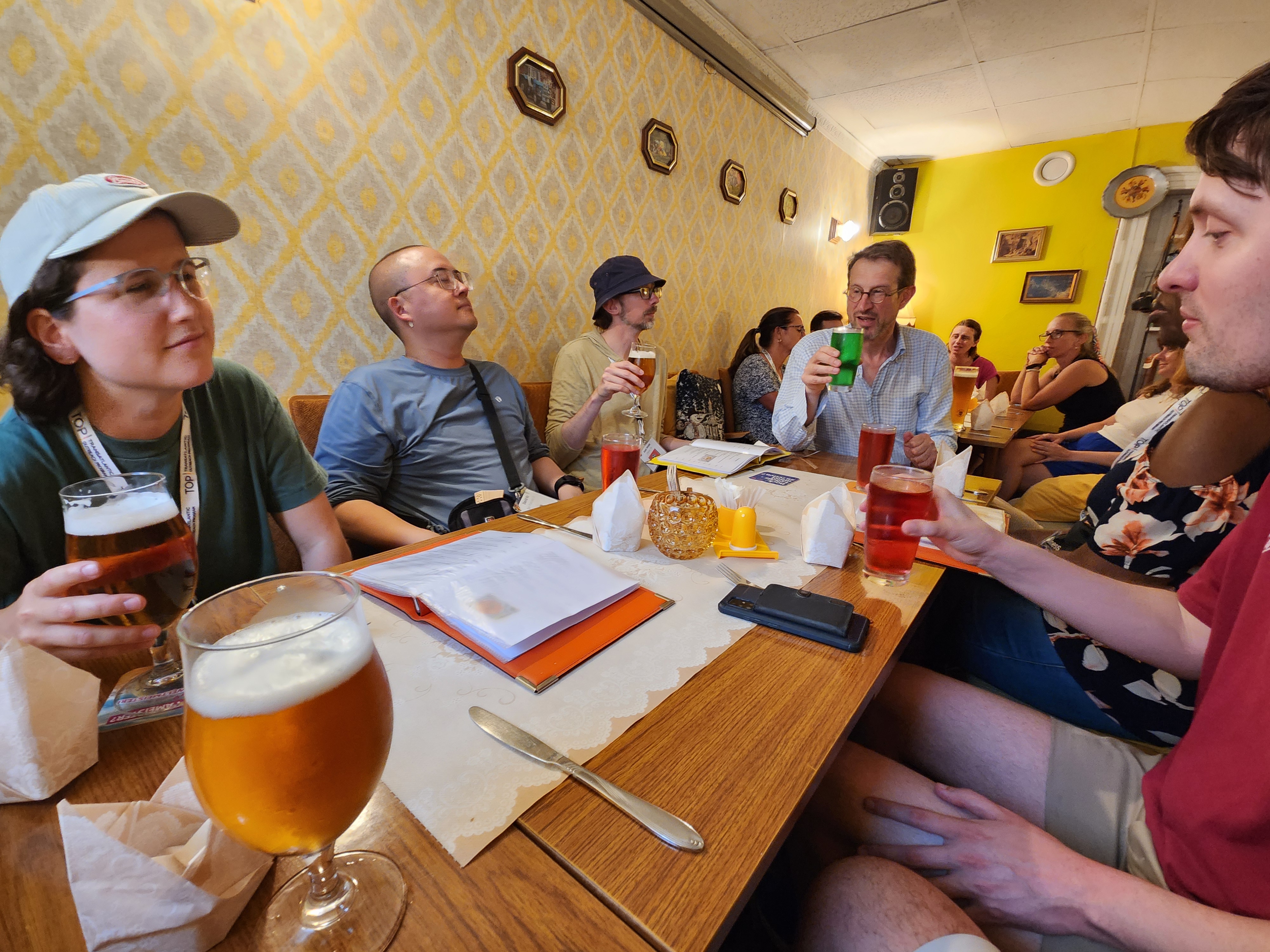
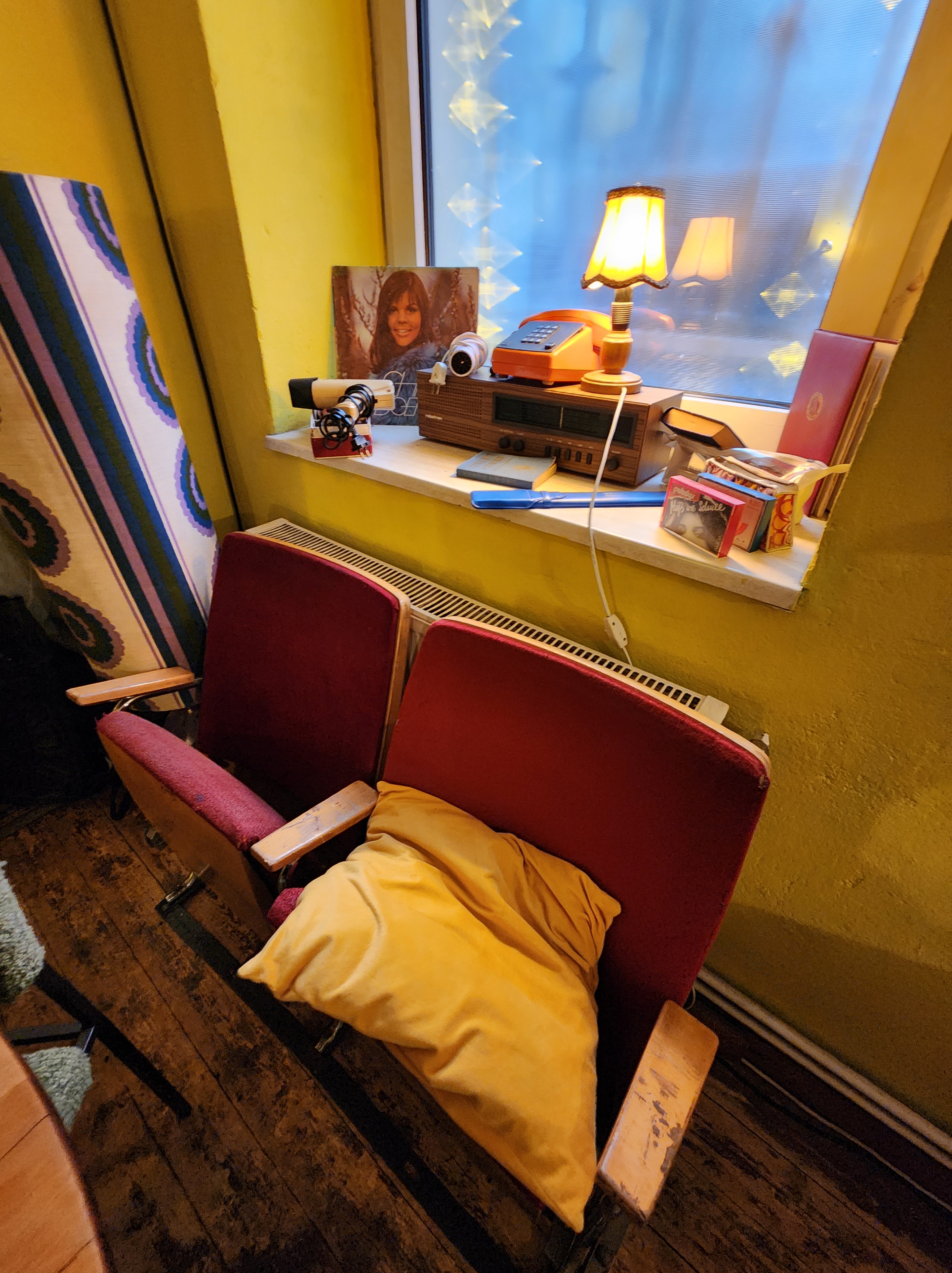
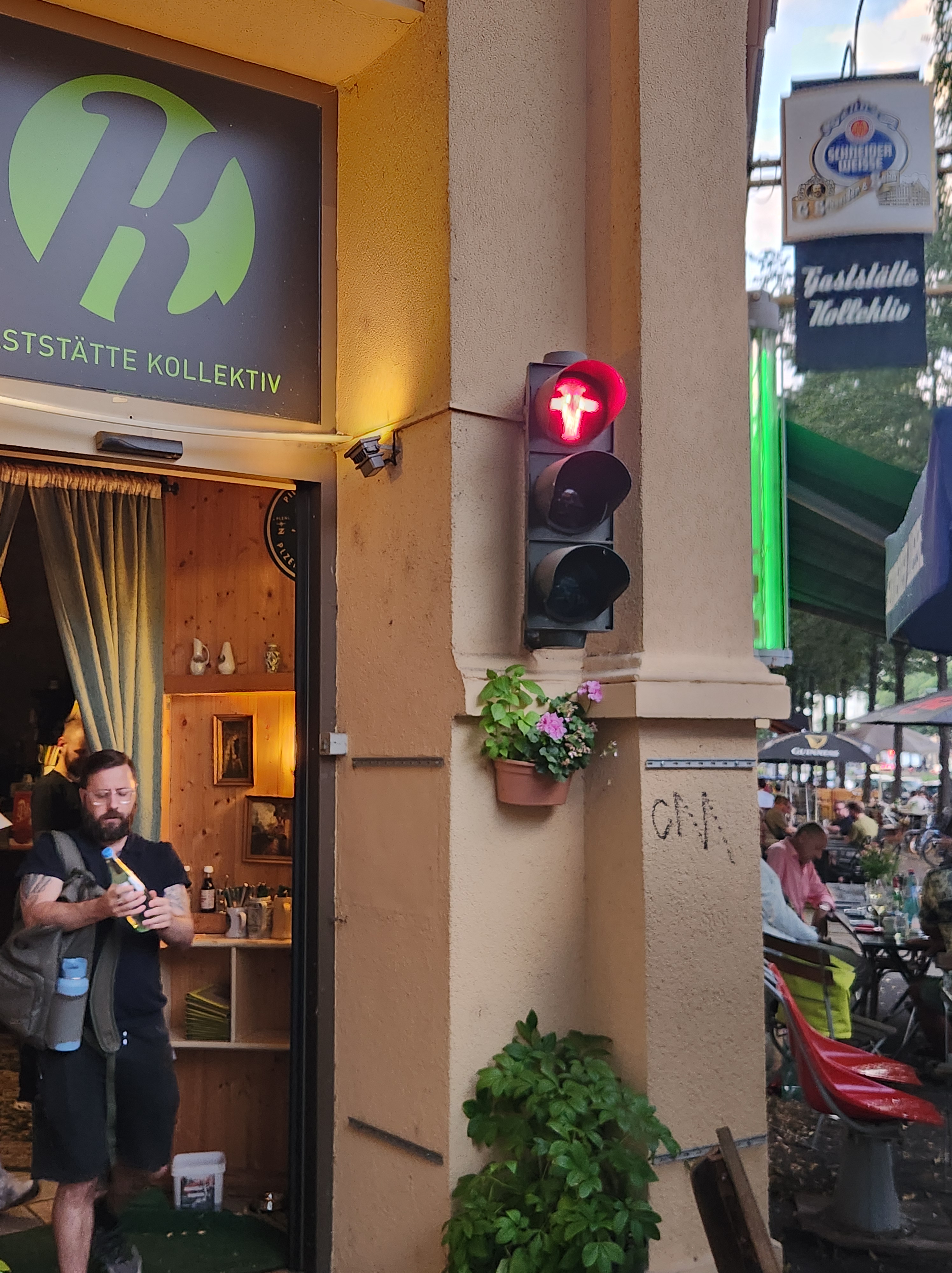
My favorite restaurant in Leipzig was the Gasthaus Kollectiv, organized into rooms and furnished like an East German home would have been during the Cold War. The menu included only items available during the communist East German era which were mostly from Czechia, Hungary, Poland, etc because of the separation from the West. Many traditional German dishes and beers were not available due to their production on the other side of the Iron Curtain. In addition, the decor, tableware, seating, and atmosphere were entirely vintage from the GDR days. What an interesting concept and interactive experience!
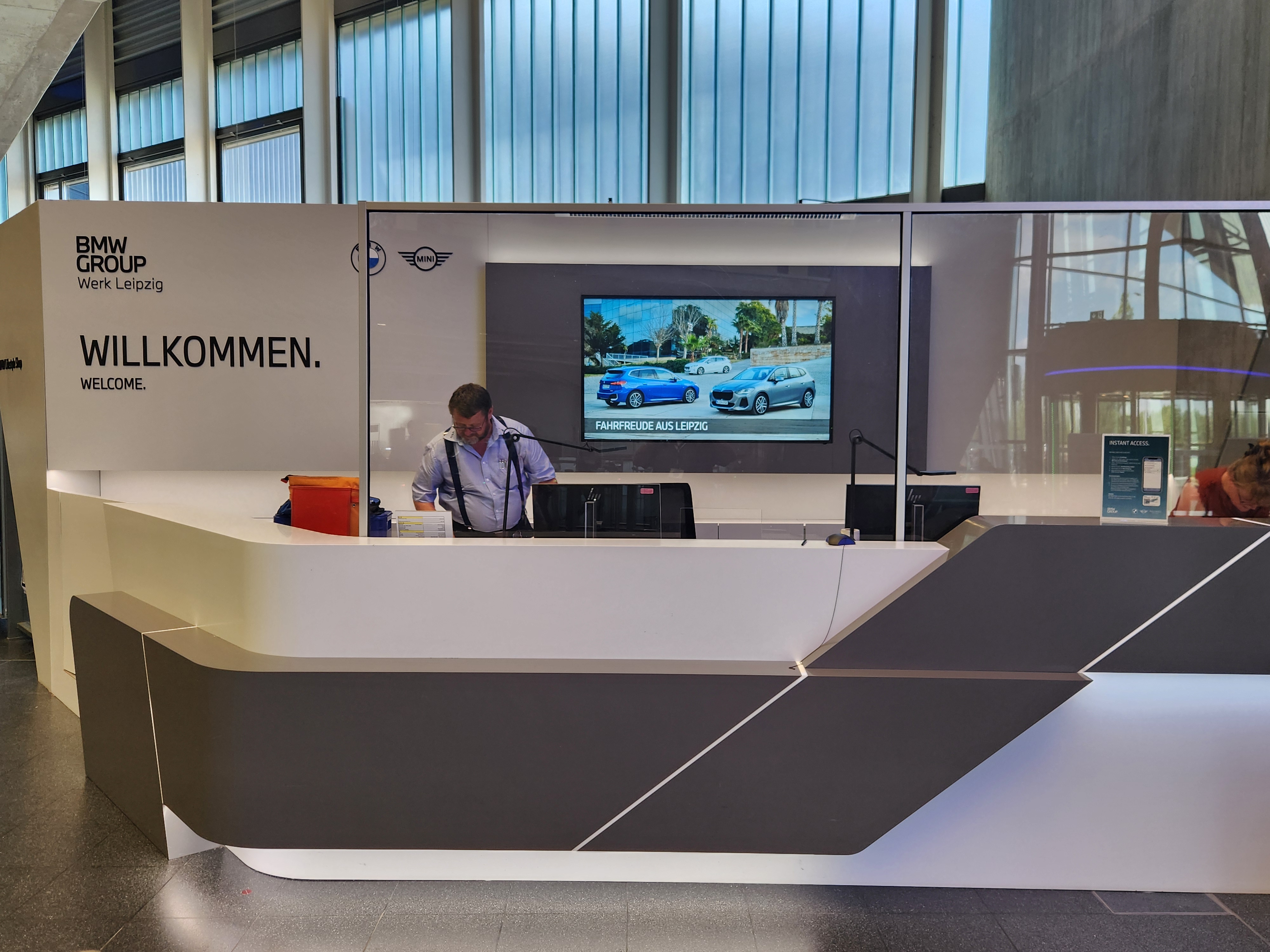
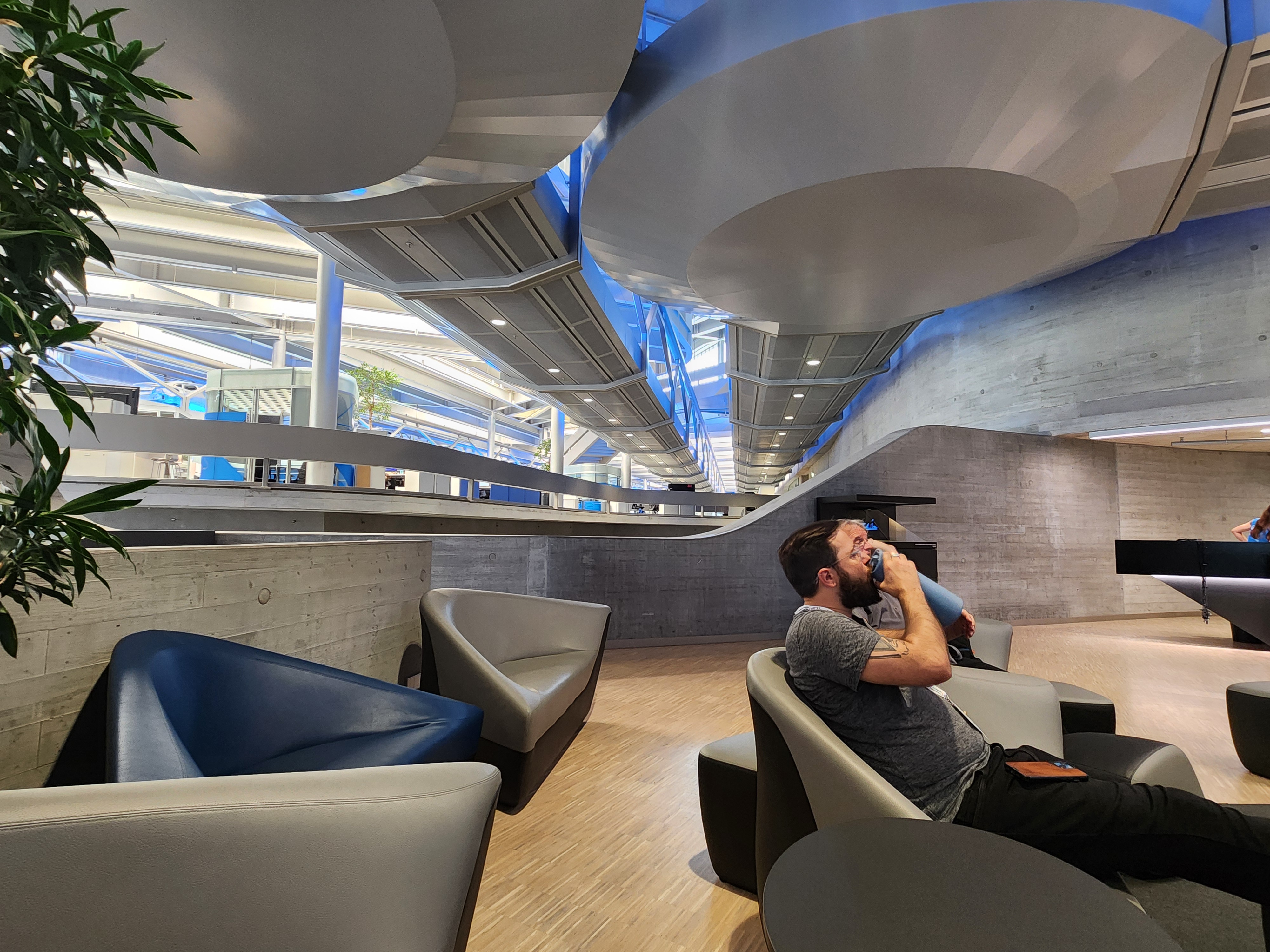
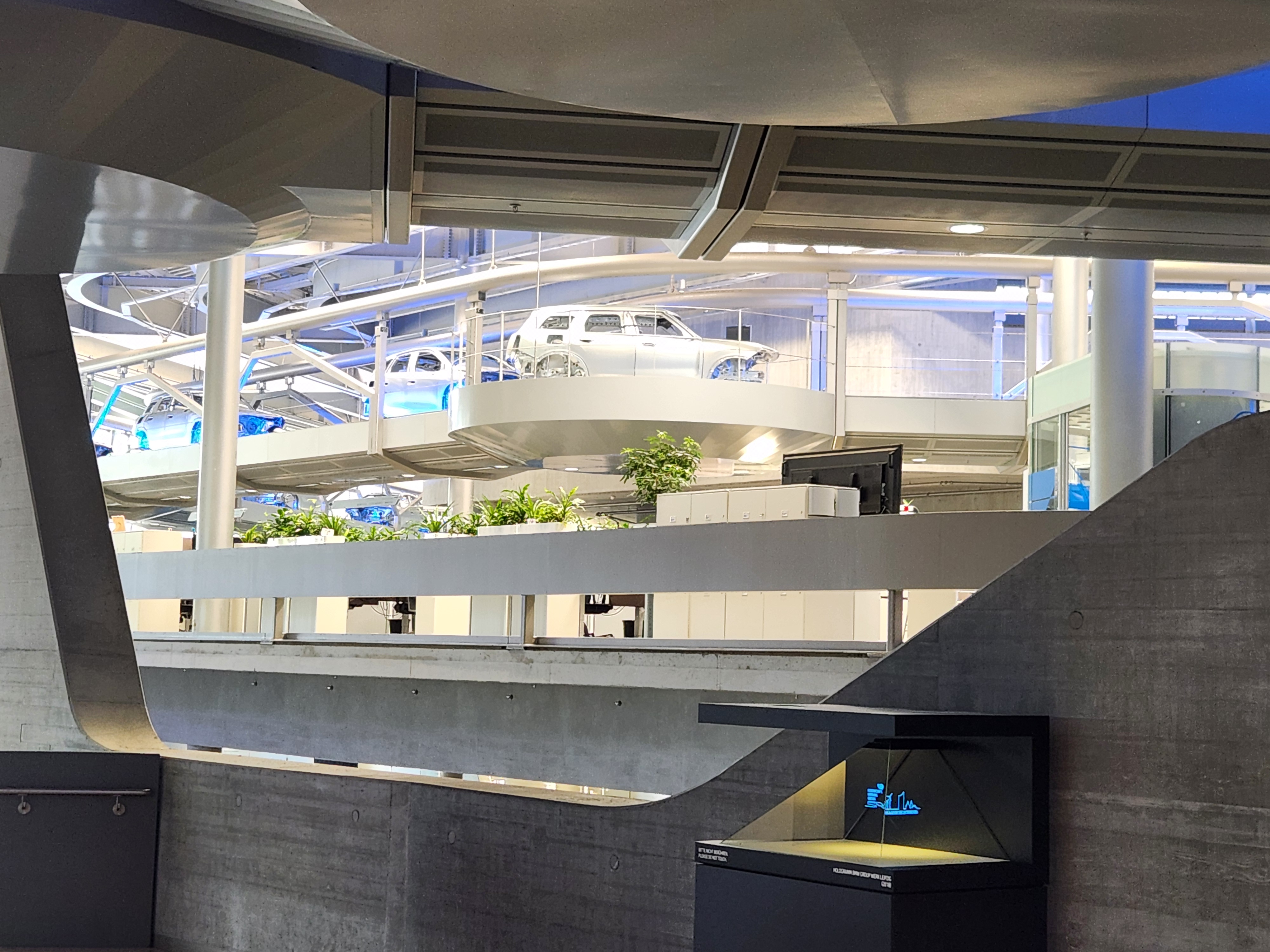
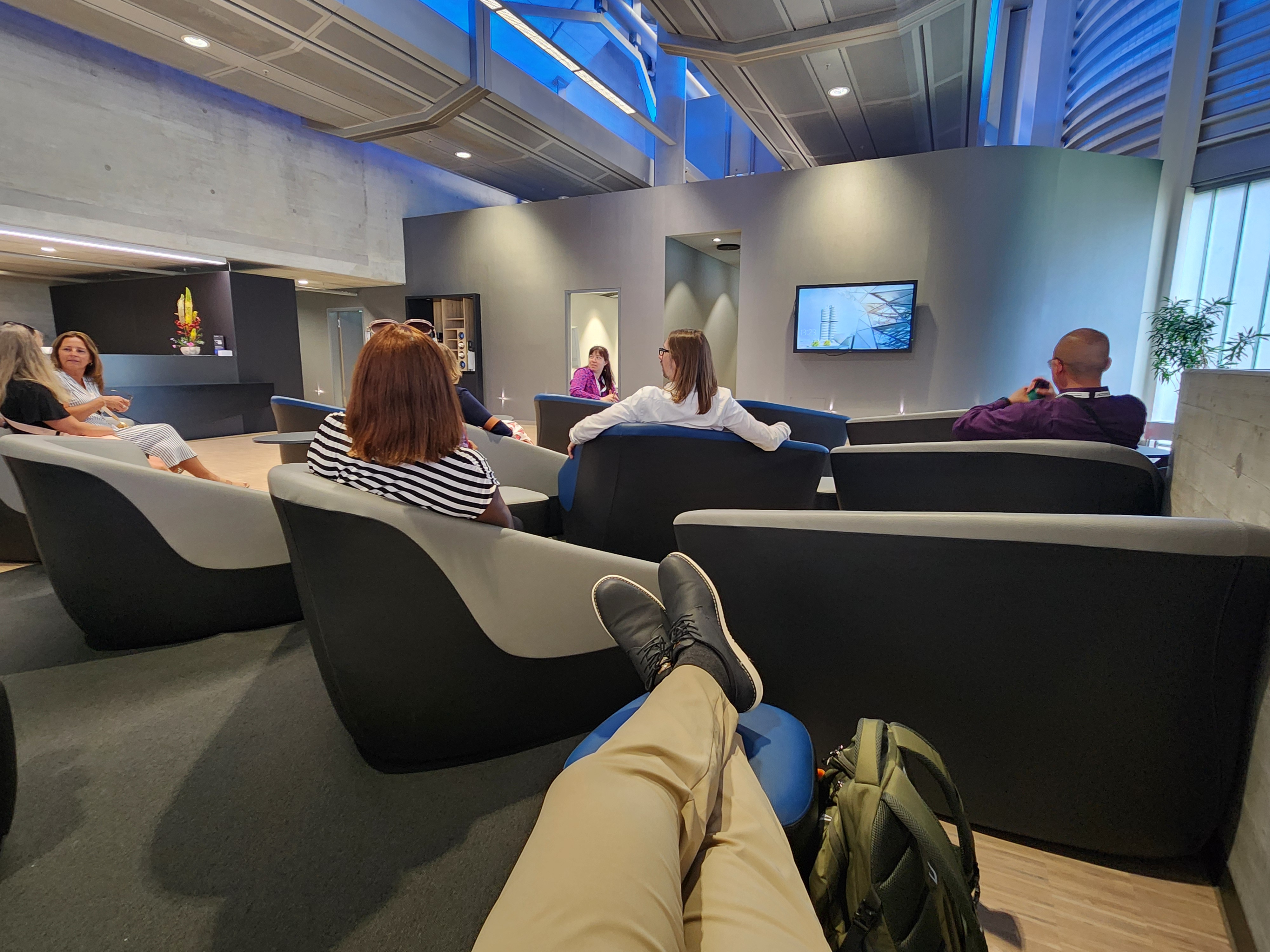
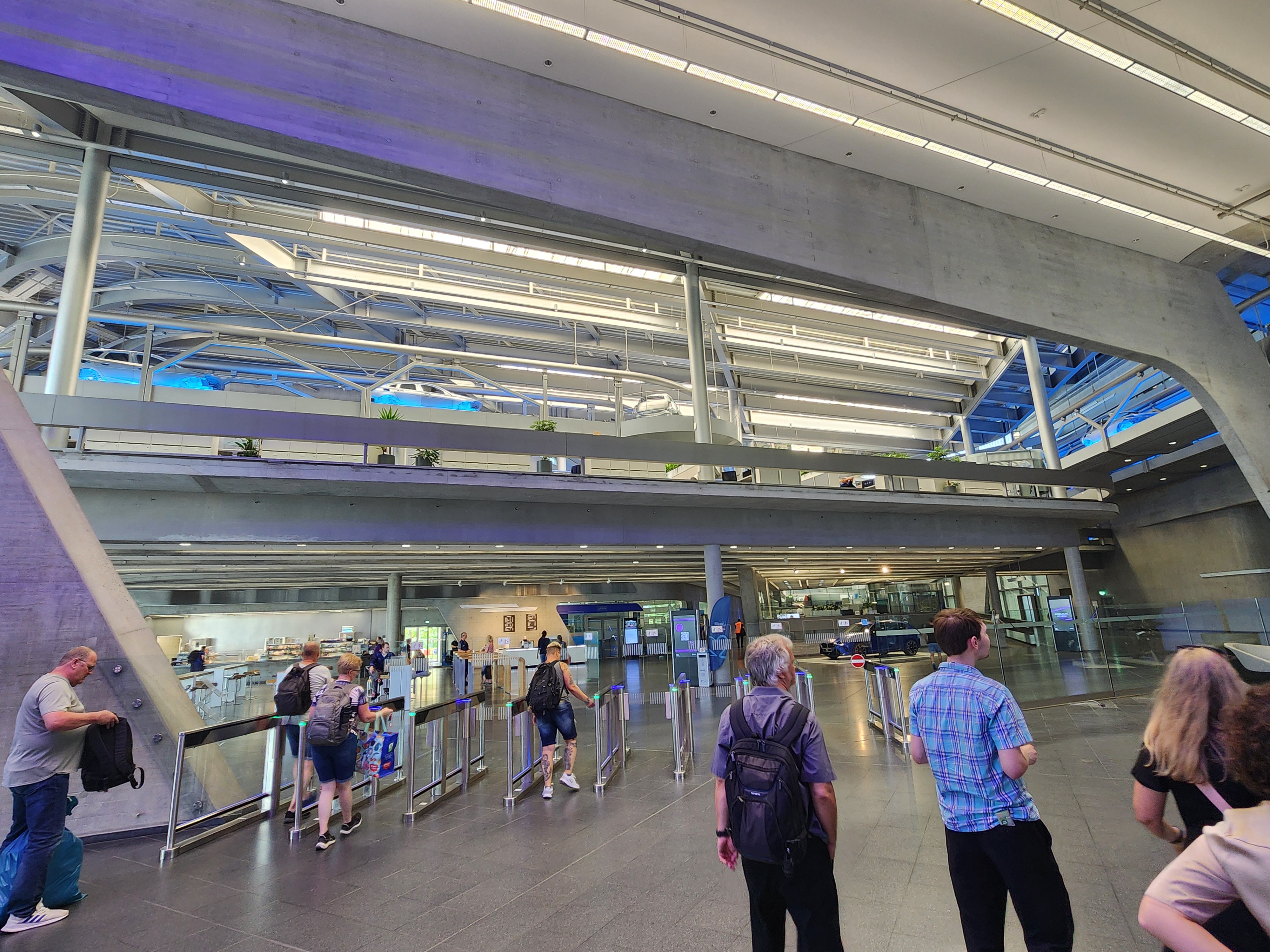
Another highlight of our time in Leipzig was a visit to the BMW plant outside the city. The facility is a sister plant to the BMW manufacturing center in Munich and was built after the fall of the Wall. This was an effort to rebuild the economy of Leipzig after communism and foster cooperation between the Germans of the East and West. Our tour gave us a glimpse of the amazing technological prowess of the manufacturing process and the innovation involved in cutting-edge business practices of the 21st Century. Pictures were not allowed on the production side of the facility for proprietary reasons.
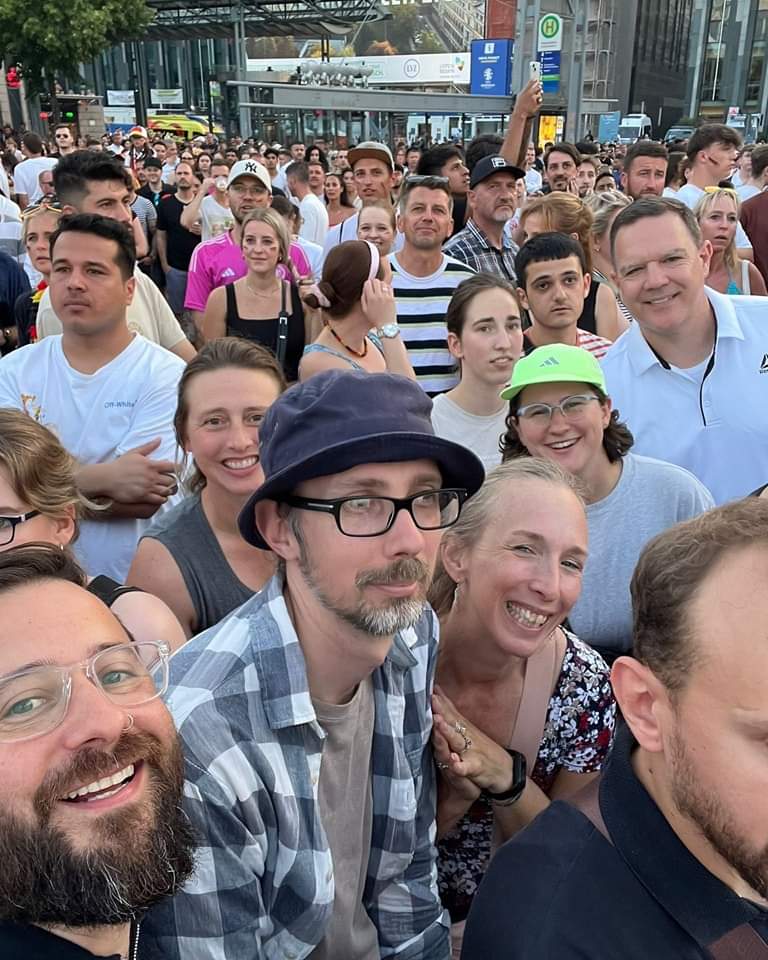
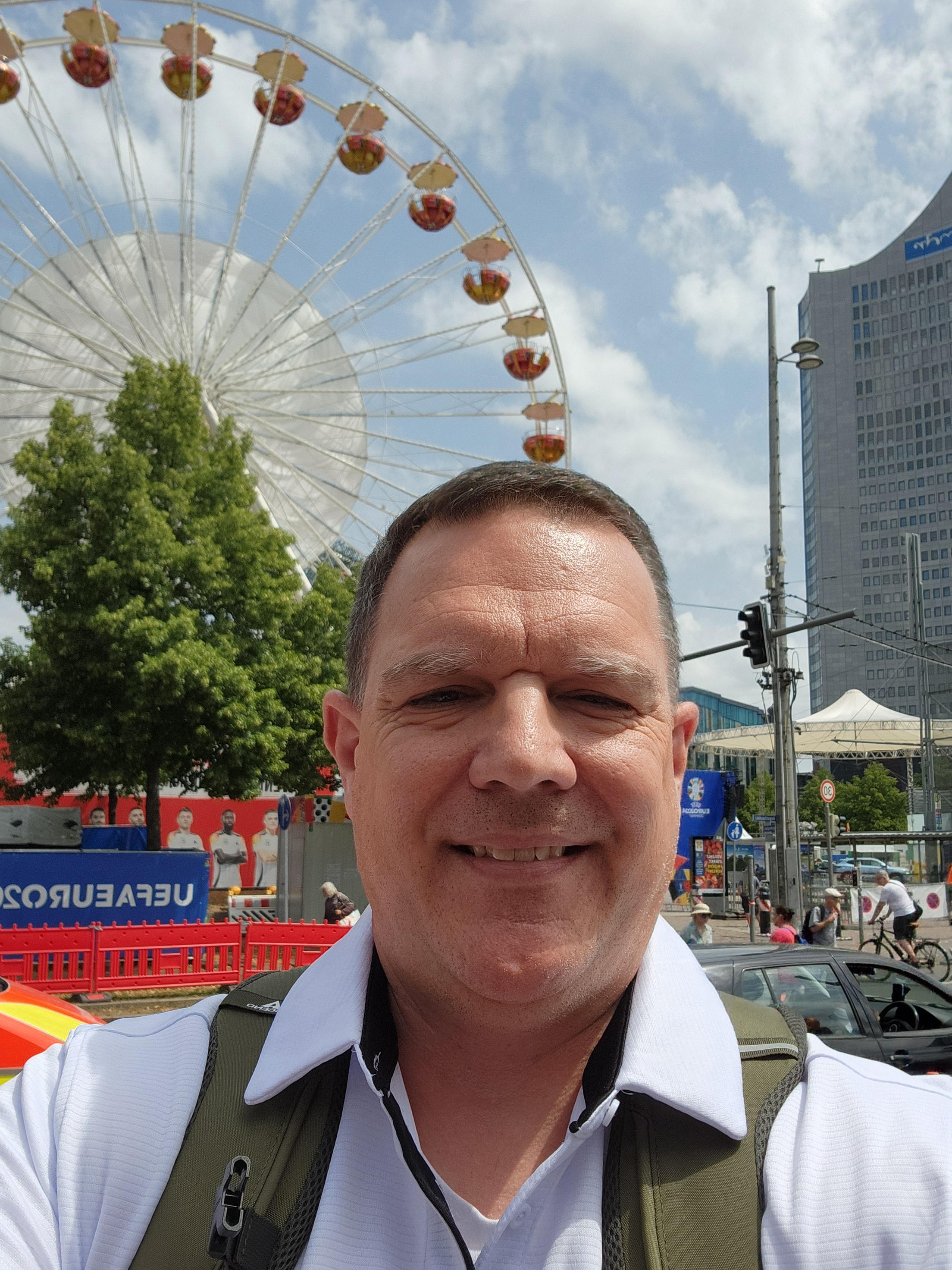
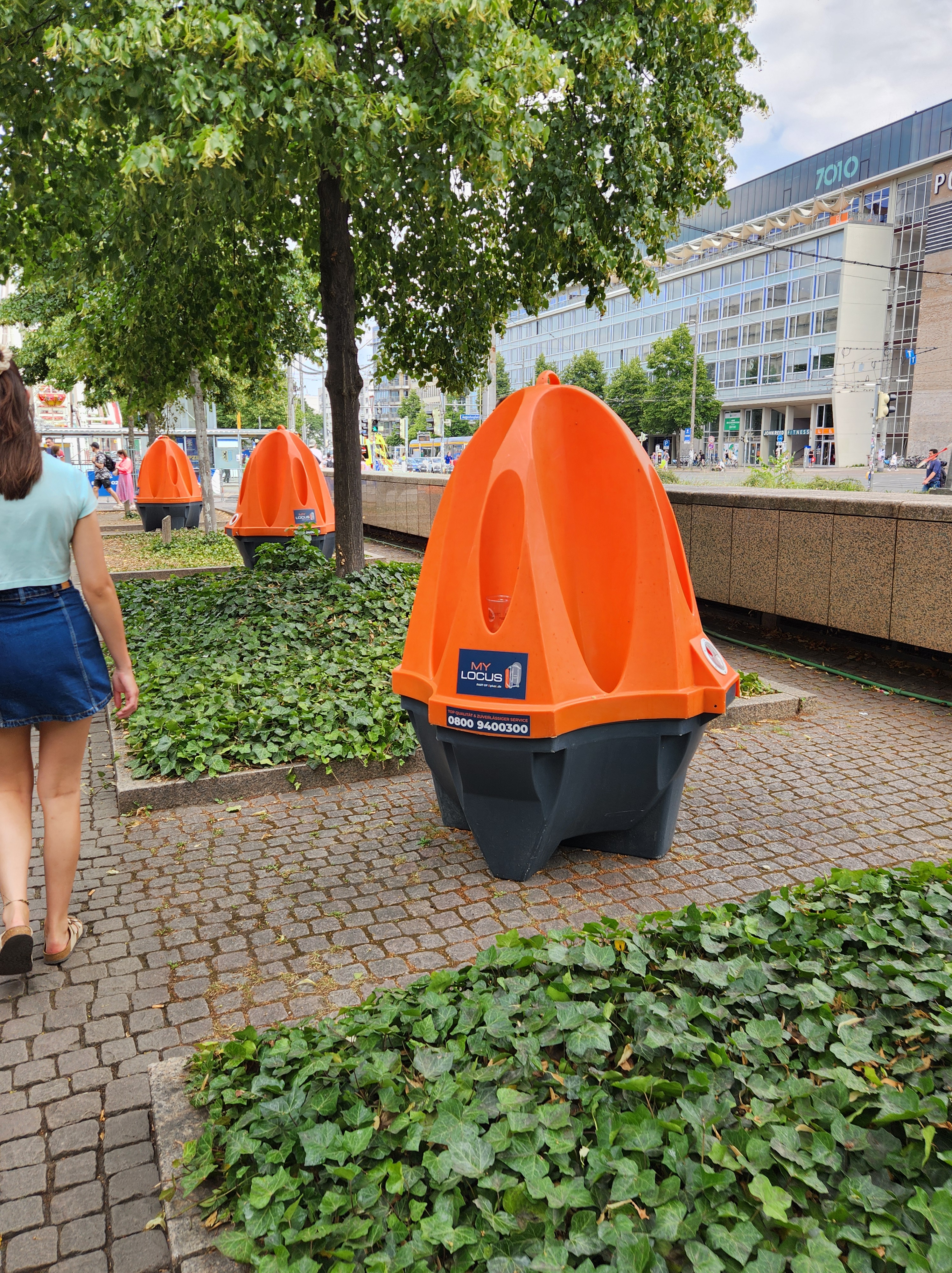
There was a large outdoor public viewing of the German national team playing in the EuroCup that a few of us attended for a bit but it was too crowded to be fully enjoyable. We certainly learned a lot about how Germans handle large crowds and the efficiency with which they maintain sanitation, though there is much less modesty than Americans are used to. It’s now on to Berlin to see what TOP has in store for us!

 Bill and Jeff's Historical Travel Blog