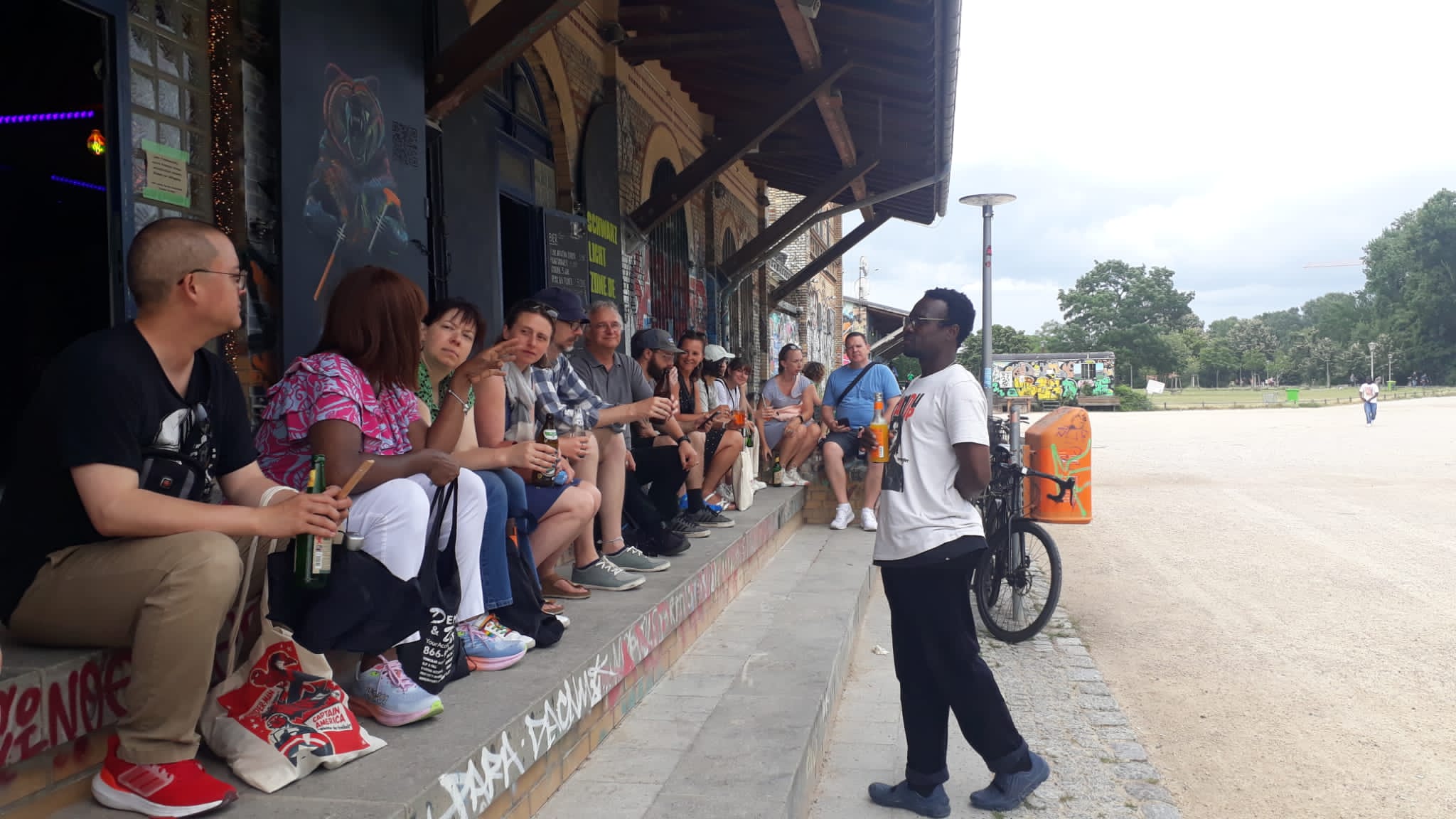
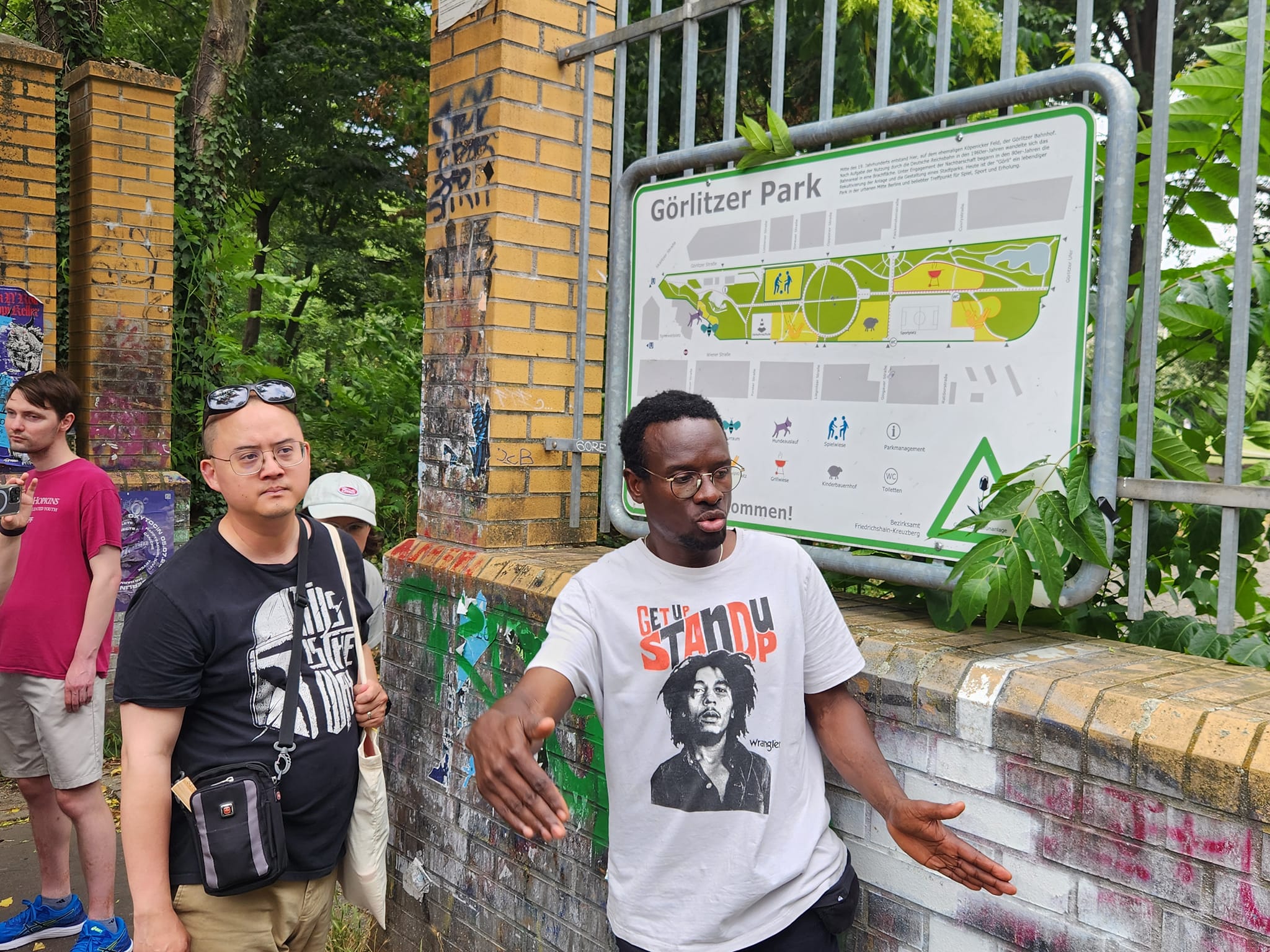
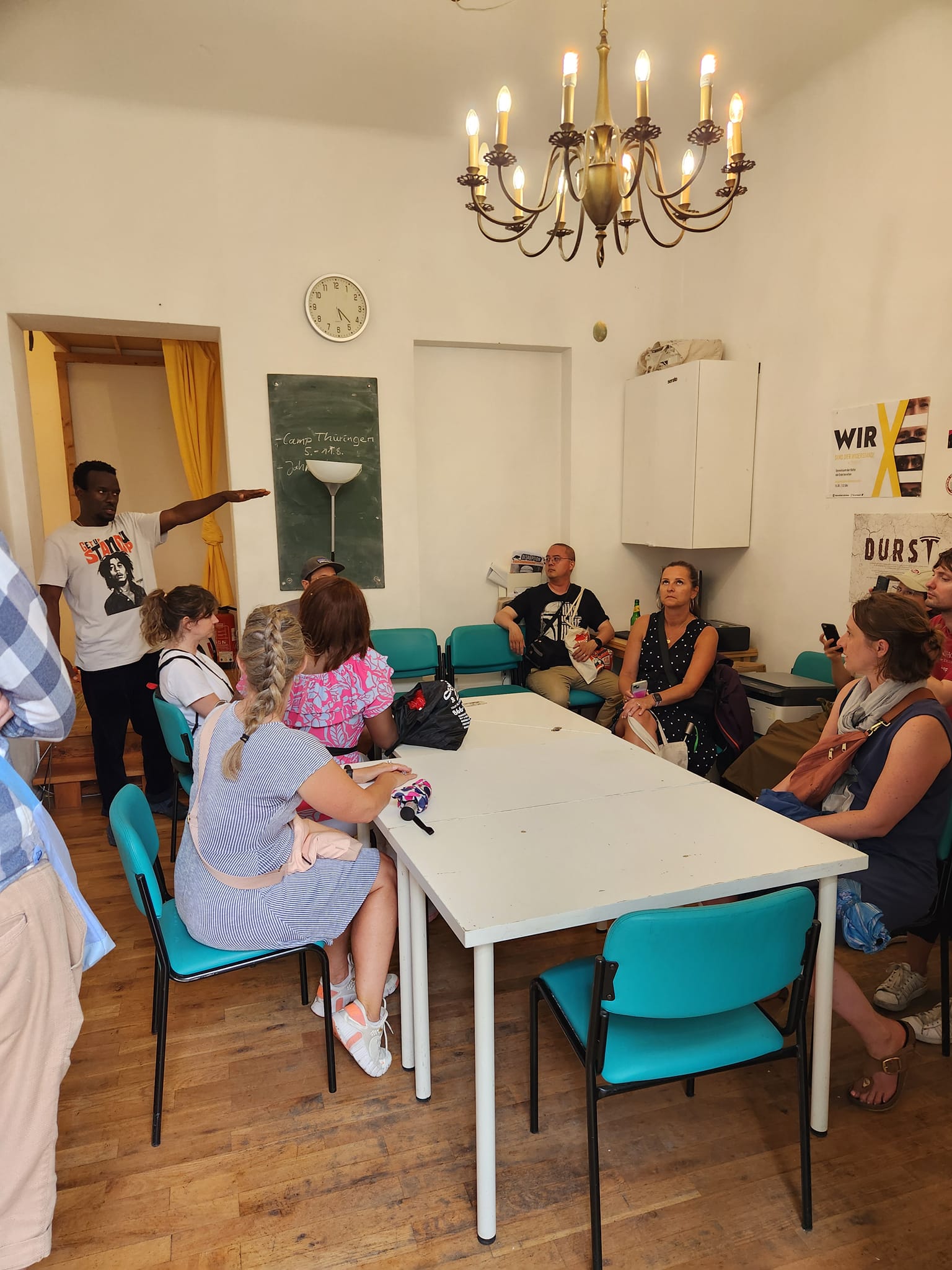
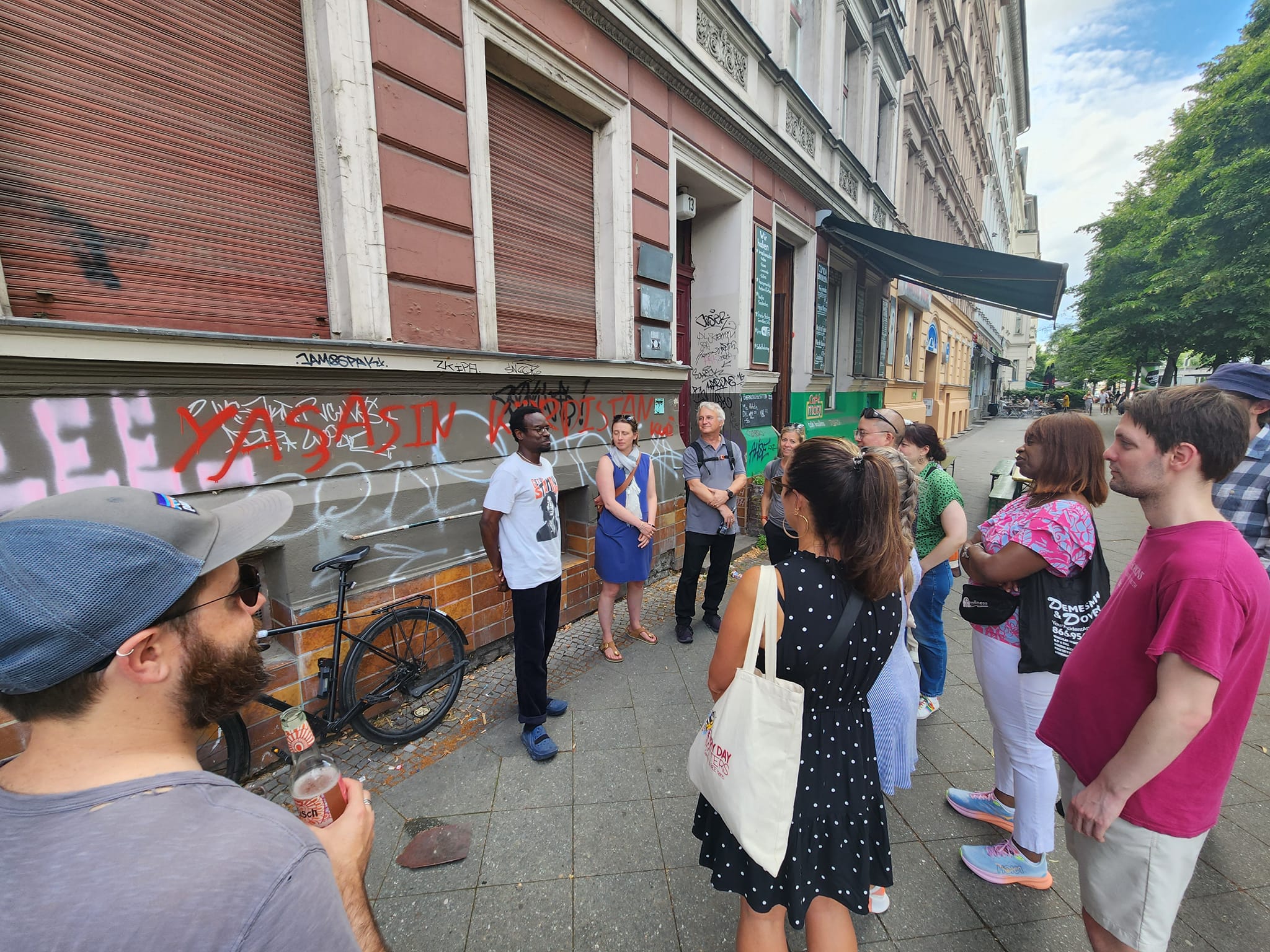
The TOP Tour of Germany moved to Berlin on Day 7 for the final leg of the journey. We hit the ground running by joining immigrant Muhammad Lamin from Senegal for a walking tour of the Kreuzberg district to discuss the making of a diverse neighborhood. We examined the immigrant living situation and learned about community efforts to assist with housing, medical care, and education. They have even acquired a radio station to help build community through cultural music, news, and information.
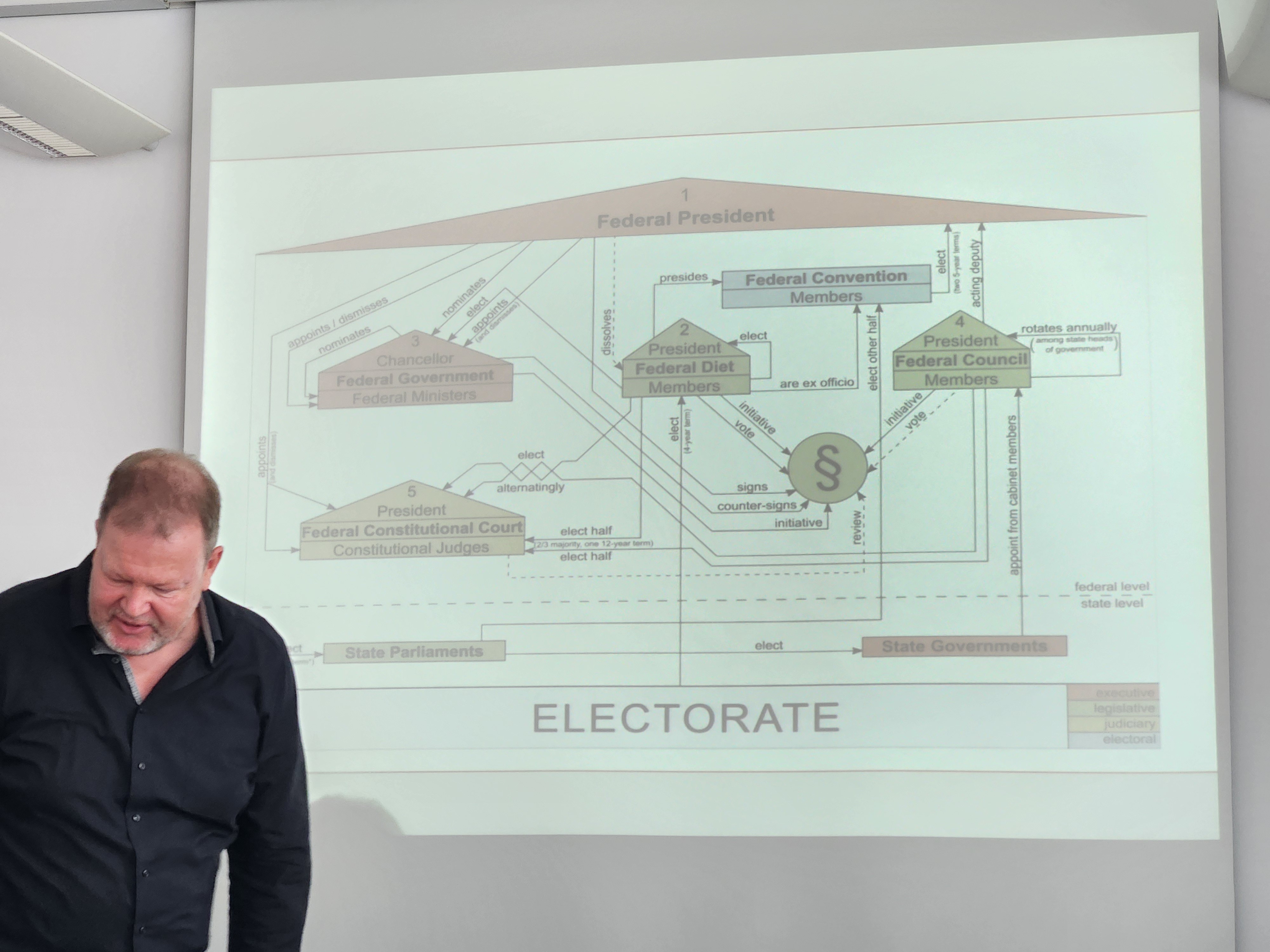
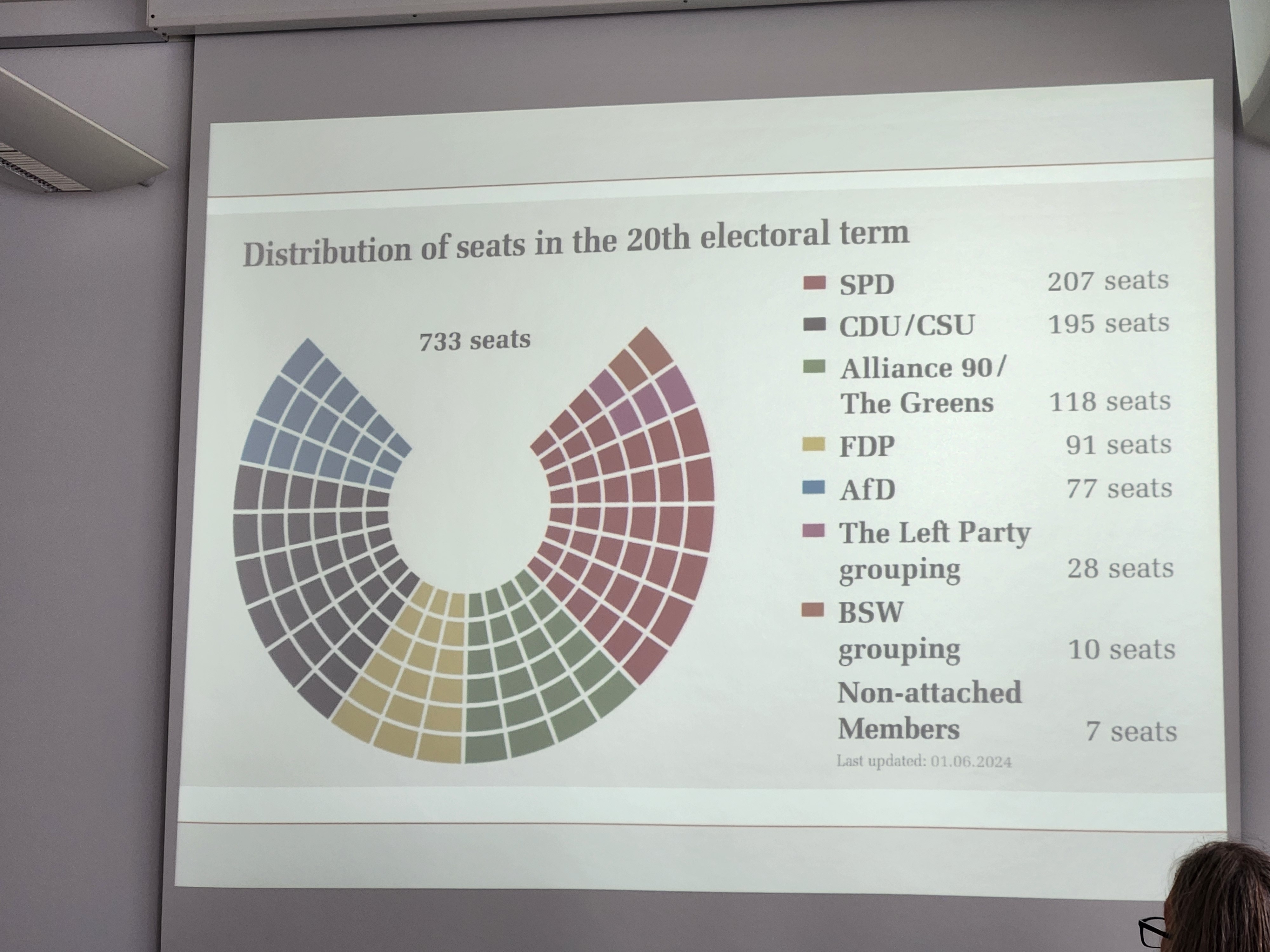
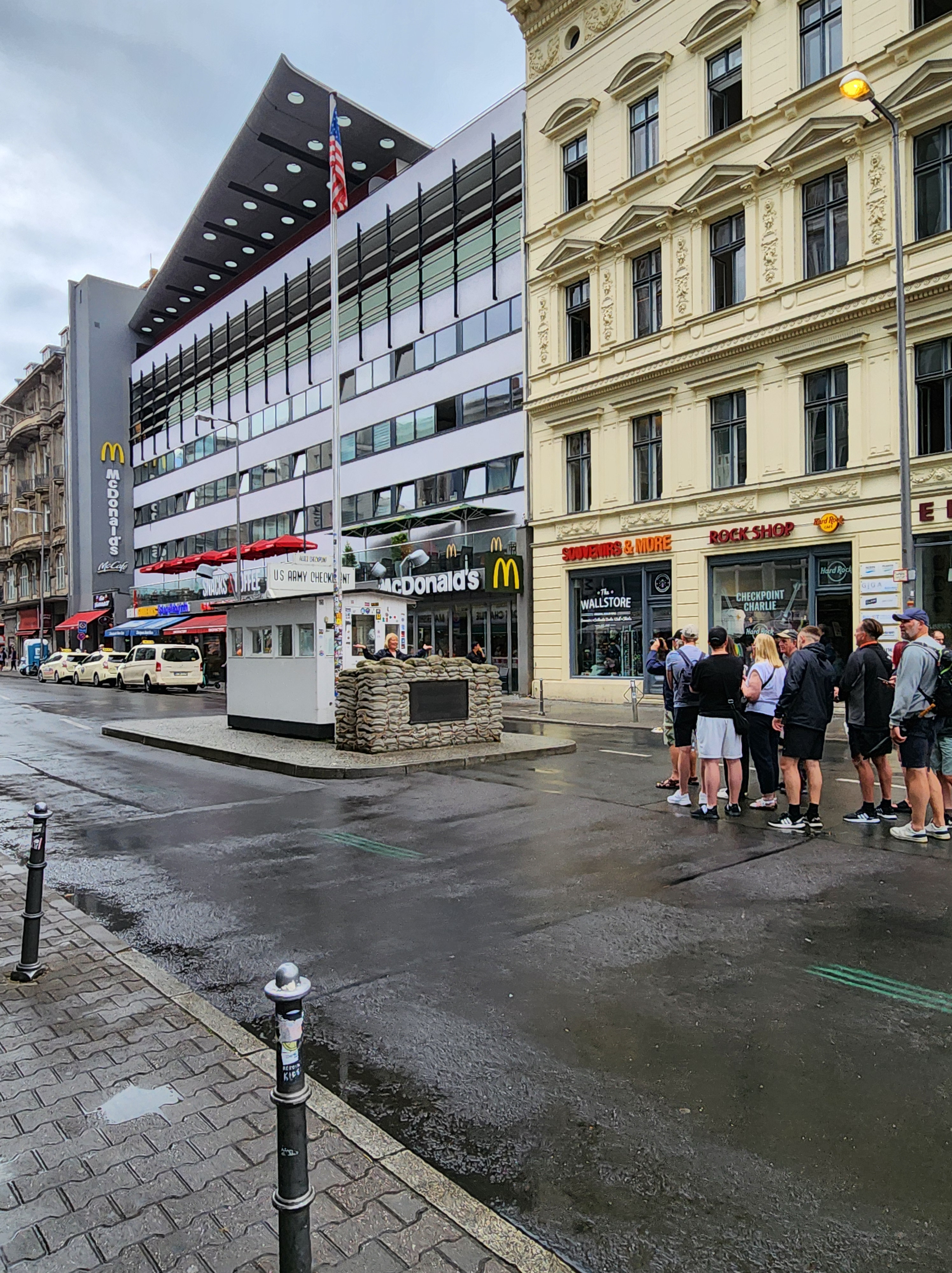
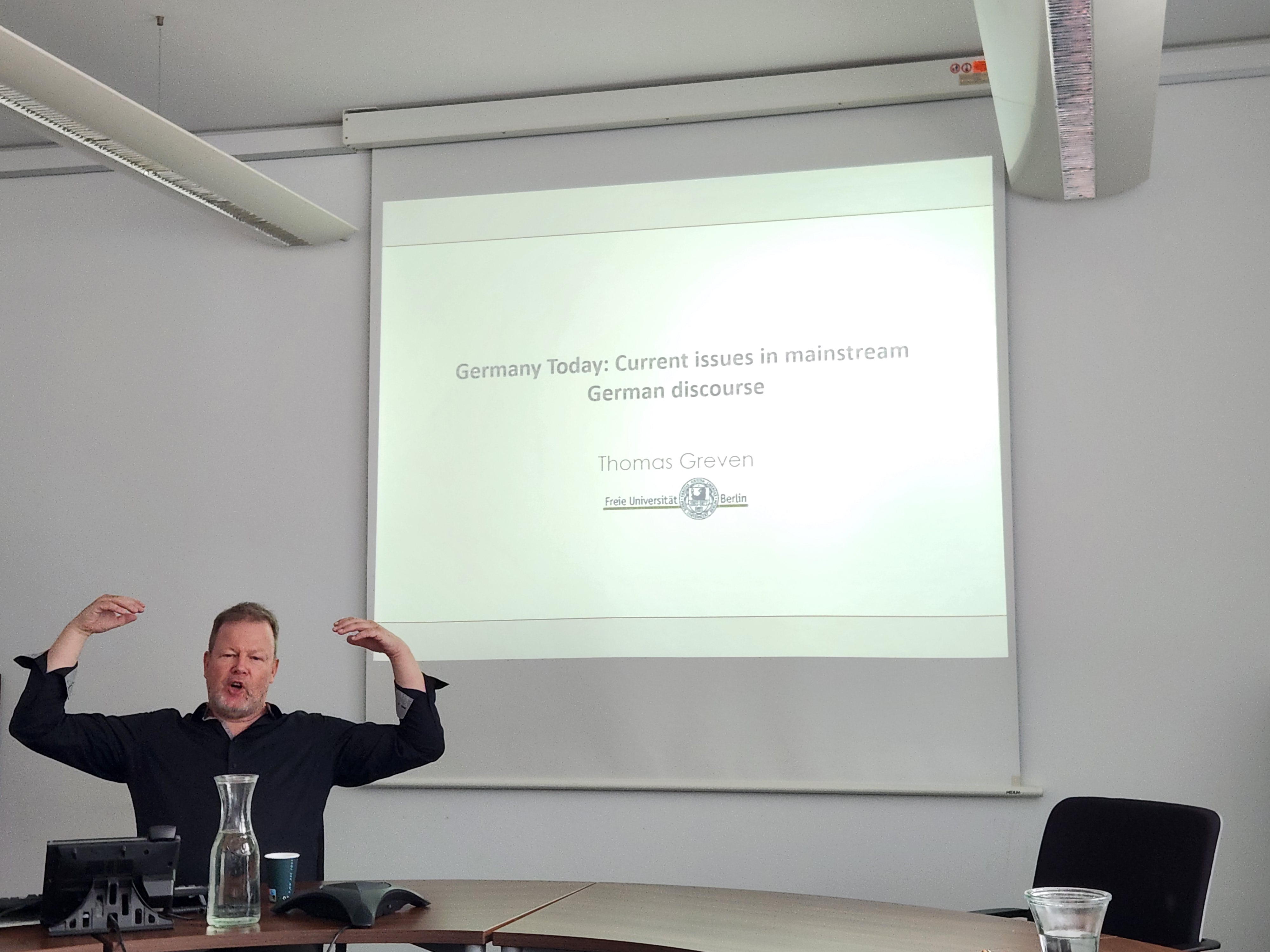
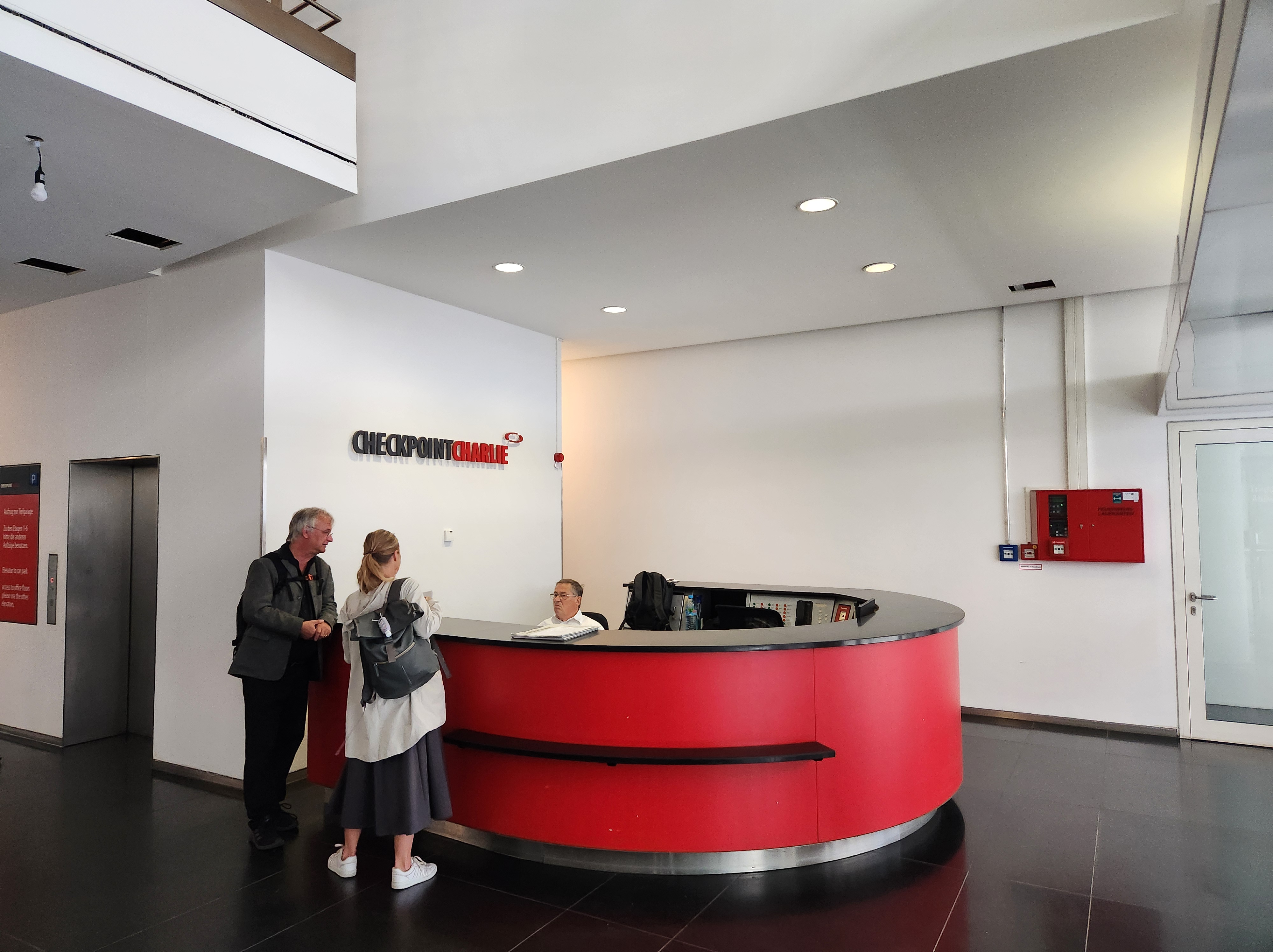
Near Checkpoint Charlie, we met with Professor Thomas Greven who teaches American Politics at the Free University of Berlin for a presentation titled “Germany Today”. During our program, we have gained insight into how the educational system works as well as how the coalition political structure functions within Germany and the impact on the government. Much of the focus has been on the residual effect of communism and the transition at the end of the Cold War. The contrast between the East and West is still significant, with profound implications in German politics today. This can be seen in the troubling rise of far-right political elements today.
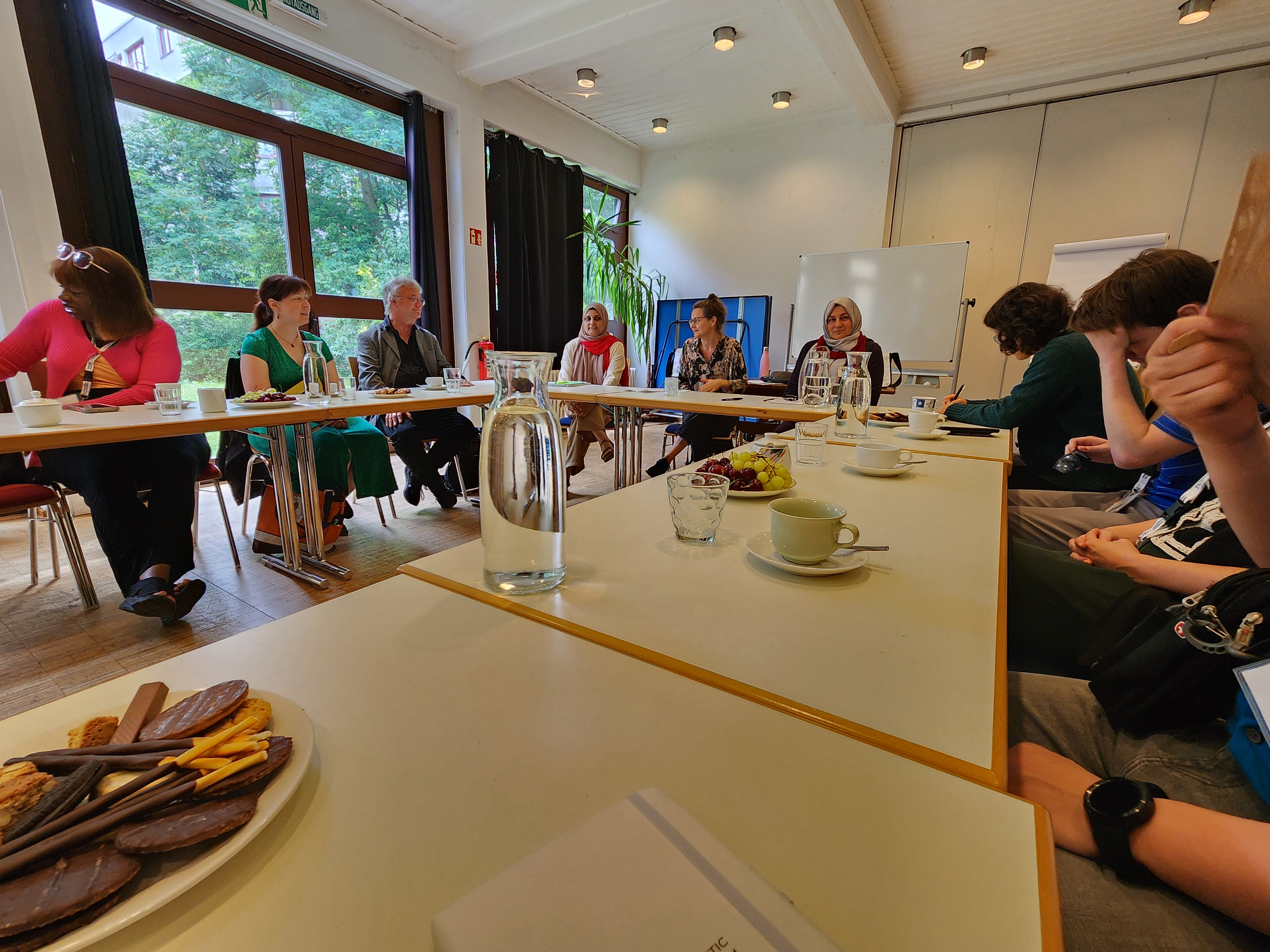
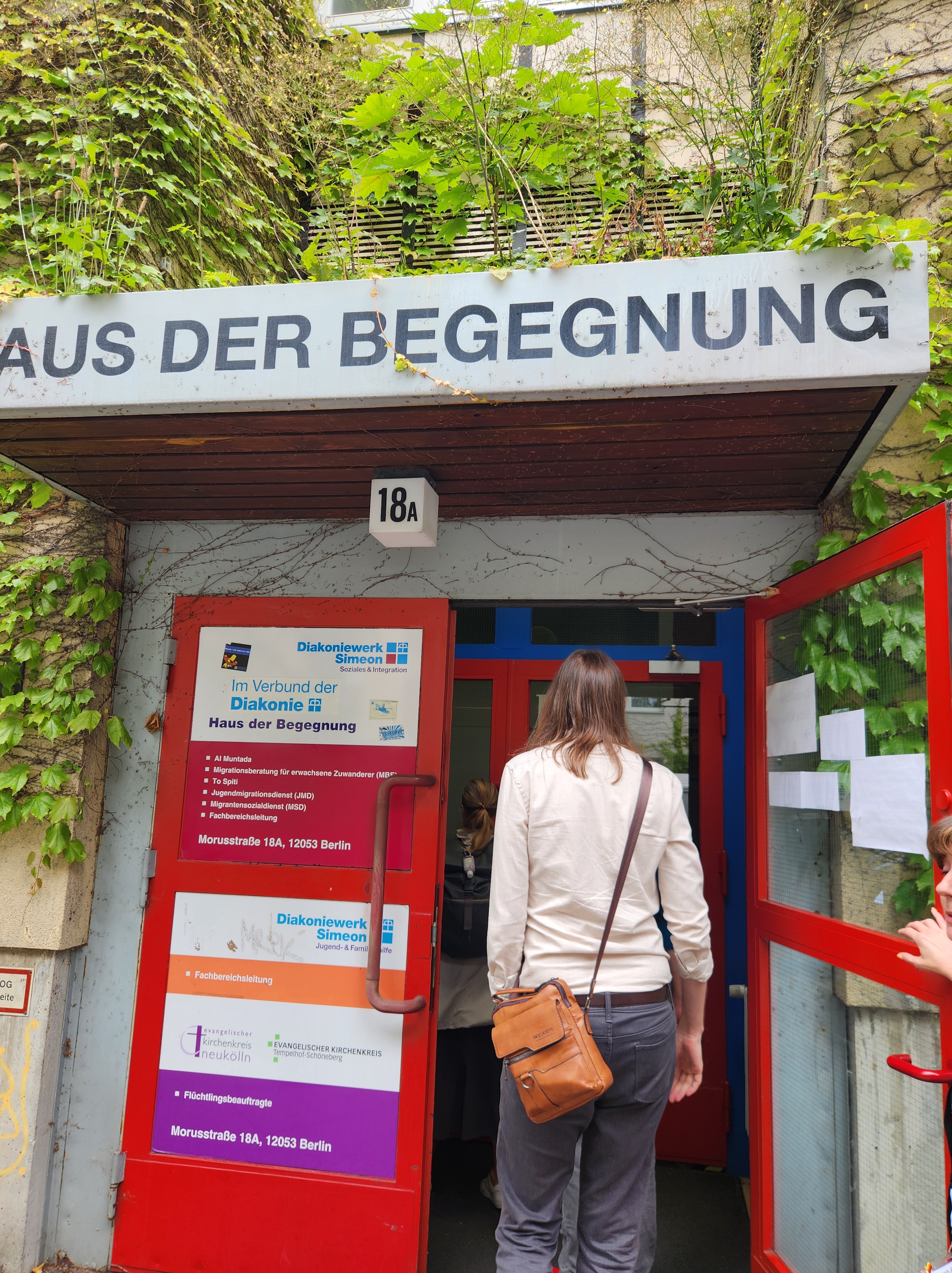
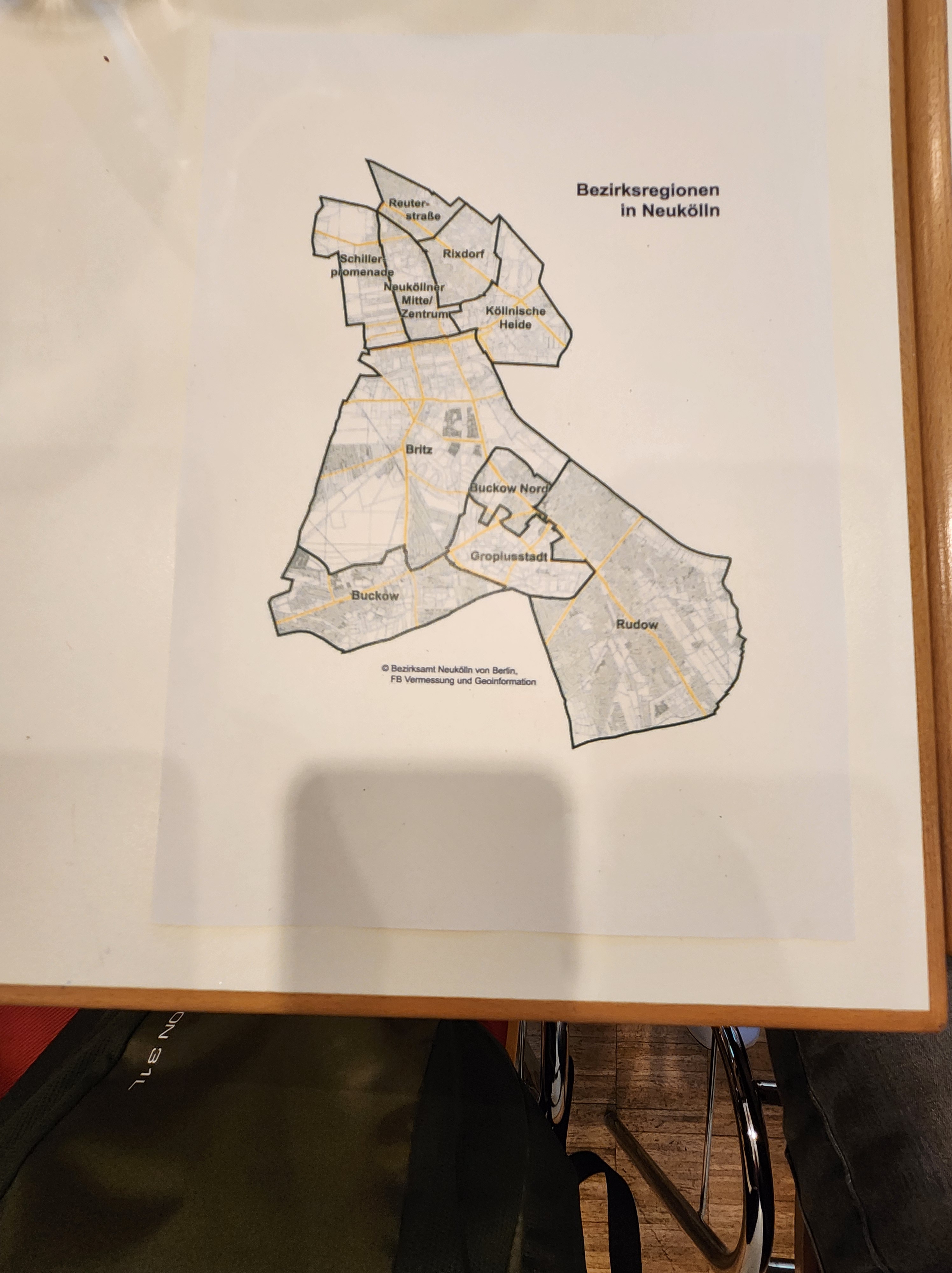
In the afternoon of Day 8, we met with a couple of women who have started a program called the Quarter (neighborhood) Mothers Project. One of the women was from Syria and the other from Turkey and they, along with many others, have become liaisons between migrant families and the systems such as education, healthcare, etc, within Germany. They provide translation services, workshops, job coaching, and mentorship for the migrant families of Berlin. It has grown to 100 certified “mothers” now and includes speakers of the 18 primary languages in the neighborhood. The impact of these women and their efforts to connect through the “language of a mother” is a real game changer!

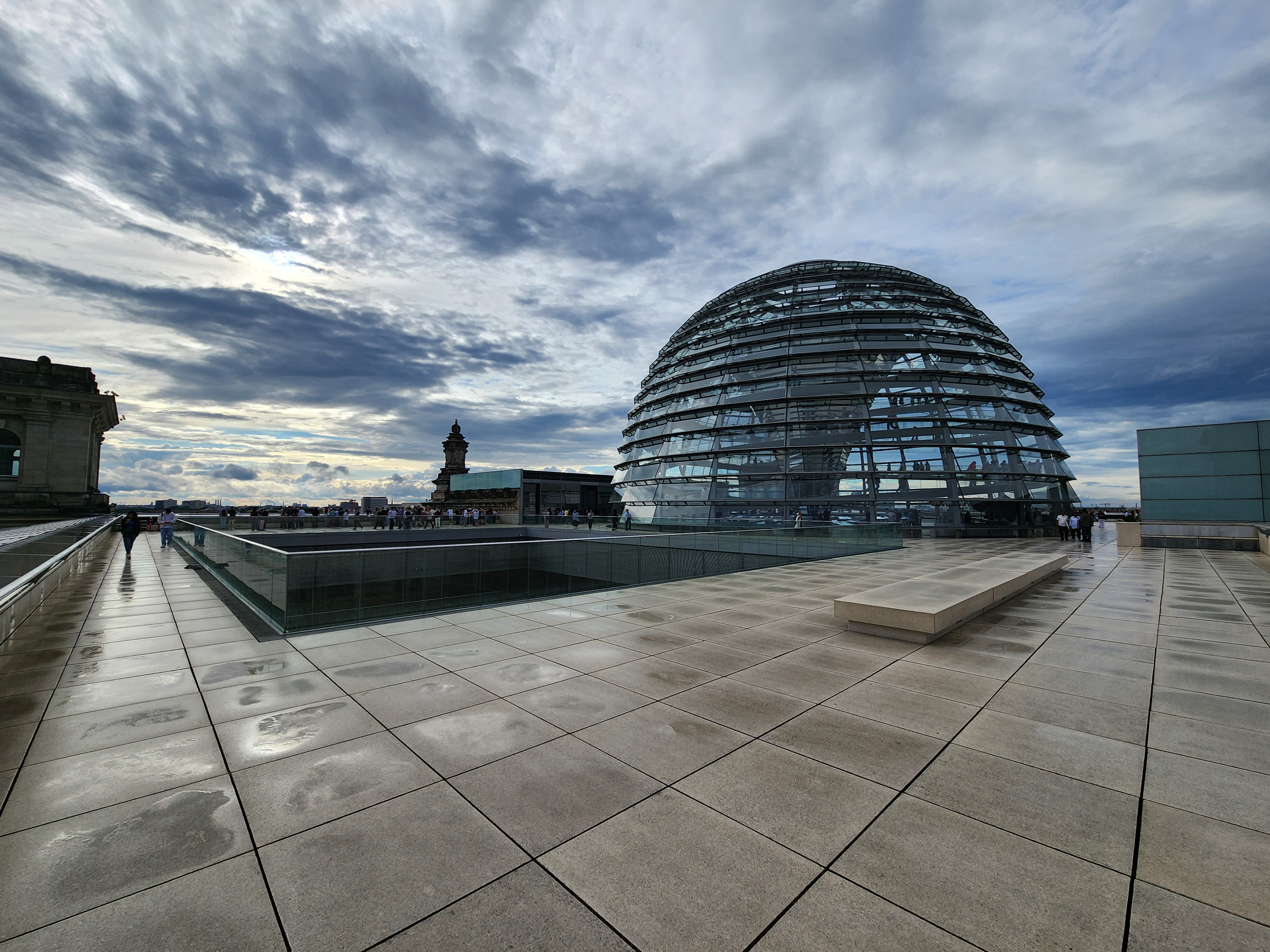
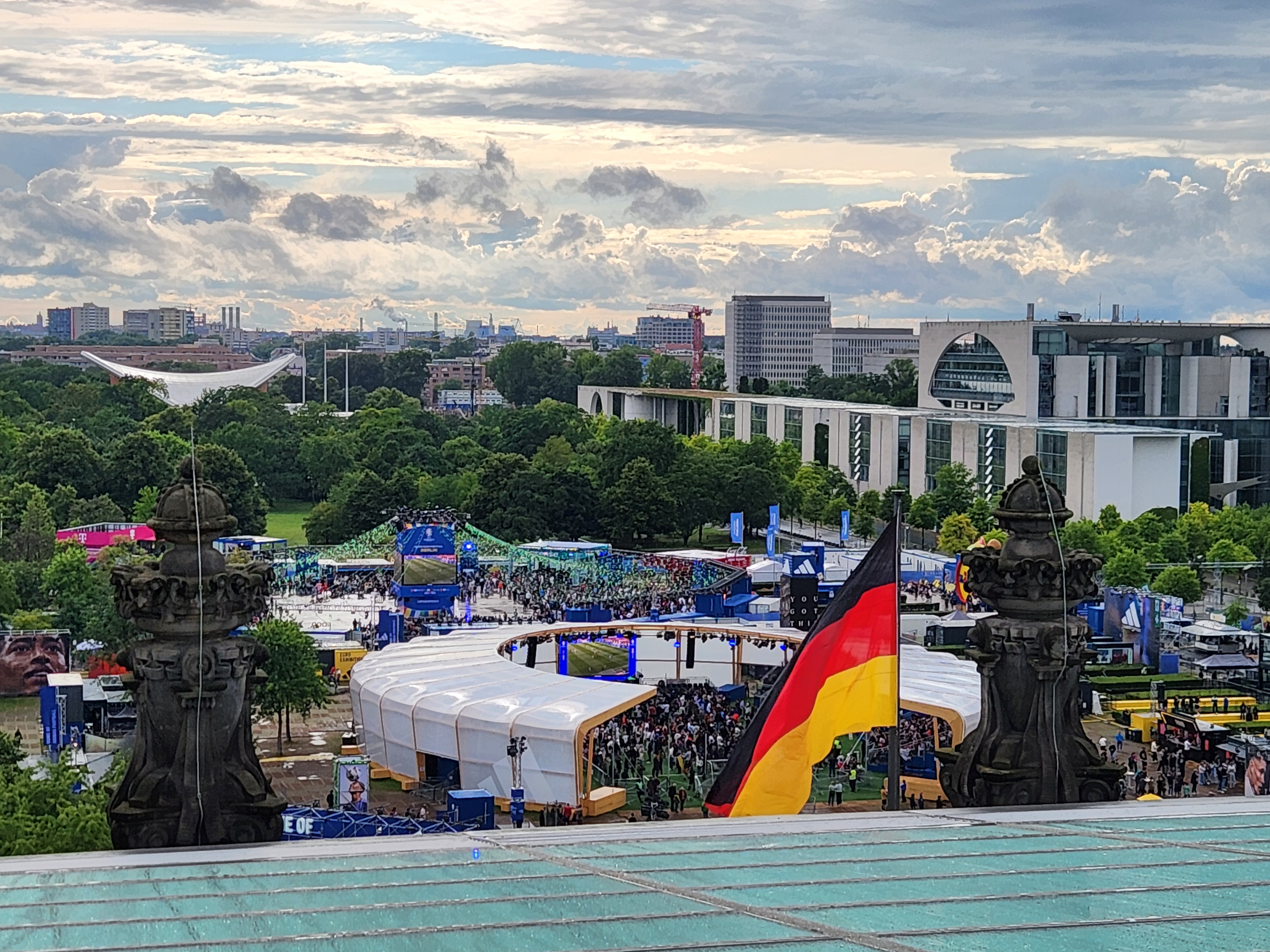
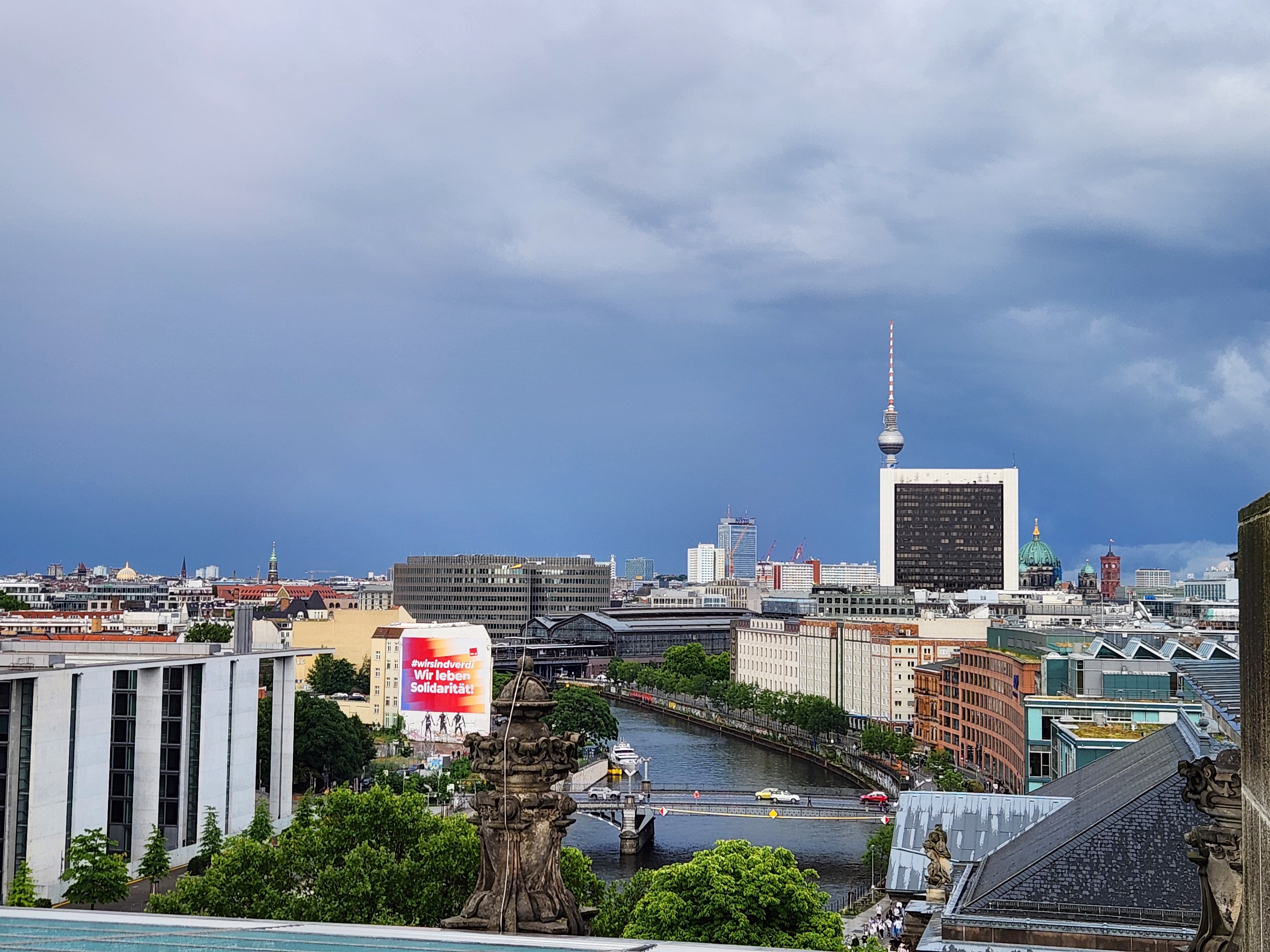
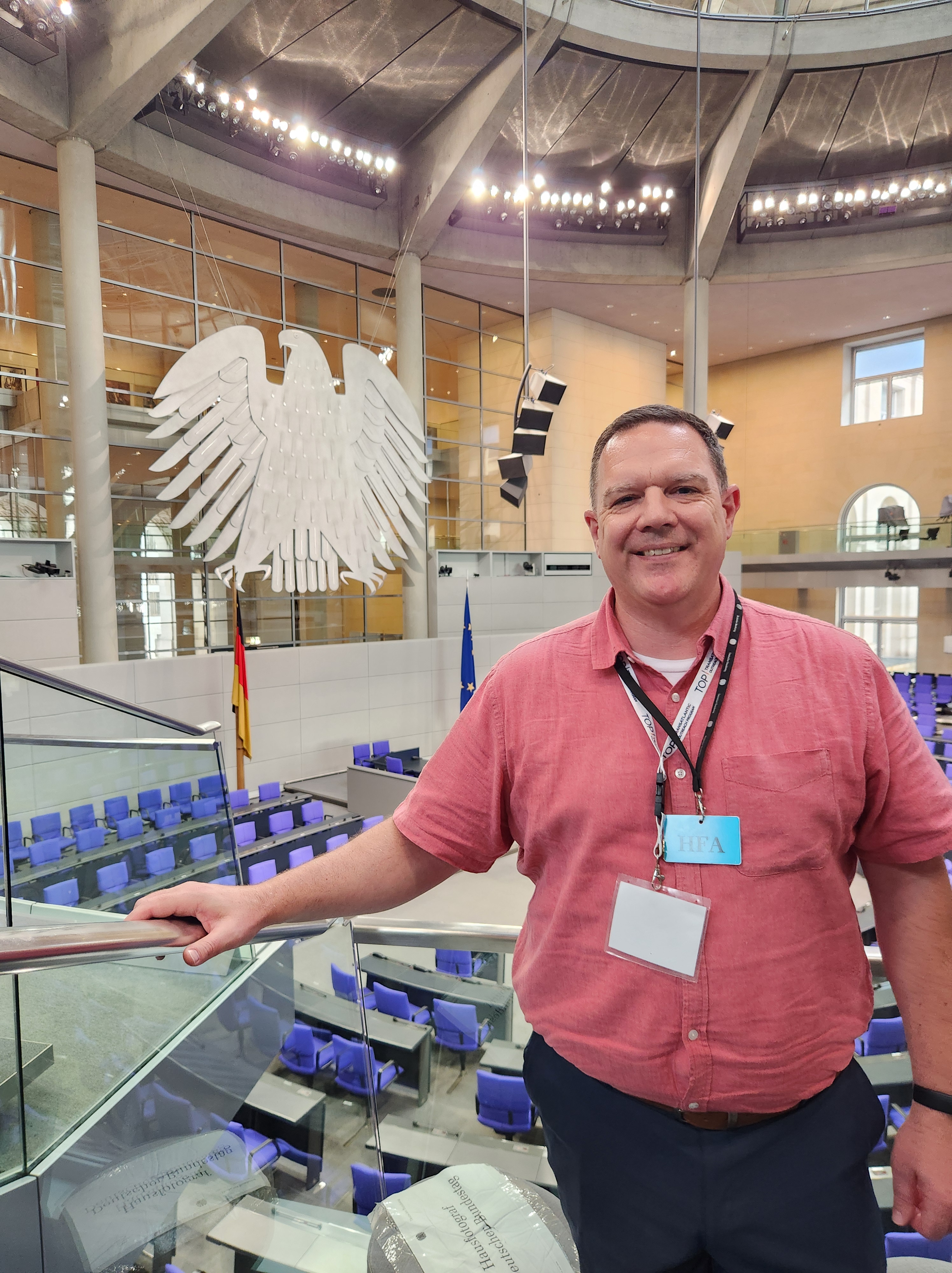
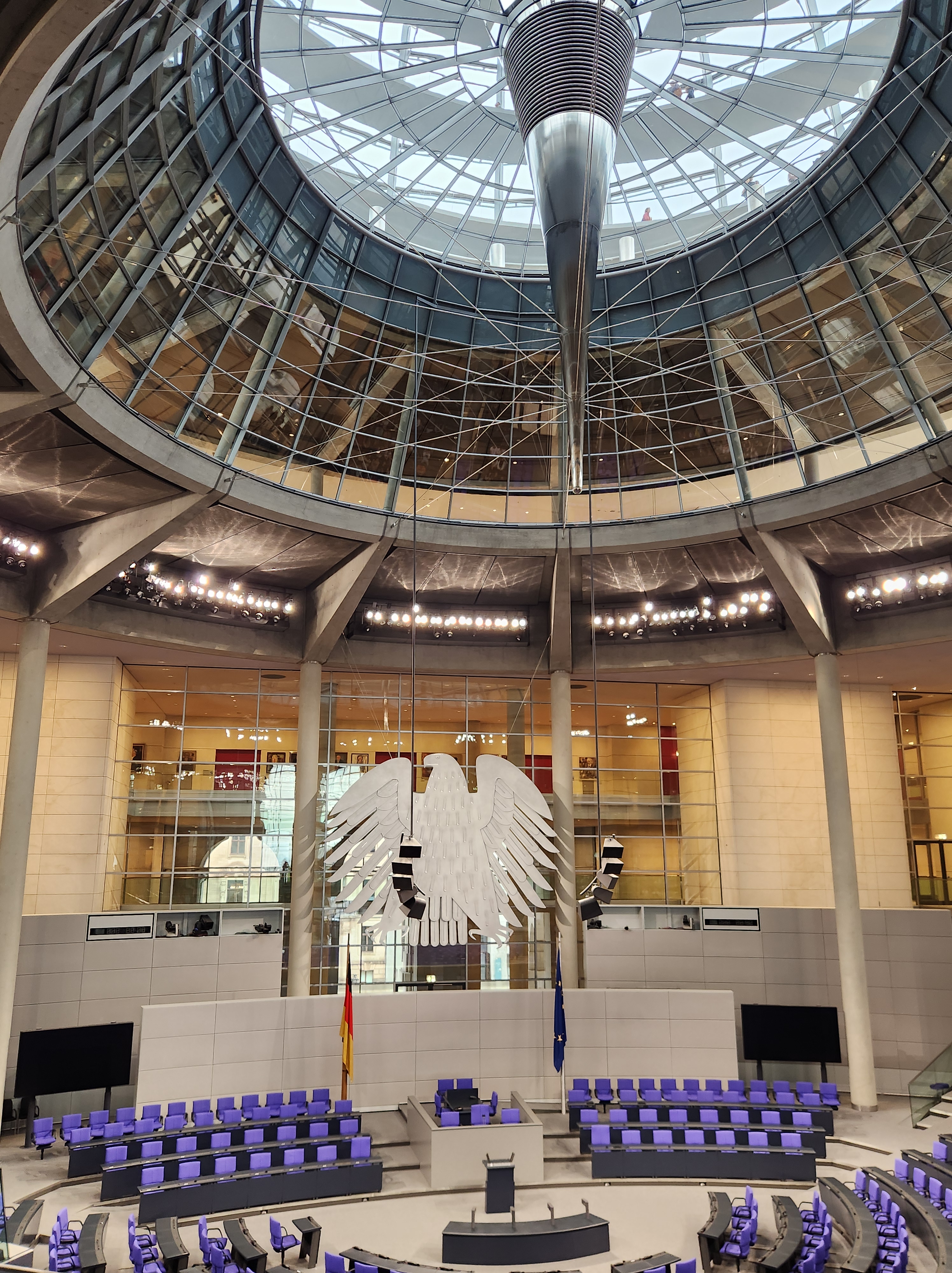
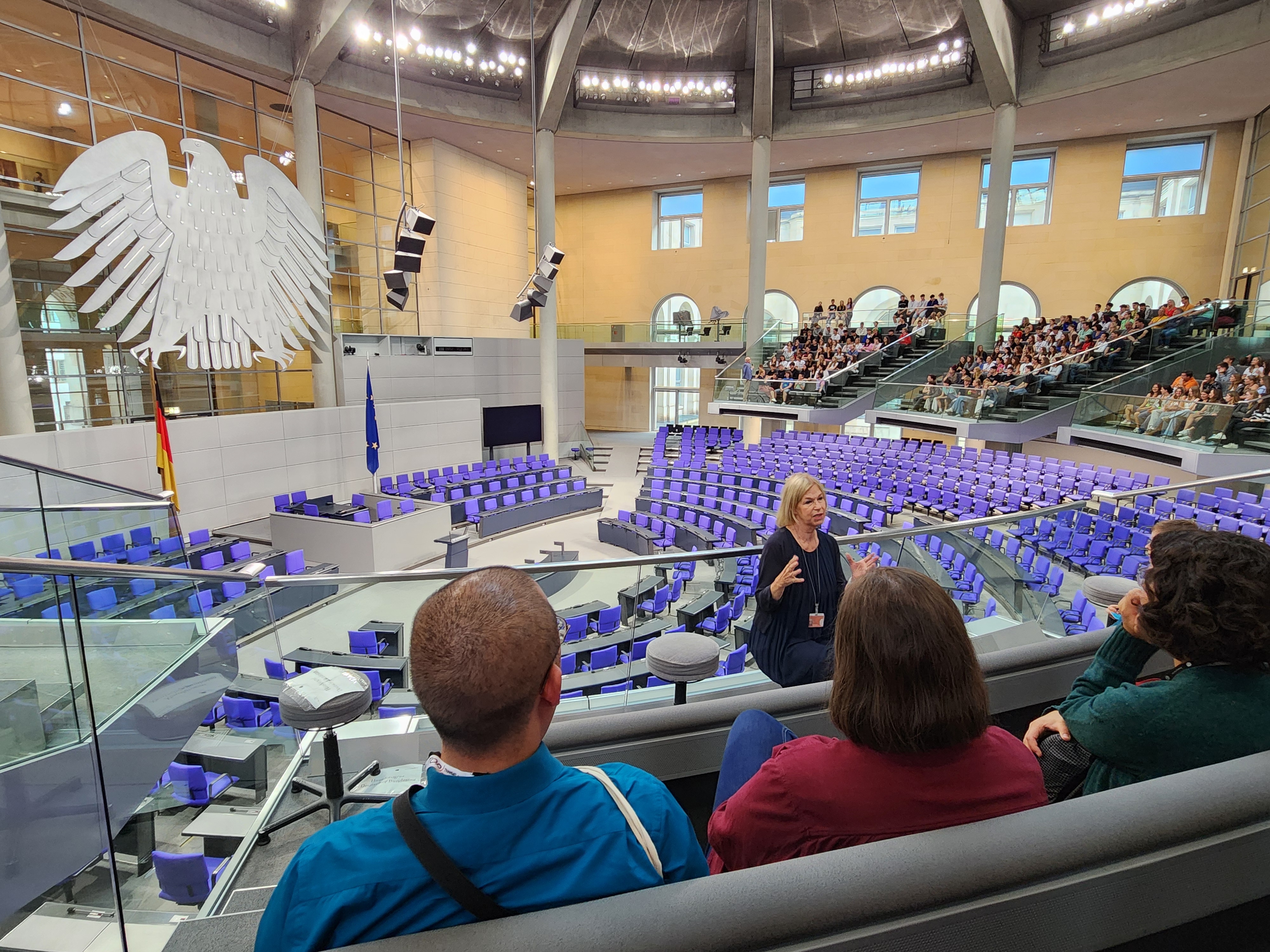
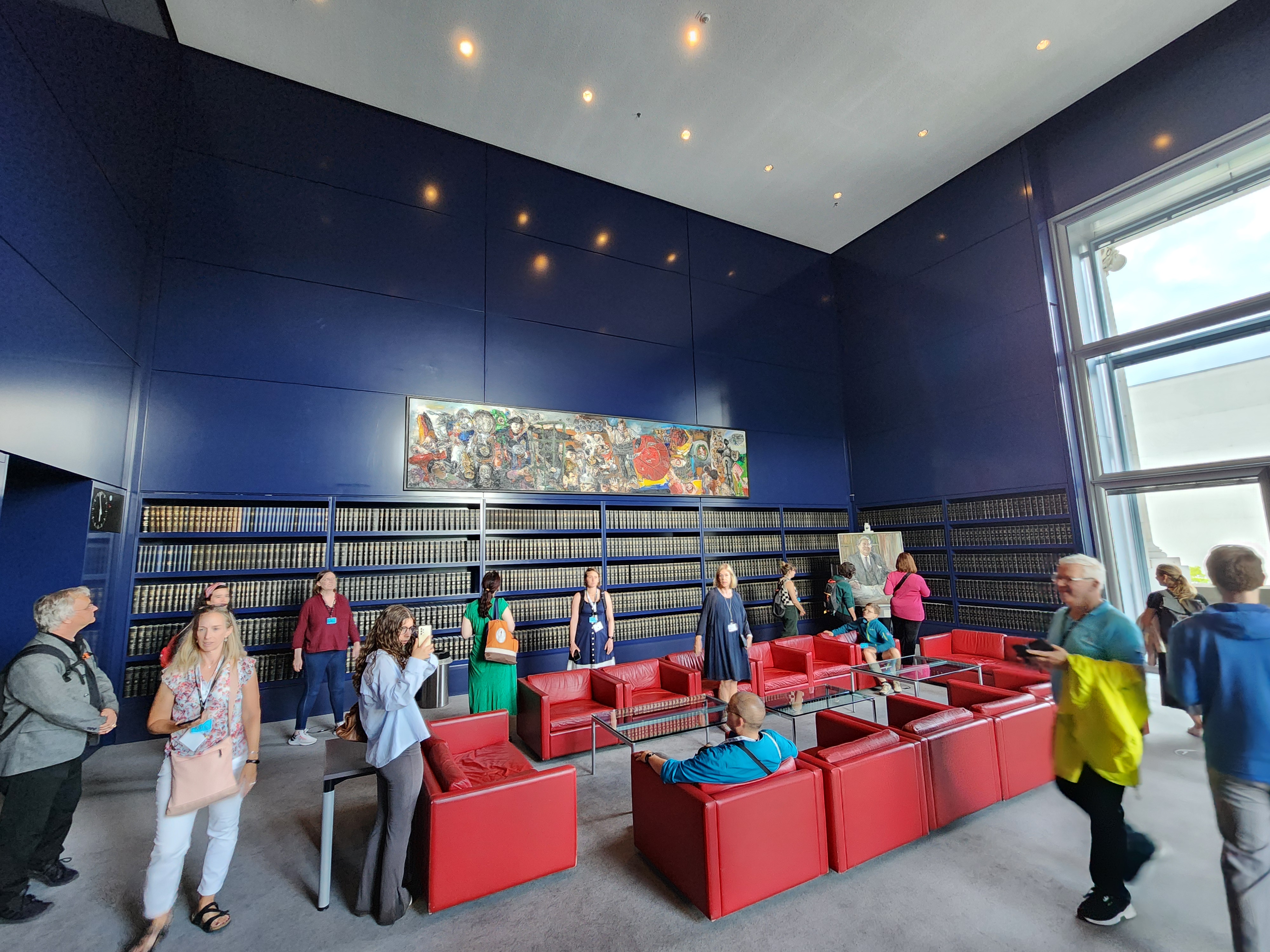
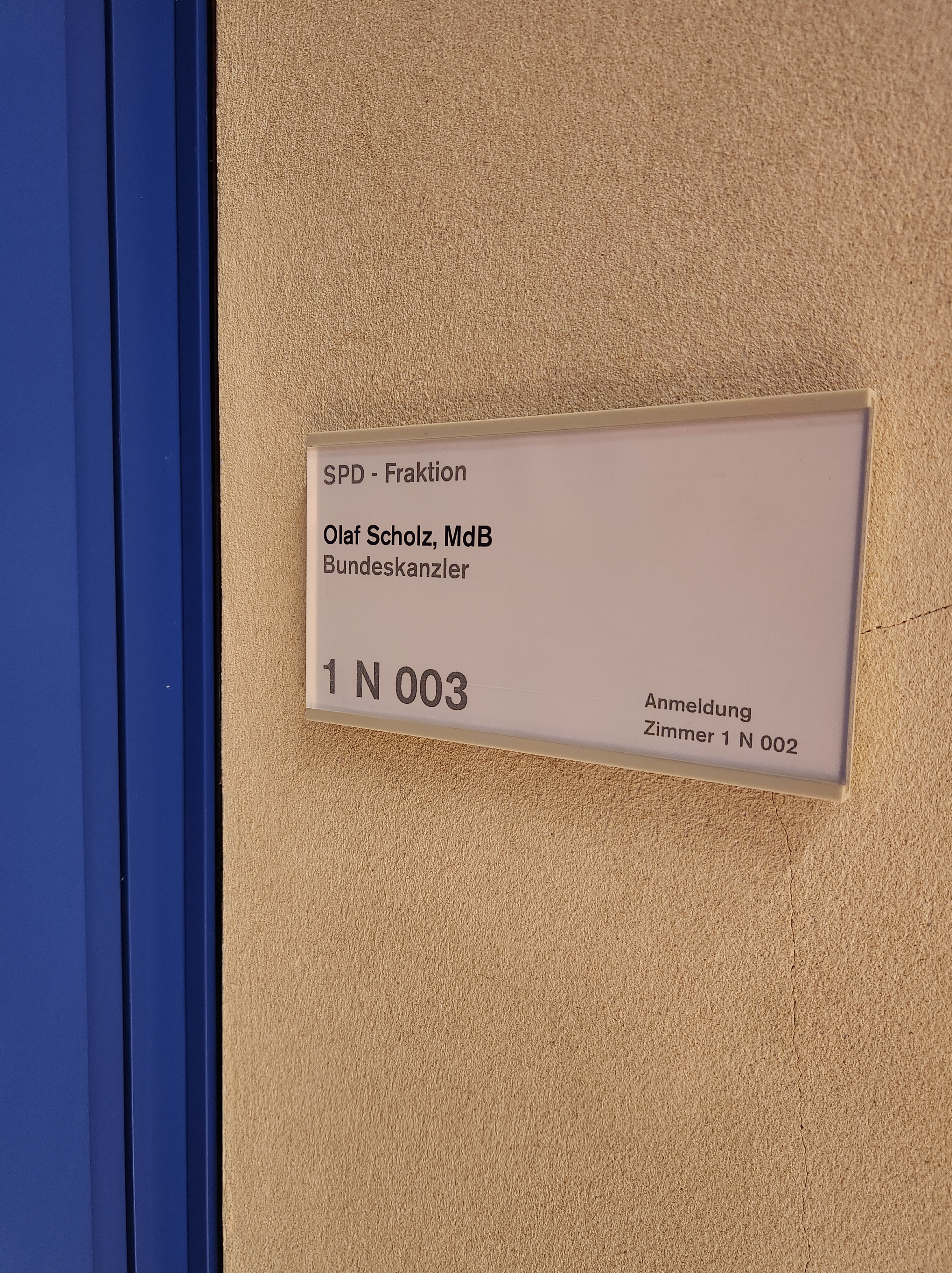
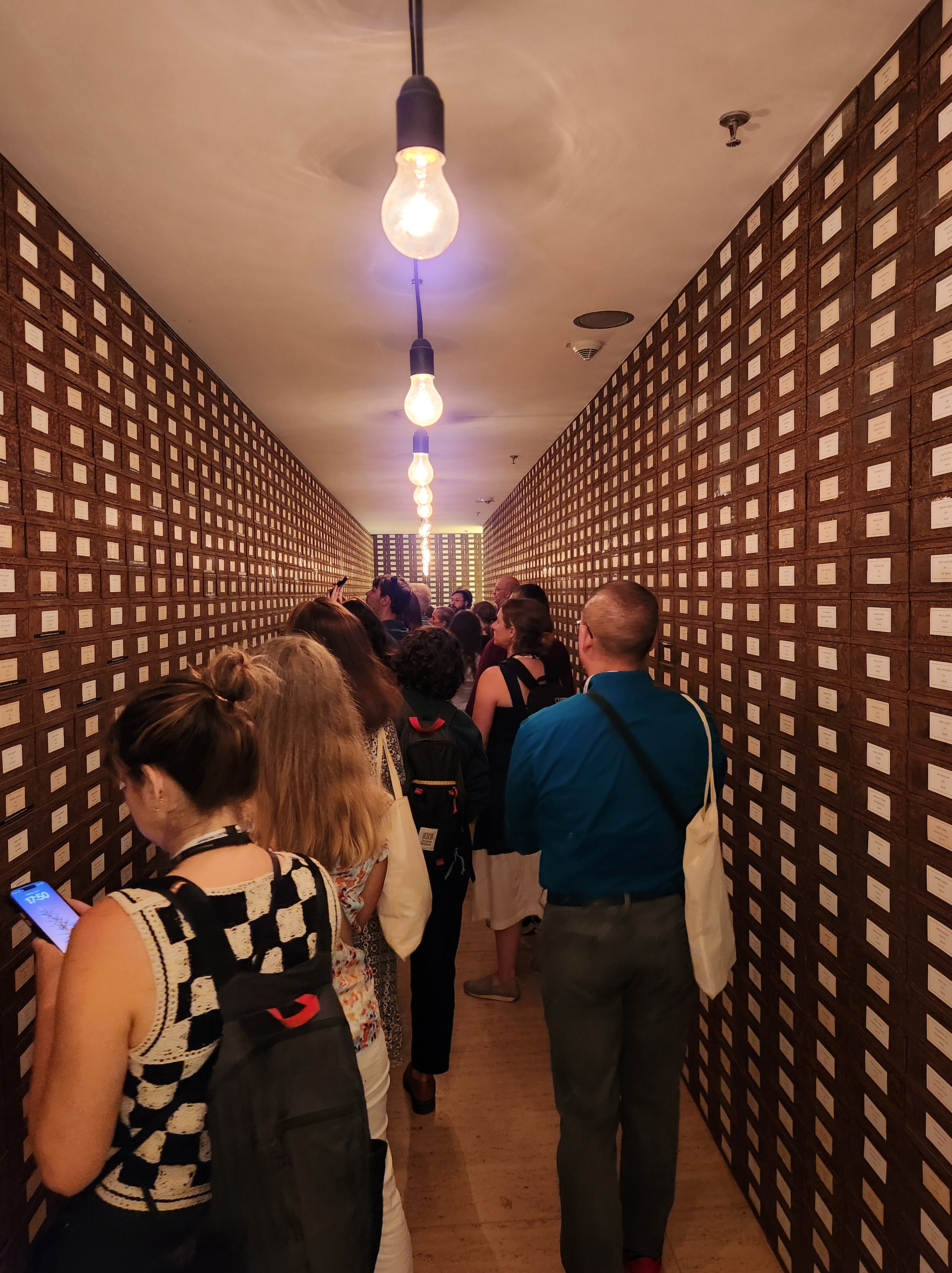
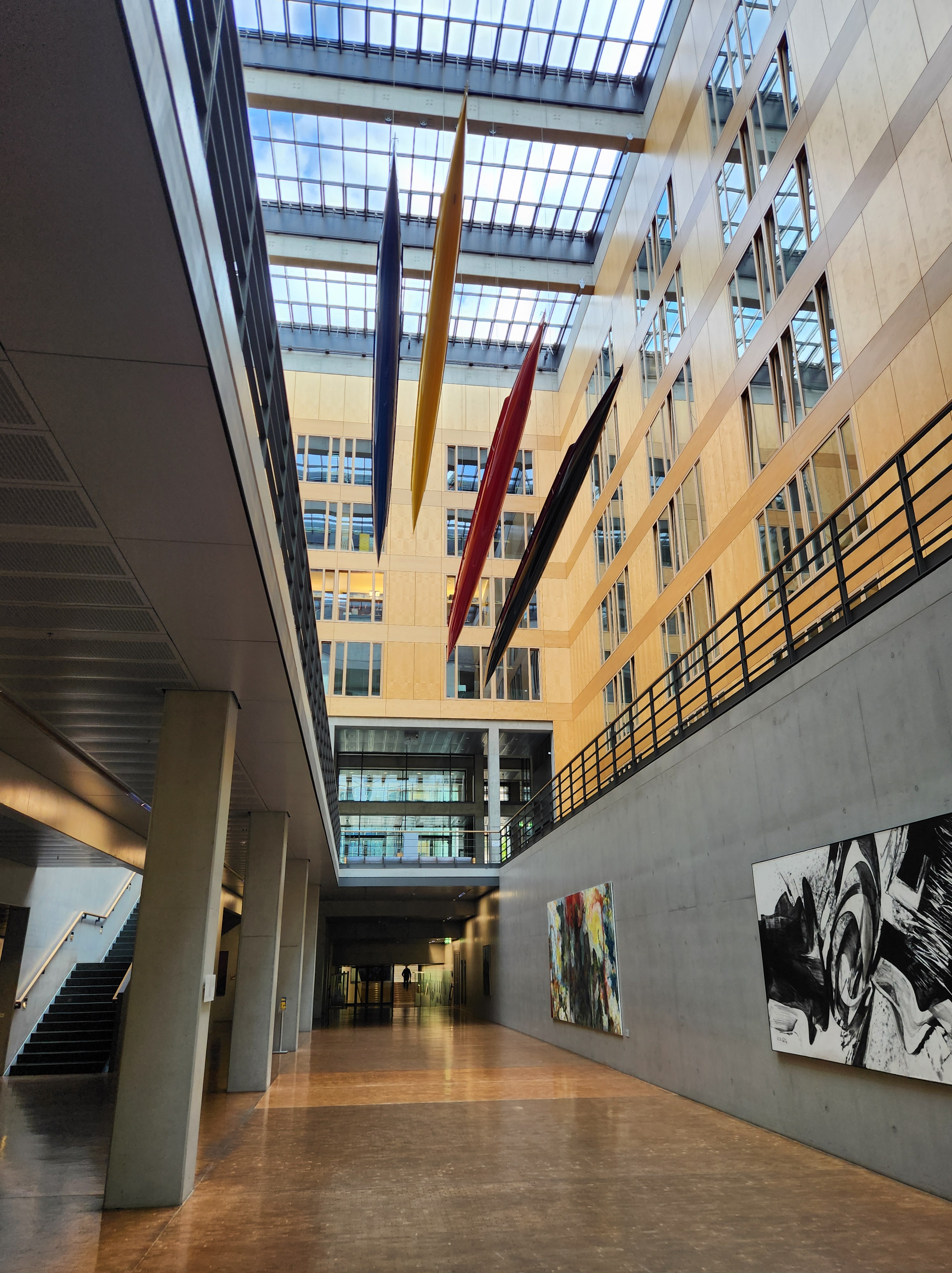
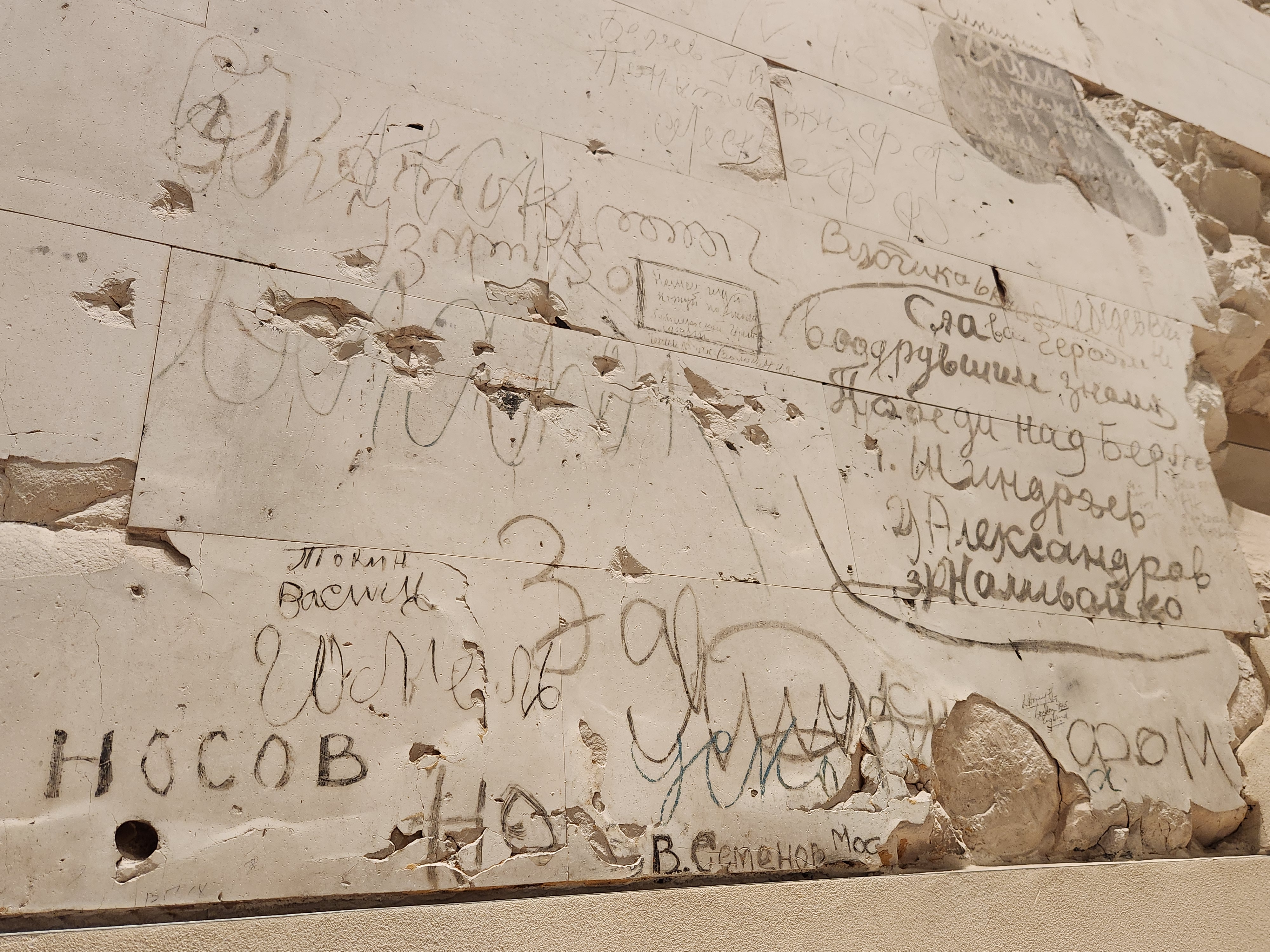
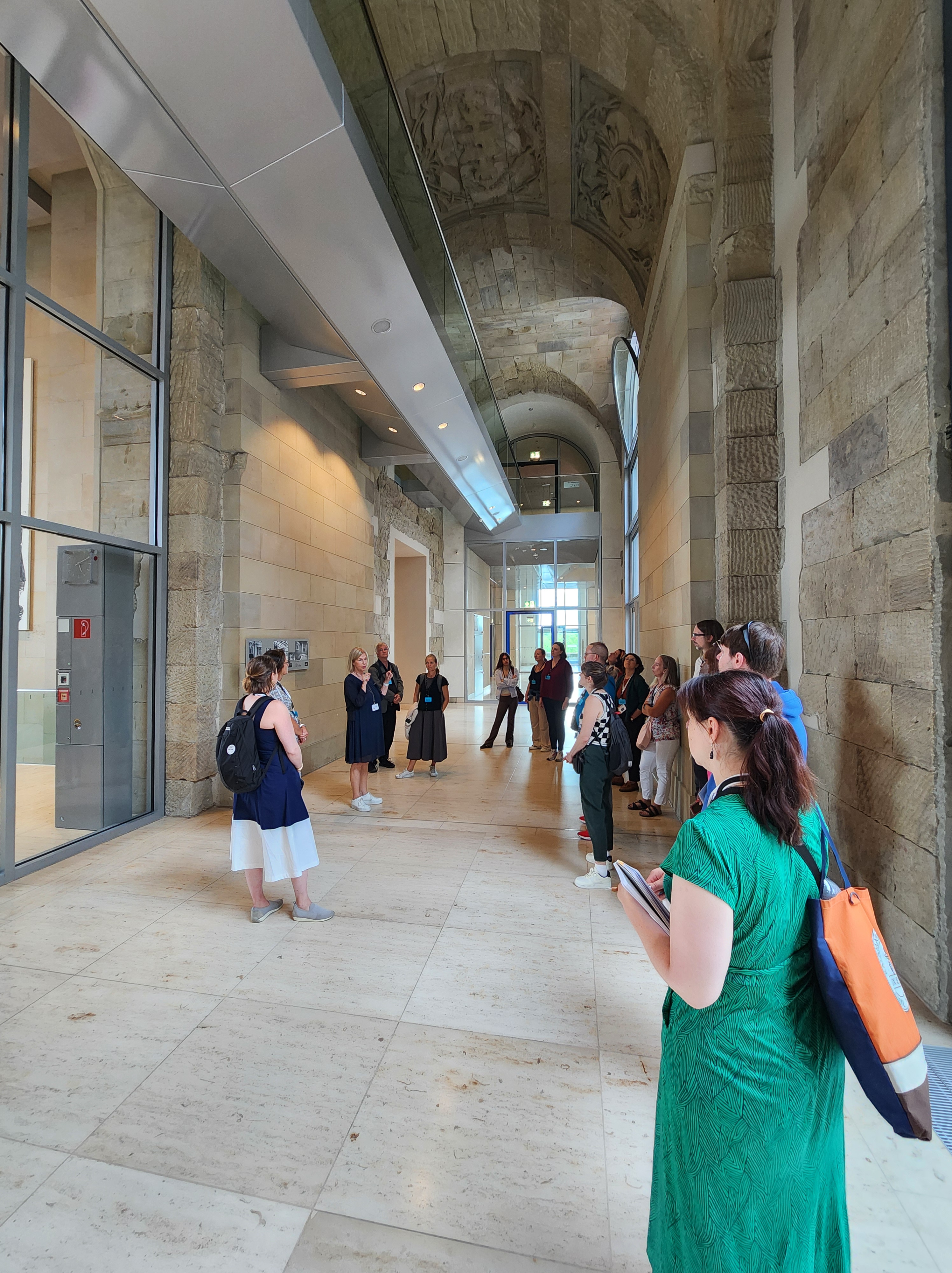
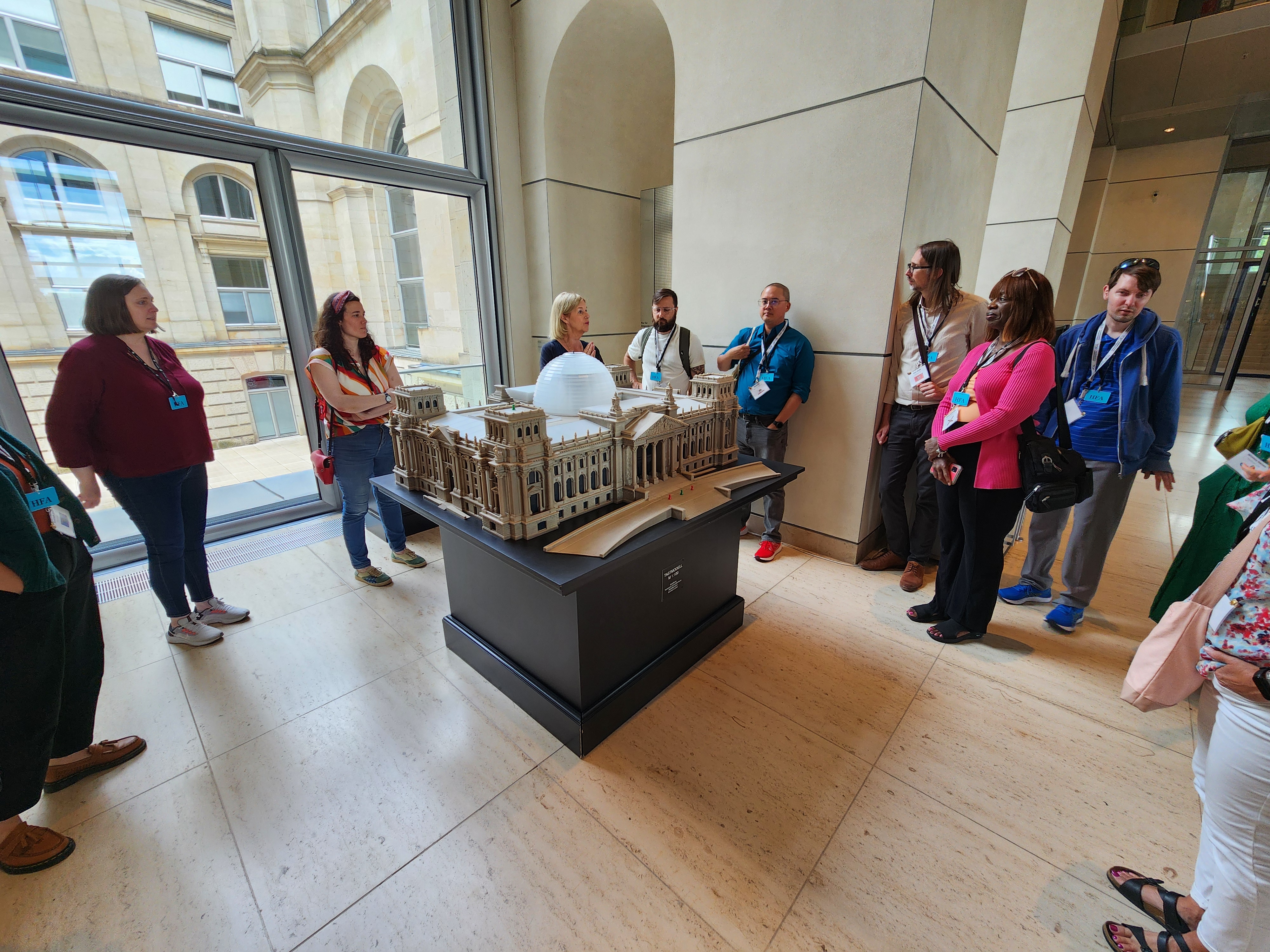
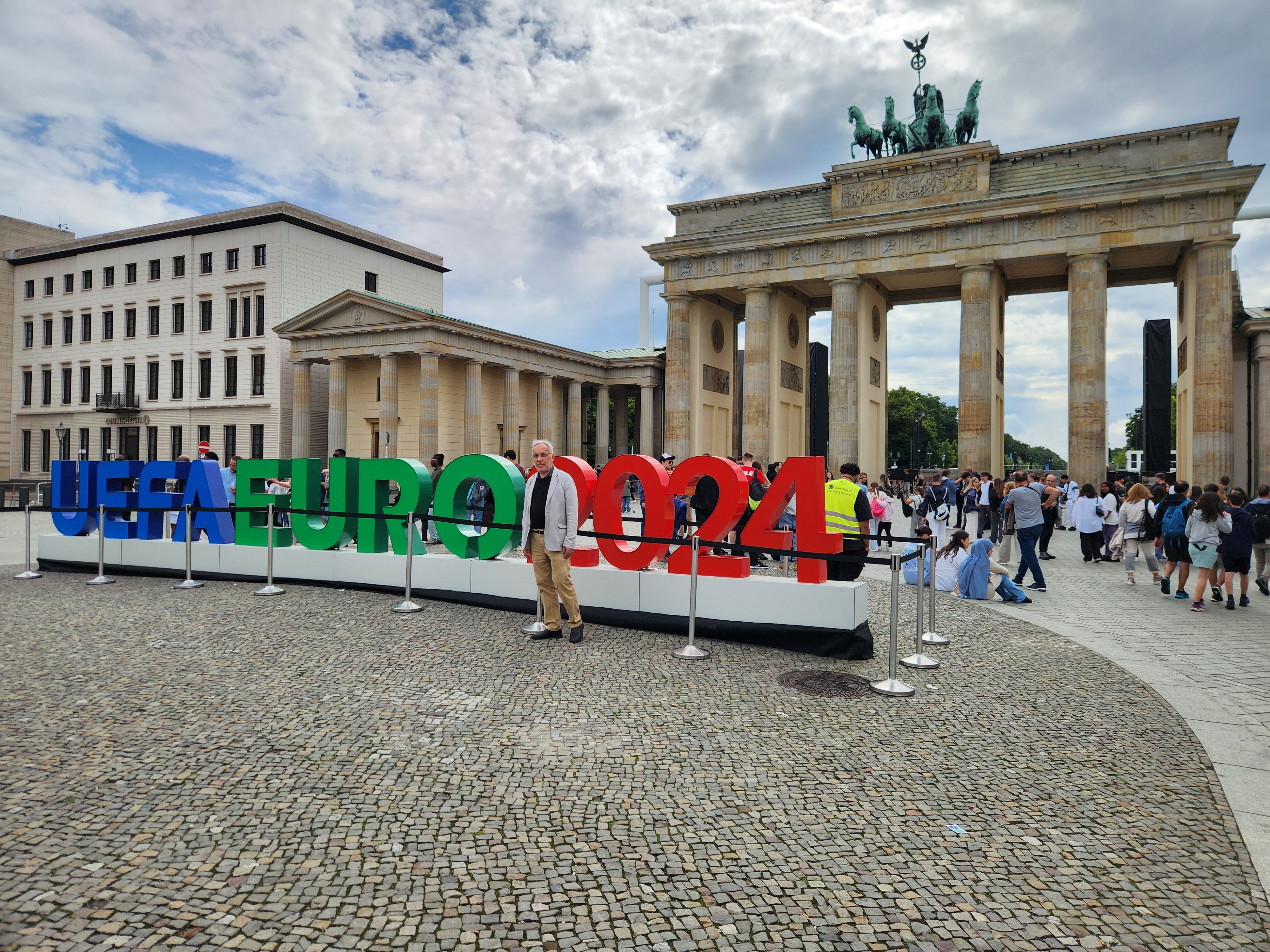
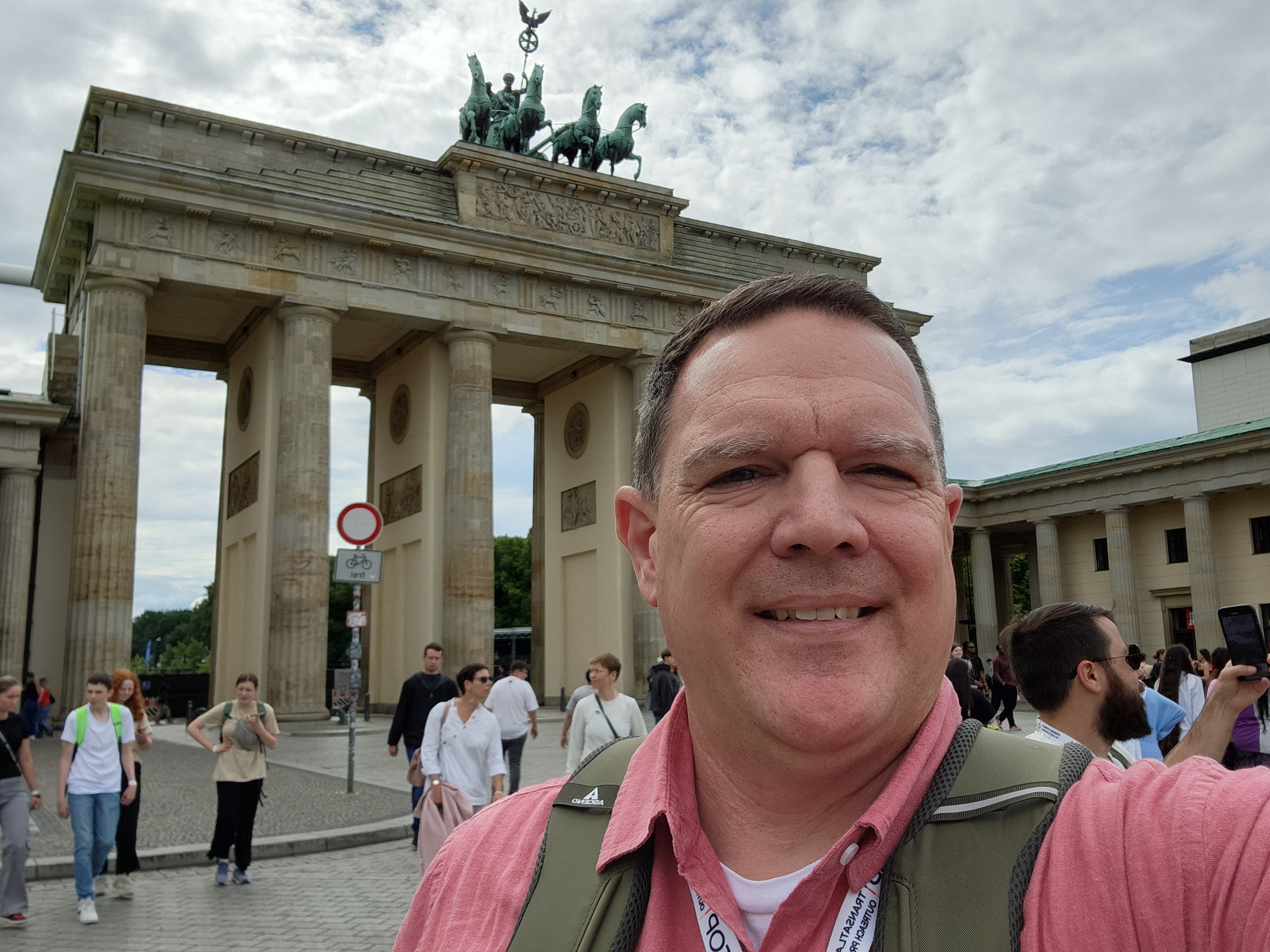
The last engagement on Day 8 was a tour of the Reichstag. There is a lot of history in this building and it’s the seat of the German government today. We toured the interior, explored where the parliament meets, and saw the office of the current German Chancellor, Olaf Sholtz. The tunnels that connect the Reichstag with the offices in the surrounding buildings even demonstrate how the building literally sits directly on top of where the Berlin Wall once divided the city. Many of the historic interior walls are covered in Cyrillic writing from when the Soviet Red Army took over Berlin at the end of World War II. The roof of the Reichstag is a glass dome that is open to the public to tour and explore. The views of the city center are magnificent from atop the building, from the Spree River to the Brandenburg Gate to the Holocaust Memorial. What a great first couple of days in Berlin!

 Bill and Jeff's Historical Travel Blog