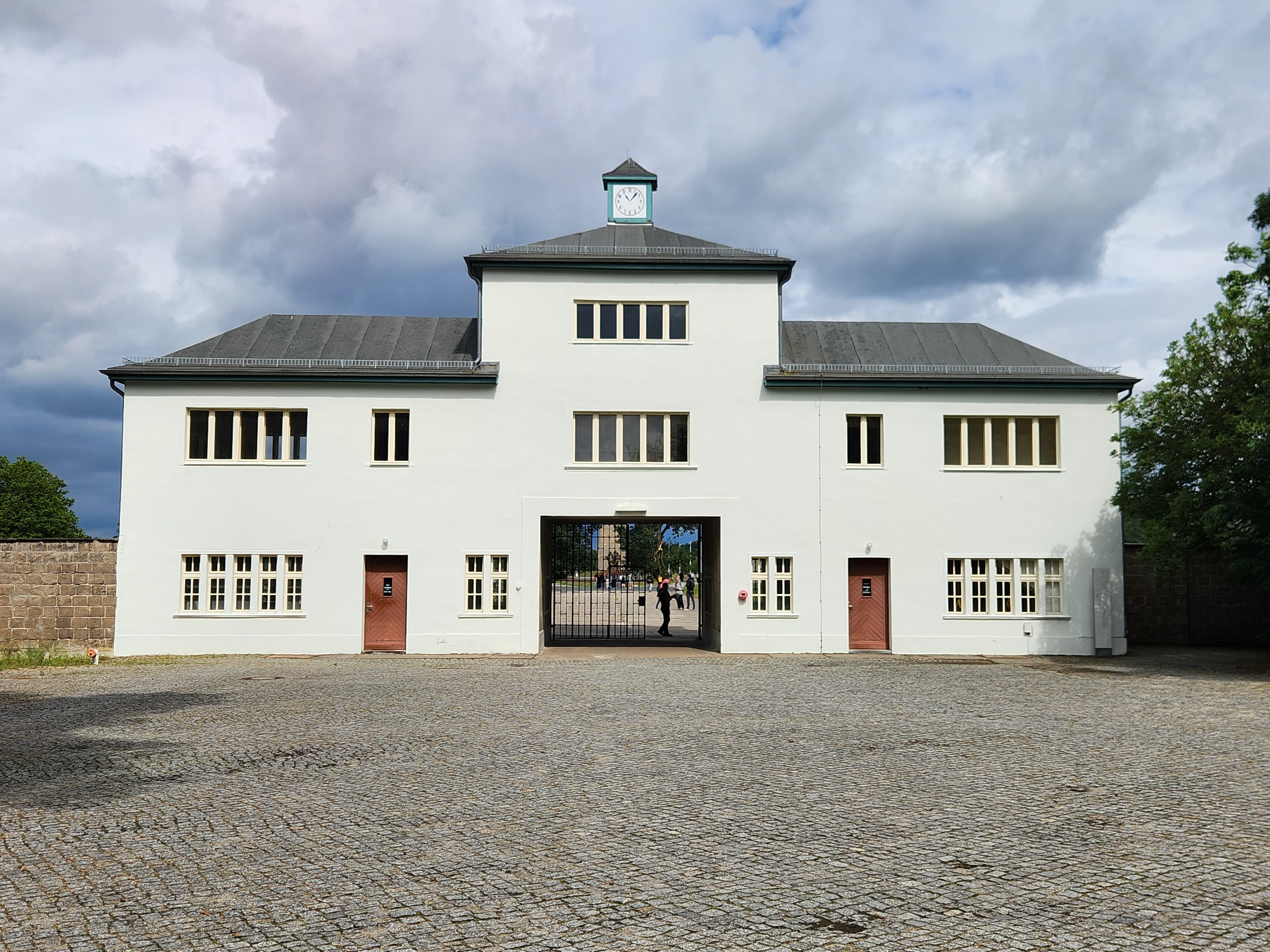
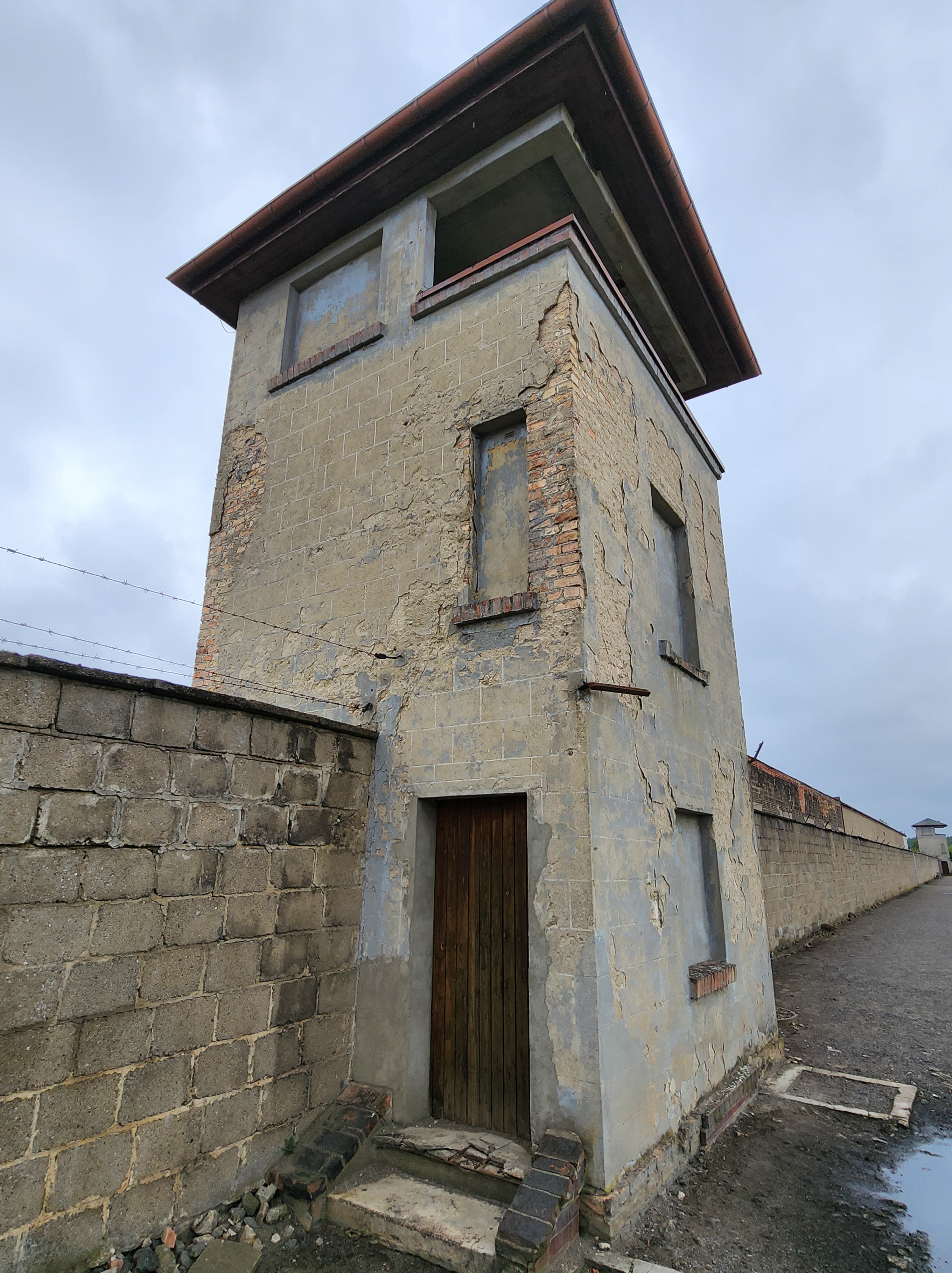
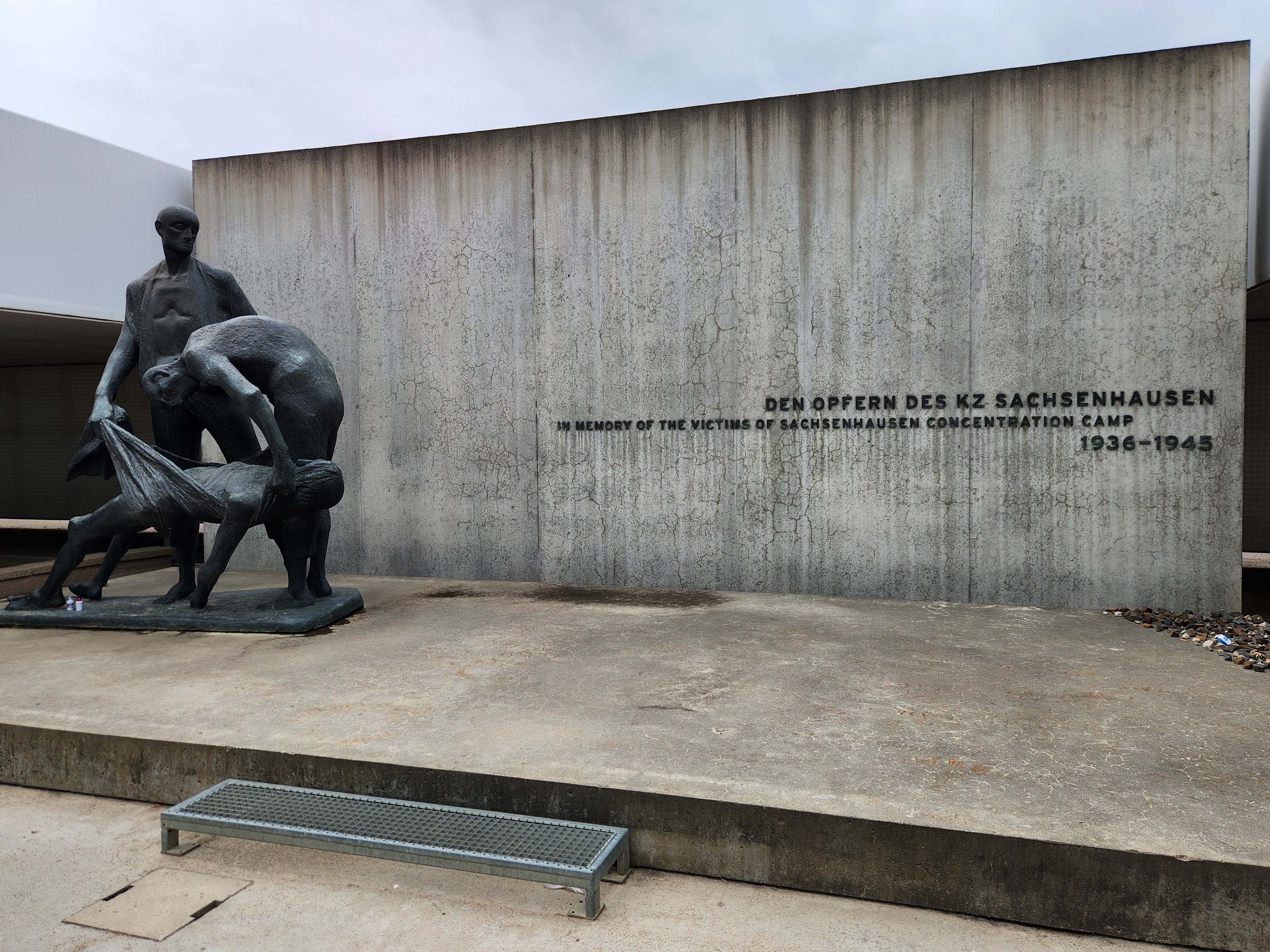
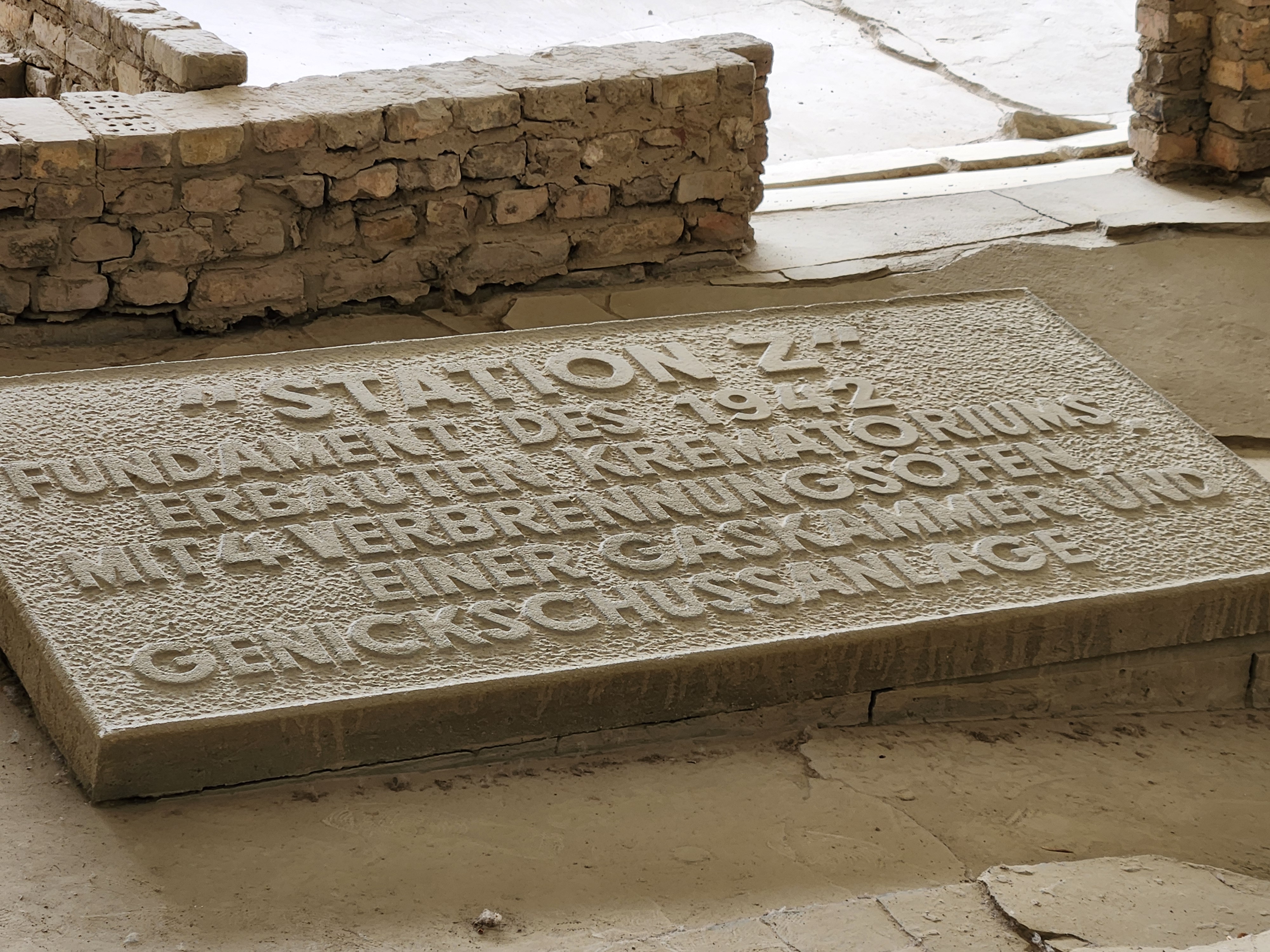
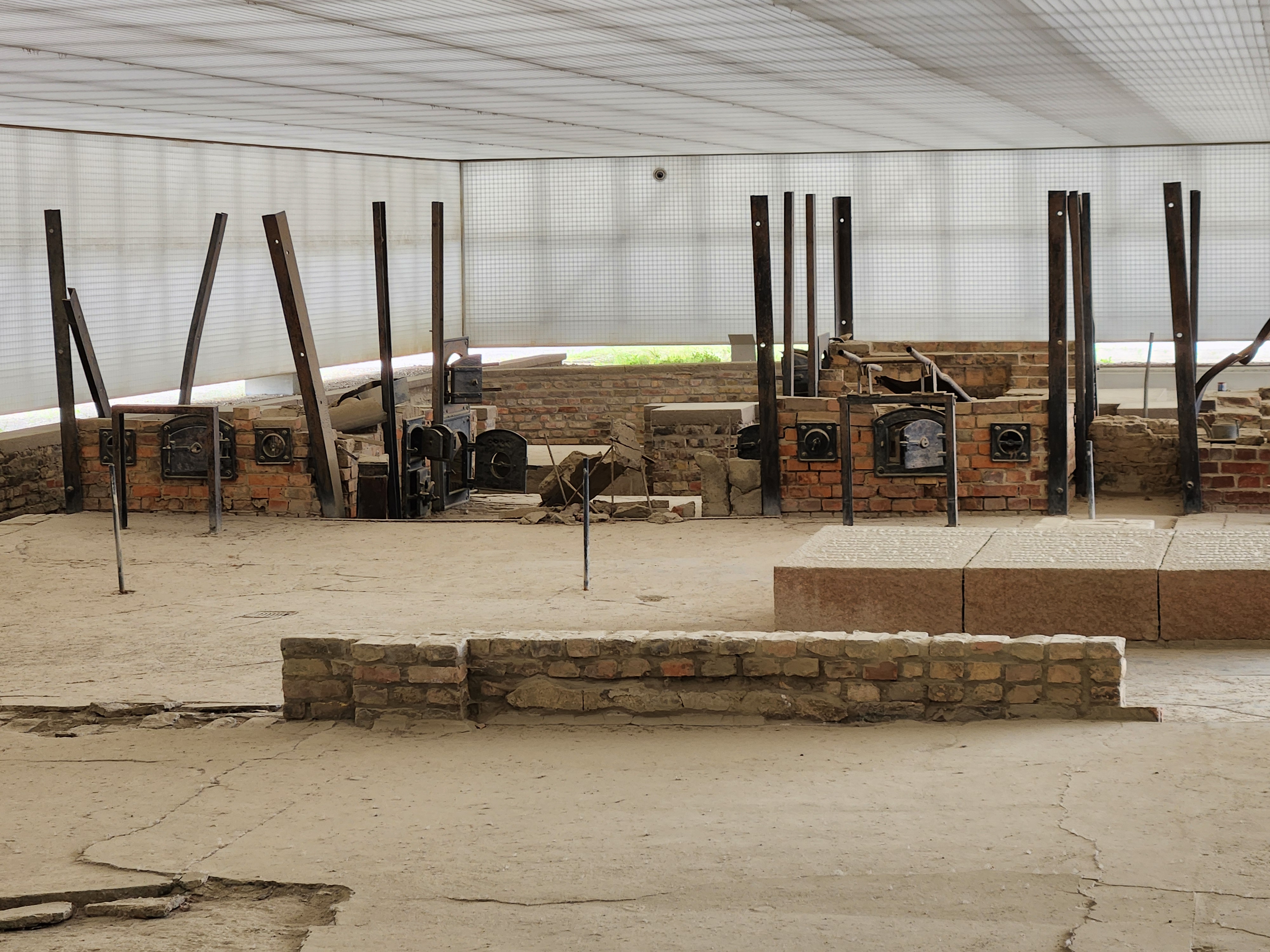
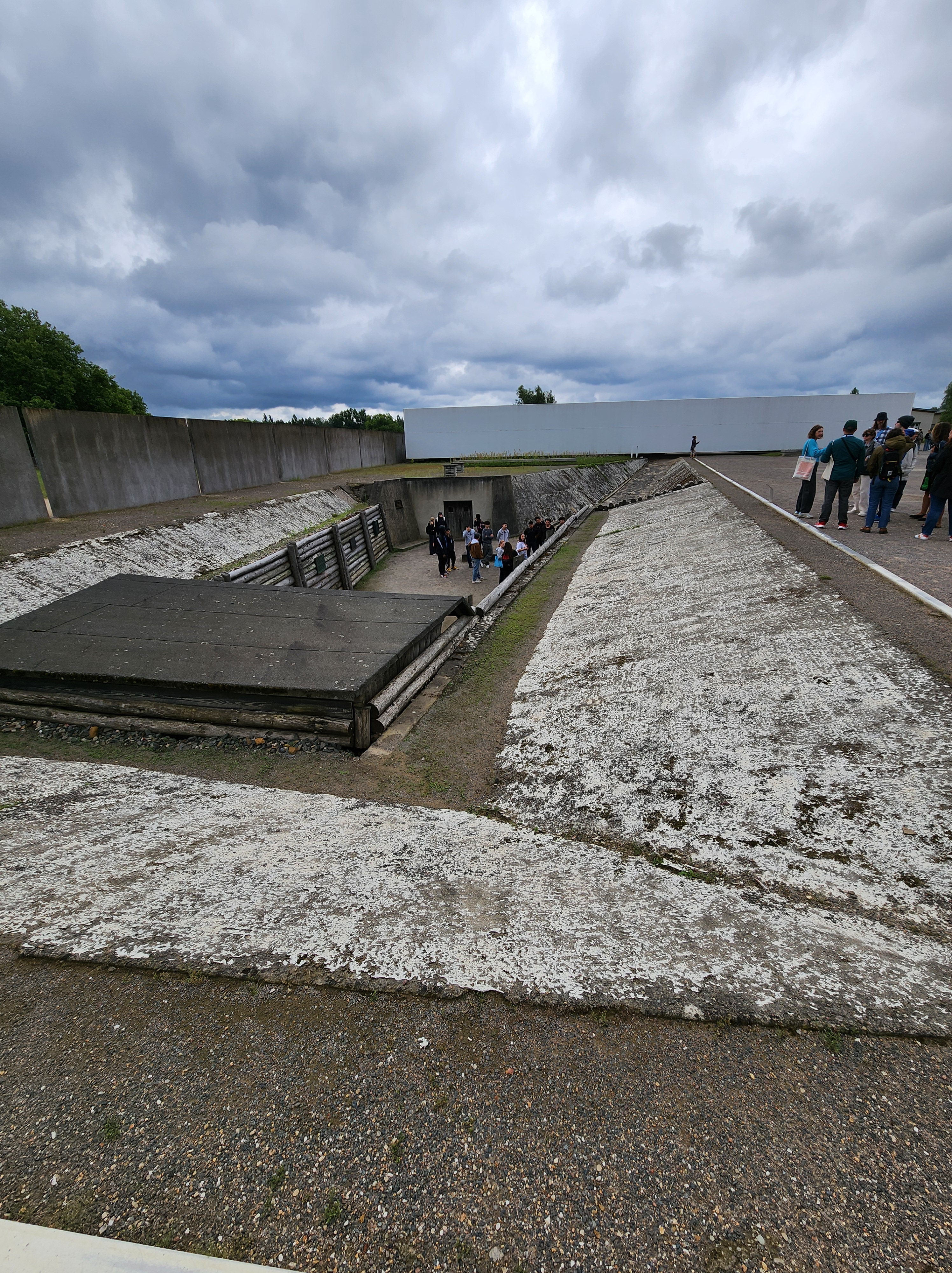
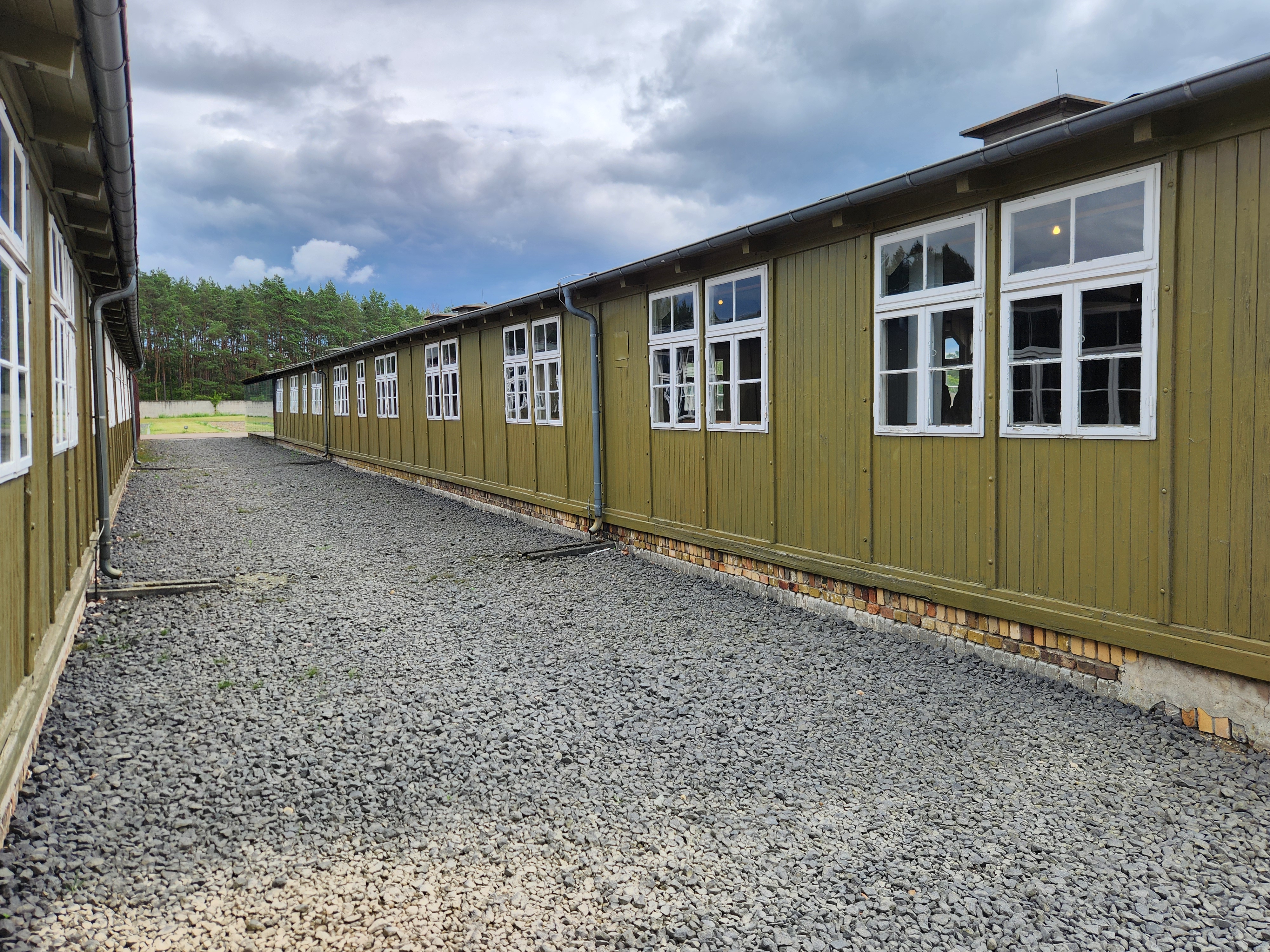
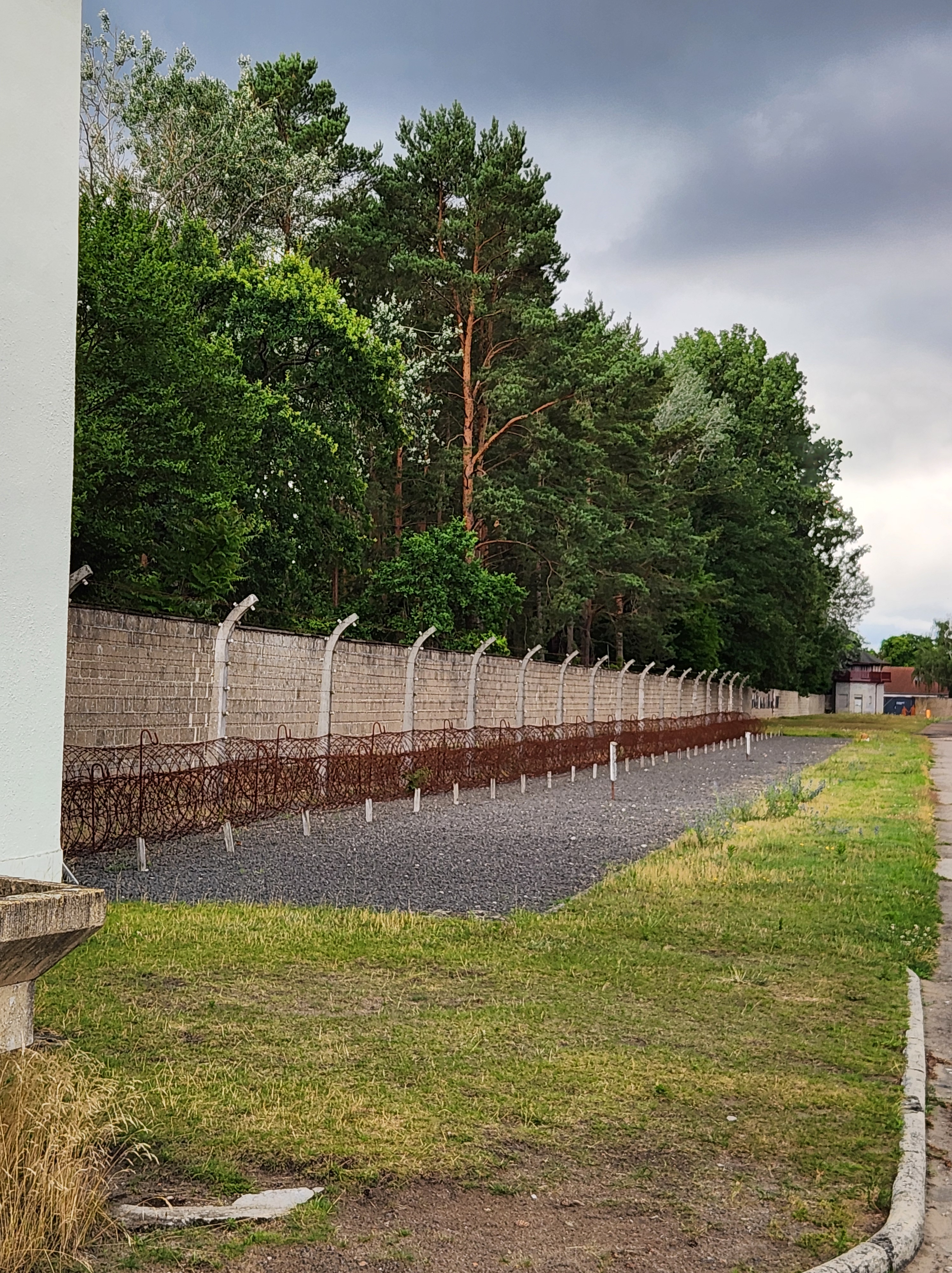
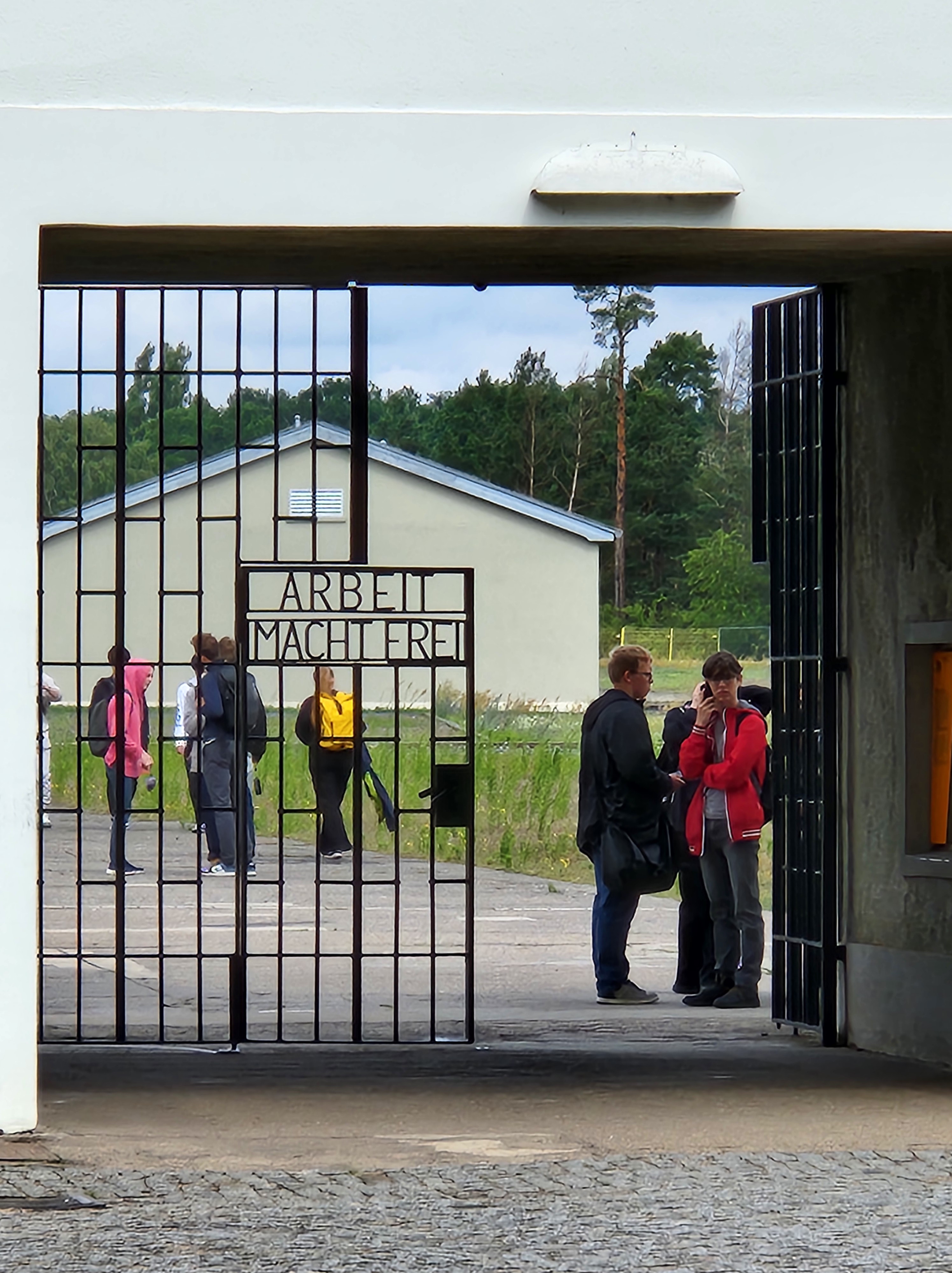
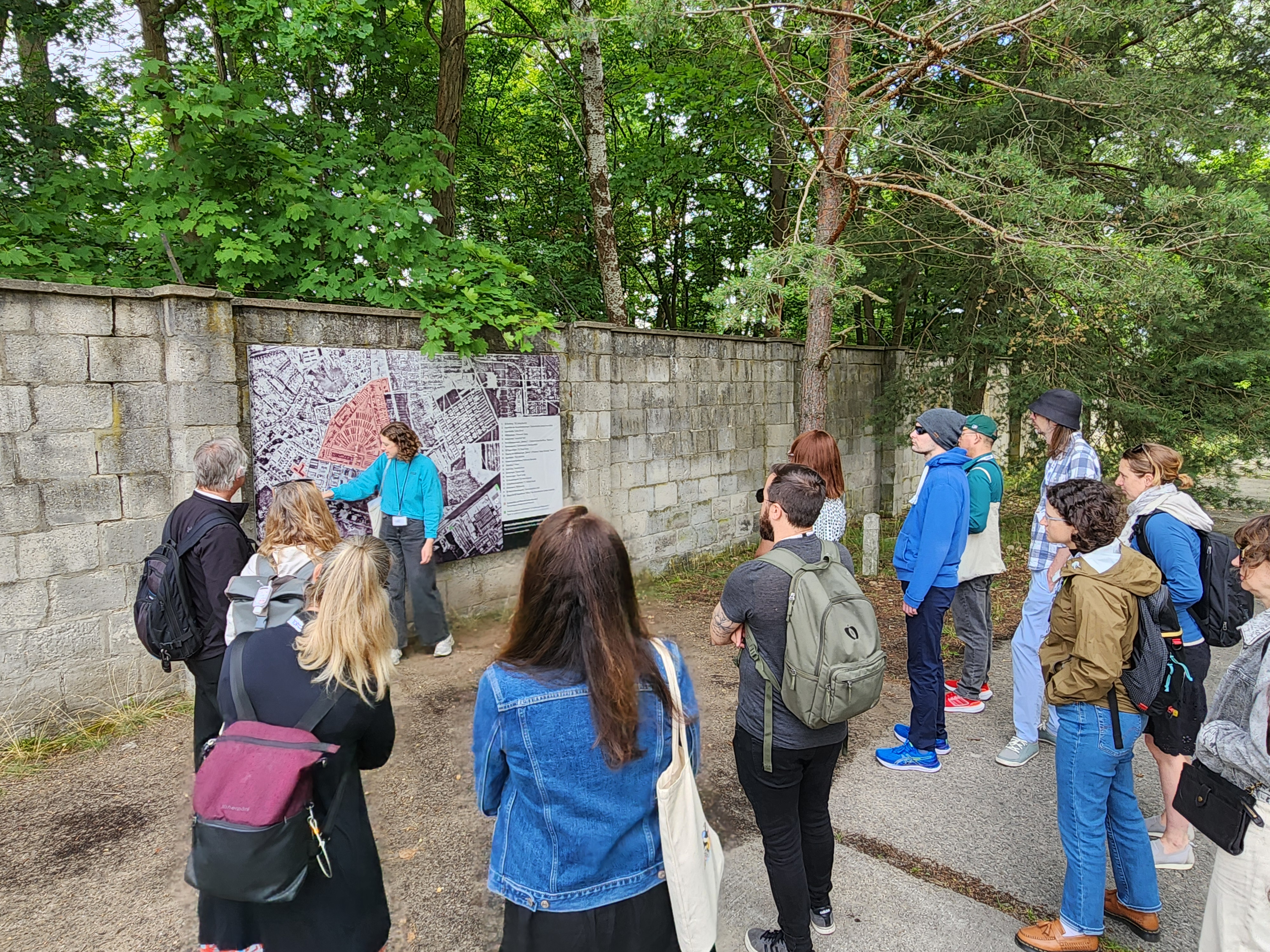
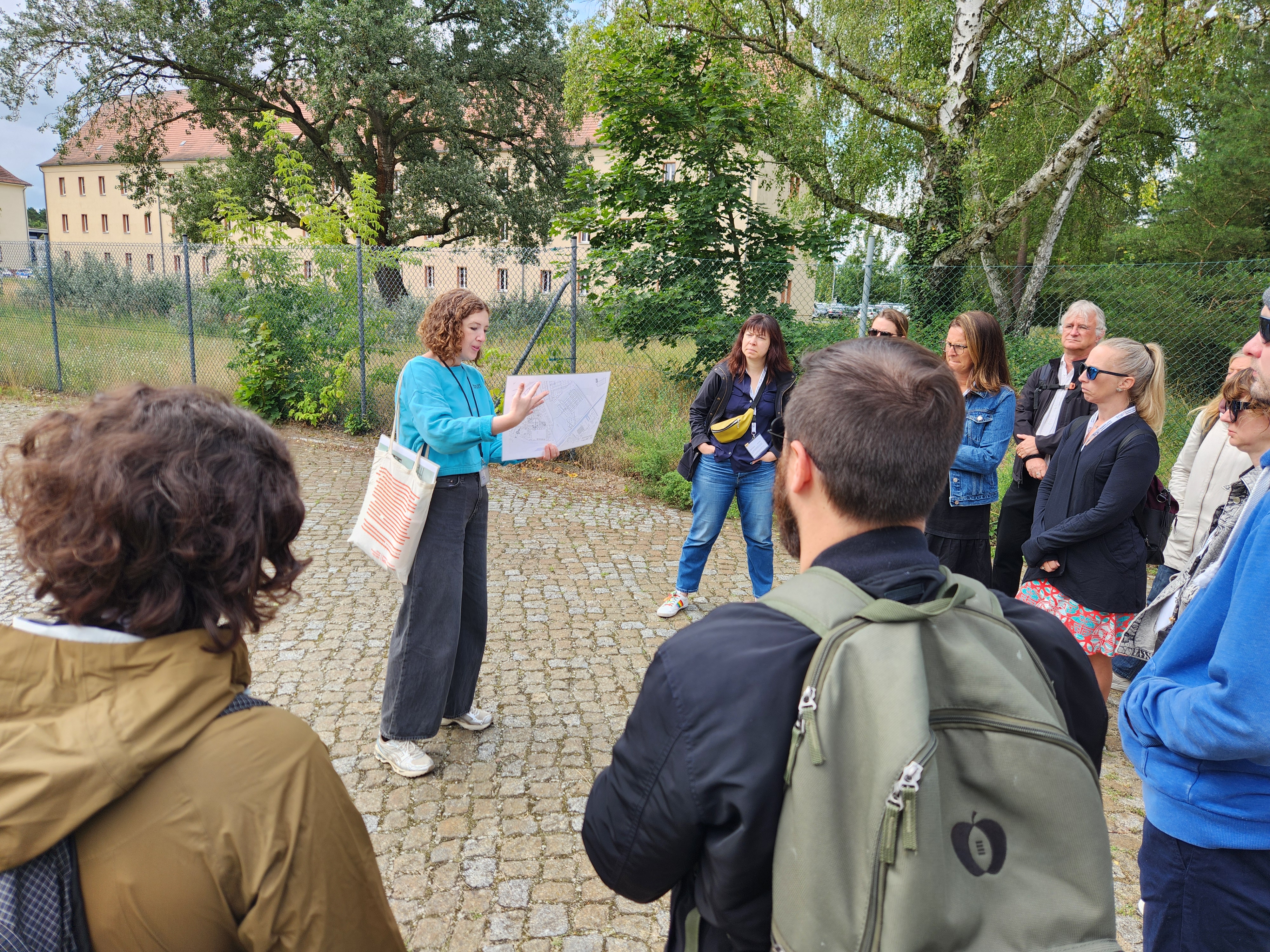
Day 9 of the Transatlantic Outreach Program in Germany began with a visit to the Sachenhausen Concentration Camp outside of Berlin. What struck me about this site versus other concentration camp sites I’ve visited is just how close it was to residential areas. It is right in the middle of the town of Oranienburg making it difficult to deny that the population was aware of what was going on during the holocaust. We were given a tour by an exceptional young lady named Emma who adeptly relayed the story of the camp and provided insight into how she approaches the difficult topics of the Holocaust with visitors and students from a pedagogical standpoint. As educators, it was helpful to hear that side of things too.
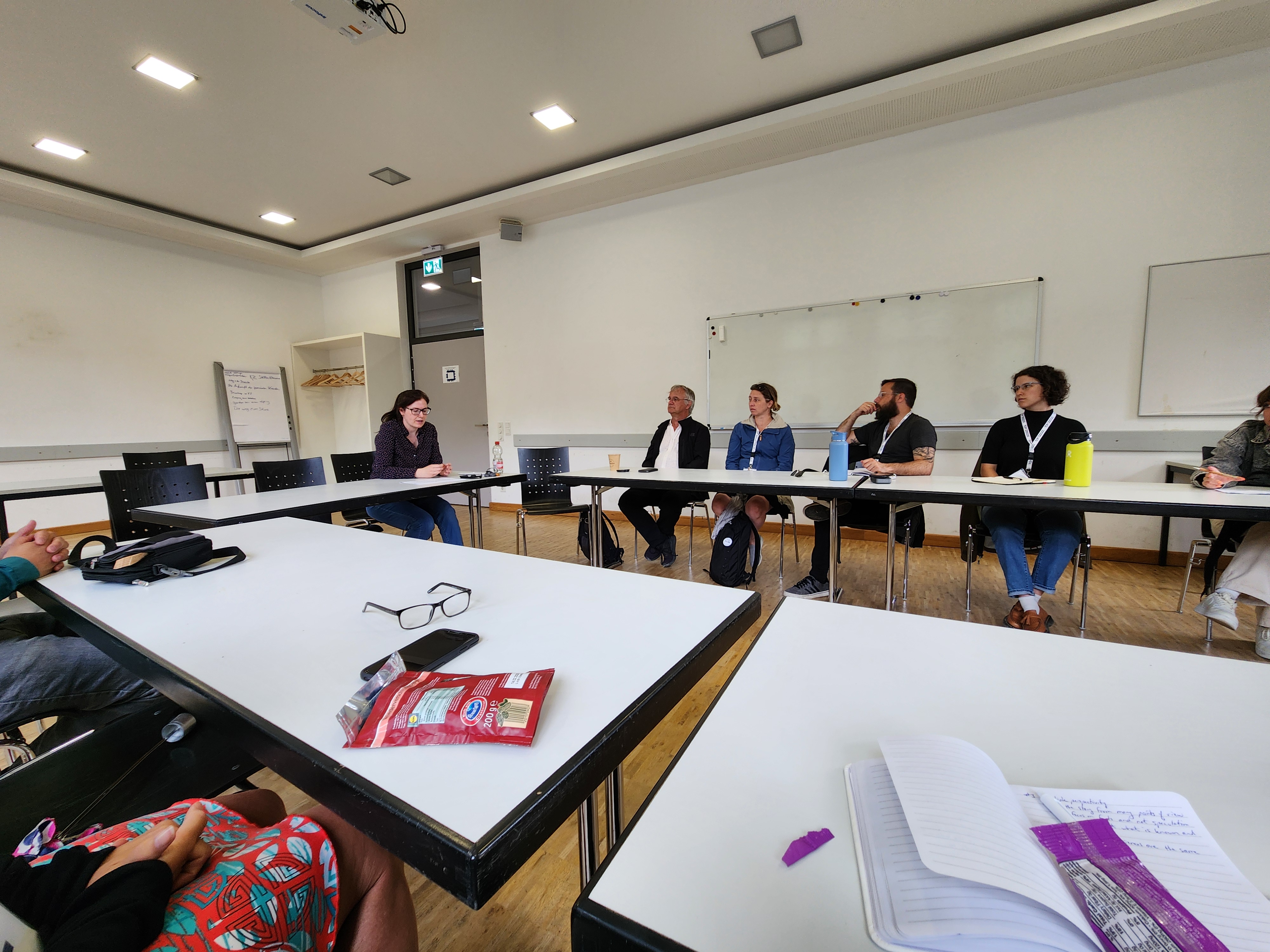
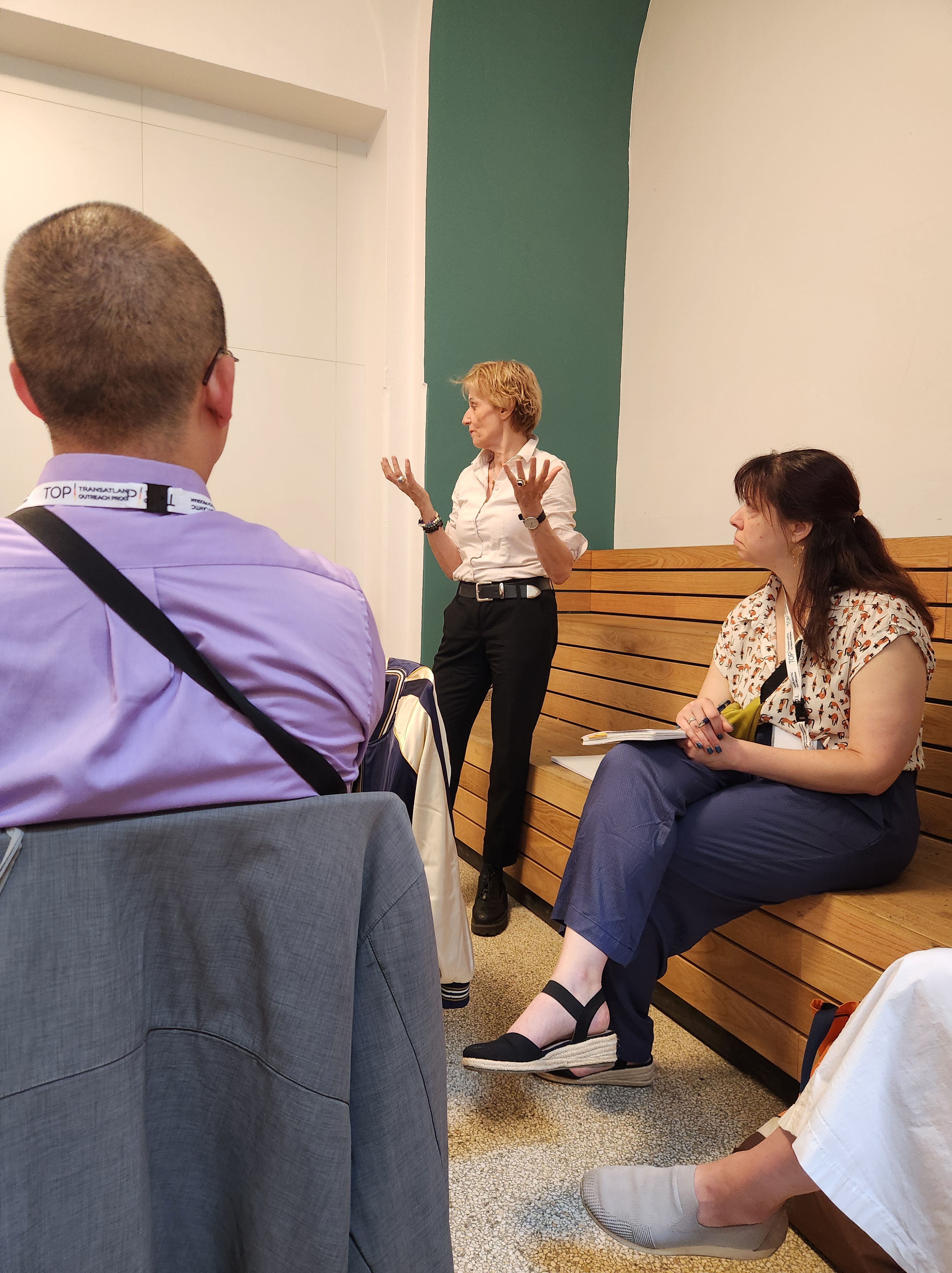
After the walking tour, we met with Eva, the Director of Education for the memorial site. She explained the principles of German memory culture and the intricate planning that goes into ensuring a visit is powerful without overwhelming visitors with depictions of violence and emotional trauma. Germany has a difficult history and it was interesting to hear how they teach it without promoting or glorifying the dark periods.
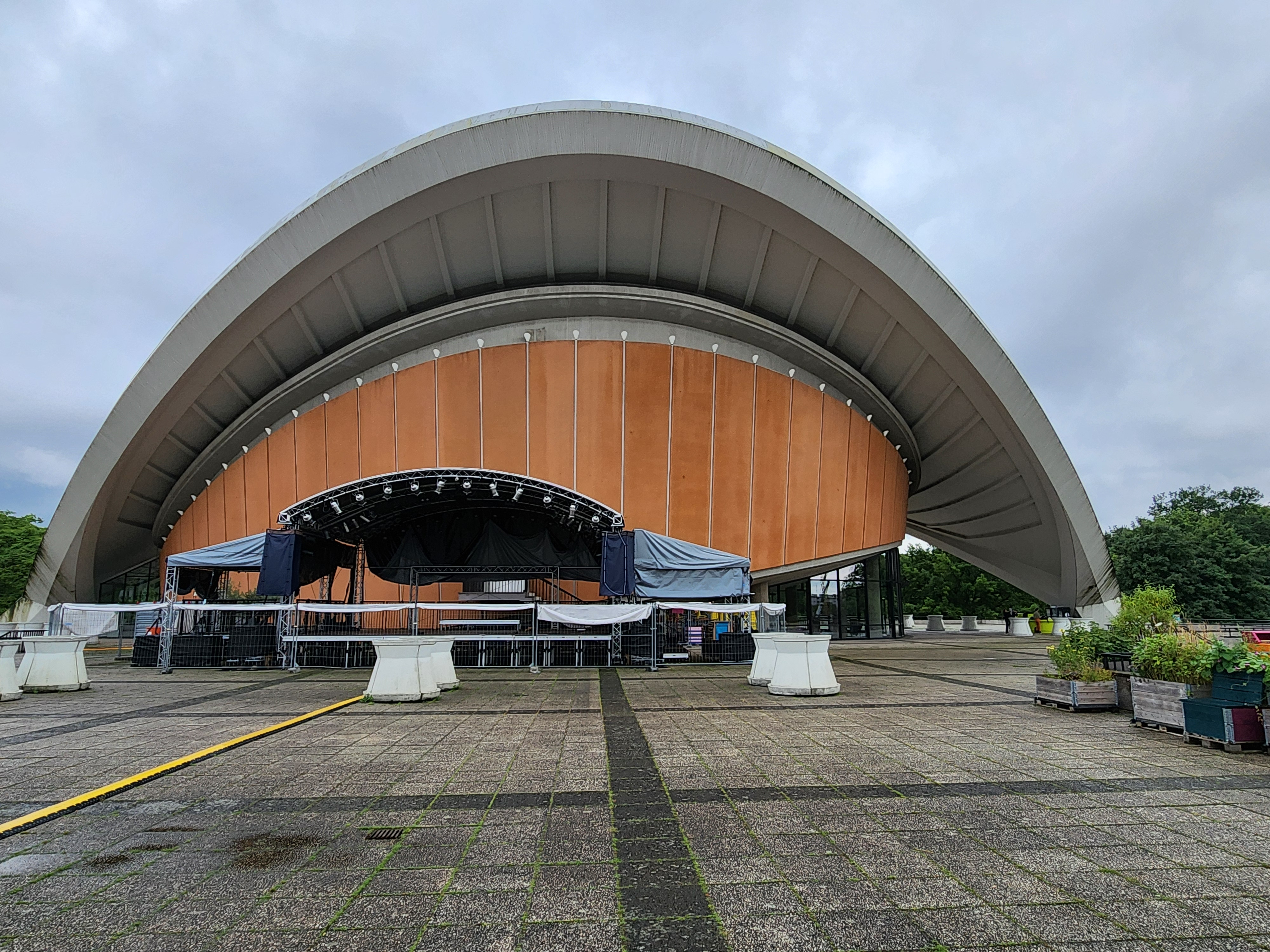
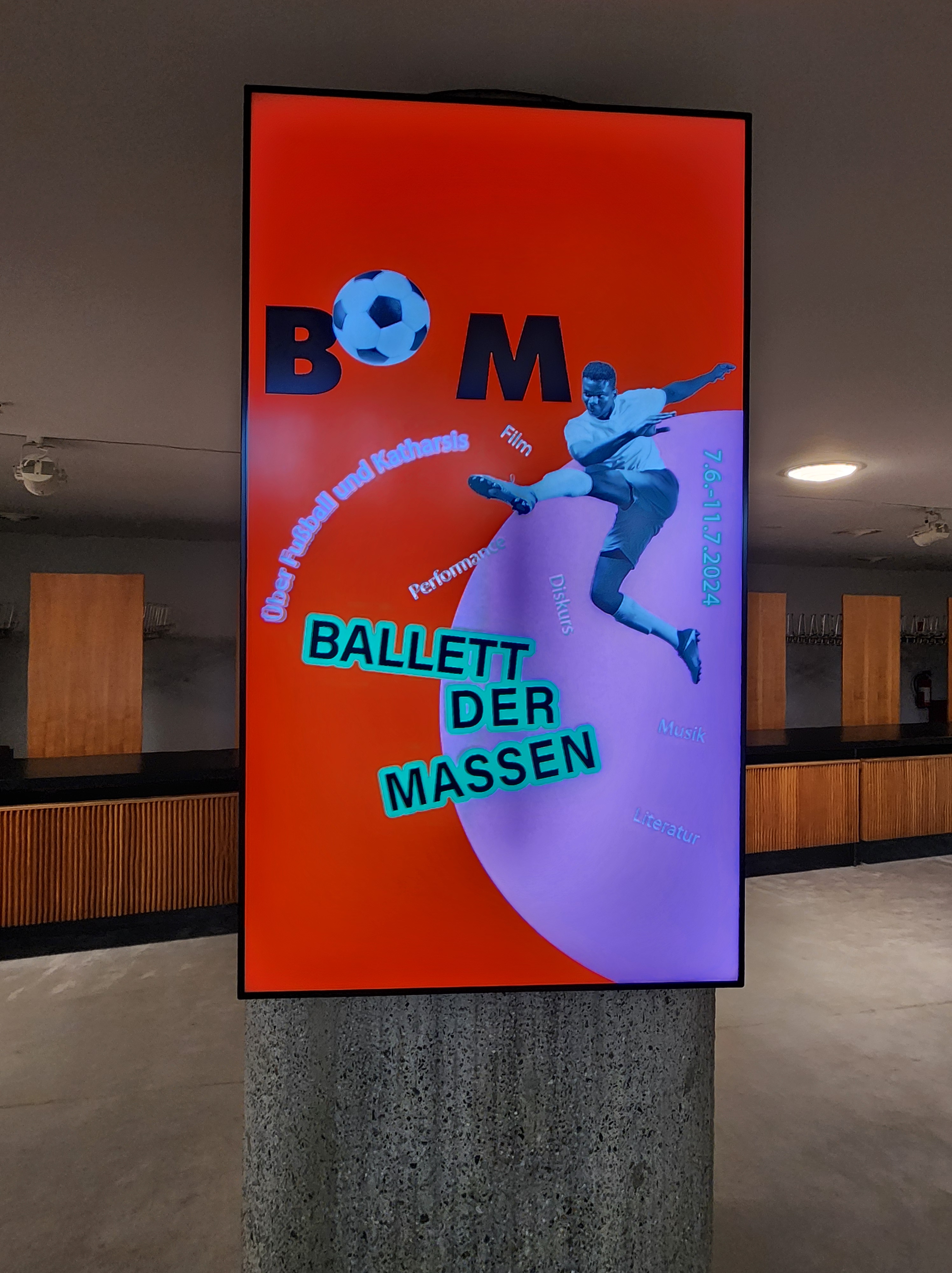
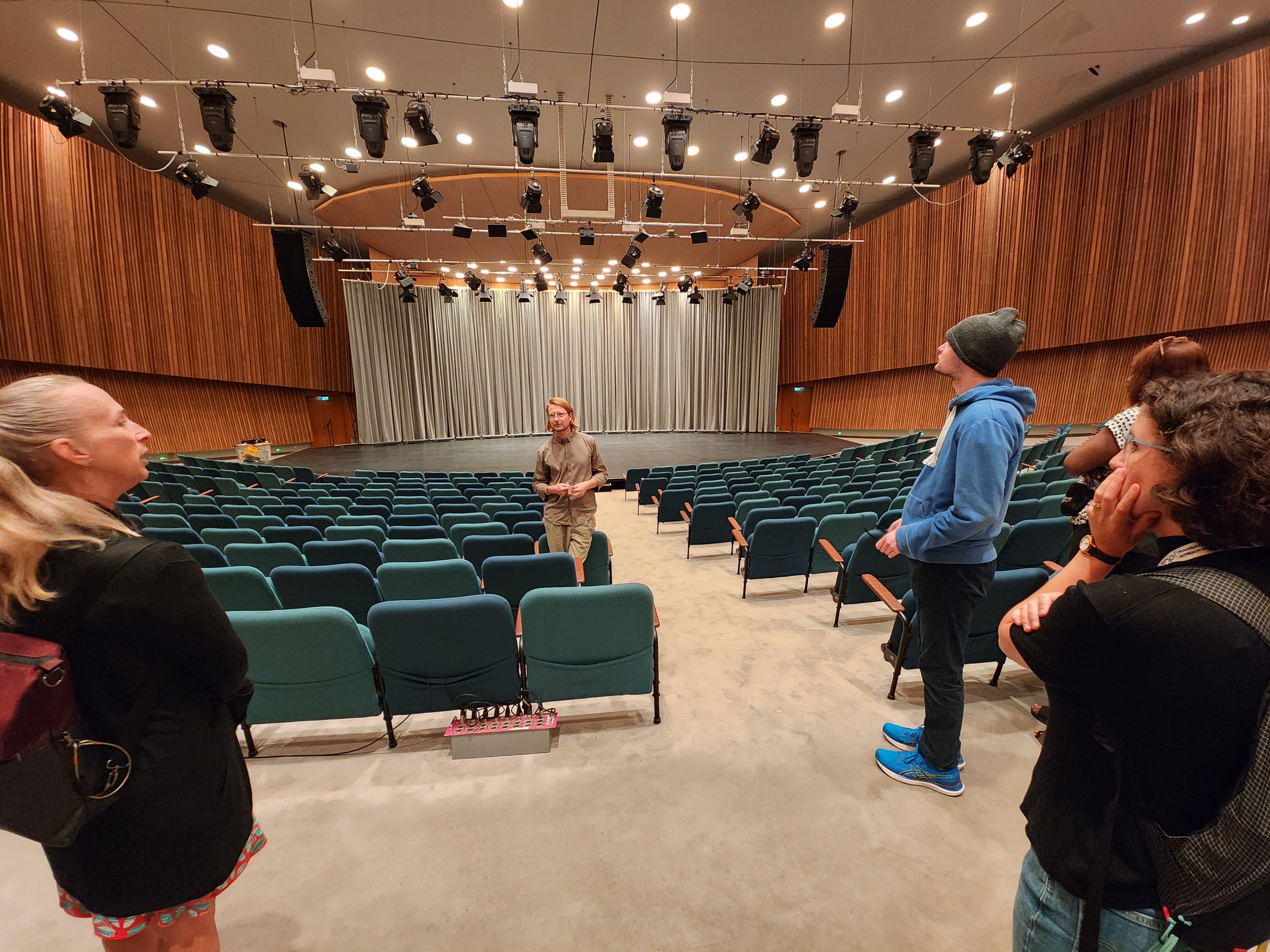
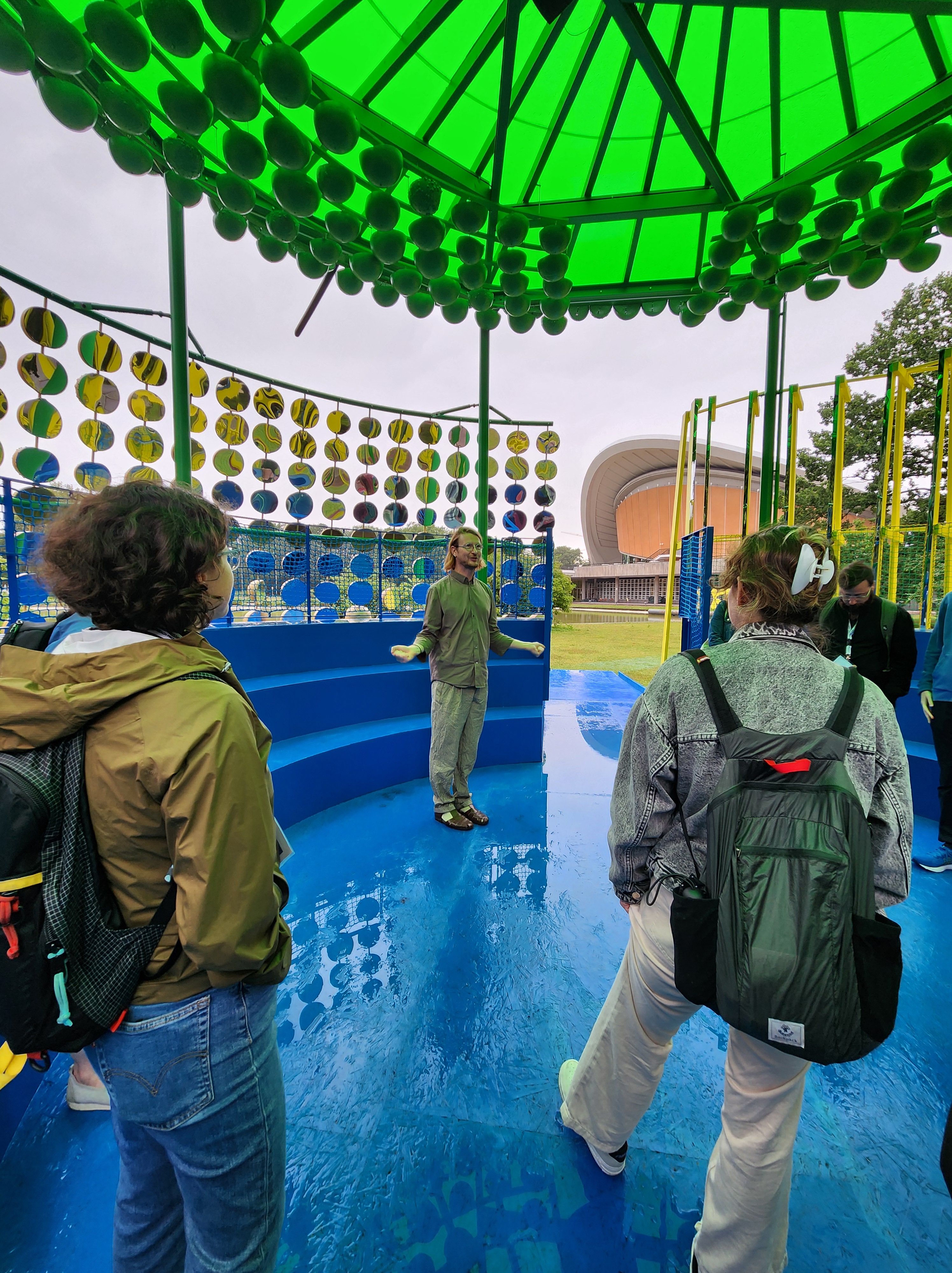
Our group finished Day 9 with a visit to the “pregnant oyster” building as the locals call it, officially the House of World Cultures. Formerly the Congress Hall during the Cold War, it represented a temple of freedom and liberty just across the wall from East Berlin. Currently, it is a space for all people to come together through art and expression to celebrate humanity and give voice to the underrepresented. One of the more interesting programming notes mentioned by Daniel, the Head of Programming, was the discoteks they put on for the local youth. It’s an effort to help young people have fun and feel comfortable in an artistic space through a rave of sorts. It sounded like an interesting outreach!
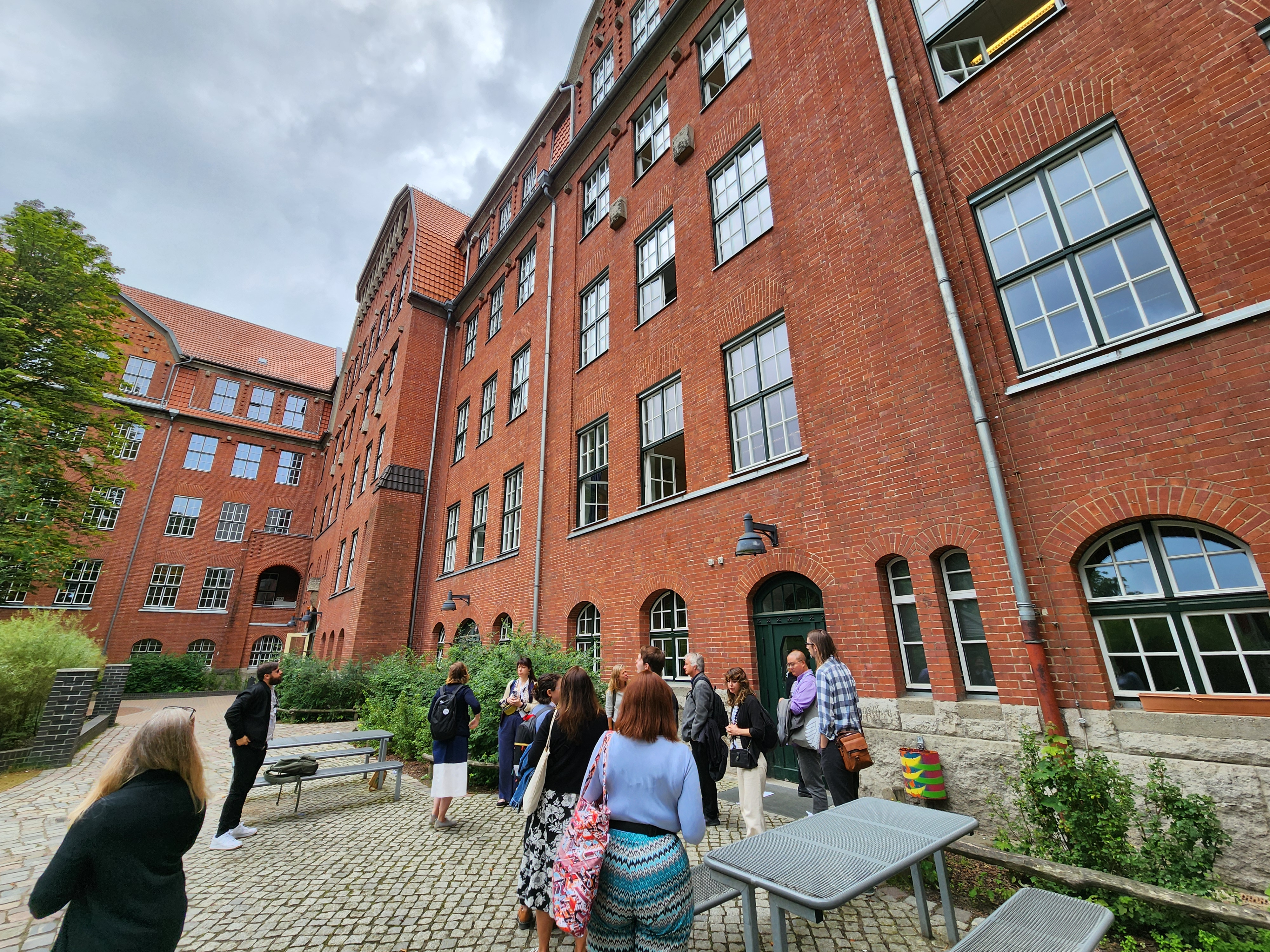
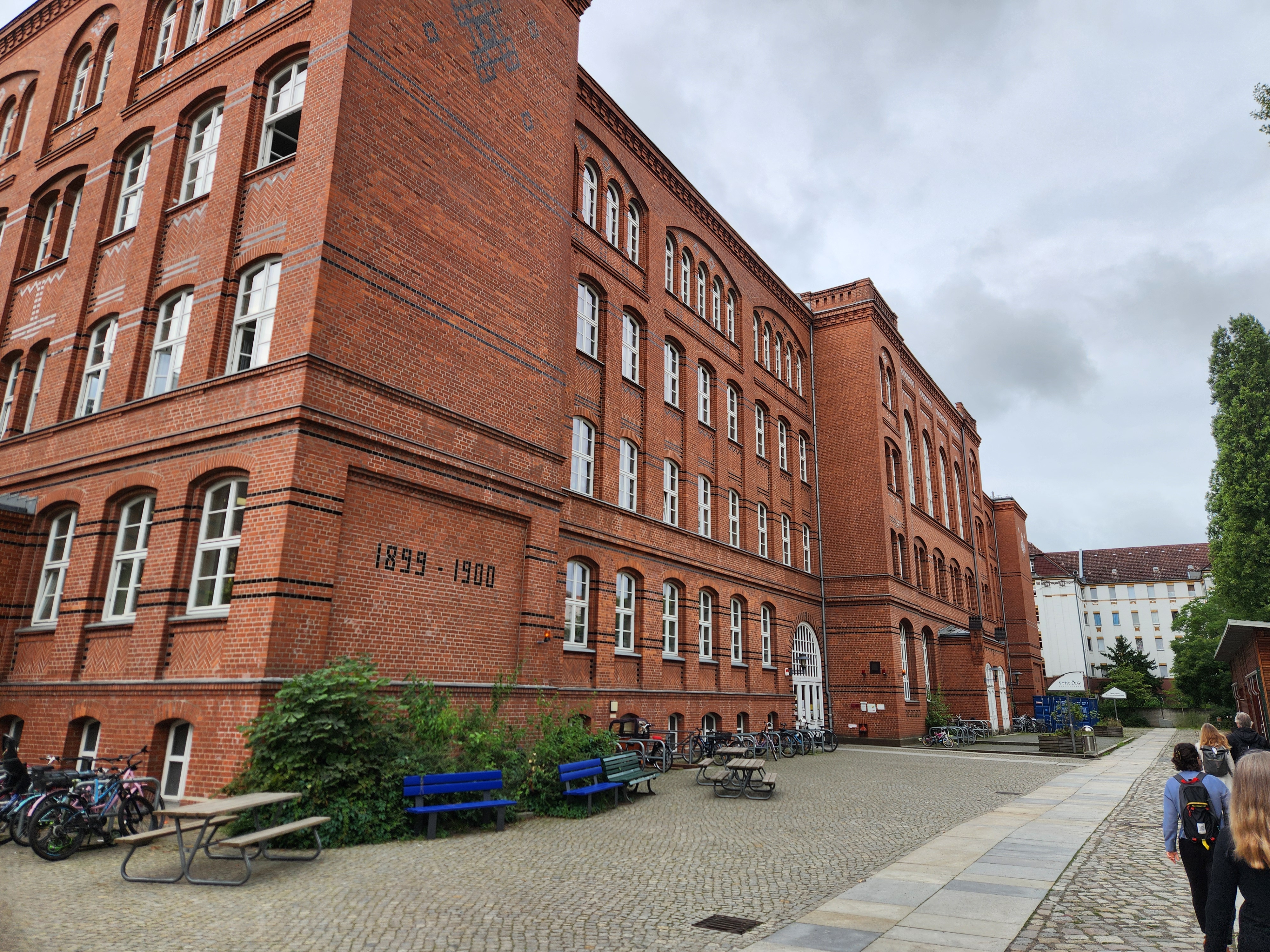
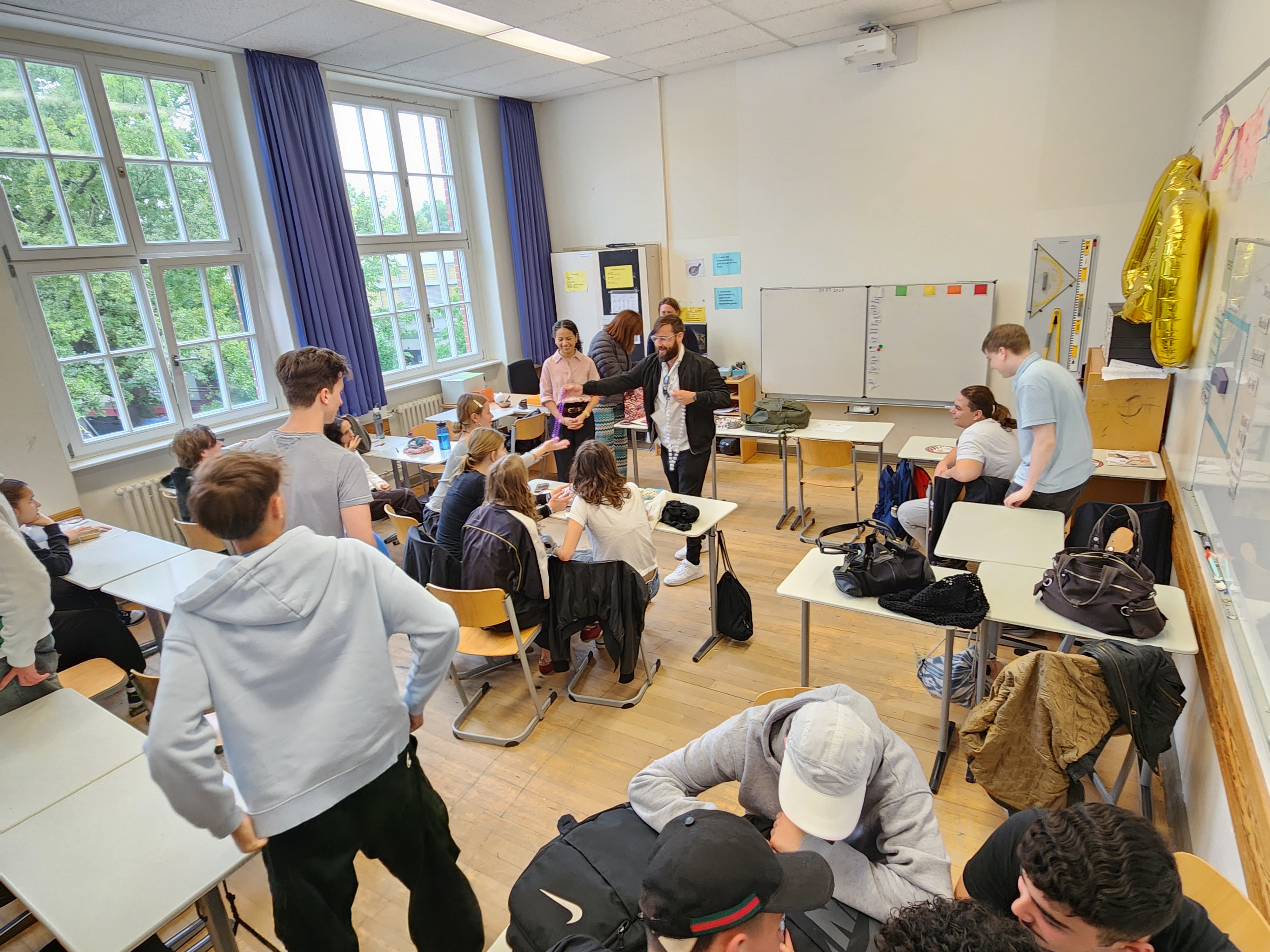
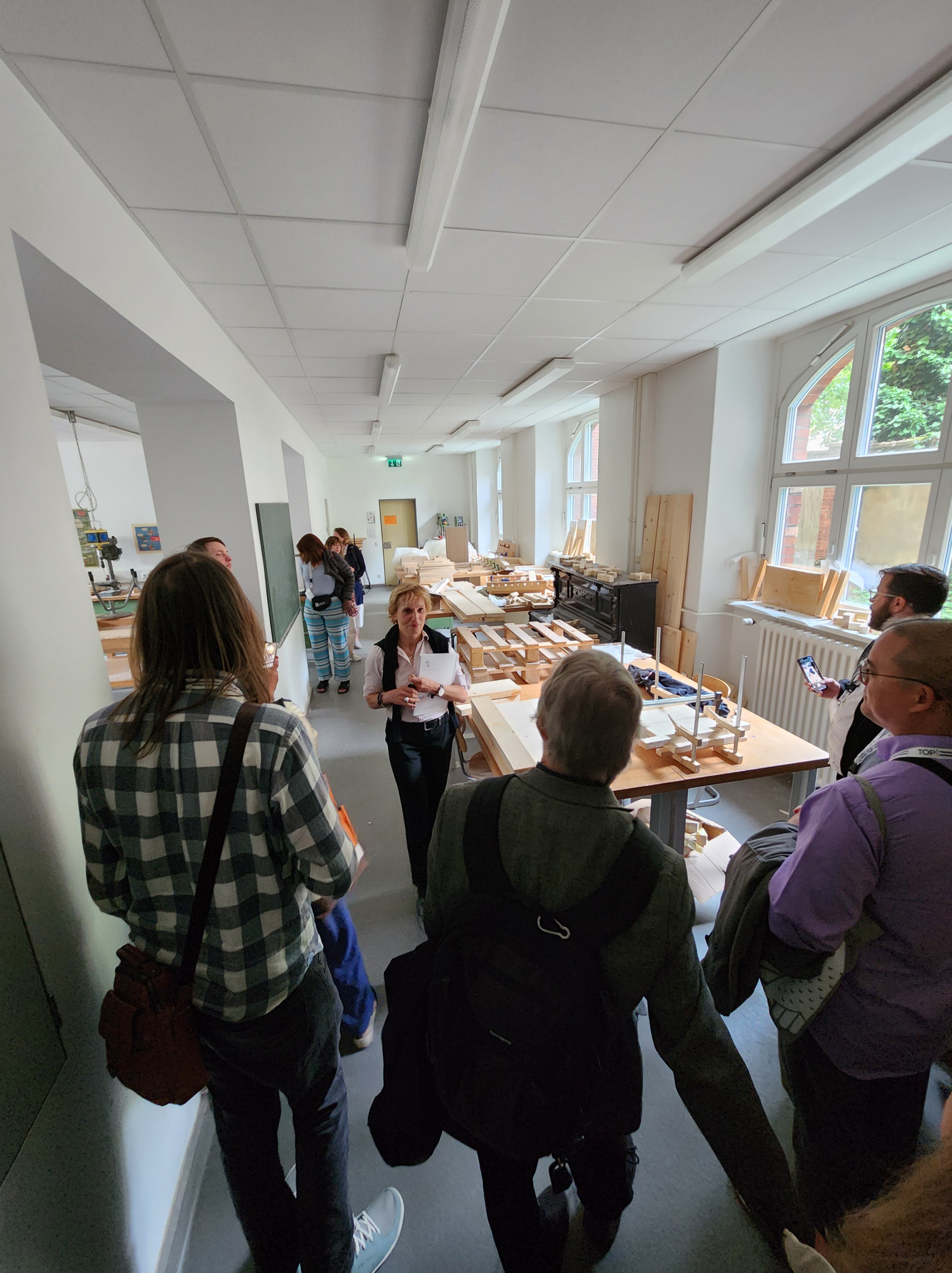
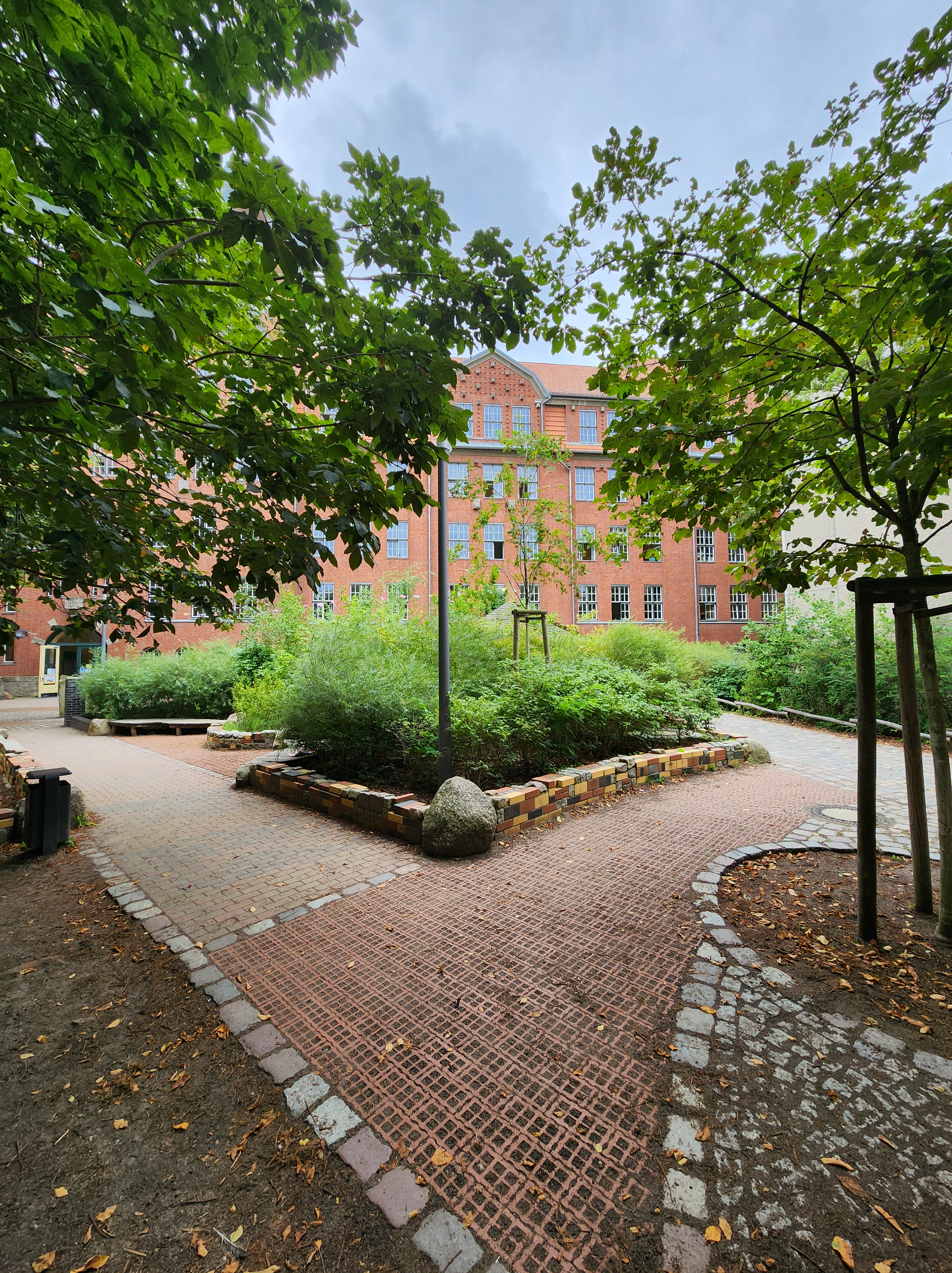
Day 10 of TOP began with another school visit to Paula-Fürst-Schule Berlin. Here we meet with the principal and a teacher for insight into the history of the school and their teaching model today. The history included the story of the school’s principal during the 1930’s who was Jewish and worked with some friends in England to protect as many of her students as she could by arranging passage there. The principal was eventually banned from travel and was later sent to a concentration camp where she was murdered. Today, the school operates in the reform school (Montessori) model and emphasizes having their students connect with the world through exchanges and experiences in the Middle East, Norway, and elsewhere. The highlight of the visit was getting to meet a class of high school students for a Q&A with them. The students introduced themselves and they were from Syria, Afghanistan, Cuba, Turkey, and many other places. It was great to interact with such diverse young people and learn from each other!
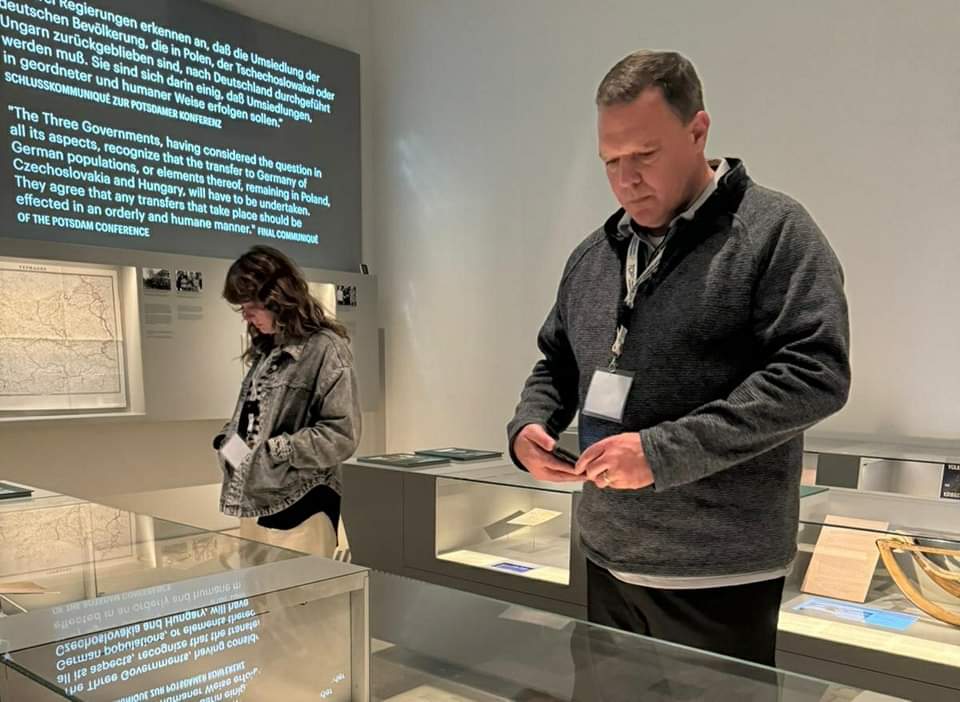
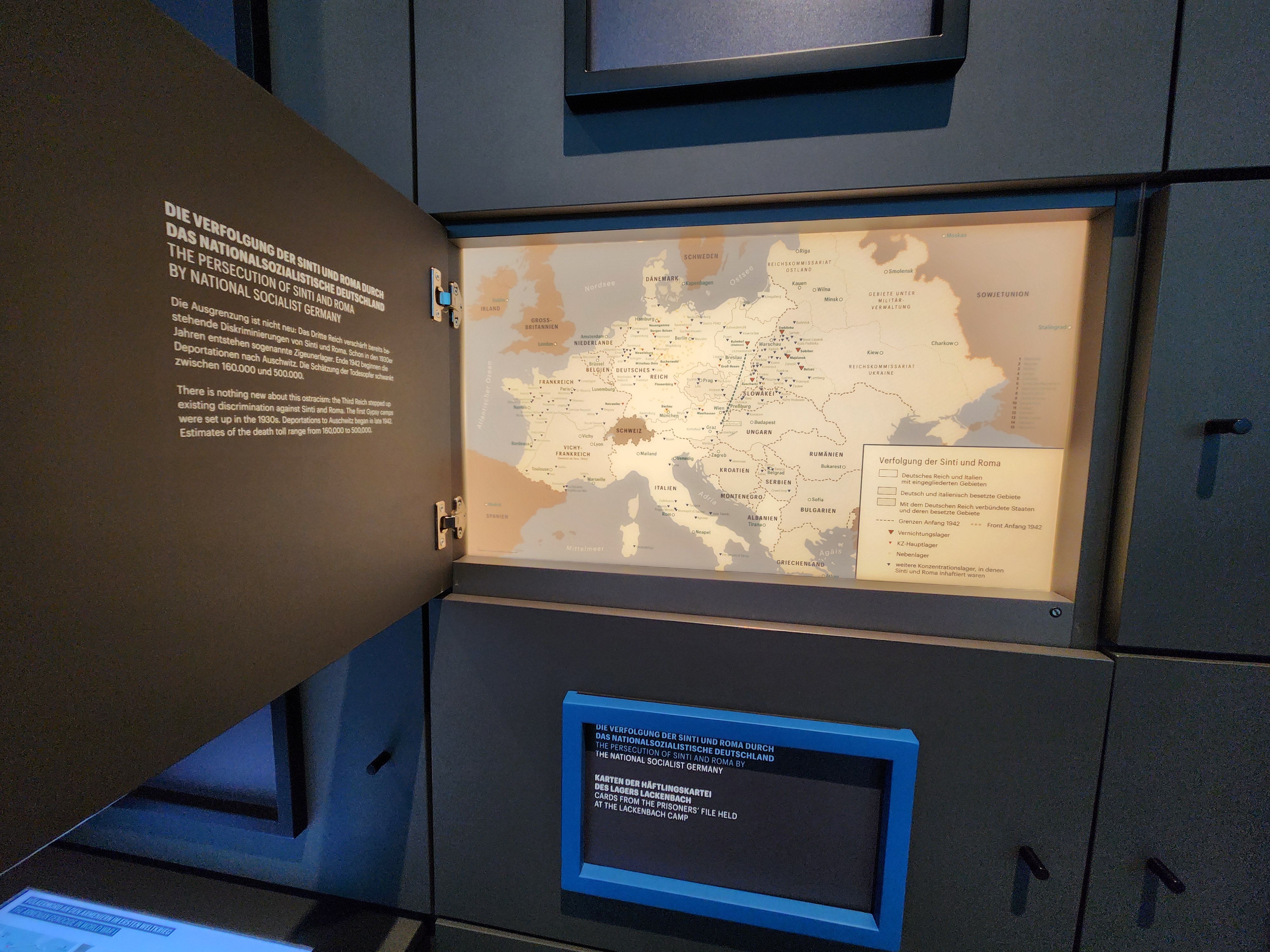
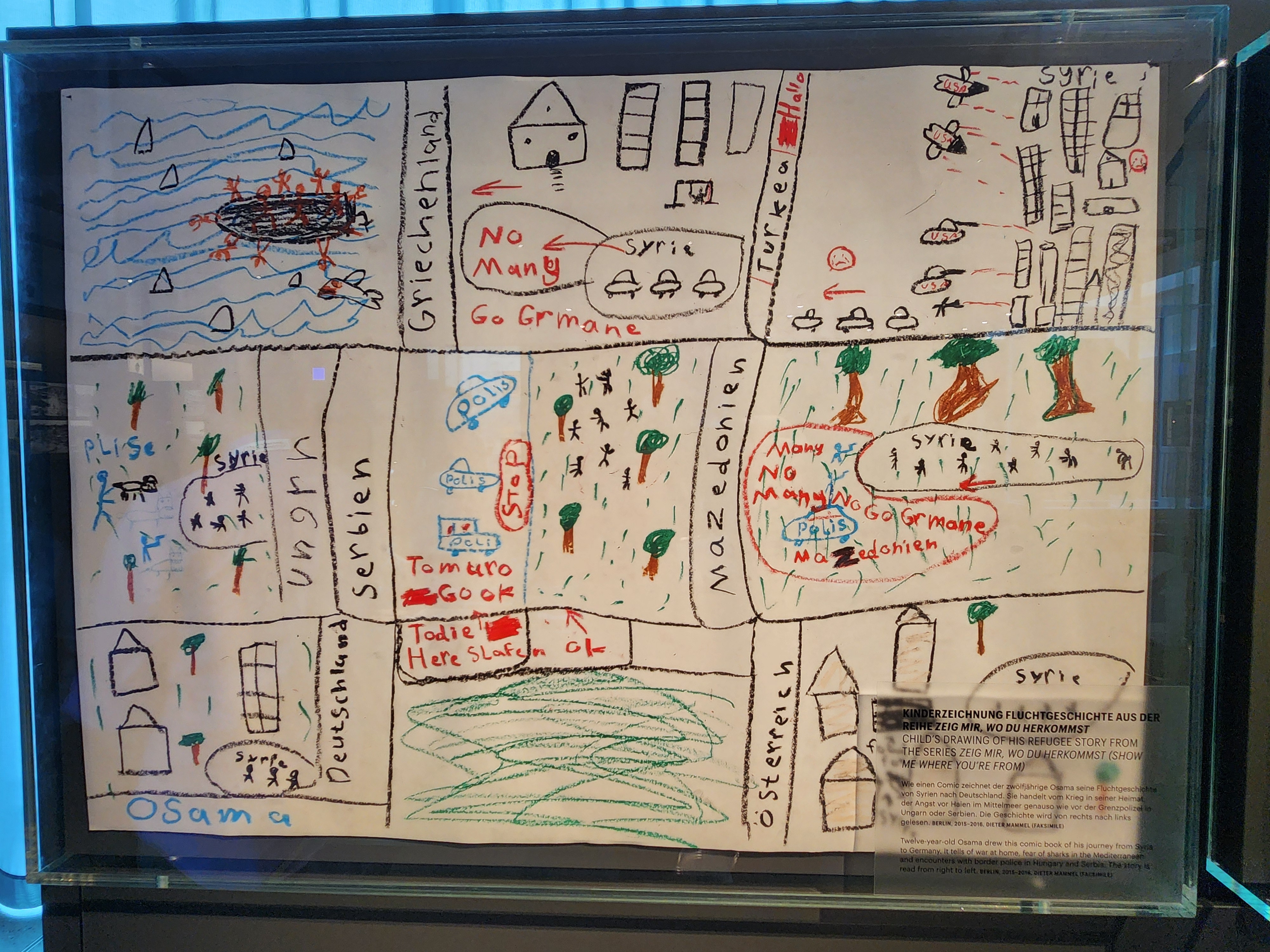
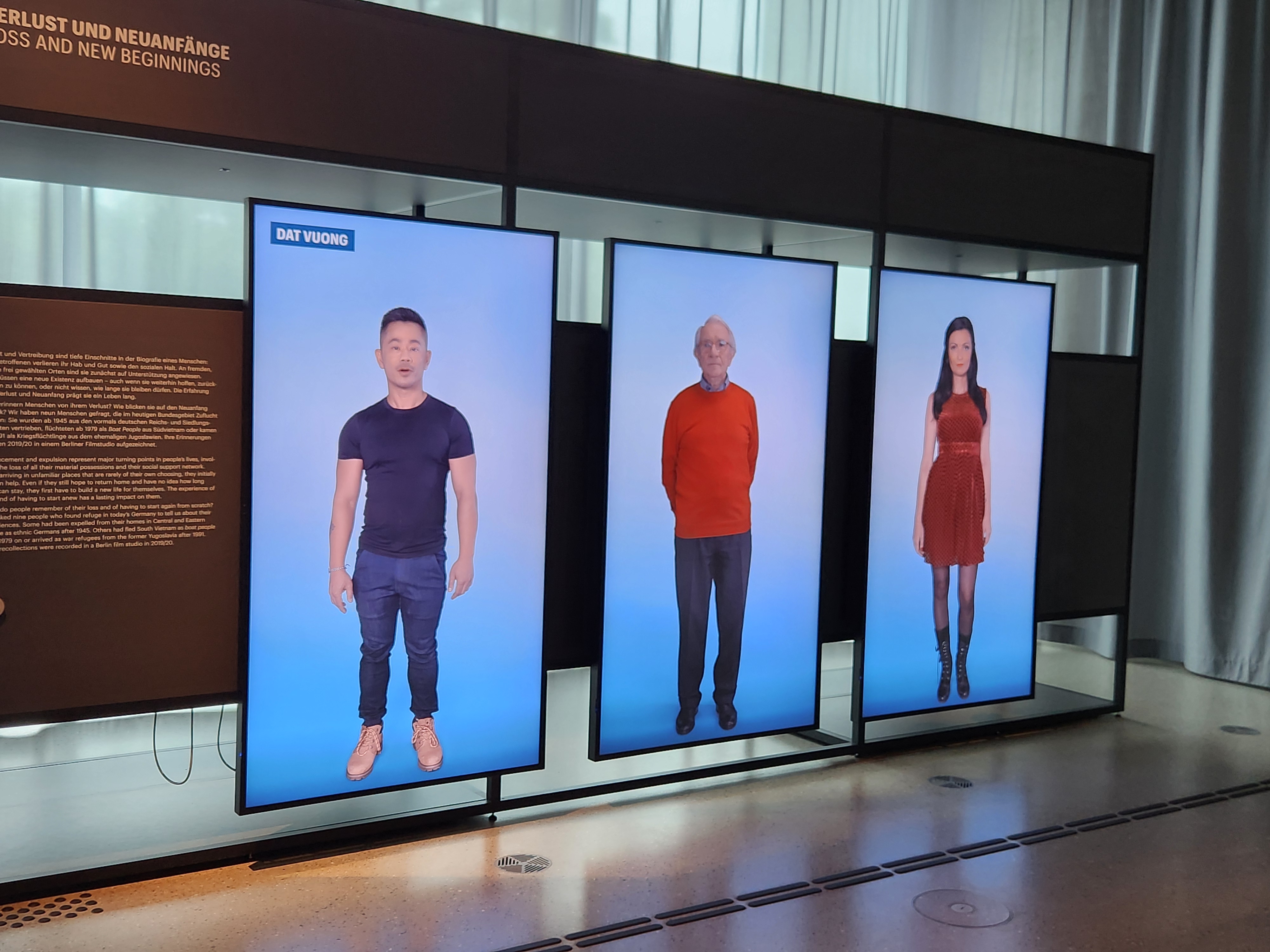
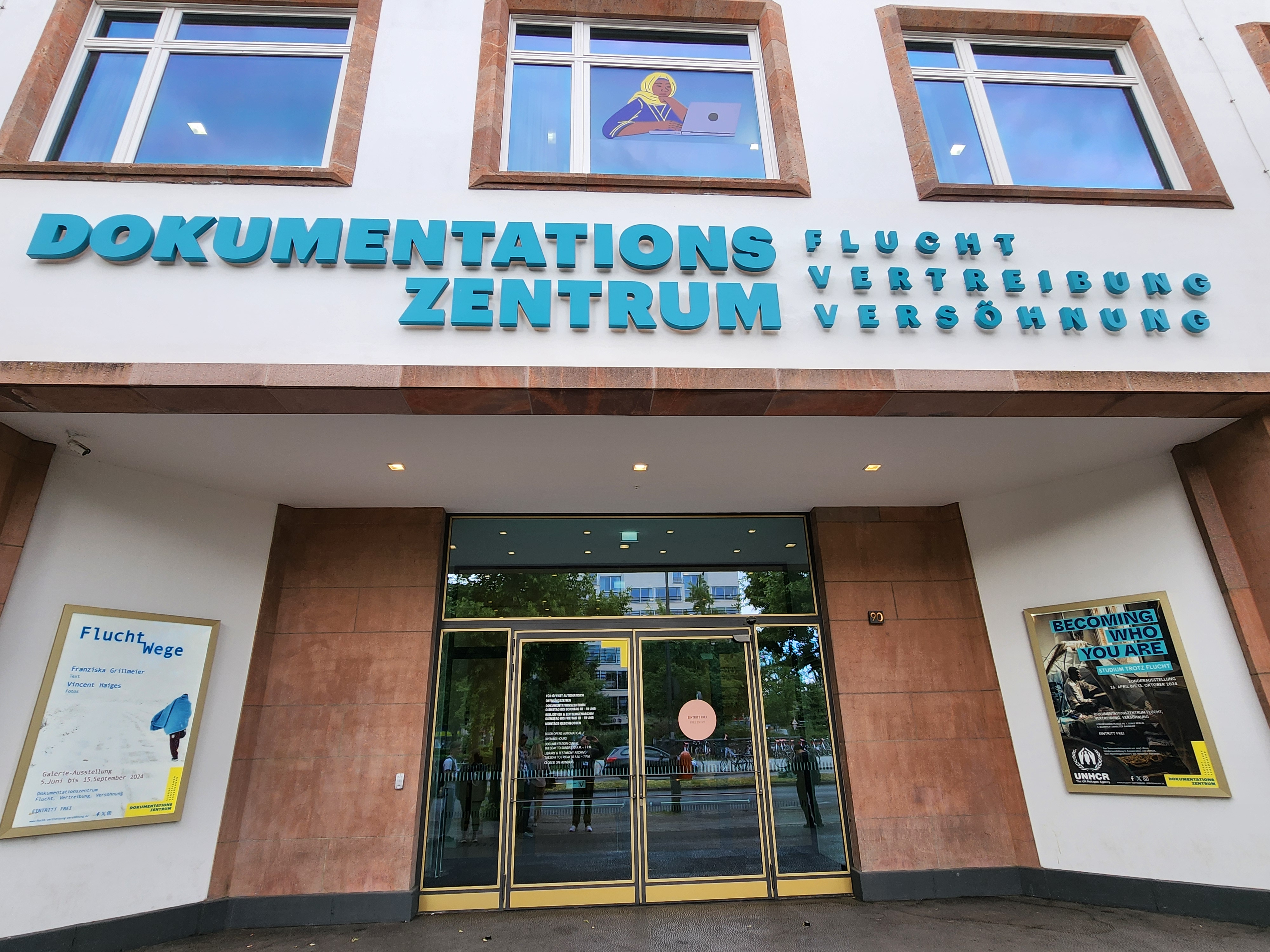
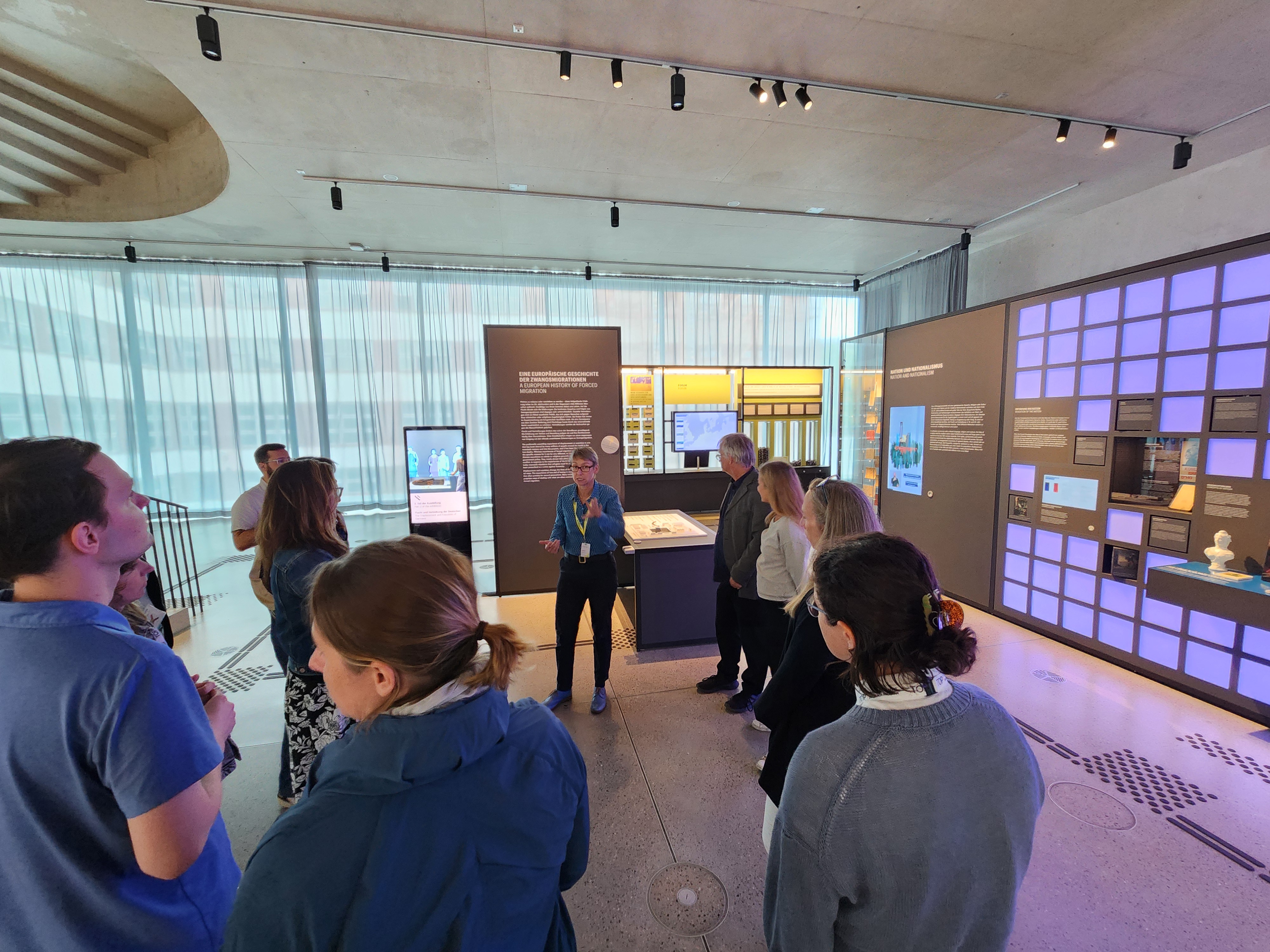
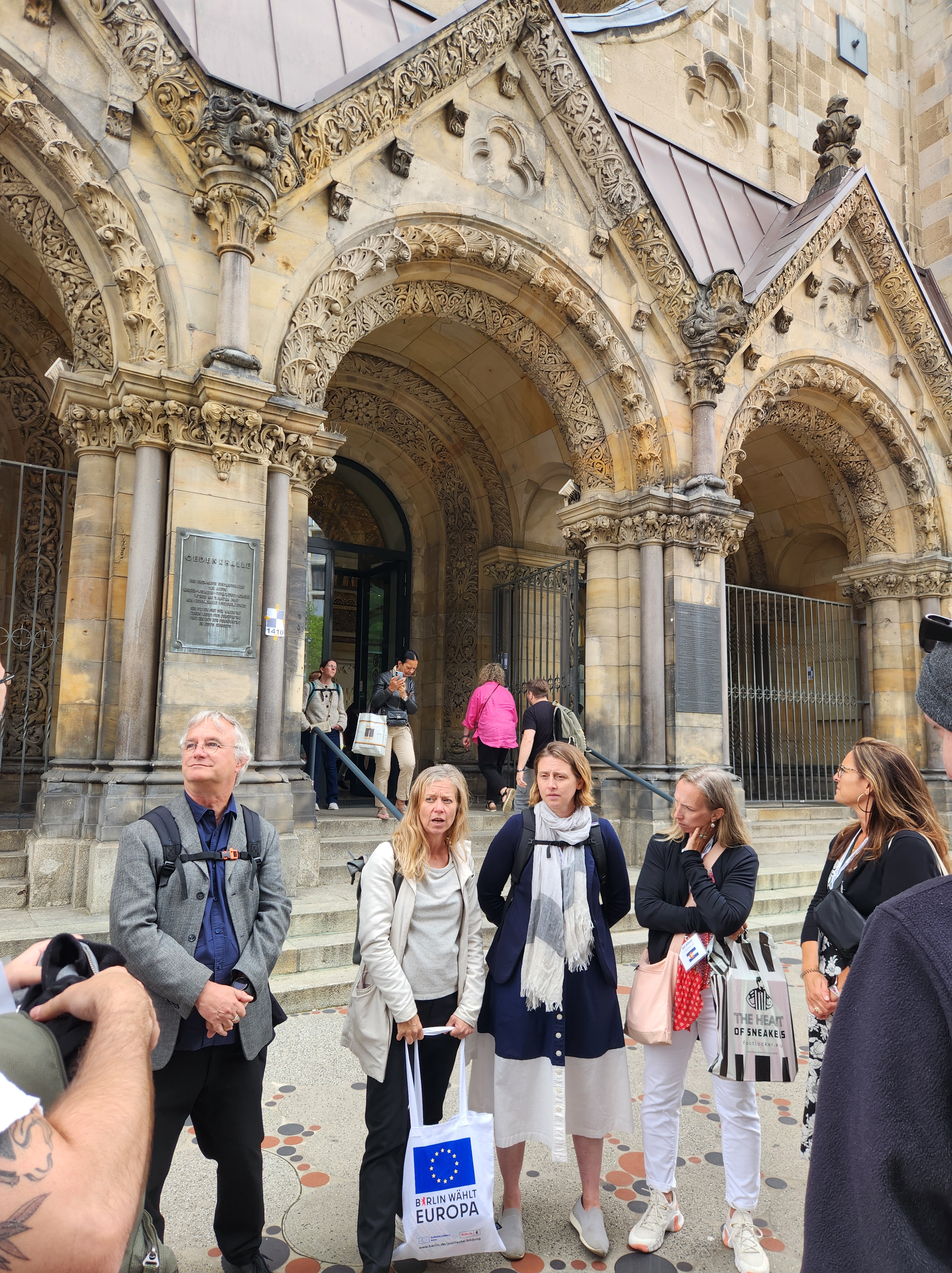
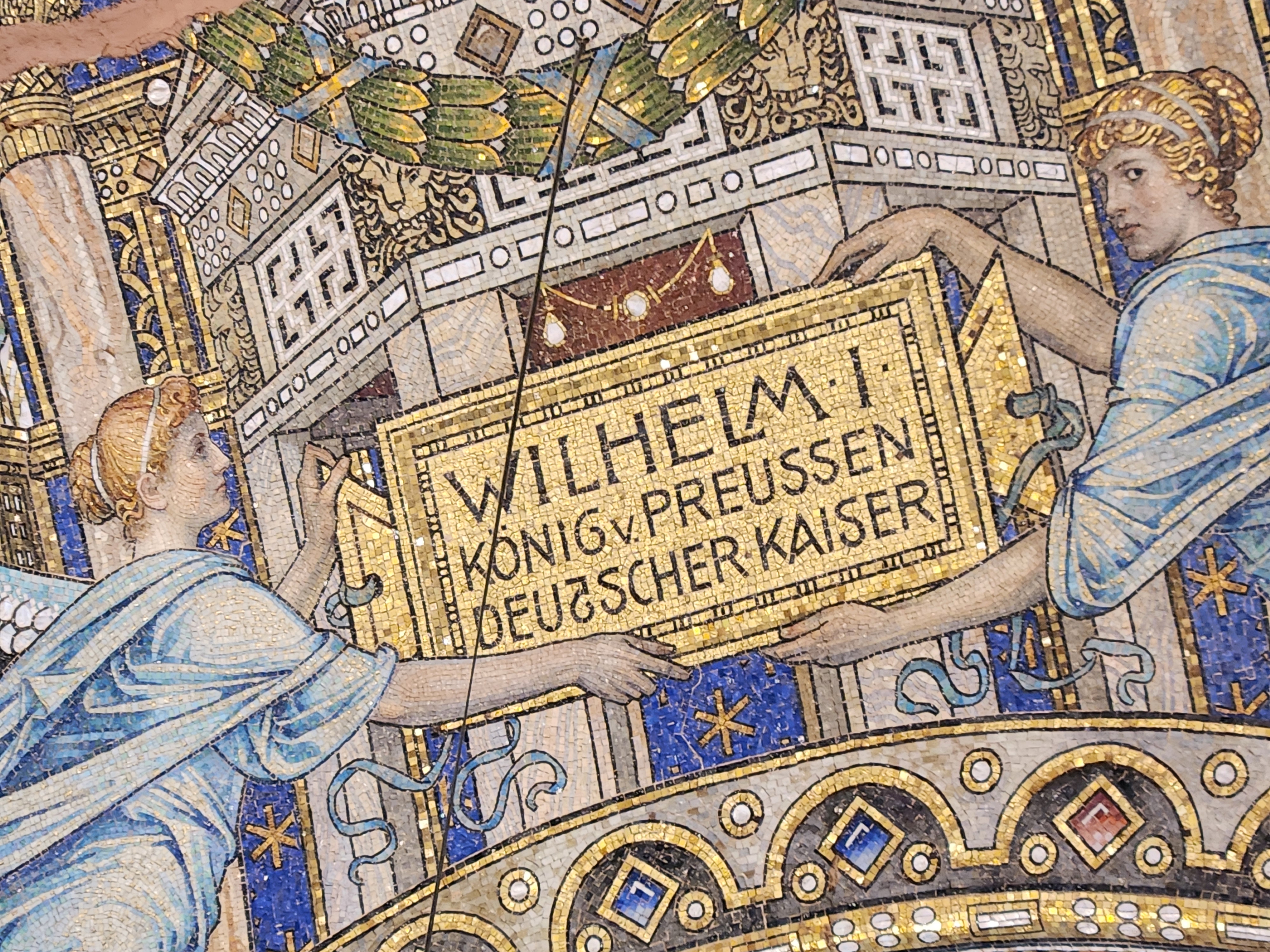
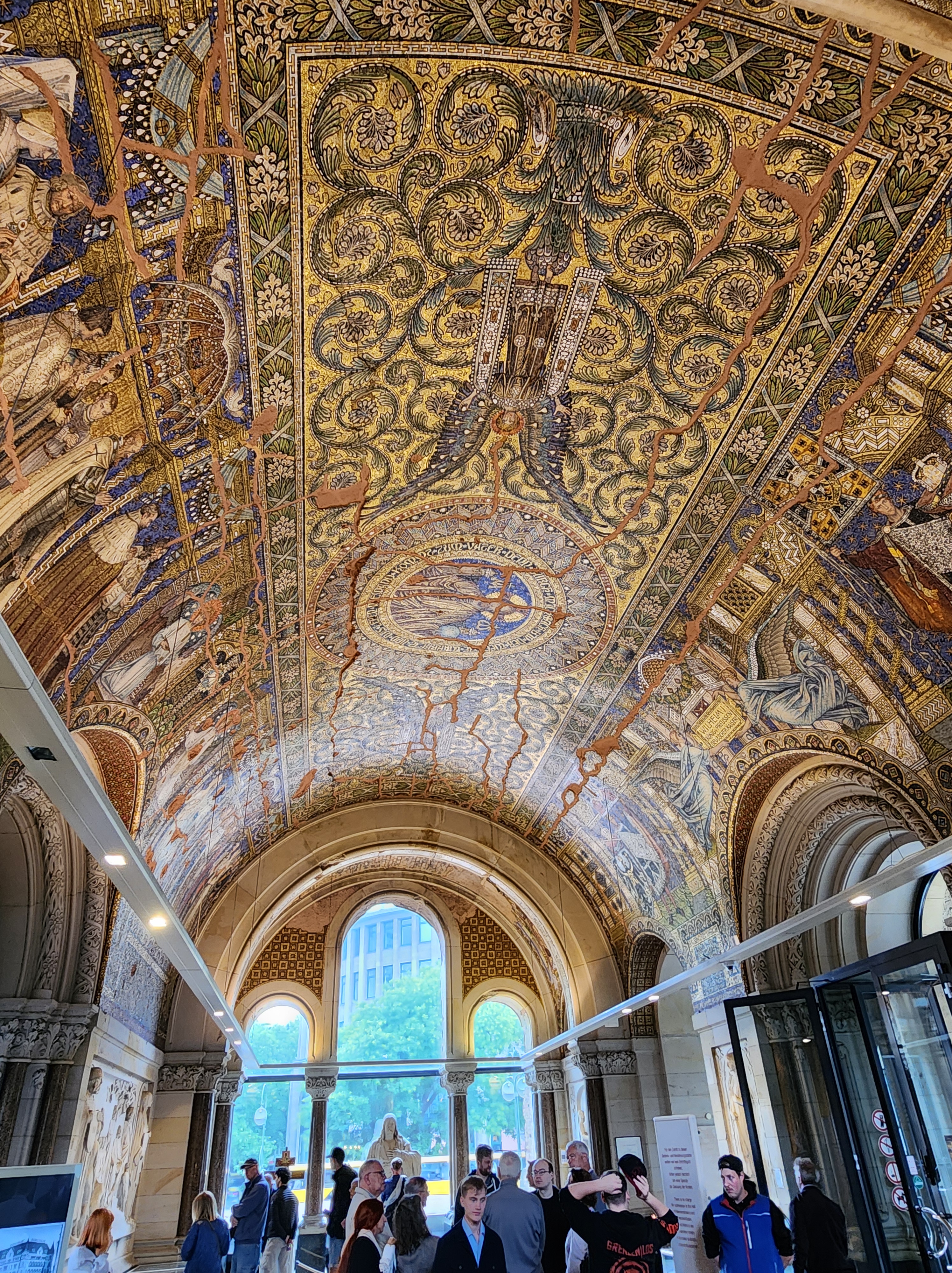
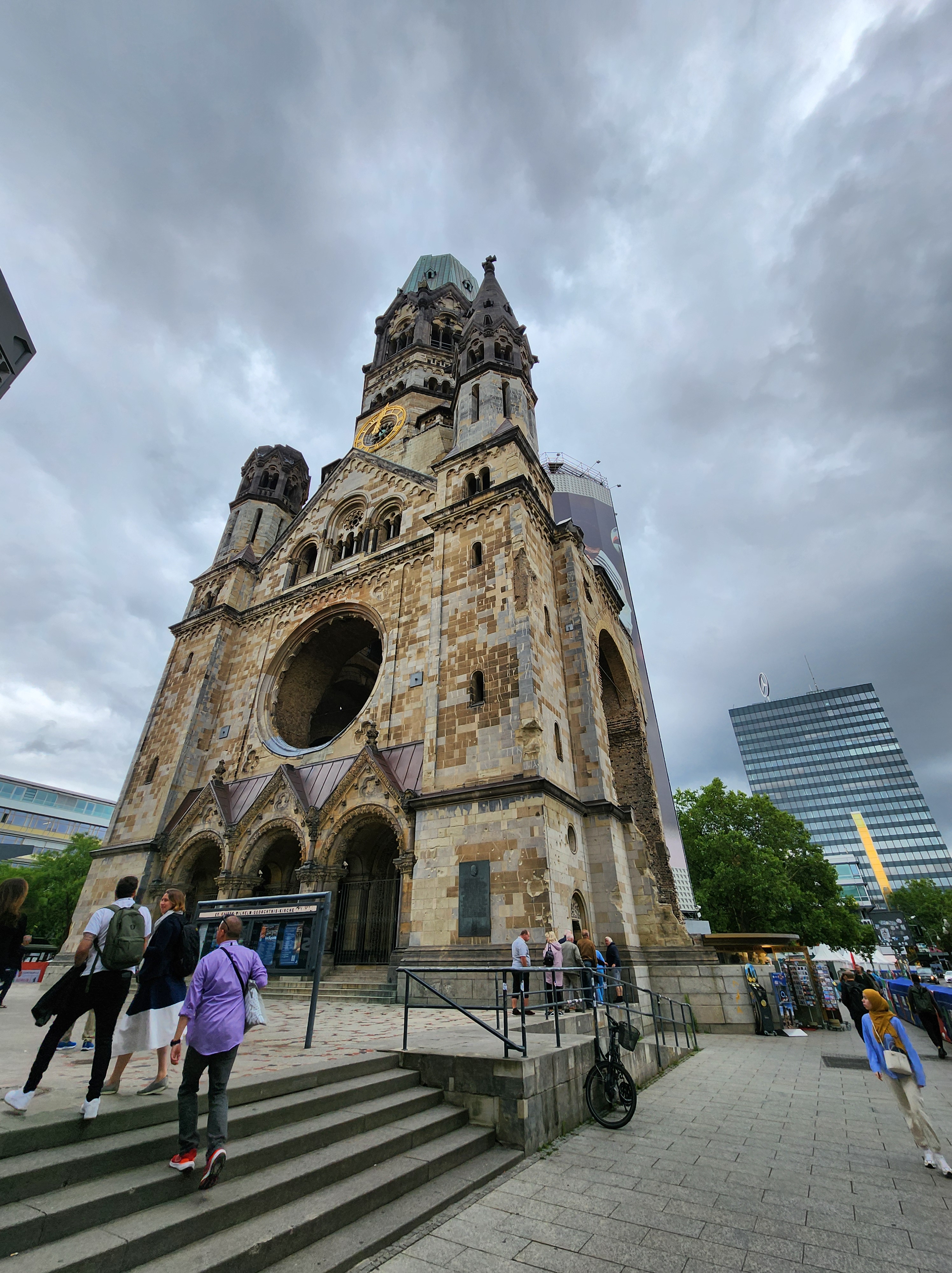
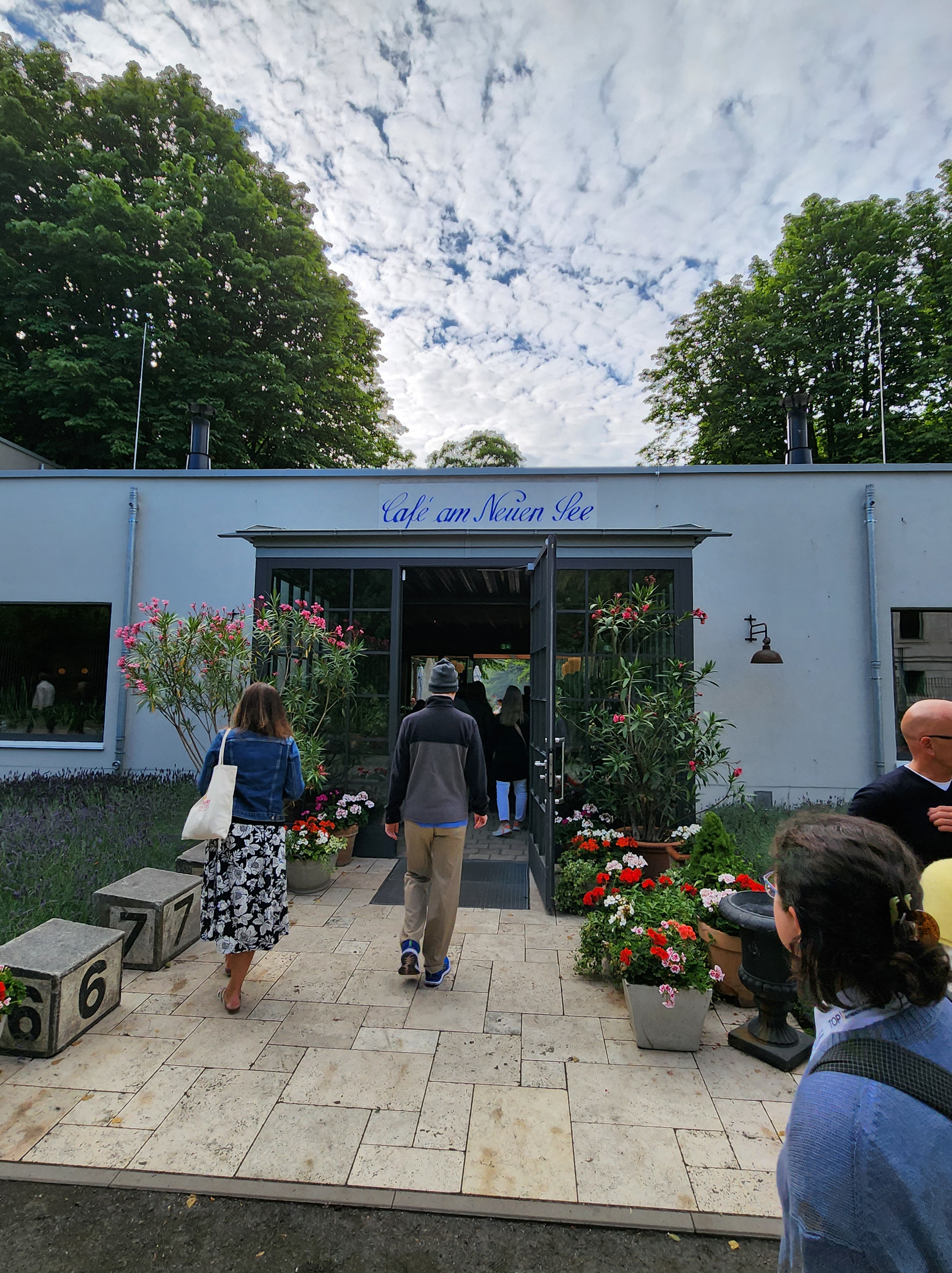
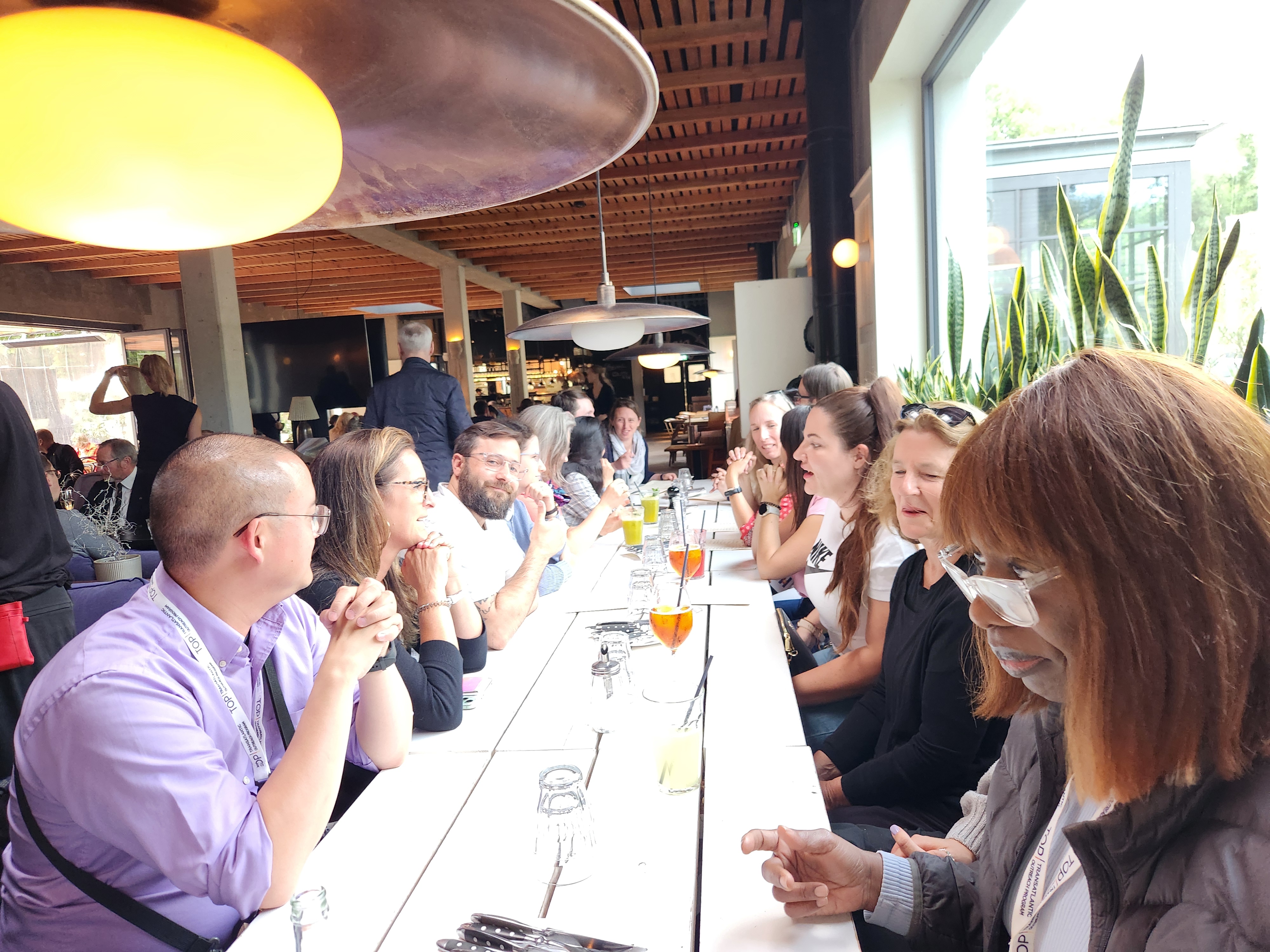
Our group had a little time after the school visit to explore the Kaiser Wilhelm church and do some shopping before the next stop, the Center for Documentation. This new facility was founded to tell the stories of displaced persons in Europe, both historically and today. The high-tech environment used artifacts, personal narratives, interactive screens, and hands-on elements to share the stories of forced migration and give voice to the overlooked. It was a powerful and unique experience! We ended Day 10 with a dinner at Cafe am Neuen See with a group of teachers from Berlin to eat, socialize, and learn from each other. It was an insightful conversation relating the similarities of the teaching profession in Germany compared to what we know in the United States.

 Bill and Jeff's Historical Travel Blog