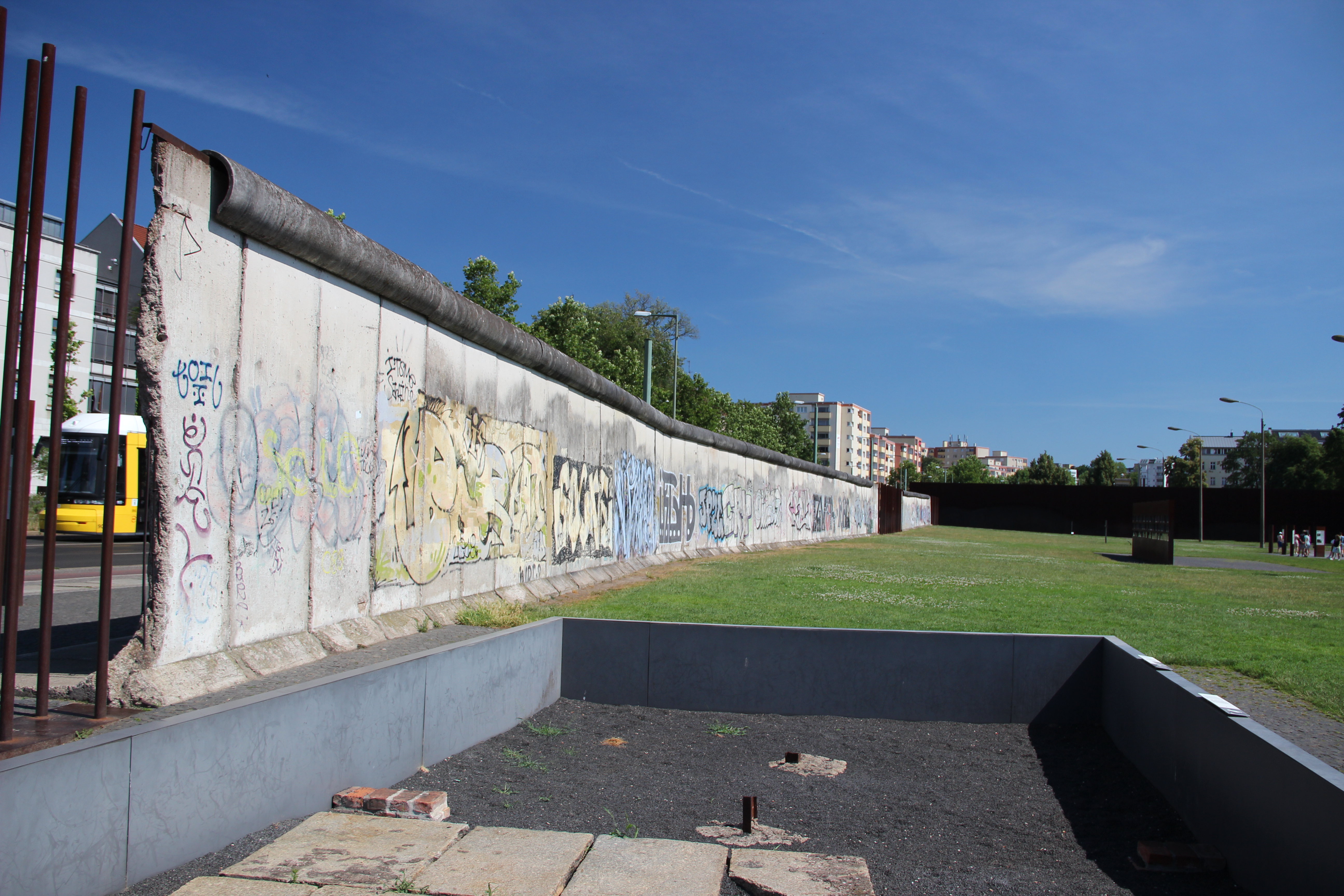
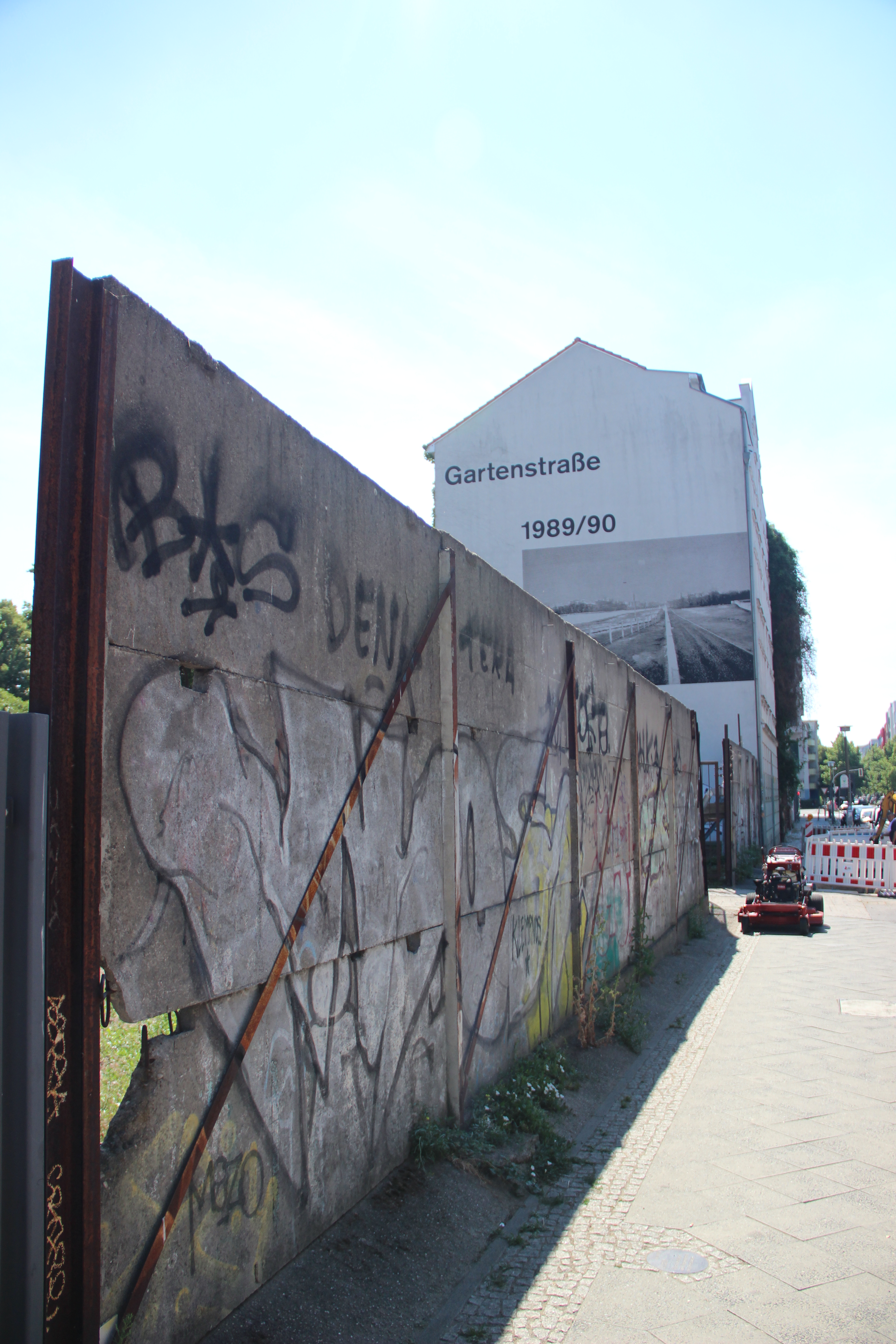
The final day in Berlin was kind of intimidating because there was still a lot on my list I wanted to see and do but there was only so much time in the day. On top of that, I discovered too late that most museums in Berlin are closed on Mondays! I still set out to cover what ground I could and be content with what I could find time for. The first stop was in the northern part of Berlin at the Berlin Wall Memorial. This extensive portion of wall remains in place and helps illustrate how complicated the partitioning of the city was back then. Part of the wall was made up of buildings that the wall attached to and some of those are still as they were when it came down in 1989. Also, this area demonstrated how in places there were actually two walls separated by a no man’s land in the middle which was used as a killing zone and deterrent for would-be escapees from East Germany. Here it is possible to visualize the entire setup as it would have been. There is also a memorial to each of the 140 known victims killed trying to cross the border illegally.
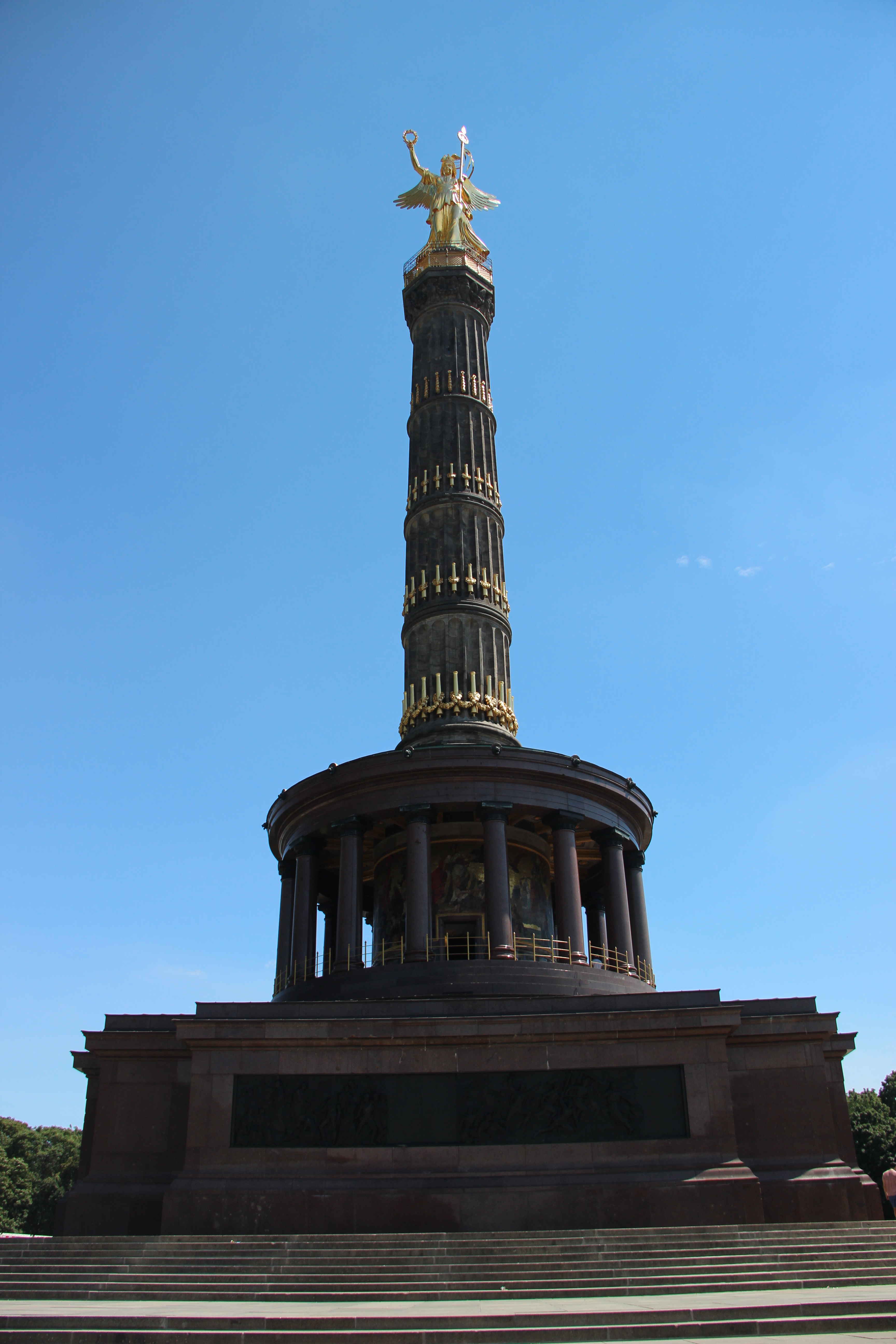
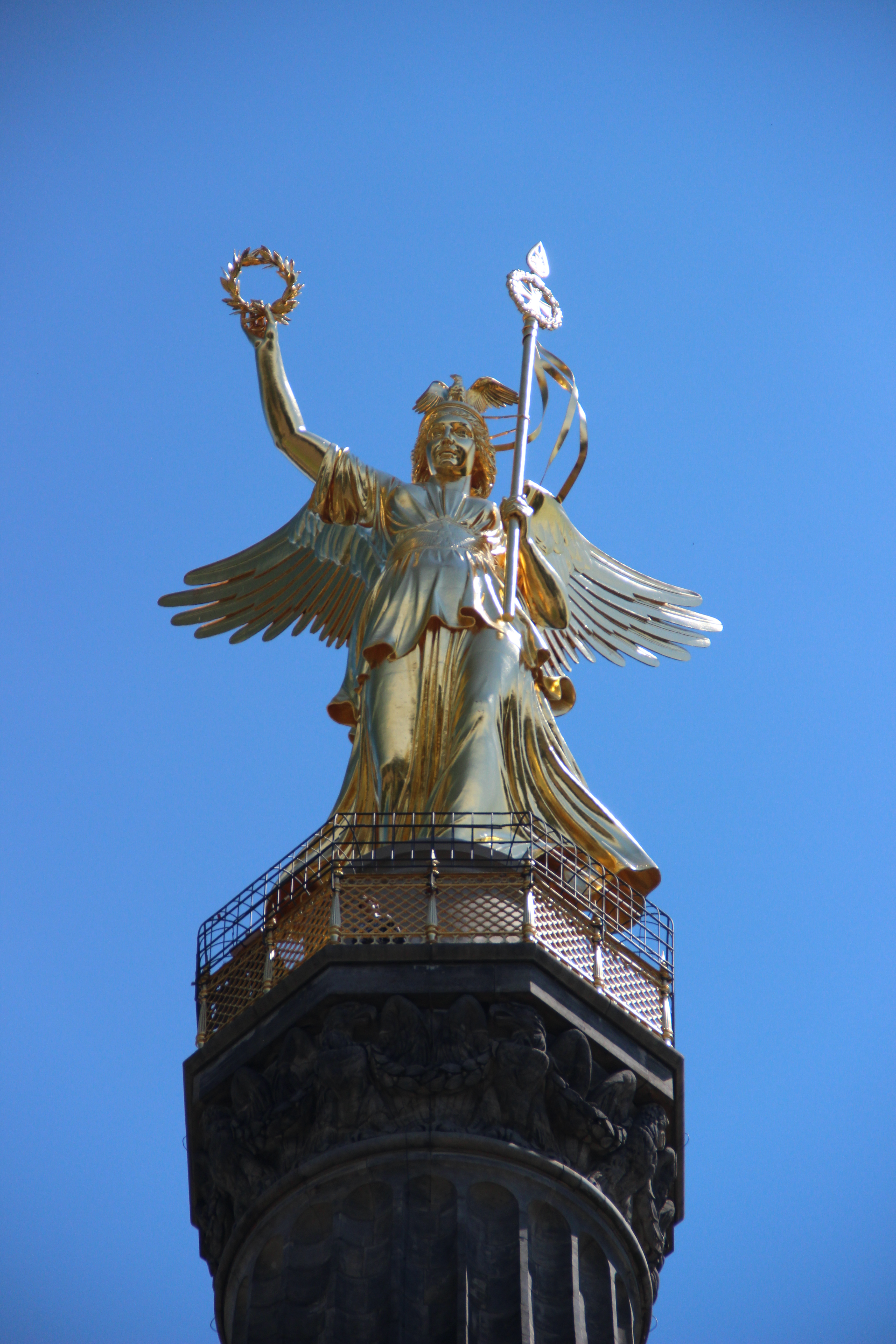
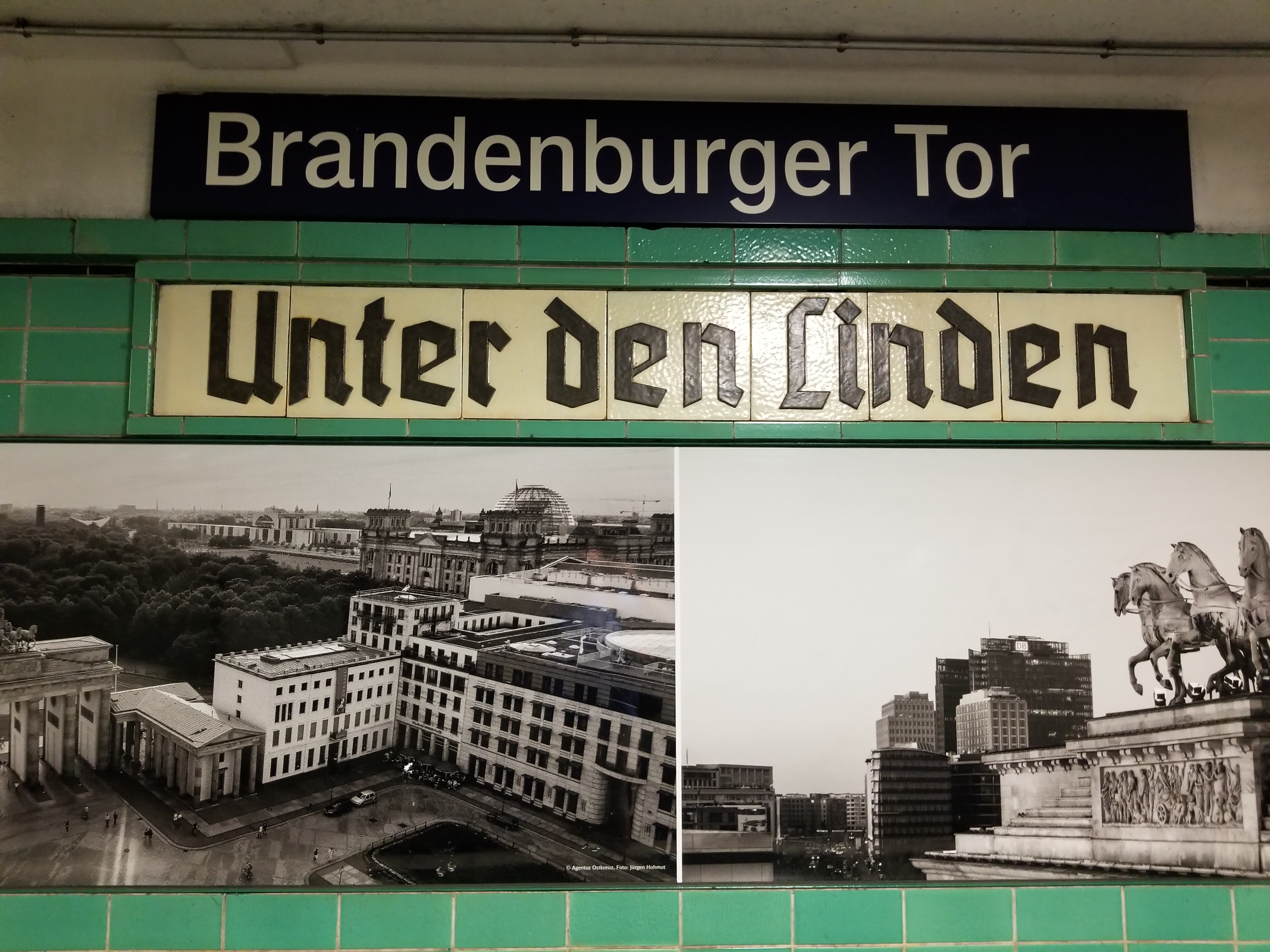
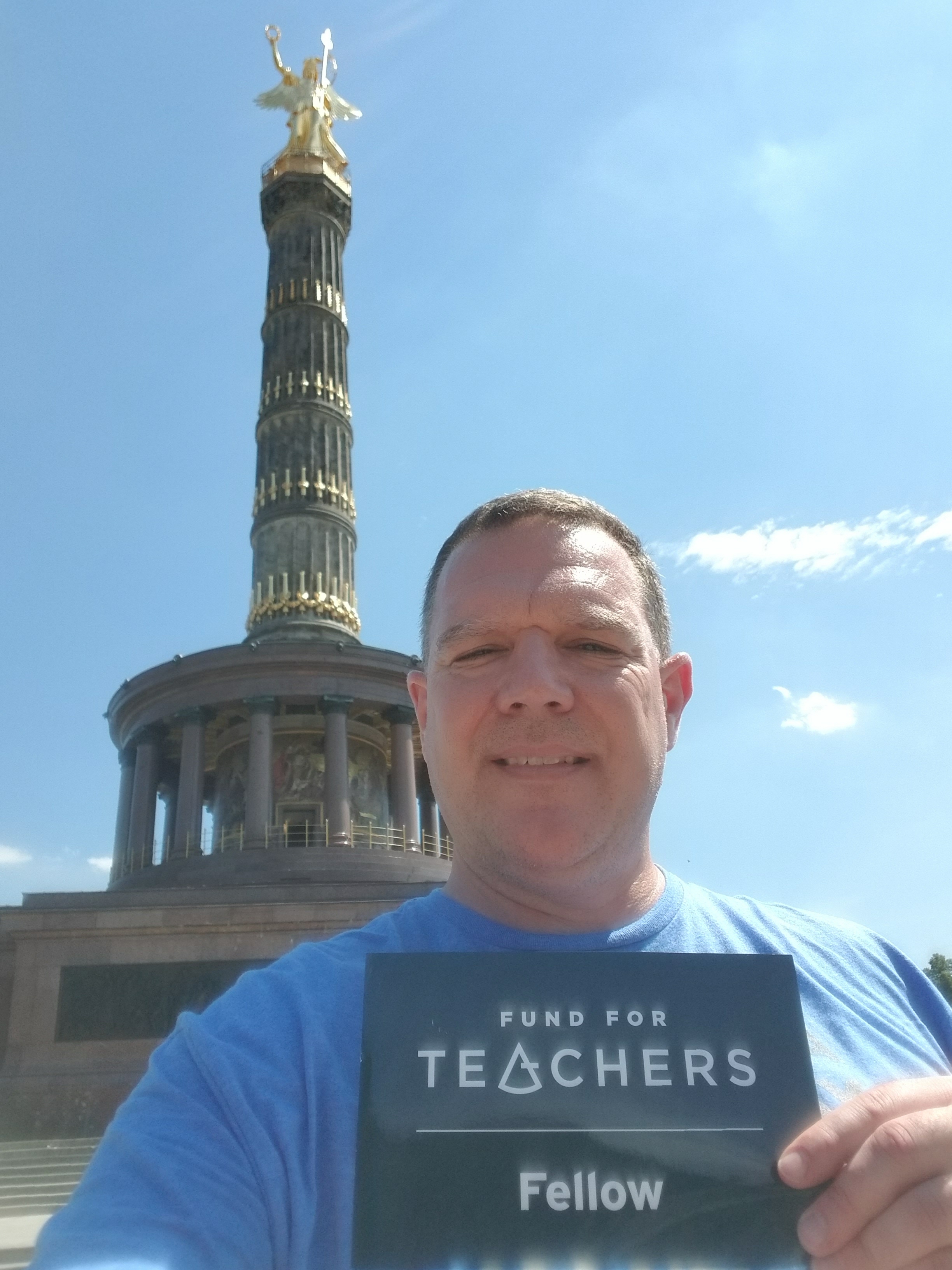
Before leaving Berlin, I wanted to get a good look at the Victory Column in the Tiergarten in the middle of the boulevard Unter der Linden. So, that’s where I headed next. I jumped back on the train and got off at the Brandenburg Gate then walked the 1.25 miles through the former royal hunting ground that is now the Tiergarten. It was a pleasant, shaded walk on a scorching day so that was nice. The Victory Column sits in the center of the highway and can’t be missed. It represents the Prussian war victories of the 19th century and serves as a monument to Germany’s military culture and heritage. From there I caught a bus back to the Reichstag to get some 360 images, now that some large construction equipment had been moved from the front of the building. I asked a college student to take a picture of me and it turned out he had just graduated from the University of Oklahoma. Can’t get away from the Sooners anywhere I guess!
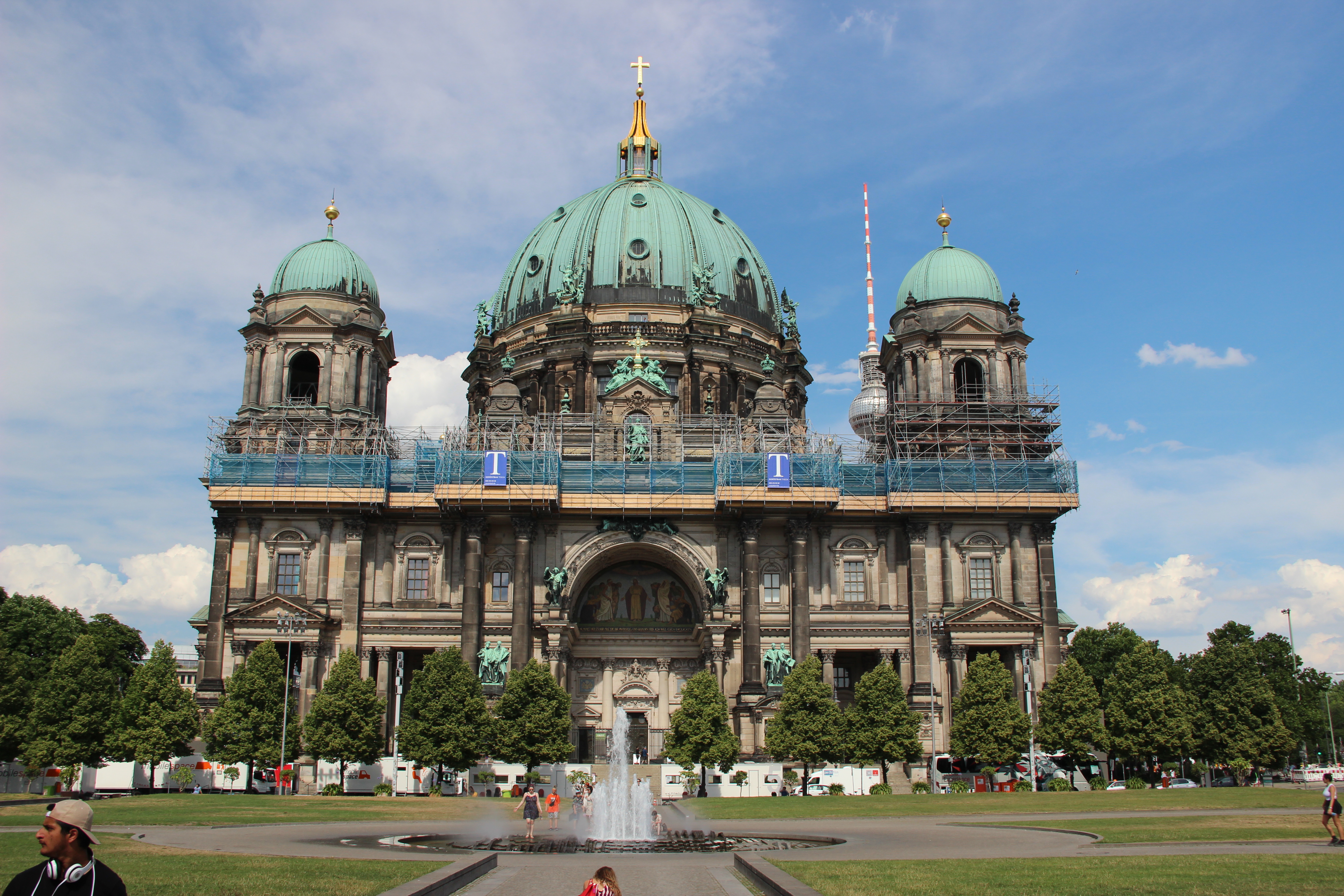
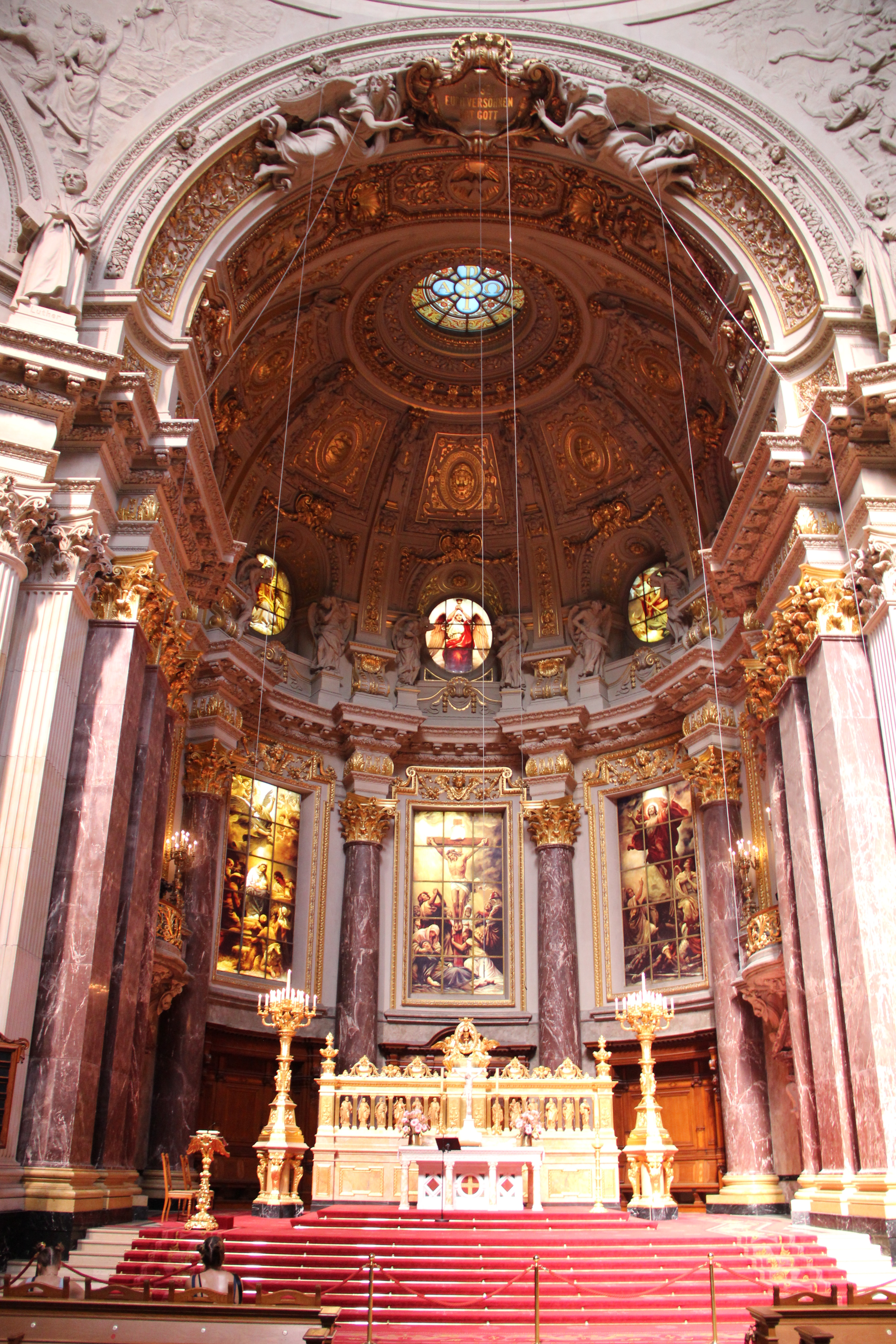
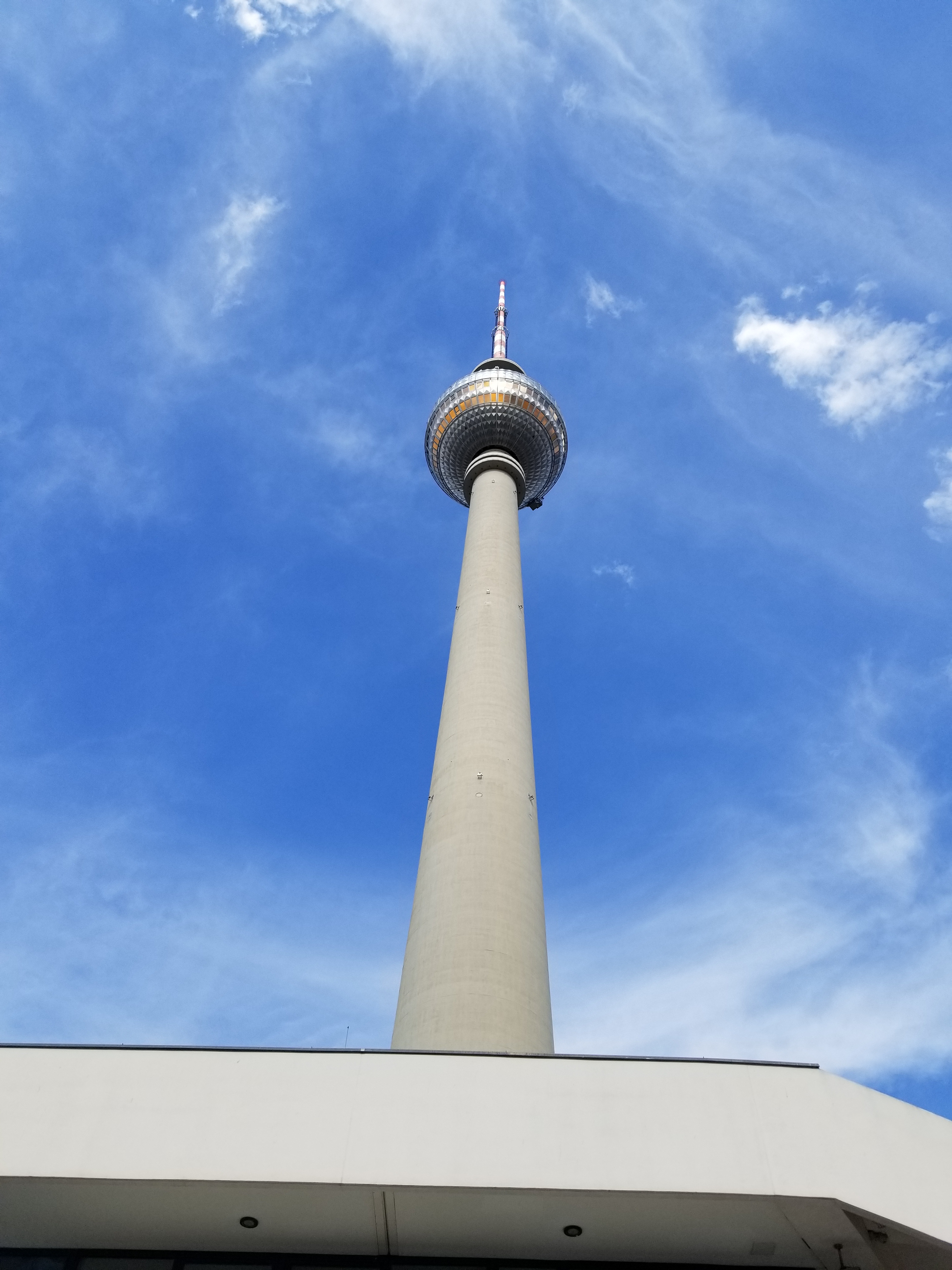
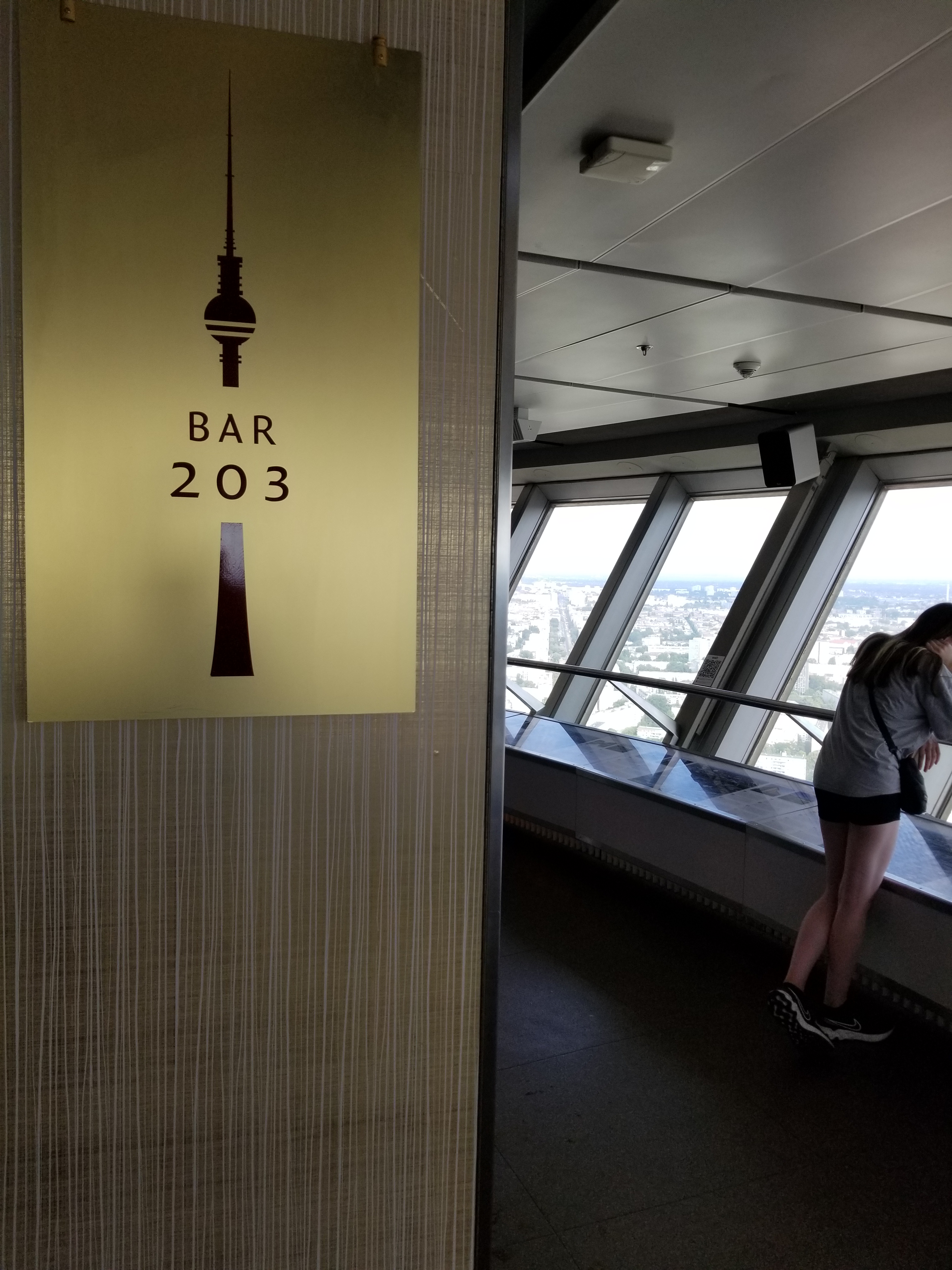
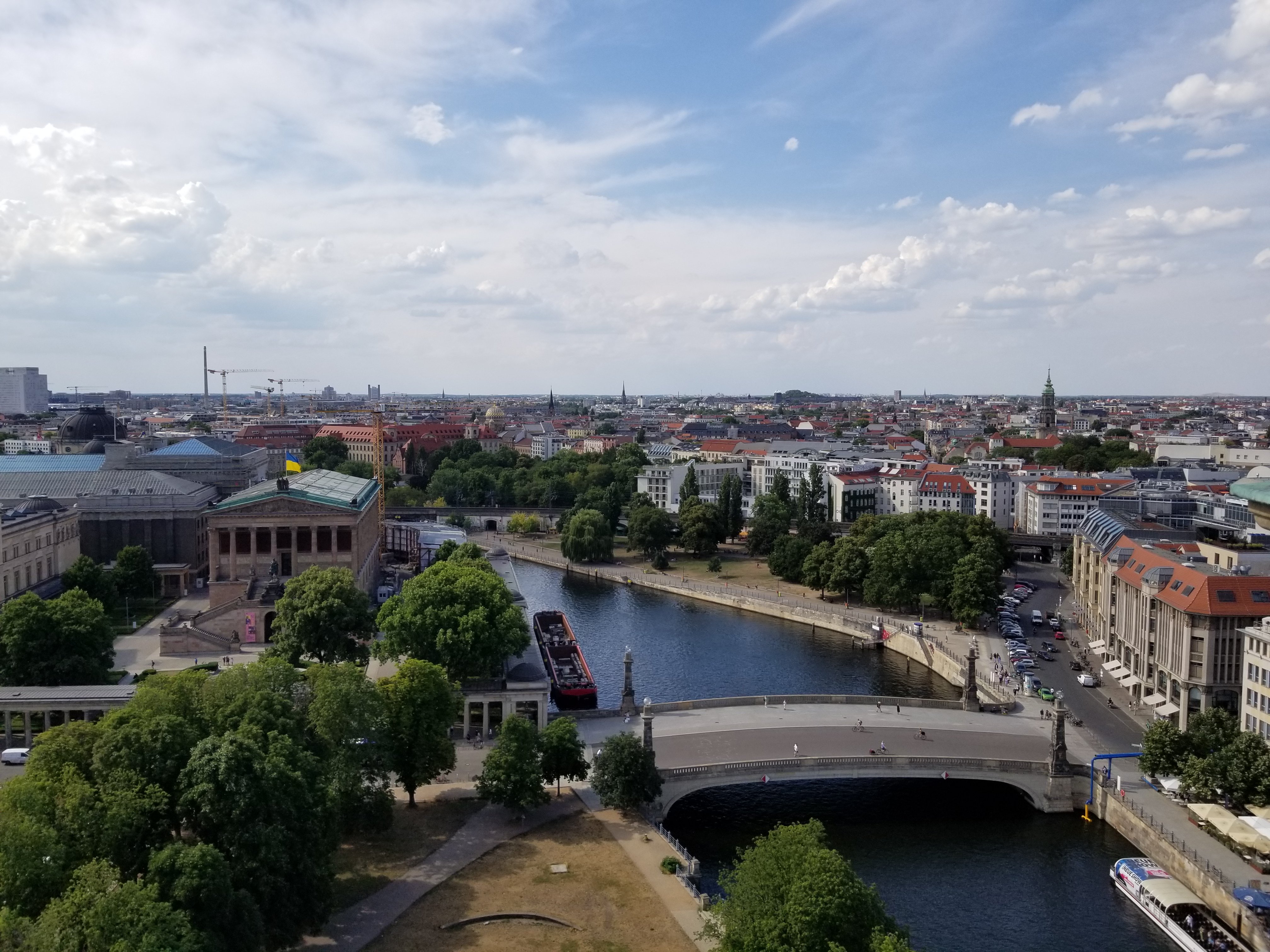
After another currywurst and fries for lunch, I visited the German History Museum. Their permanent exhibit is close for remodeling at the moment but I took in two nice temporary exhibits on Richard Wagner (playwright and composer) and Karl Marx (father of Communism). Both were very well done and helped tell the story of these two prominent 19th Century Germans. The Berlin Cathedral, or Berliner Dome, was next as it was just a short walk away. I love cathedrals and this one did not disappoint! The amazing architecture and Christian artistry so prevalent throughout is humbling to say the least and the feeling of smallness that one gets inside a massive sanctuary is profound. I have always found it difficult to take pictures inside a domed structure that do it justice so I was excited to try the 360 camera here. Hopefully, it worked out! While there, I decided to hike up the 260 or so steps to the observation walkway near the top of the dome. It was a winding and narrow climb, but the view at the top of the Spree River and downtown Berlin was worth it! Since I was enjoying the birdseye view of the city, why not go bigger right? I made my way to the Berliner Fernsehturm, the most prominent landmark in the city. This tv tower was built in 1969 by the East German government to represent Sputnik I and provide the DDR with a structure to take pride in. I rode the elevator up to the observation deck that is 667 feet high for a panoramic view of the entire city. Inside the bubble are interpretive stations that help you identify and understand what you are looking at. It really is an experience not to be missed! Once back at the bottom, I went on a VR adventure that is offered over the history of Berlin. This 15-minute virtual reality journey shows the development of the city through the centuries and helps a person to visualize the changes over time. I love this idea and wish I could use the video in class with my students! For now, I’ll have to settle for the 360 images and the adventures that I create with them.
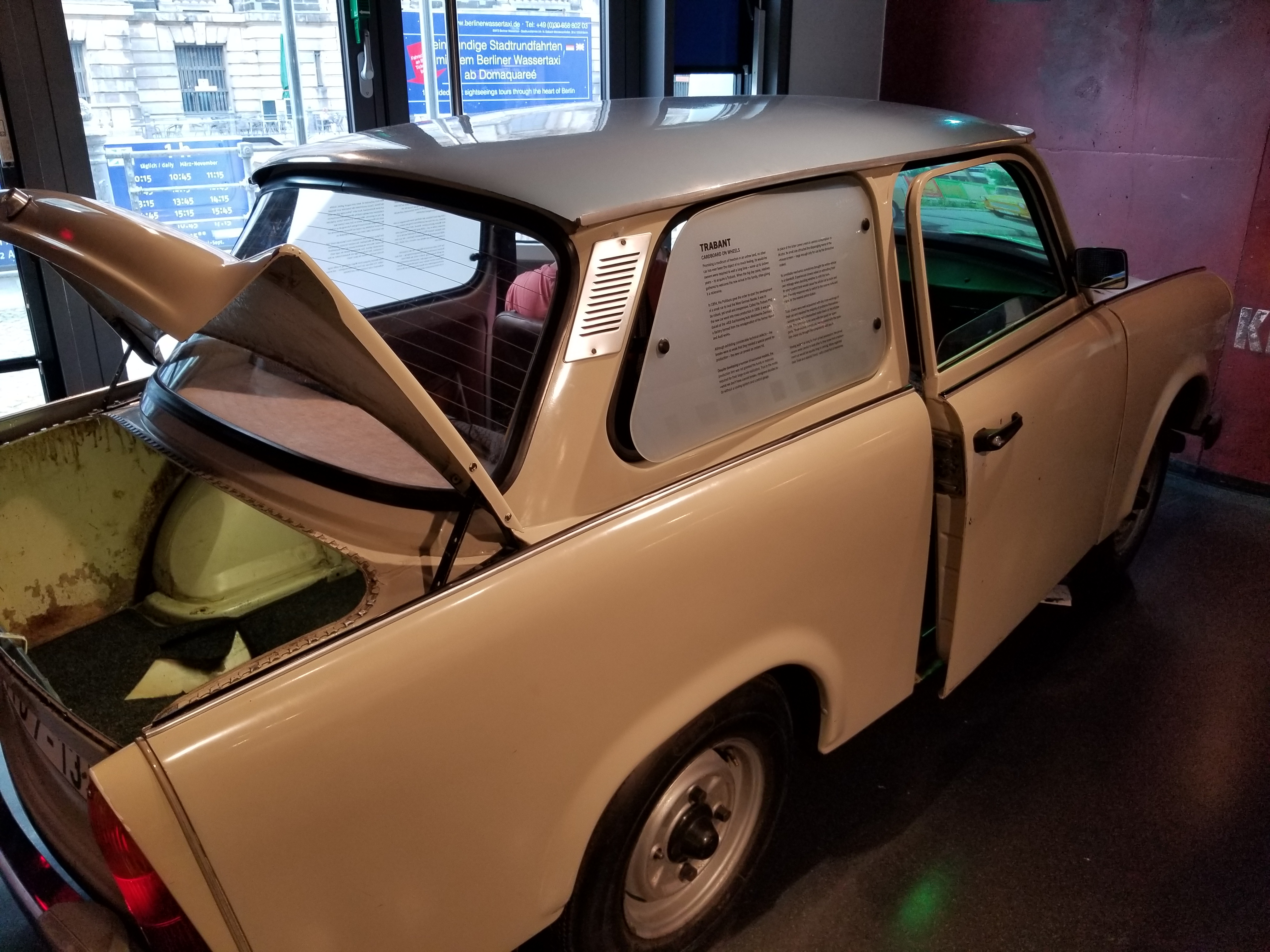
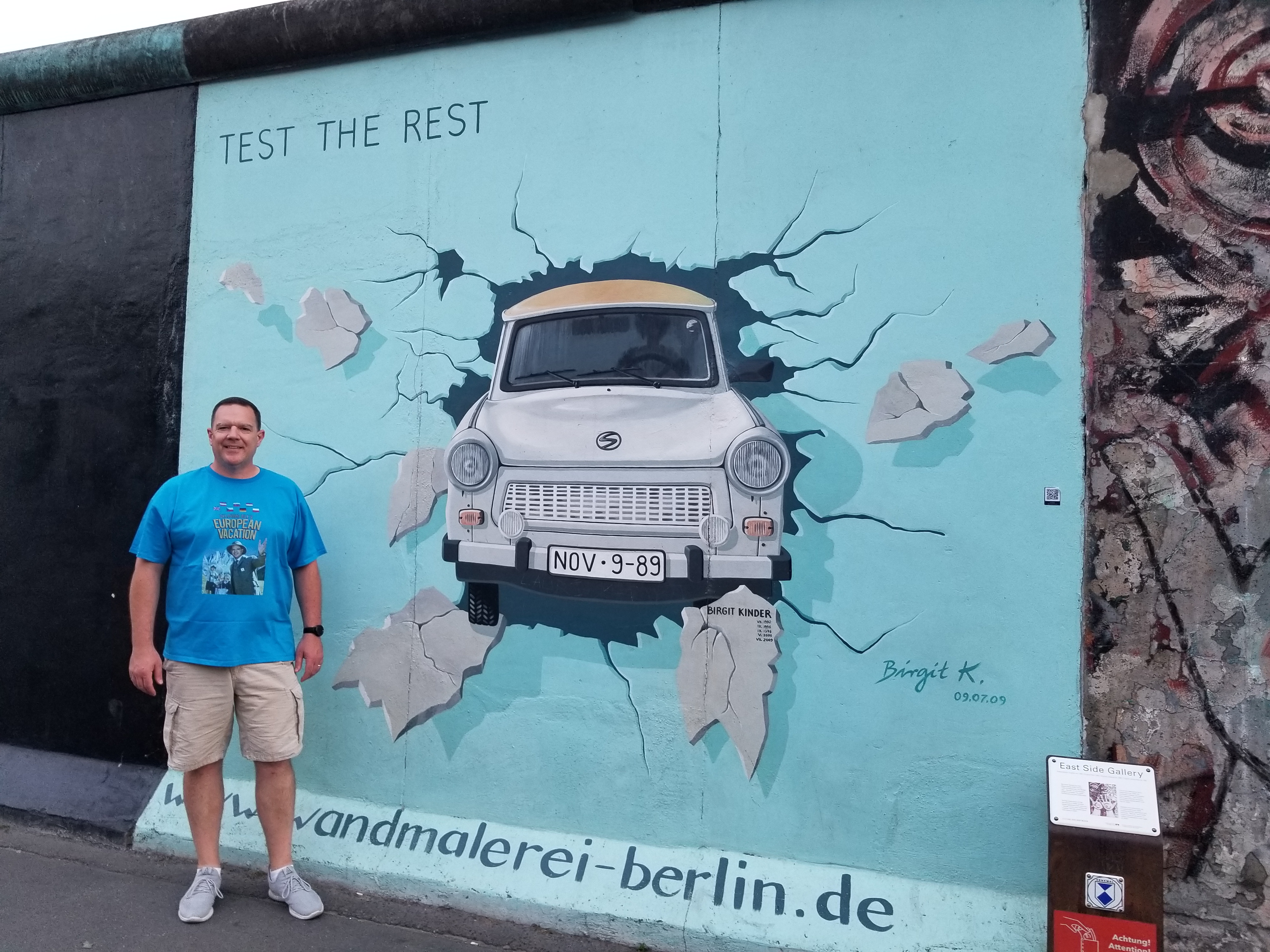
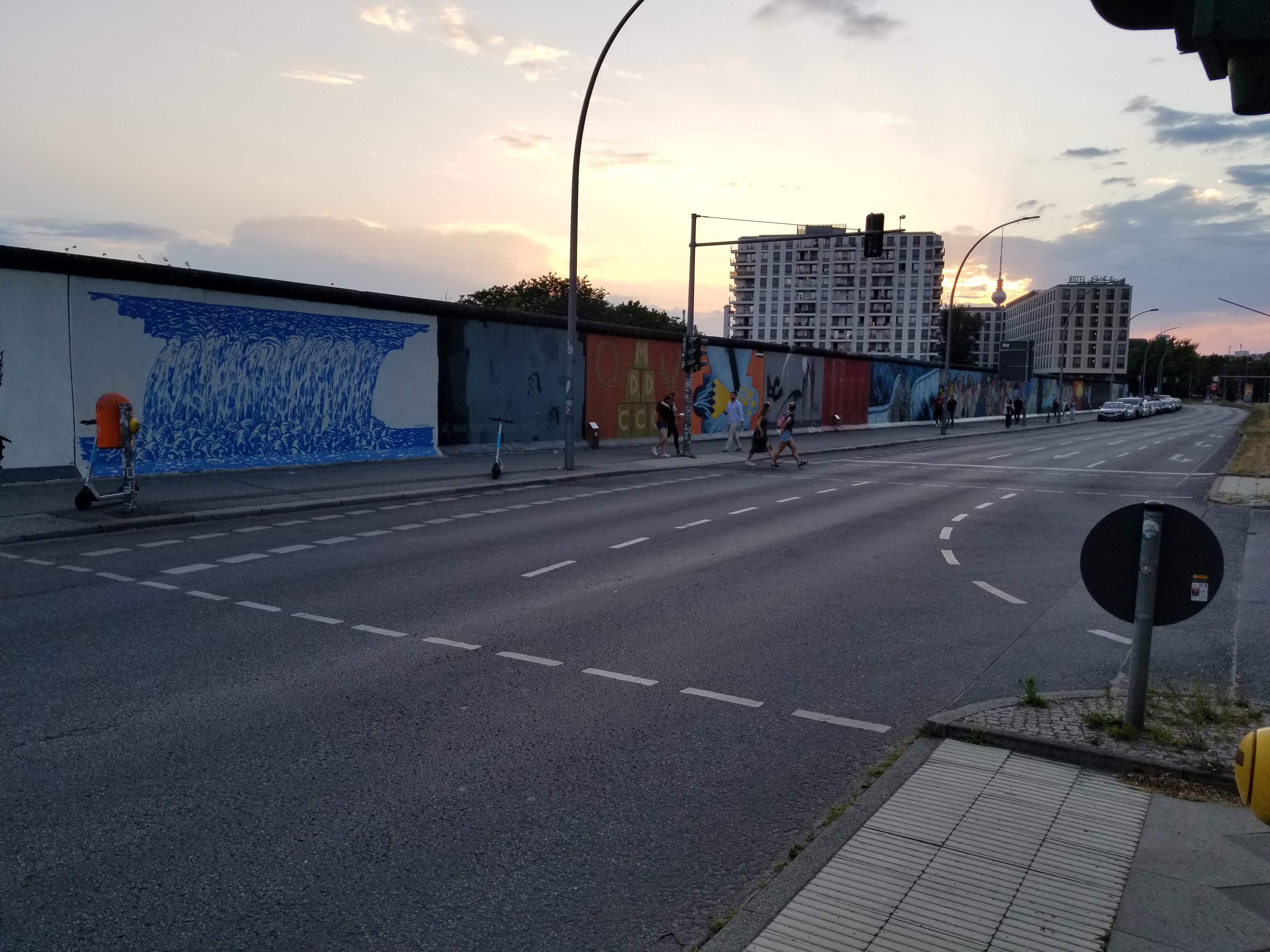
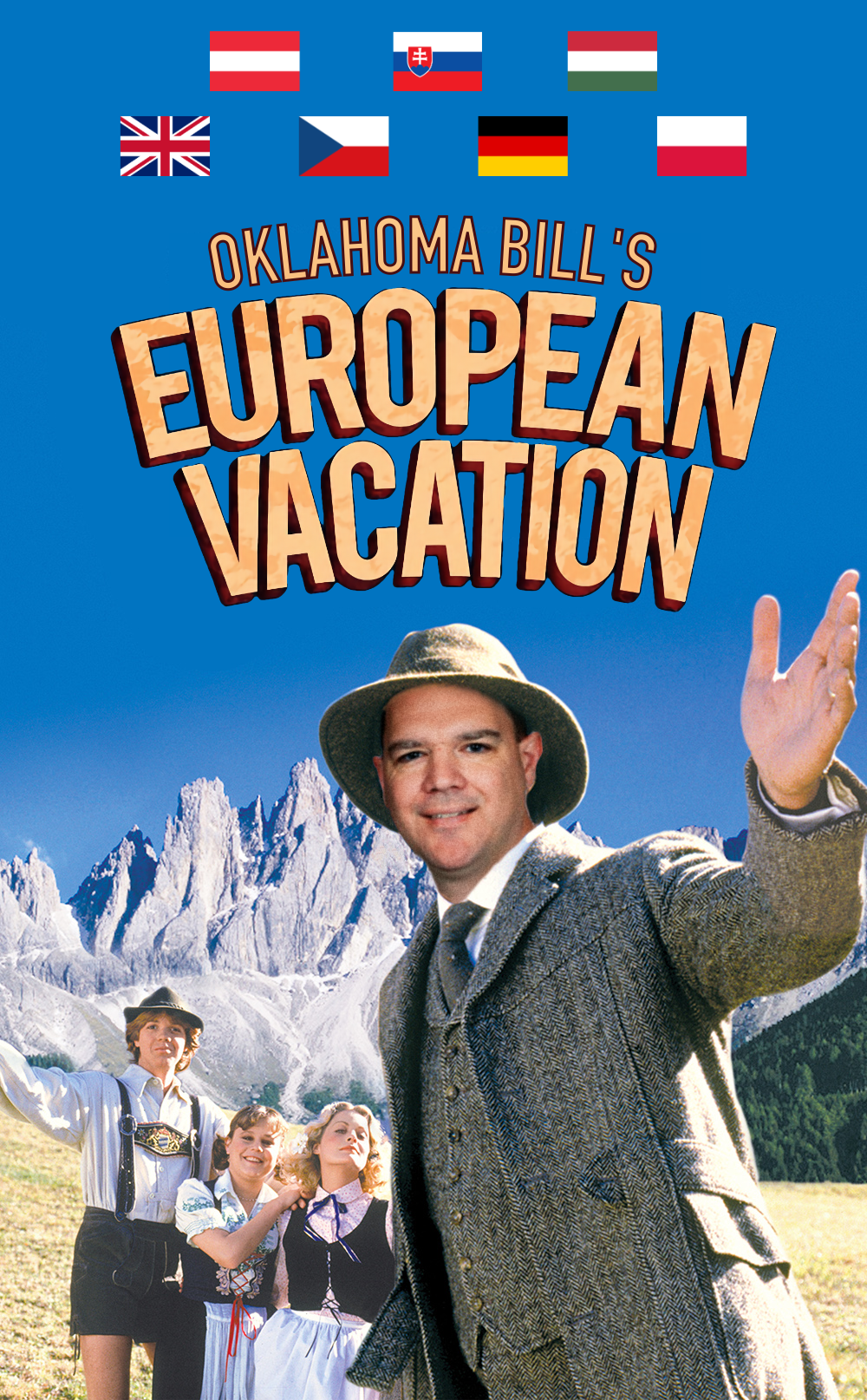
A visit to the DDR Museum right on the banks of the Spree River really helped illustrate what life in East Berlin was like during the Cold War. This fully interactive and immersive museum utilized hands-on activities and allowed visitors to literally sit in the seat of the infamous East German car, the Trabant (known as cardboard on wheels) and walk through a government-provided apartment. I loved the way they set this place up and appreciate the chance to learn through experience! My last stop in Berlin was at the East Side Gallery, another extensive section of preserved wall. This section is literally an art gallery though, and is used by the city as a way for people to express themselves and to promote learning from all that the wall and the division of the city for all those years represented. It truly is inspiring to see the art that people from all over the world have added to the concrete barrier. While there, I made sure to get a picture or two while I was wearing my one-of-a-kind EuroTrip 2022 shirt! I’ll attach a picture of what the image is. Shout out to Mr. Fehr’s student Jereon for the photoshop help! Now that my time in Berlin has wound down, I am struck by the feeling that this city with such a dark recent history has so much more to offer than just Nazi and World War II history or the trauma that was the division of the city during the Cold War and life under Communism in the East. Berlin was, and is, a vibrant cultural center with so much architecture, art, creativity, and spirit. I am inspired by the way in which the horrors of the past have been embraced and the effort of the German people to learn from those lessons. I certainly hope this is not my last time in this amazing city!

 Bill and Jeff's Historical Travel Blog
Great reading Bill!
LikeLike