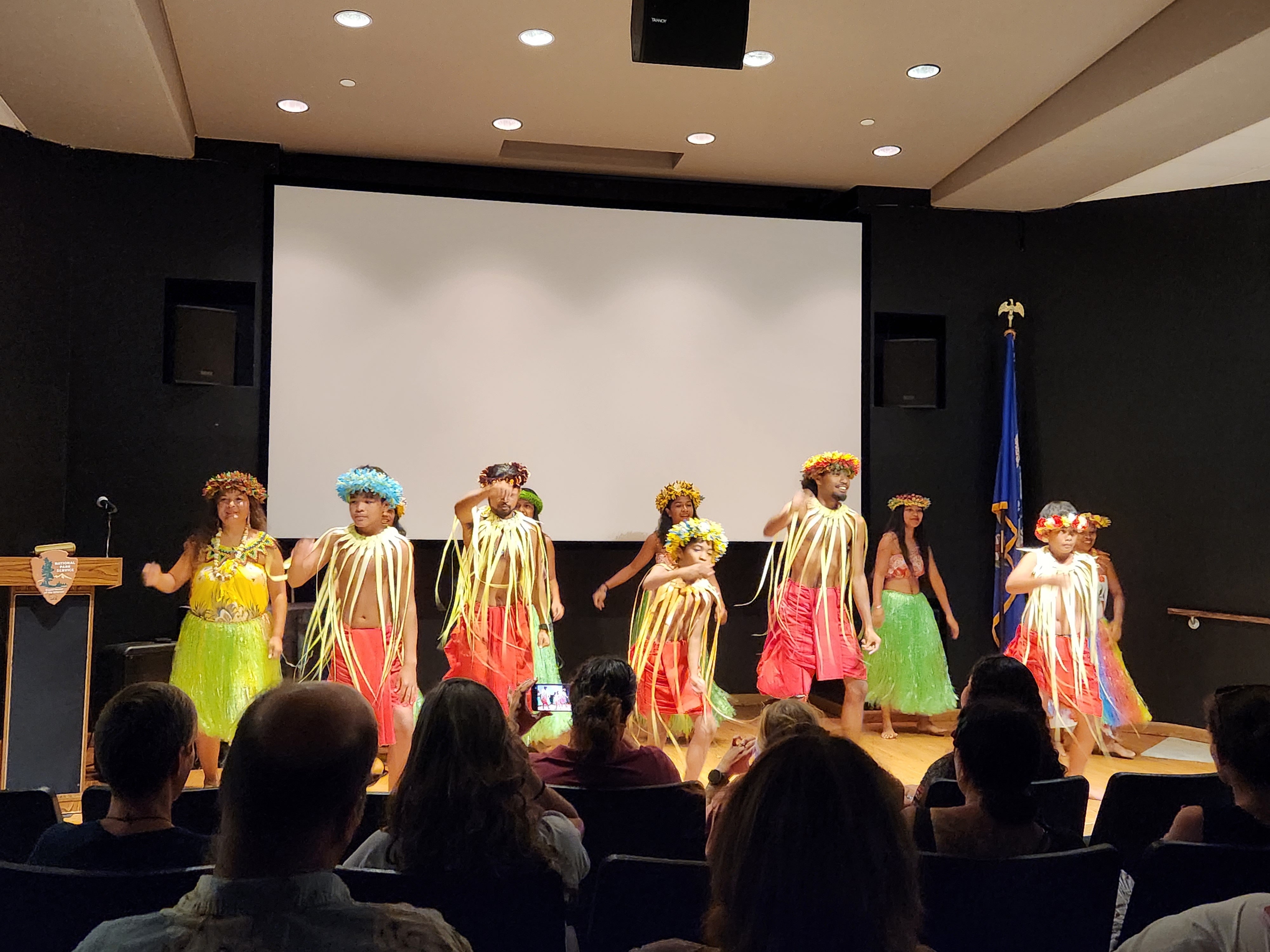
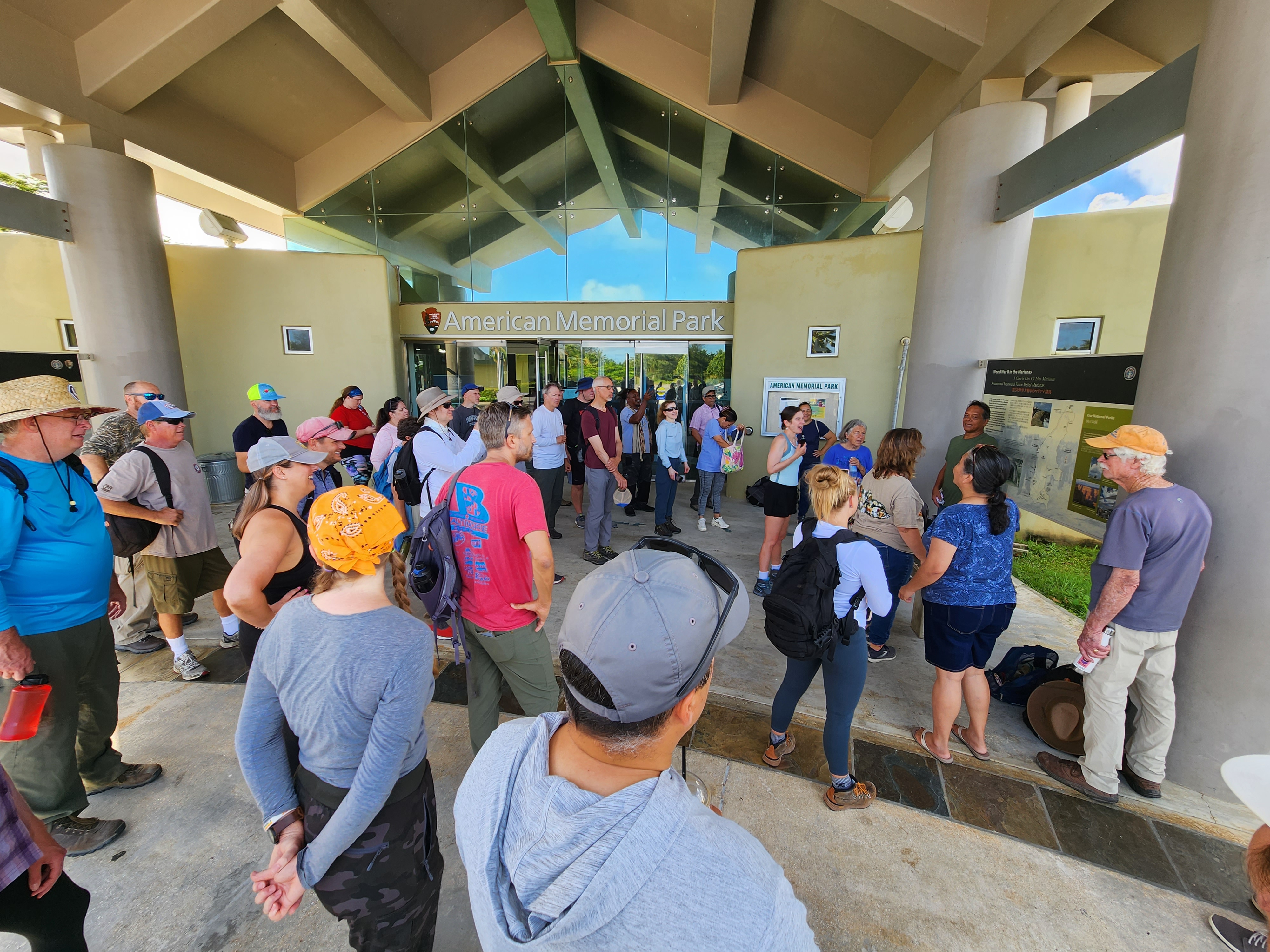
The second day of the workshop was mostly a classroom day. It included lectures and conversations about the power of storytelling and how to utilize text sets from diverse backgrounds to provide multiple perspectives as well as an introduction to story maps and development of interactive storytelling through digital media. In the evening there was a special presentation by two renowned historians and cultural leaders on Saipan about the history of the island and the people and issues the island faces today. There was also a short cultural dance demonstration by some local youth.
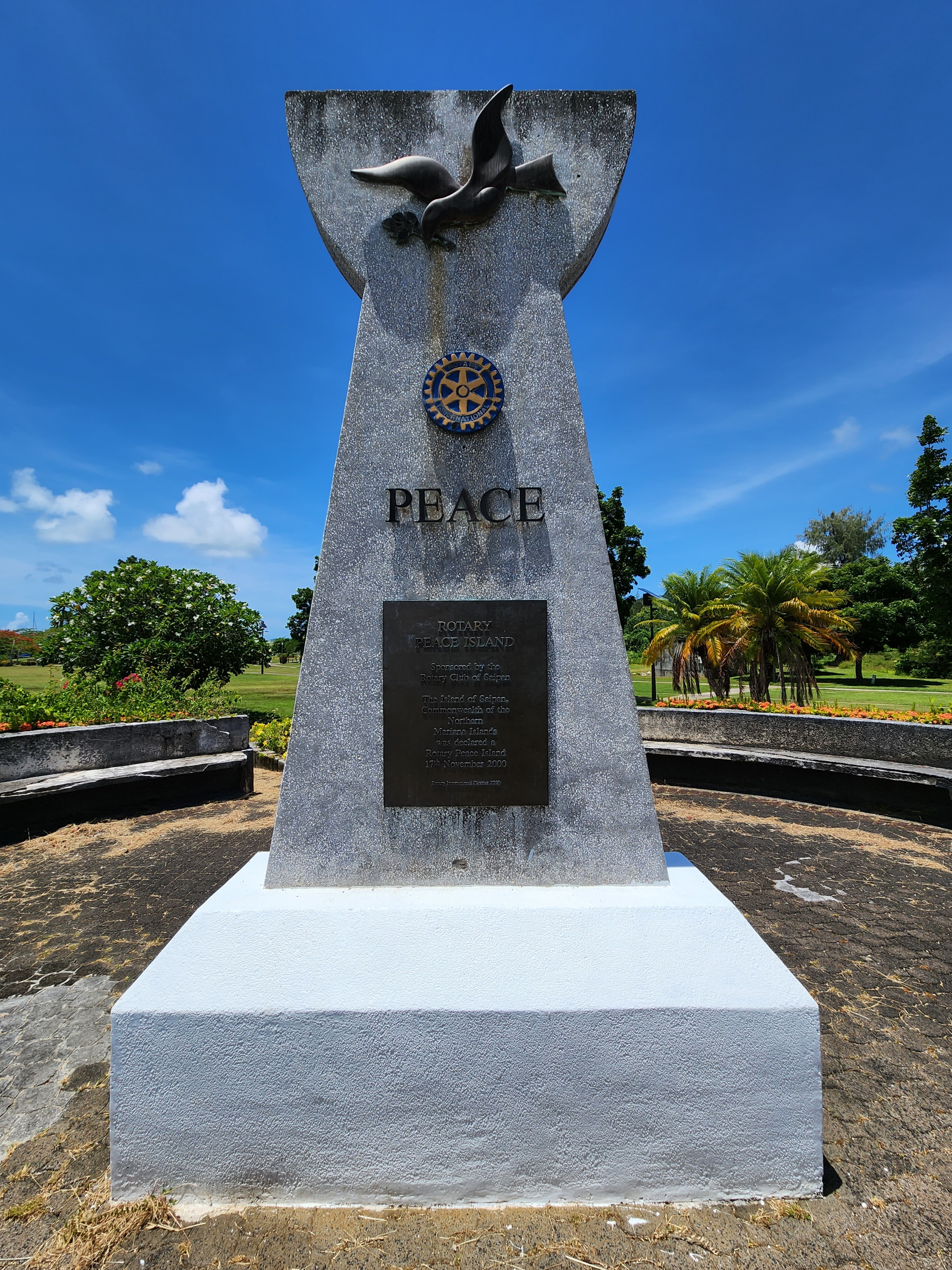
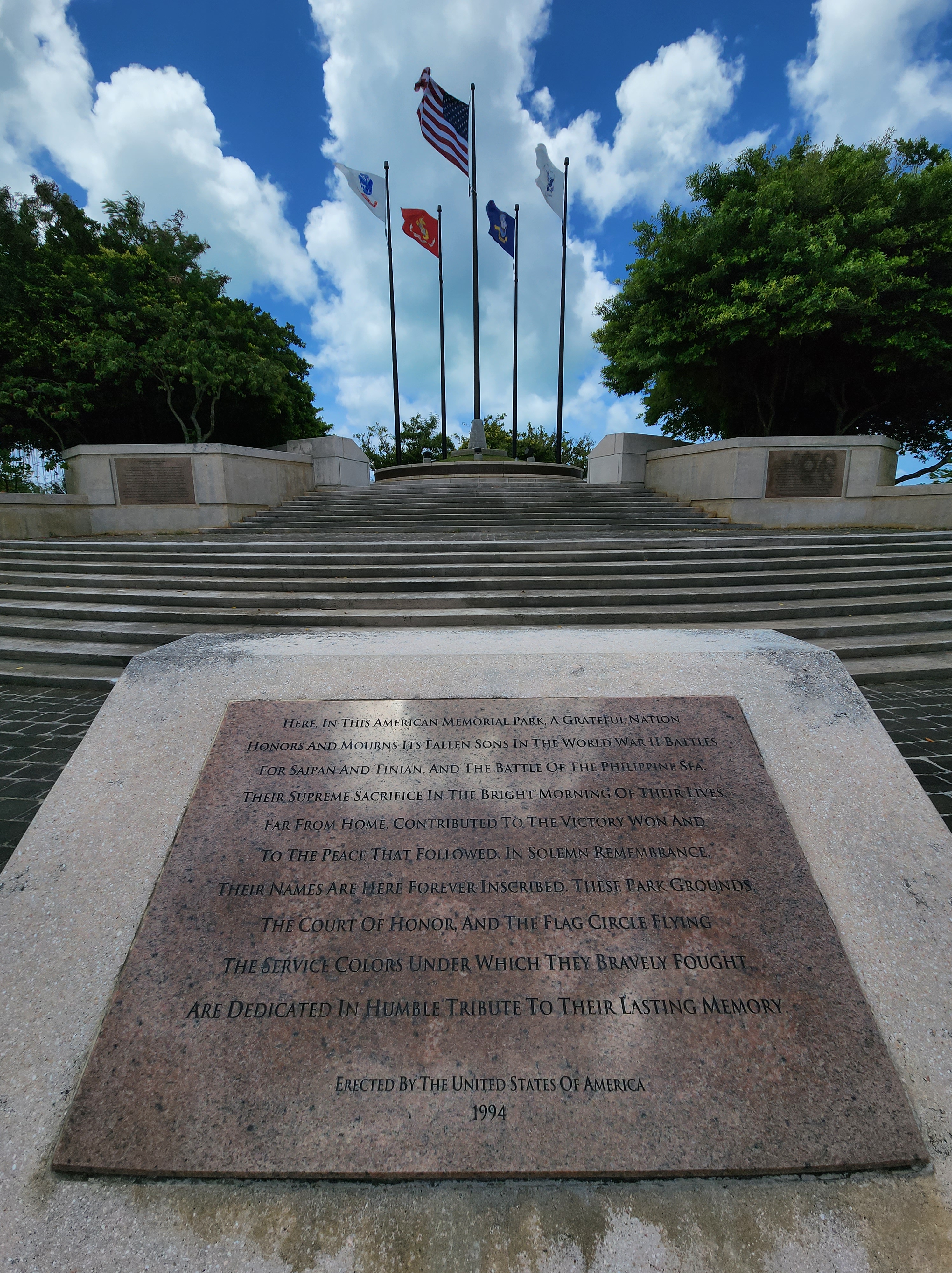
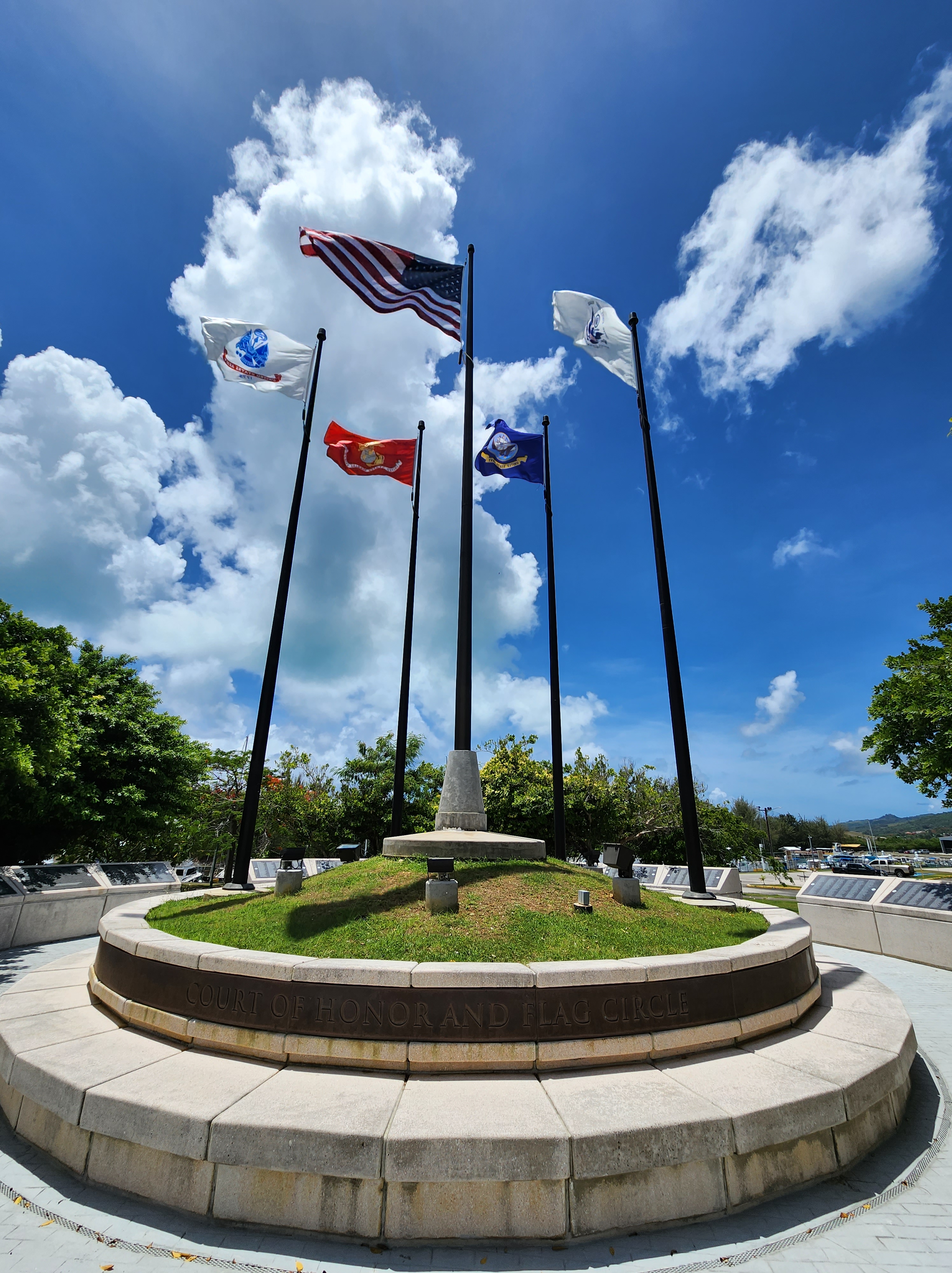
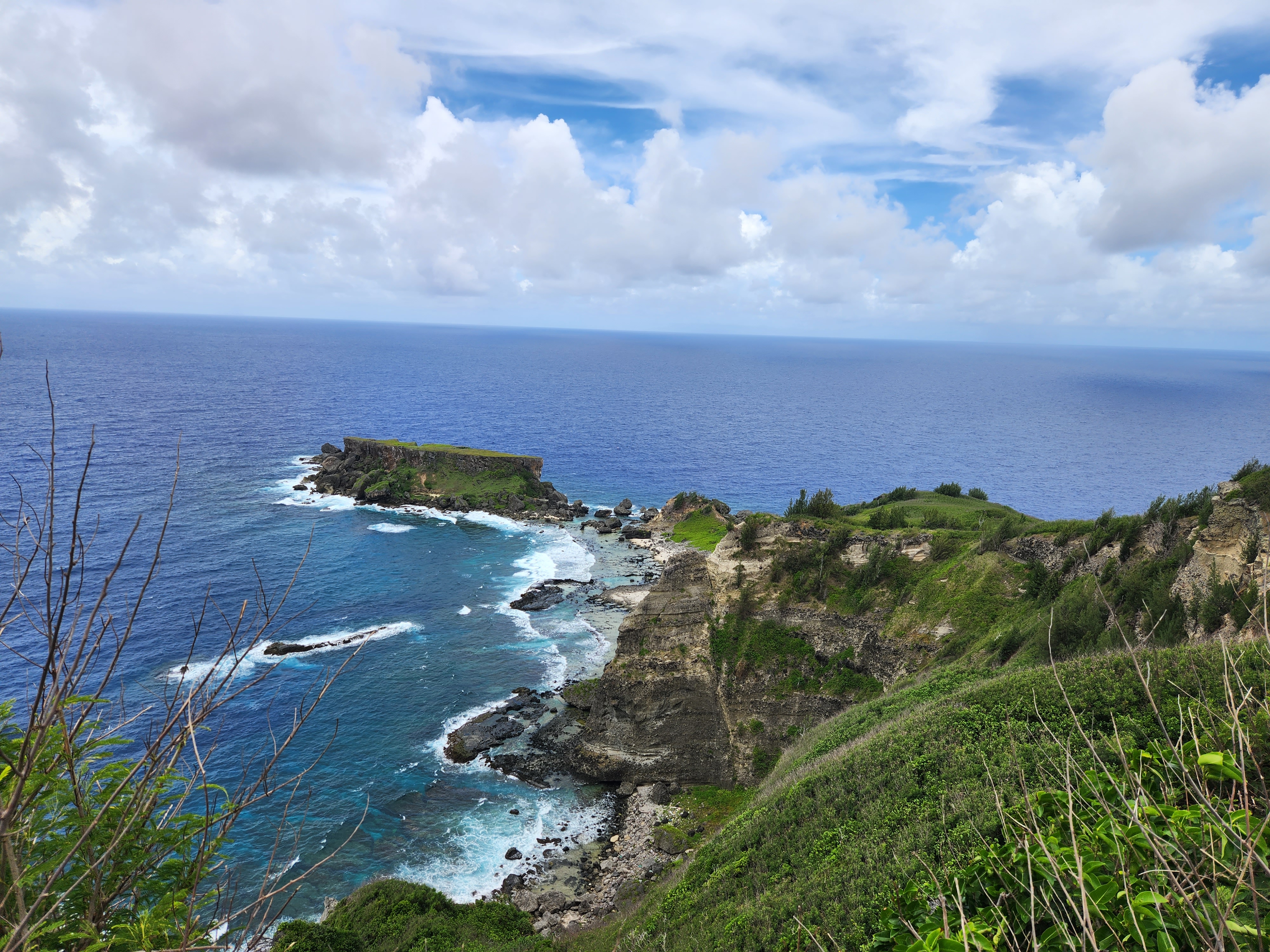
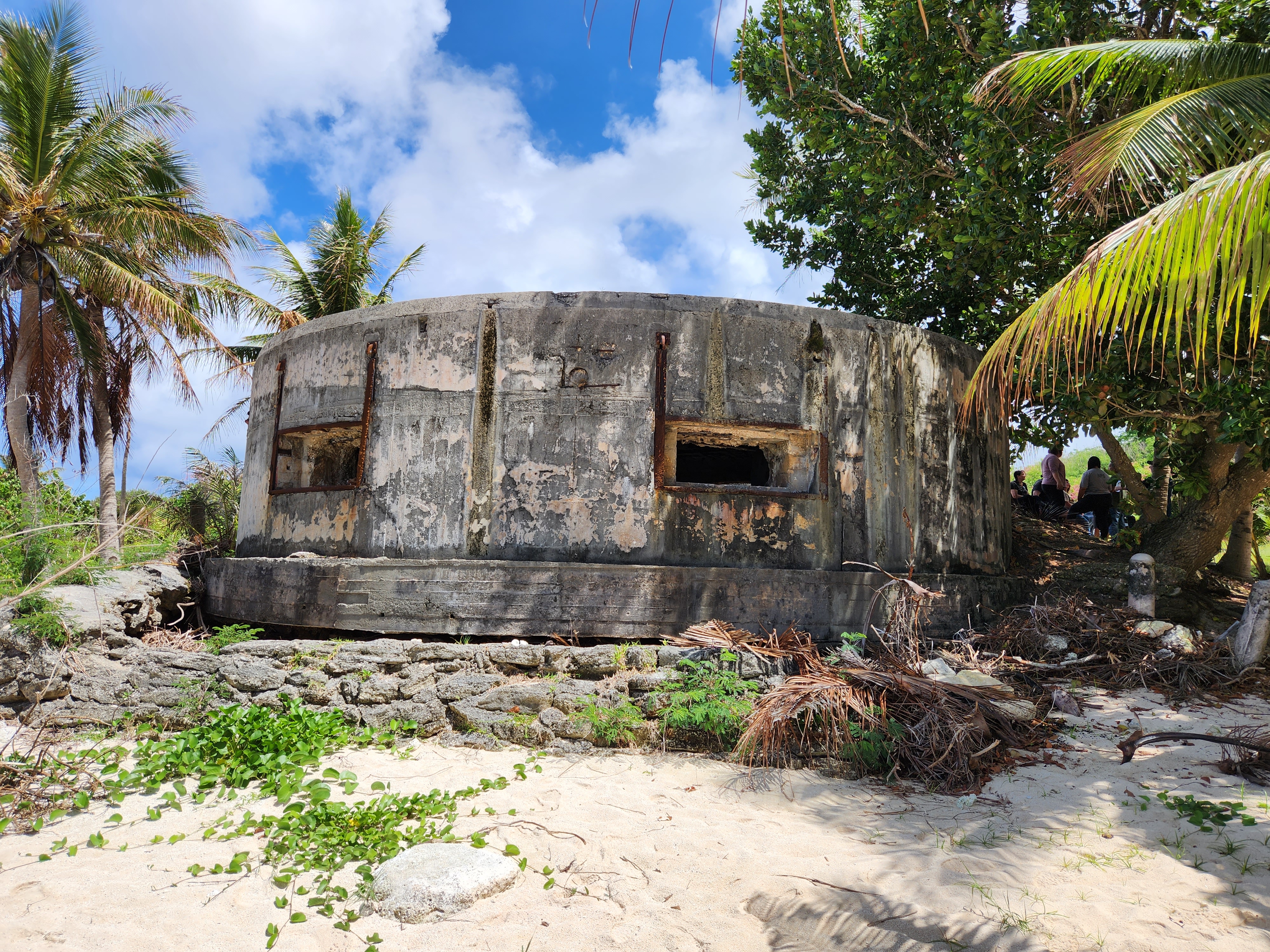
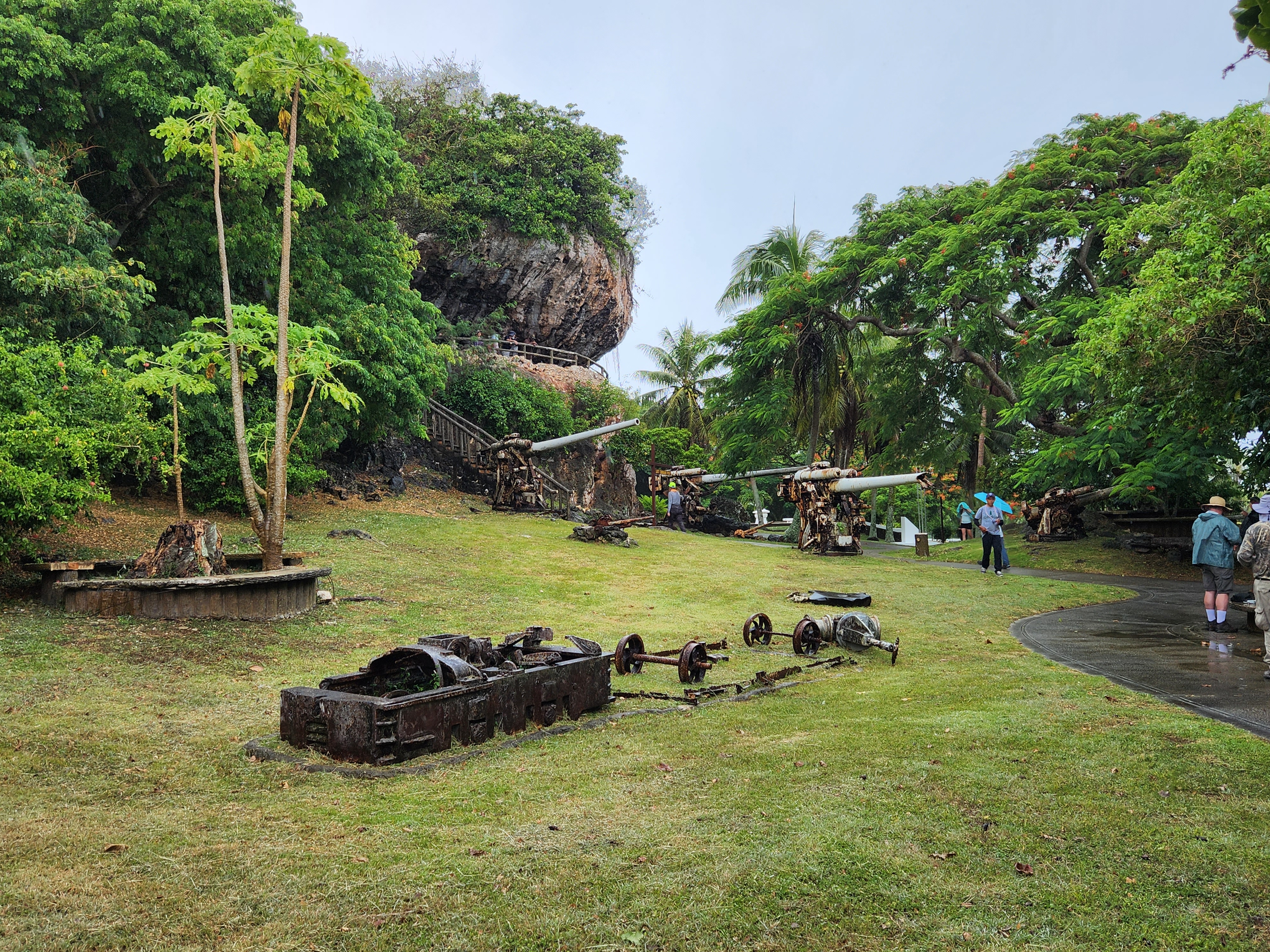
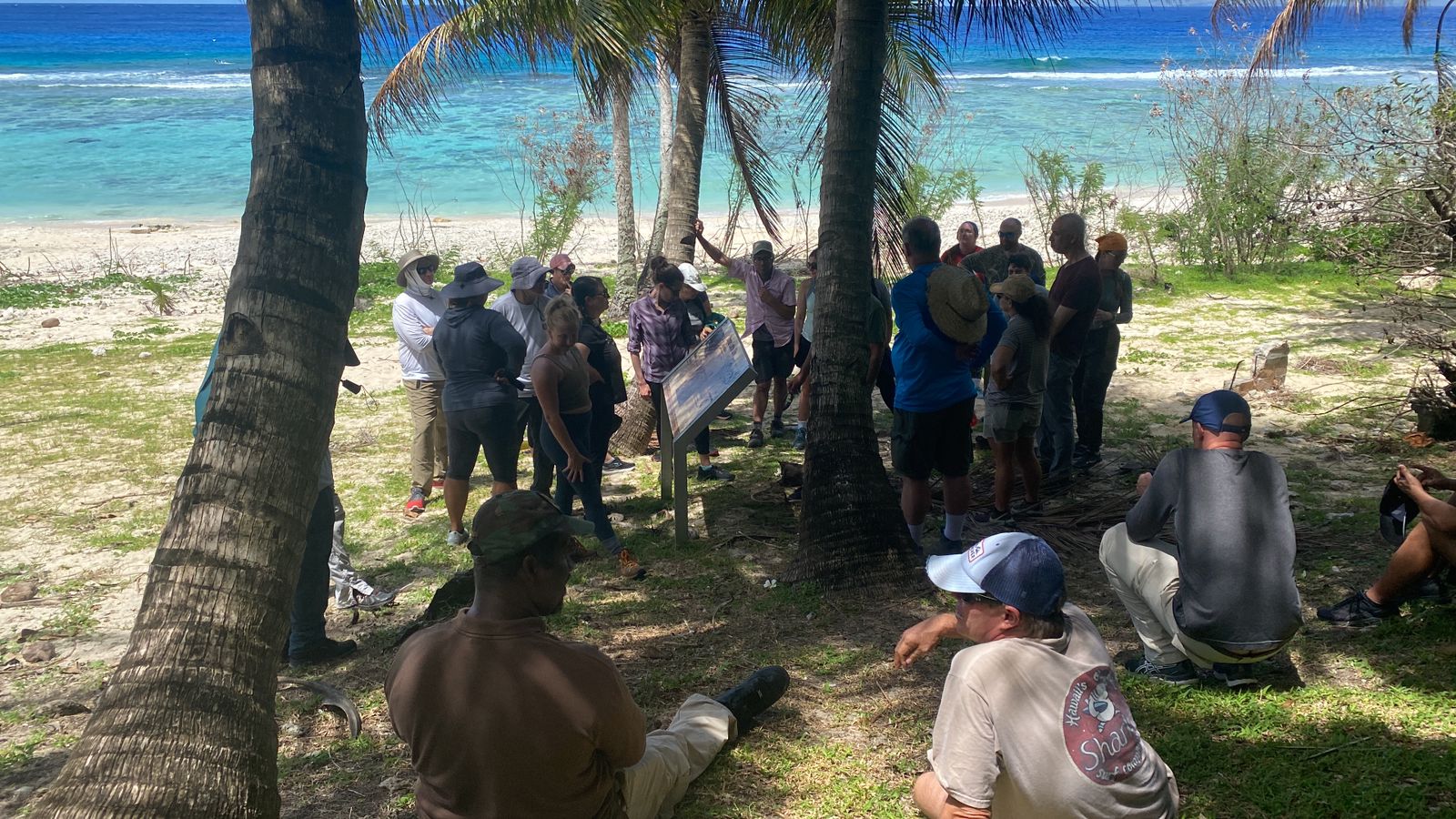
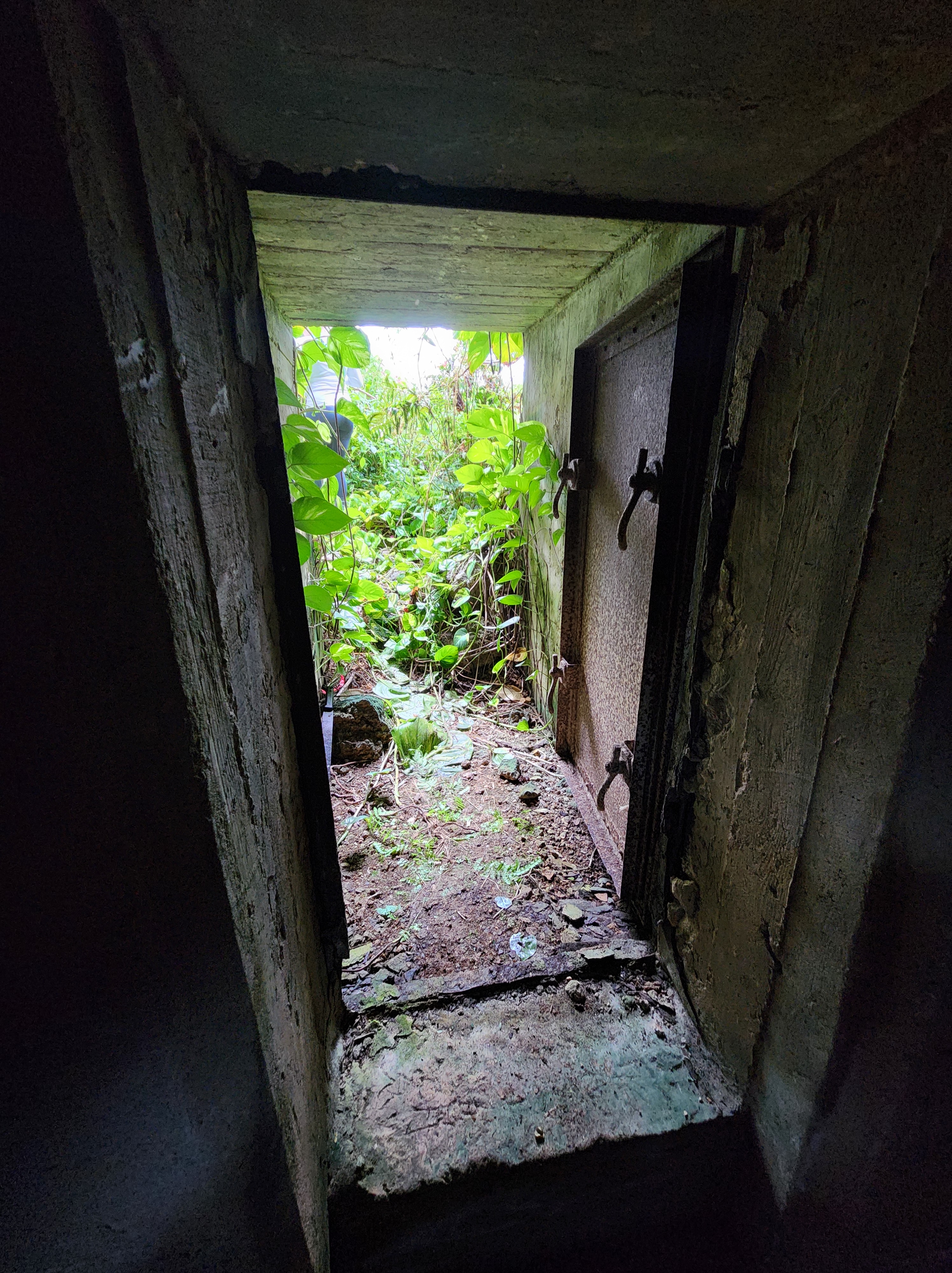
Day 3 was almost entirely made up of site visits around the island. Participants were taken to a number of unique locations related to the Japanese military, including equipment, bunkers, and underground storage facilities. Many of the Japanese defensive fortifications were made in the “German-style” and occupied prominent locations above the shorelines considered most vulnerable to invasion. At the Forbidden Island overlook, the group had a picnic lunch.
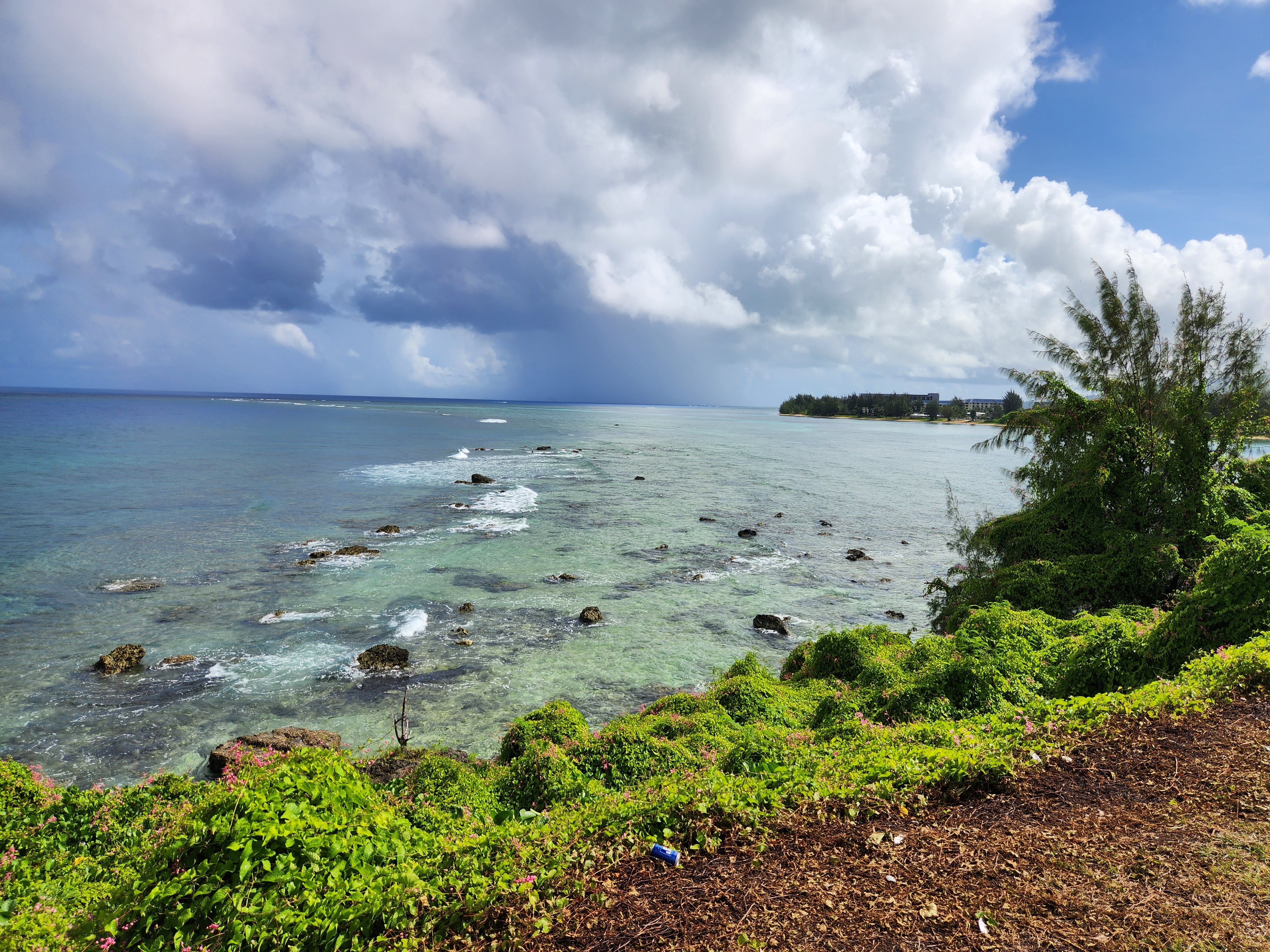
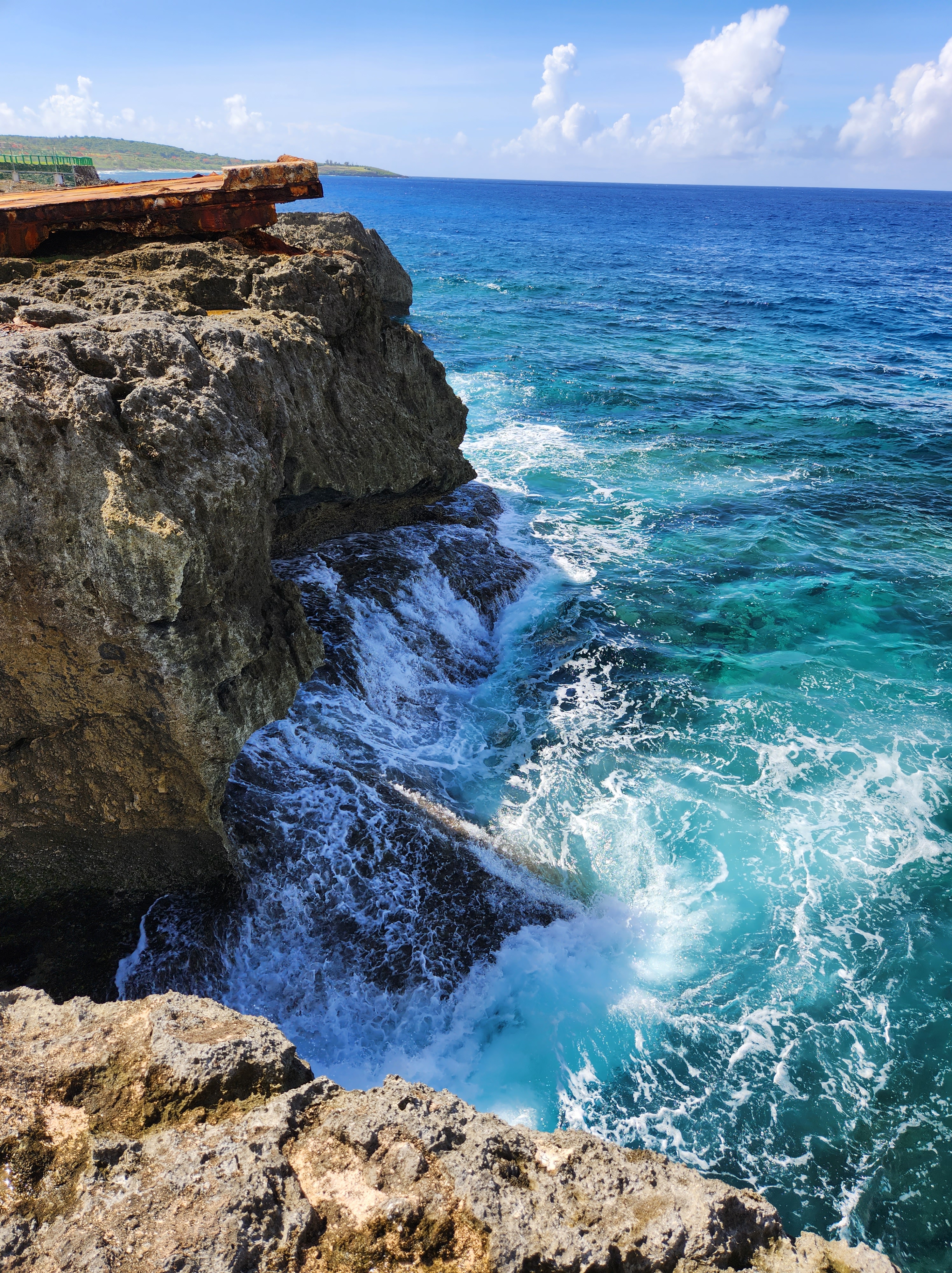
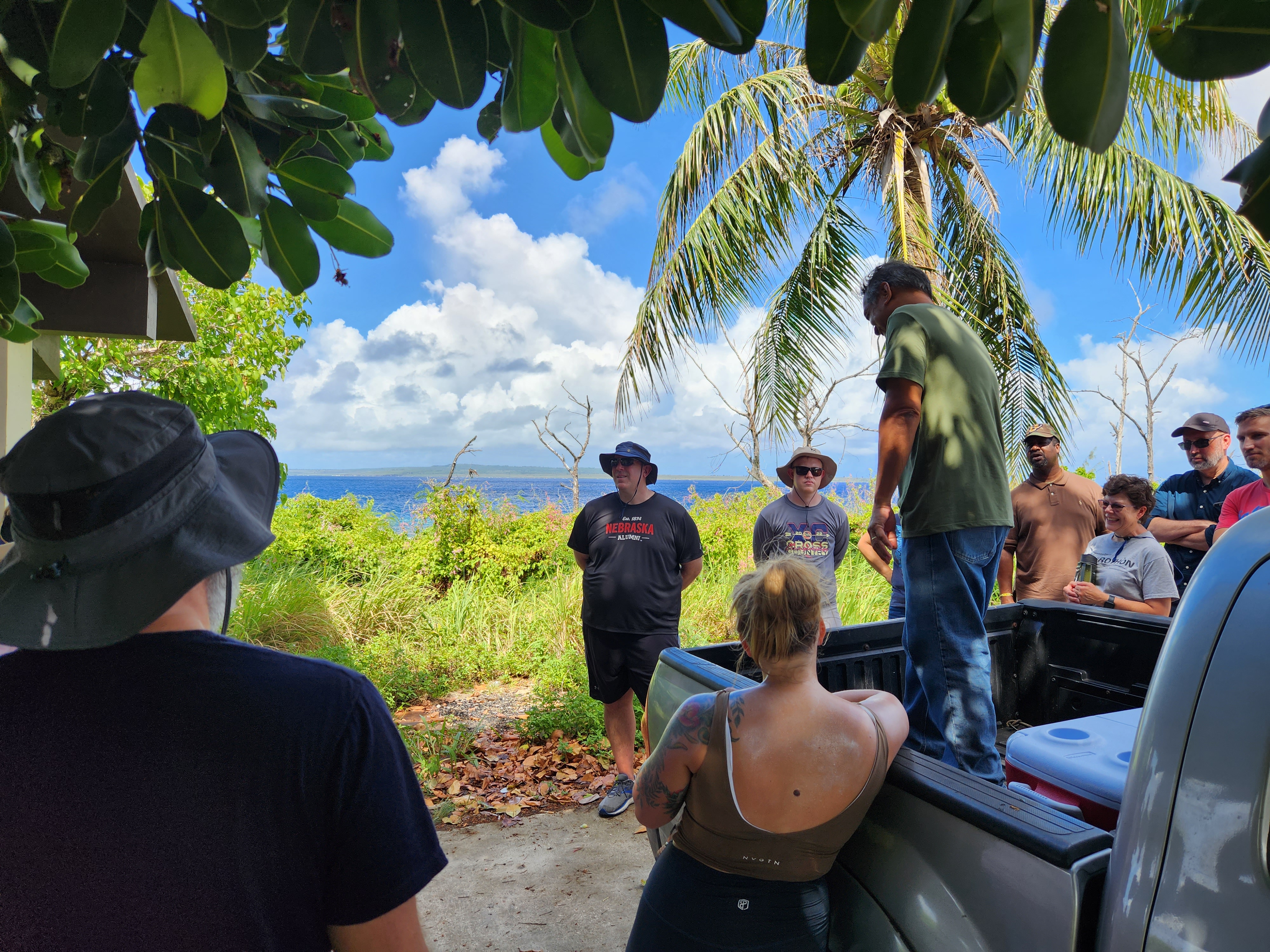
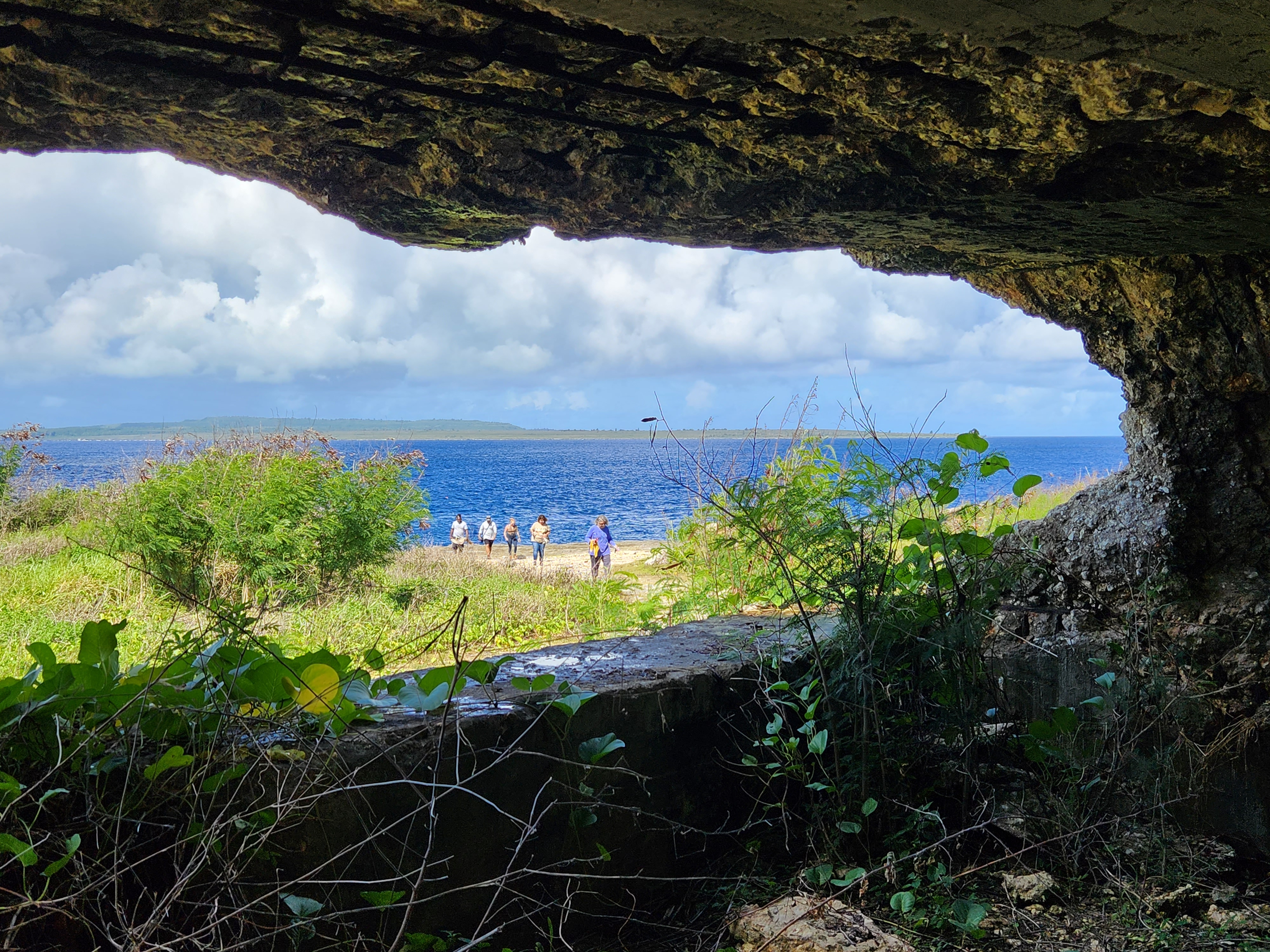
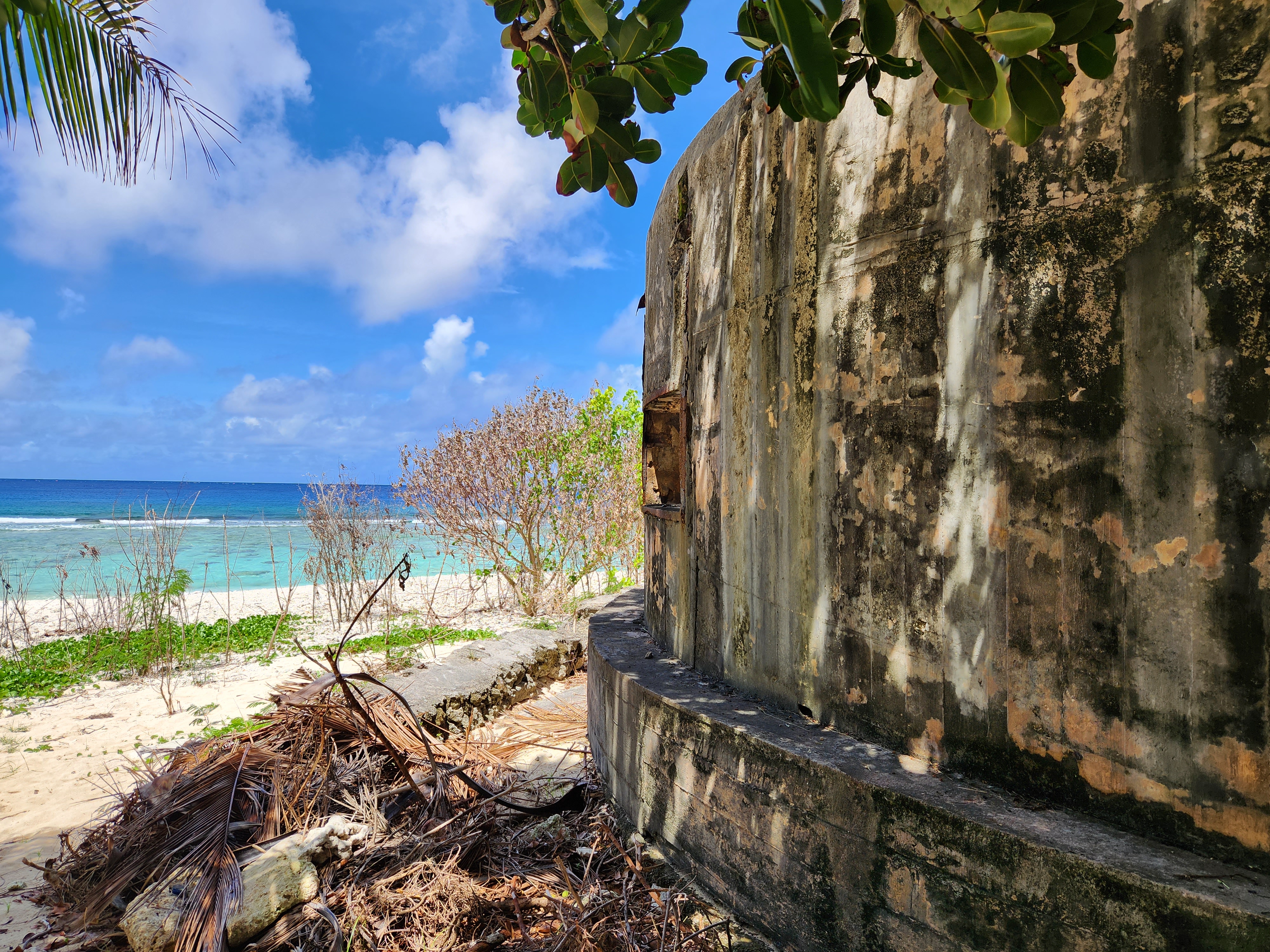
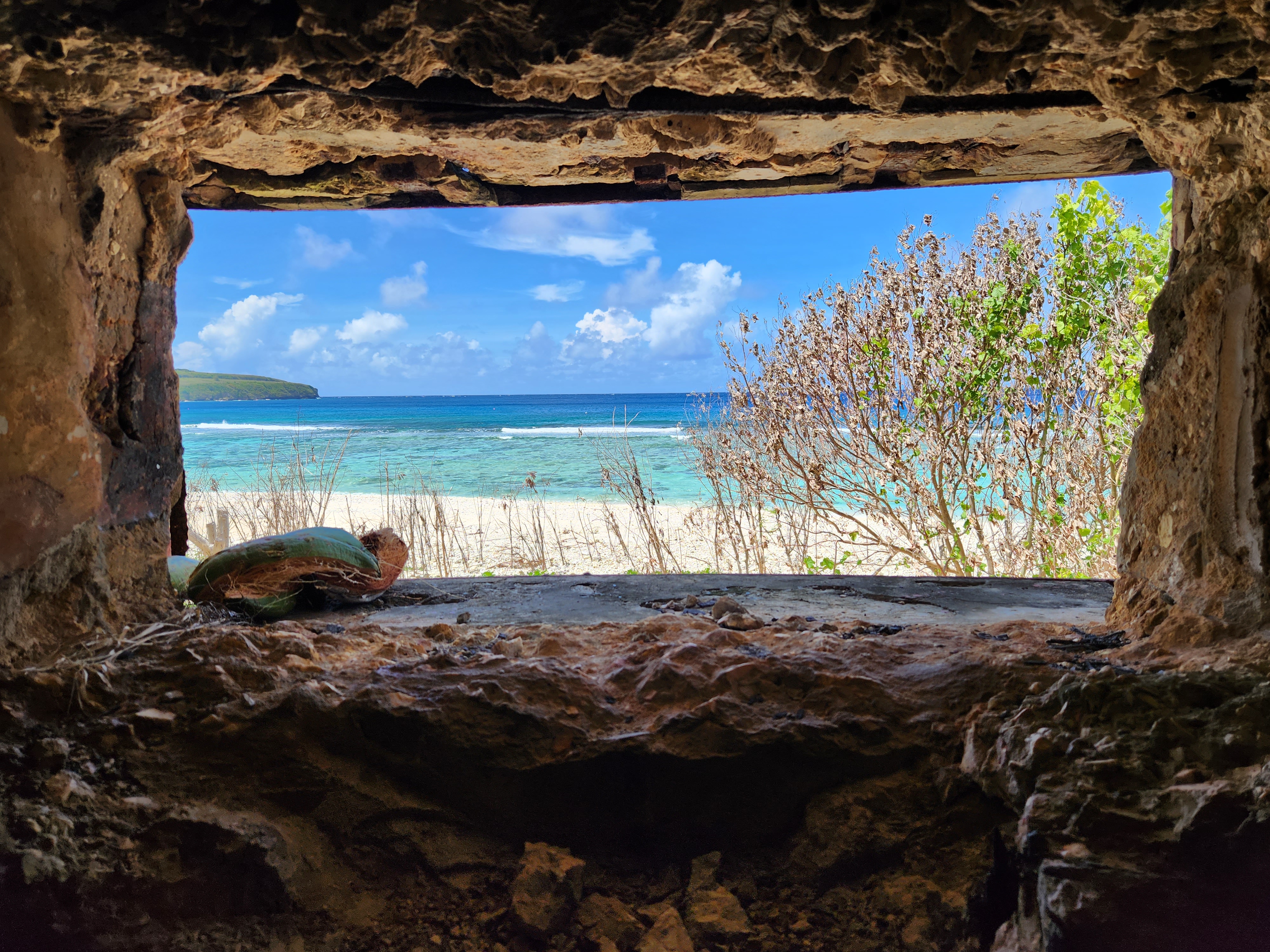
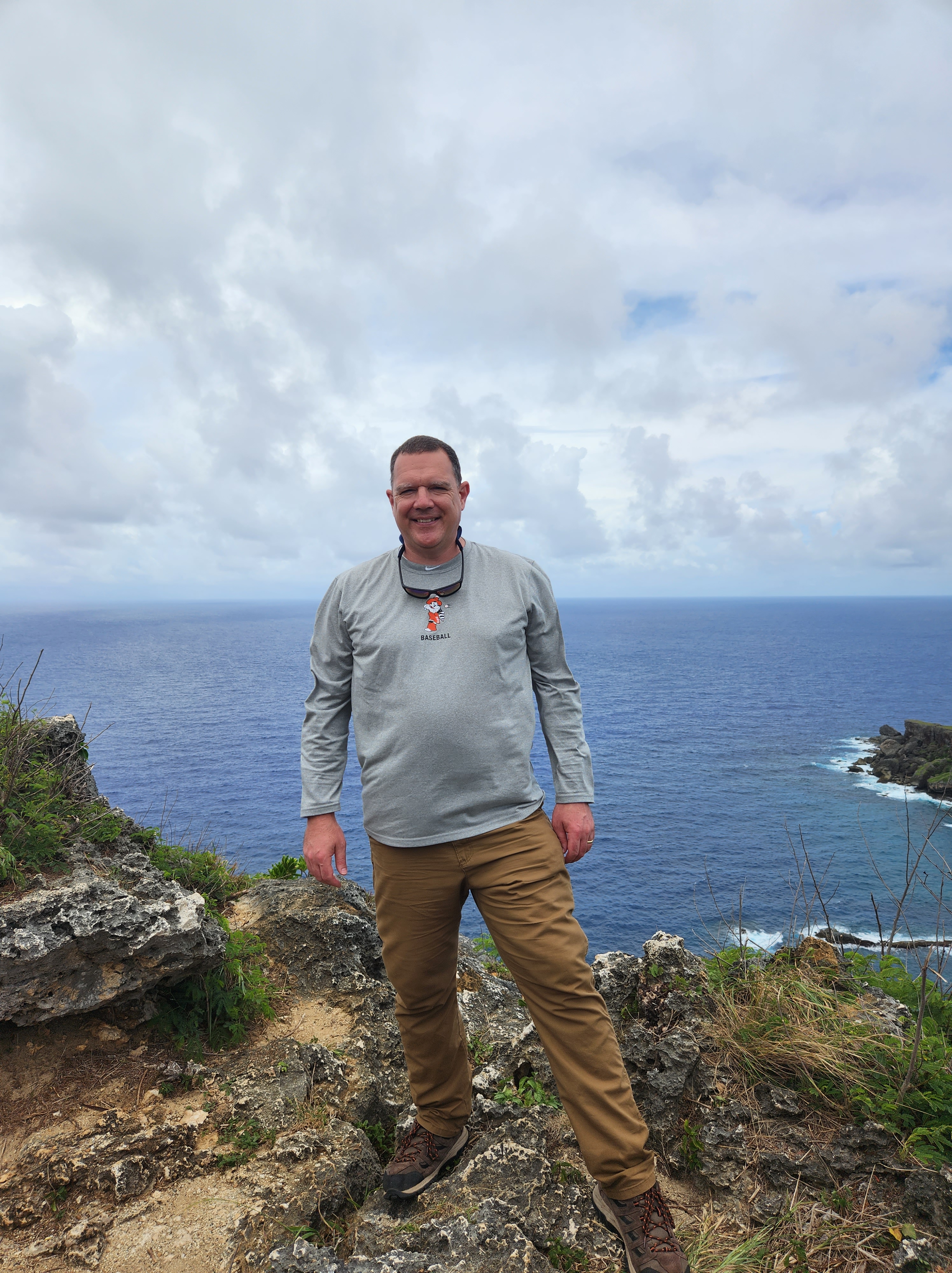
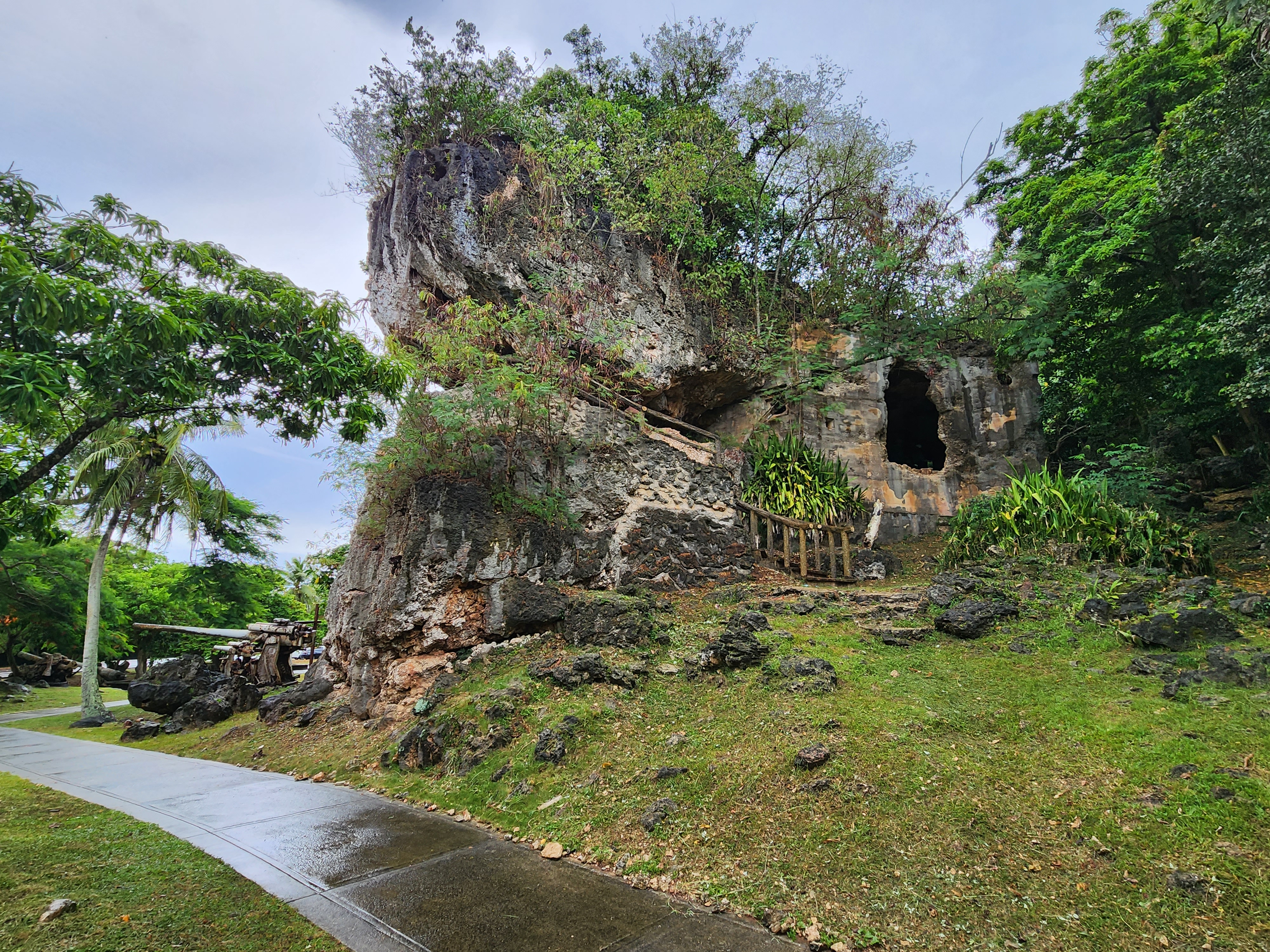
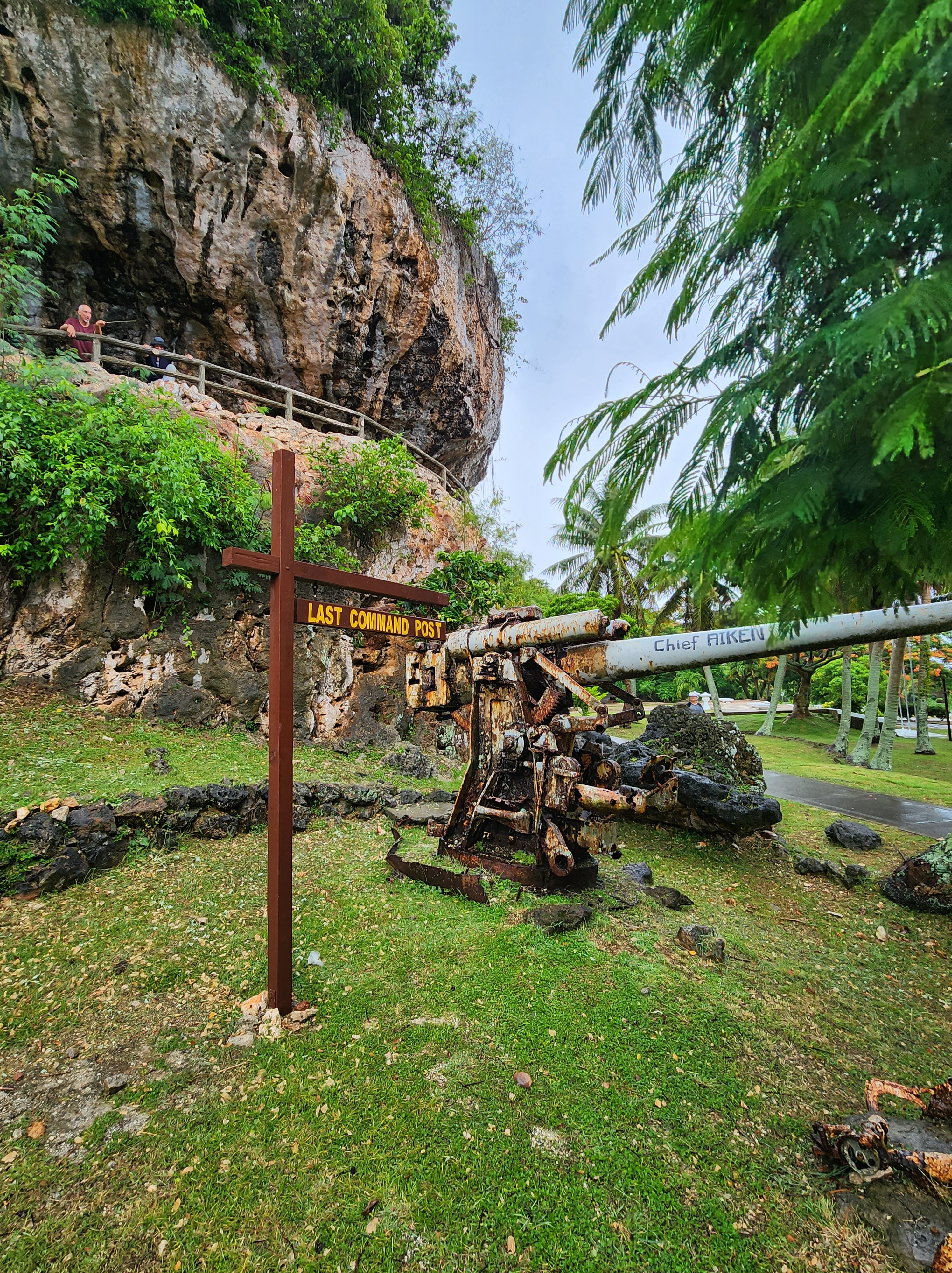
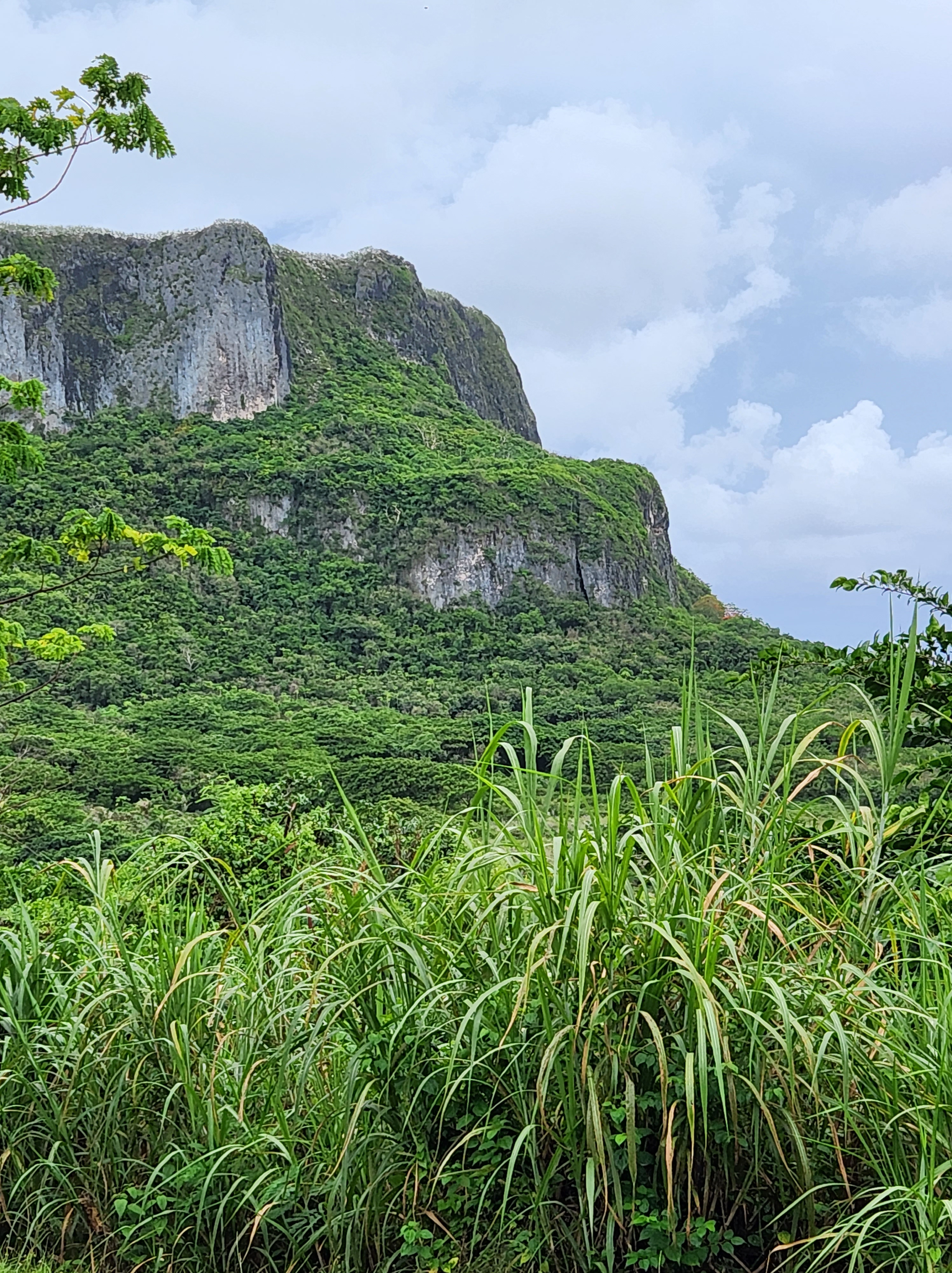
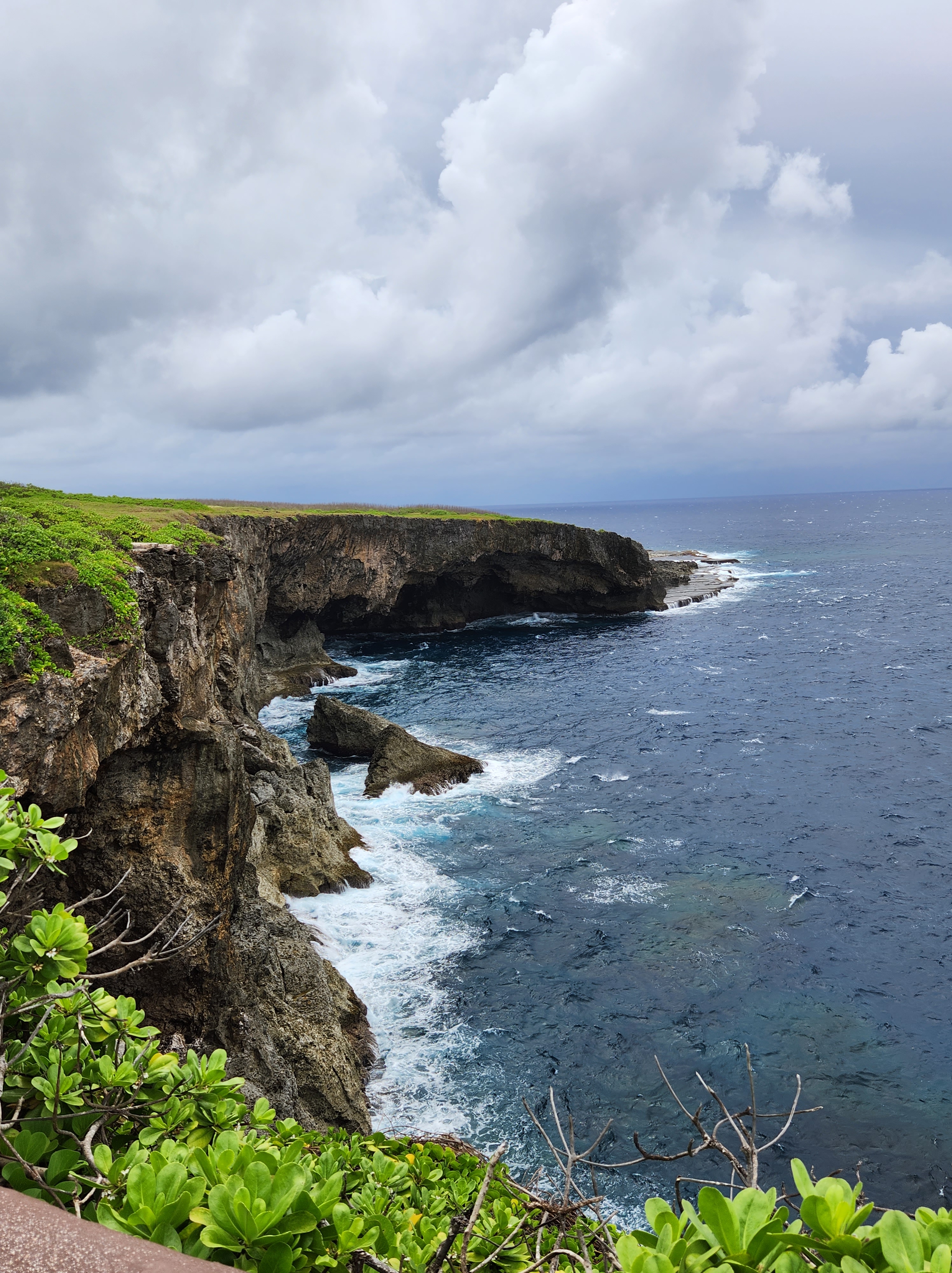
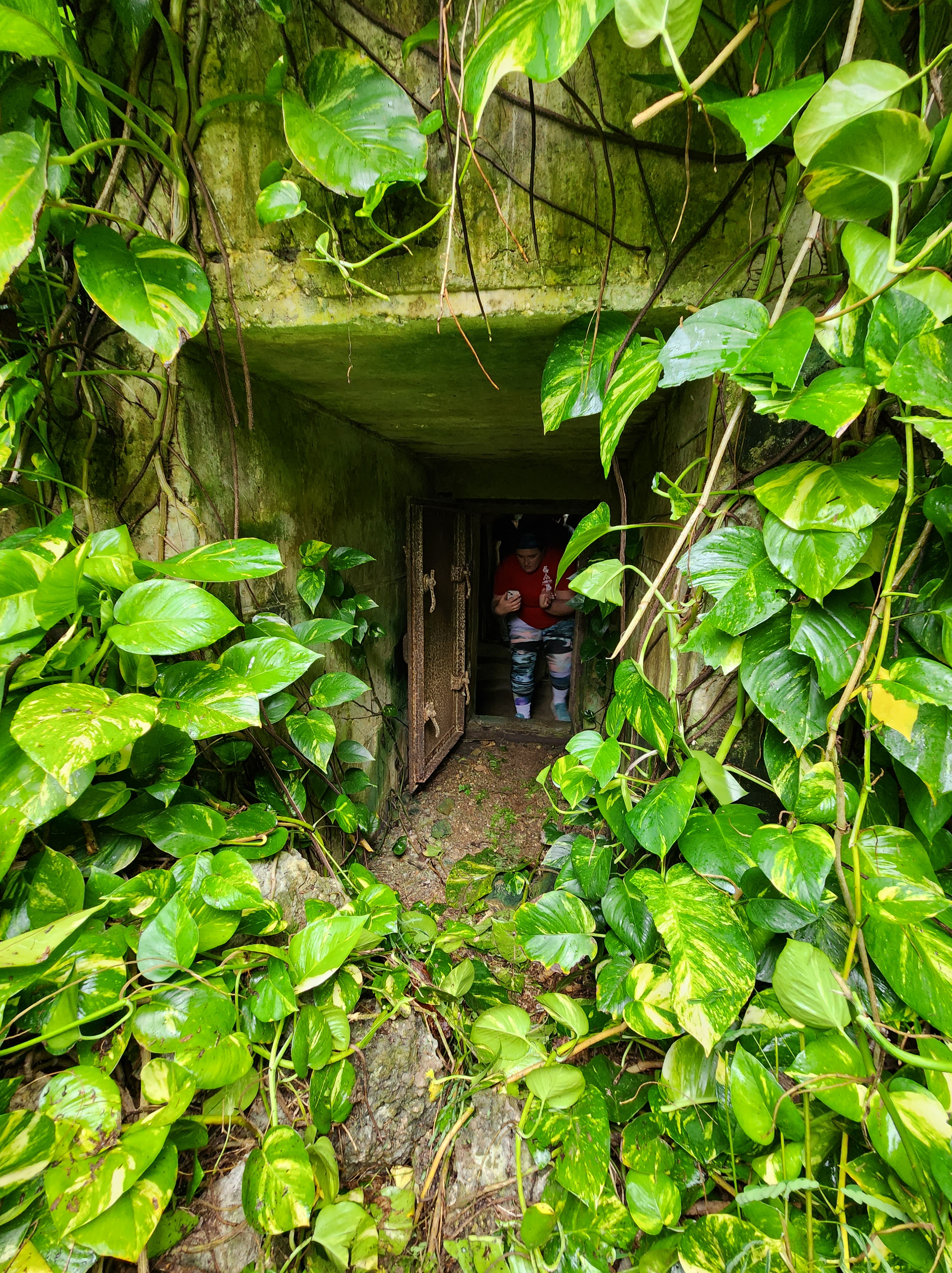
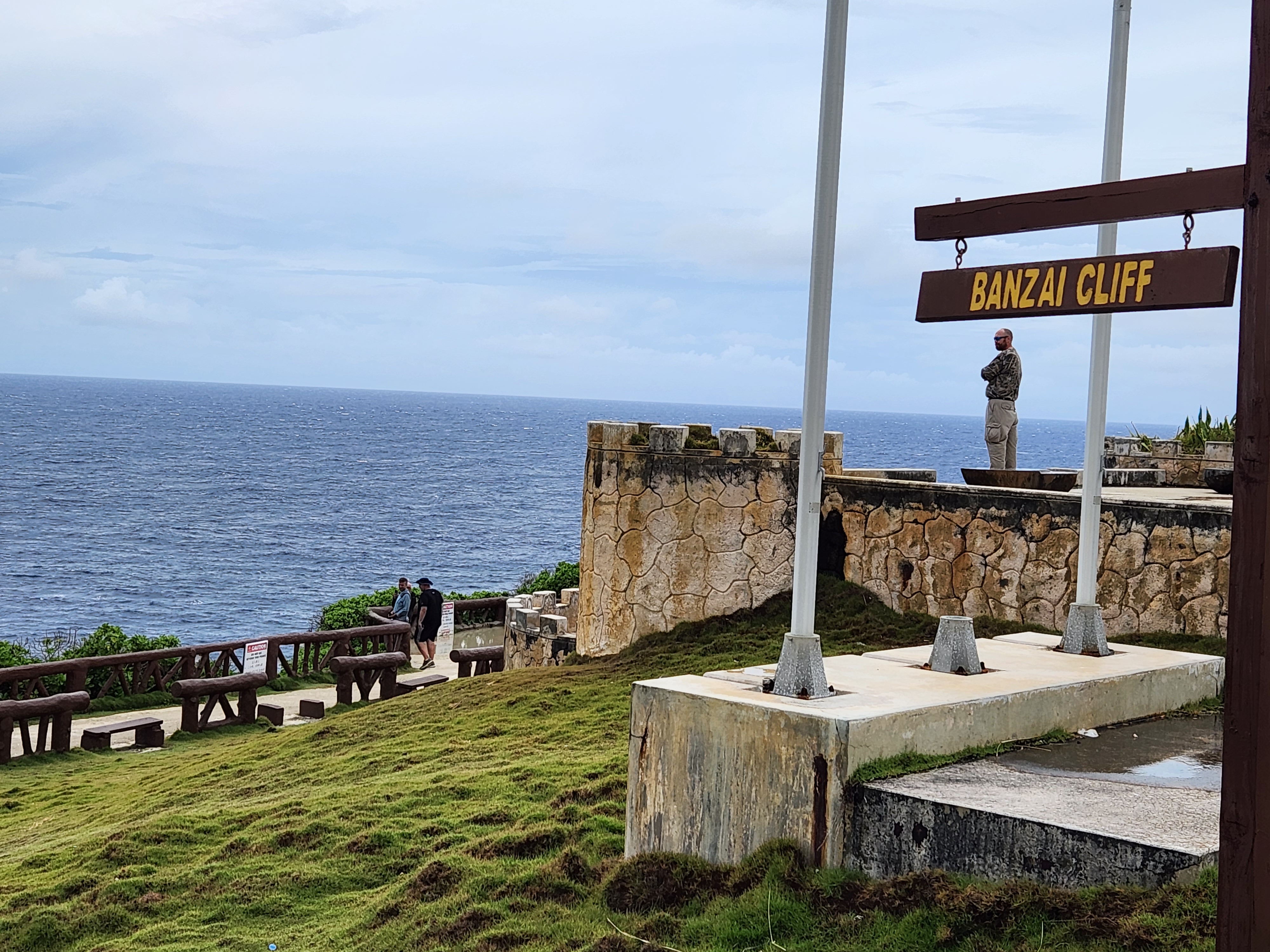
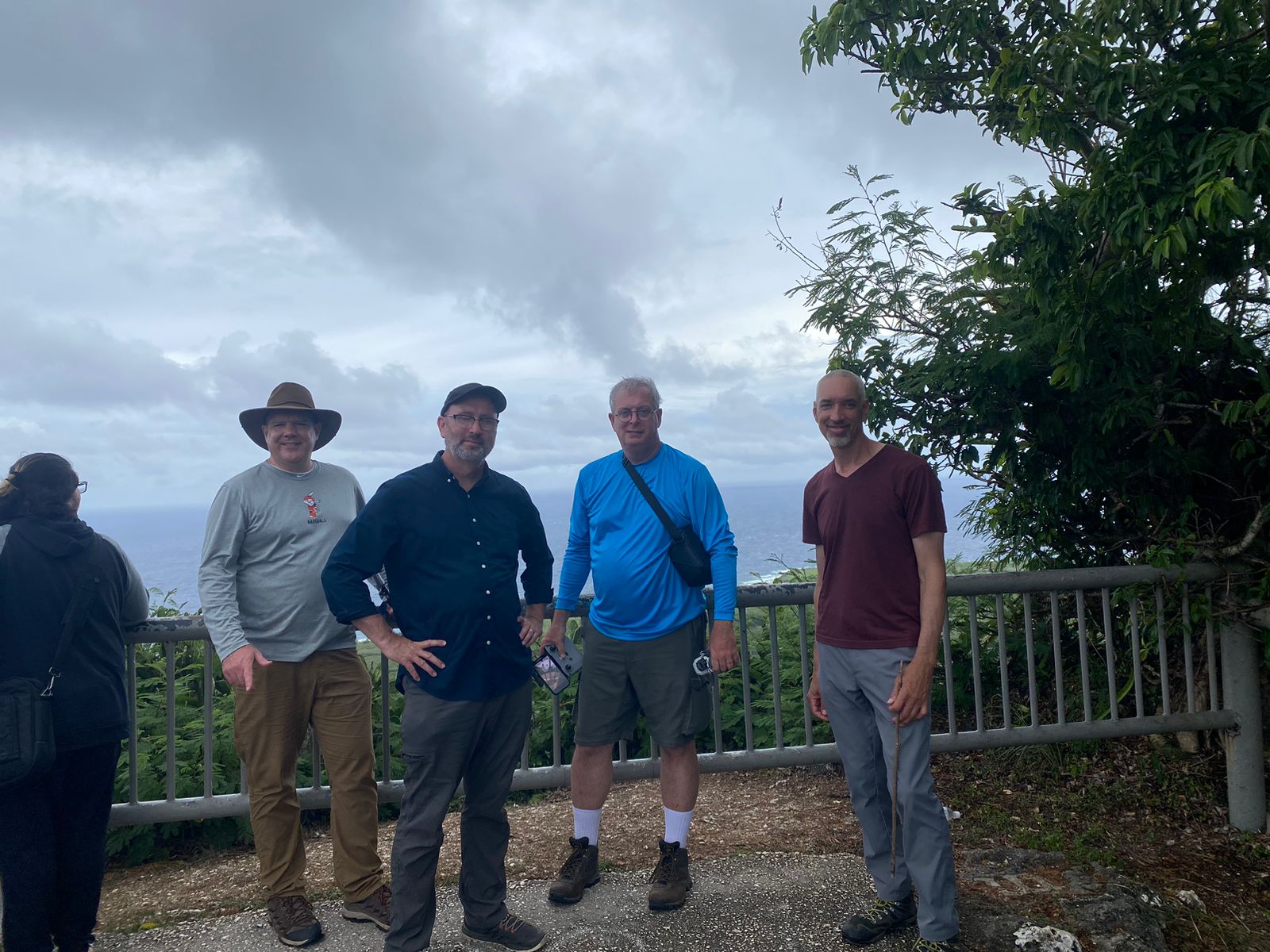
The afternoon saw visits to the Last Command Post where the Japanese made their last stand in an attempt to hold off the American forces. It is built into the side of a mountain and was the largest of the fortifications the team of teachers entered on the day. The most solemn sites of the day were the tragic locations known as Bonsai Cliff and Suicide Cliff. Both of these locations were the scene of unspeakable tragedy in the final days of Japanese occupation of the islands in 1944. As the American troops closed in, the Japanese soldiers rounded up hundreds of civilians and marched them off of the cliffs to their deaths. Many Japanese soldiers also plunged off of the cliffs rather than surrender. A number of shrines and memorials mark the locations today, but they serve as a powerful reminder of the horrors of war. Lastly, the group stopped at a recently discovered Japanese shelter that is completely hidden in plain sight. The entrance door is only about 30 feet from a highway, yet no one knew it was there until a new building was built recently nearby.
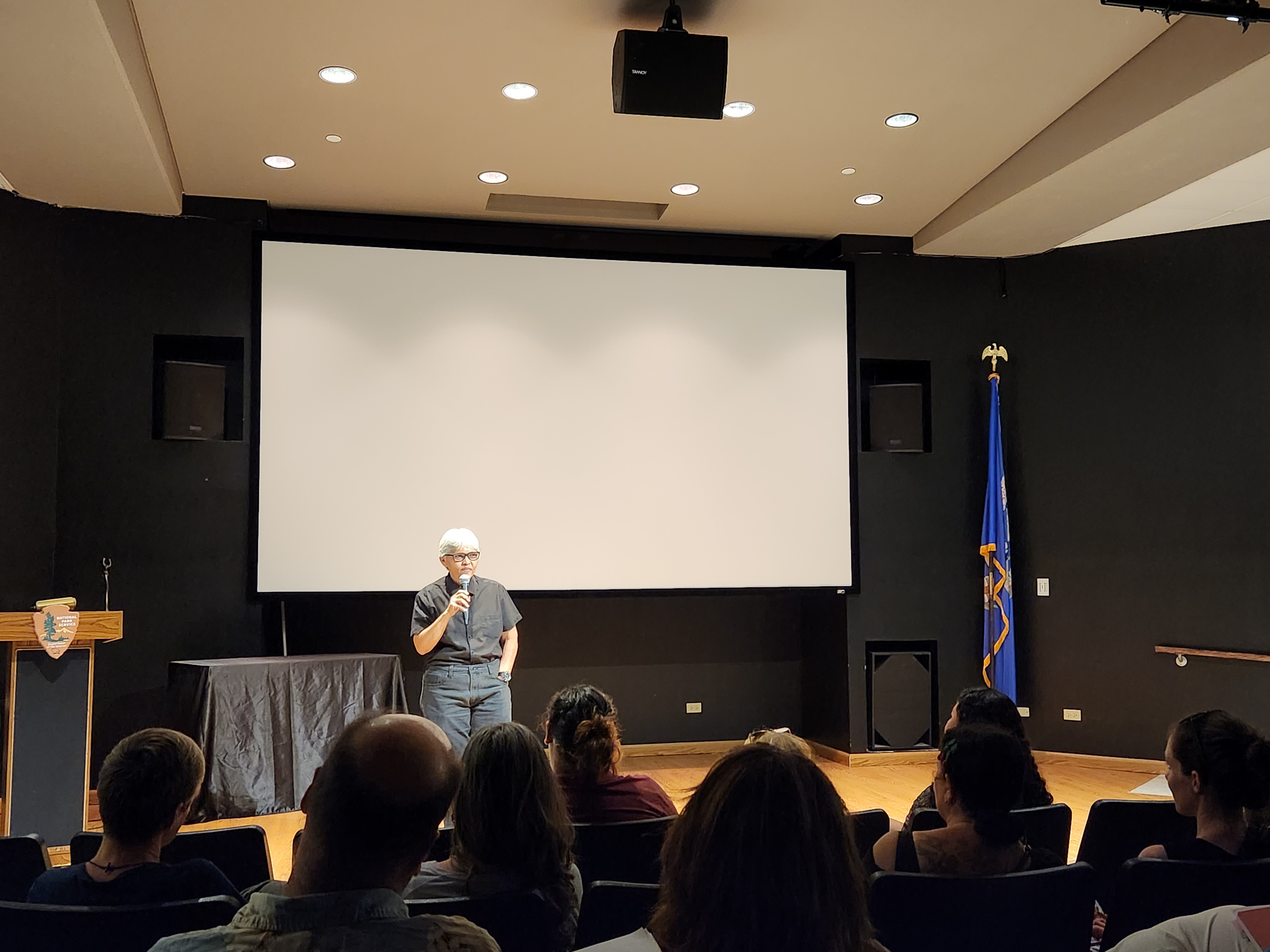
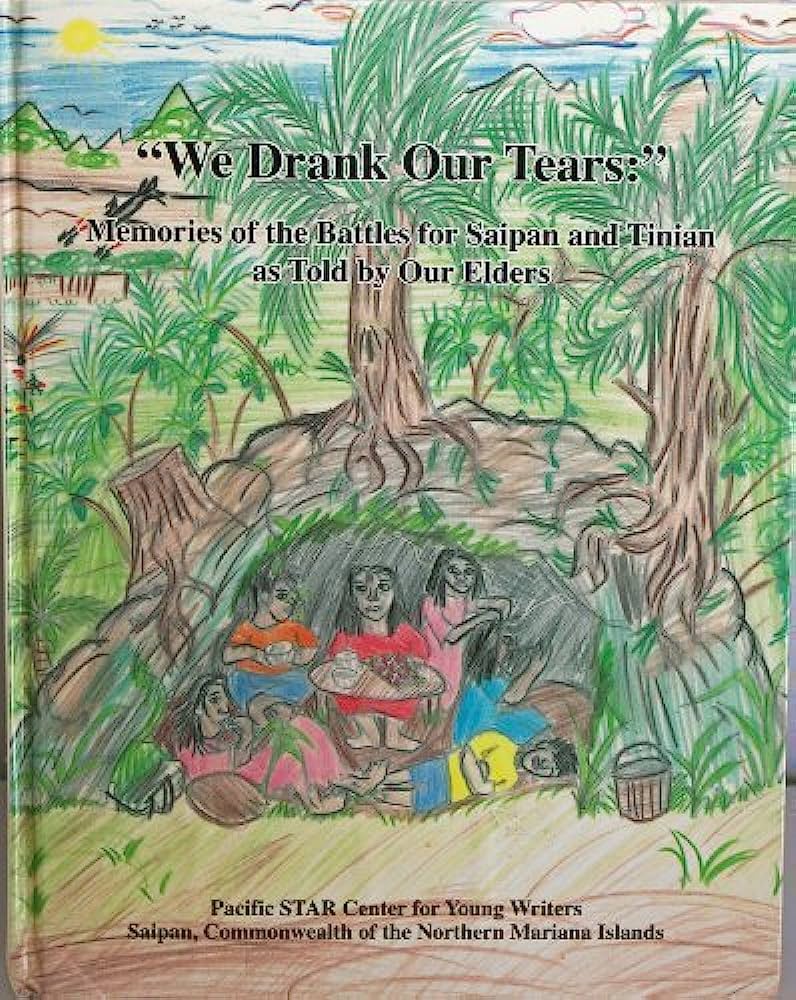
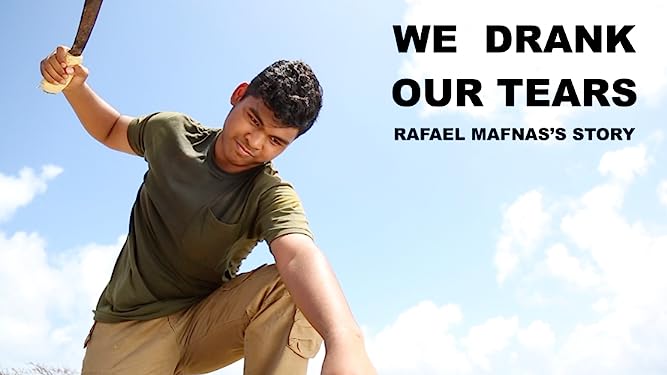
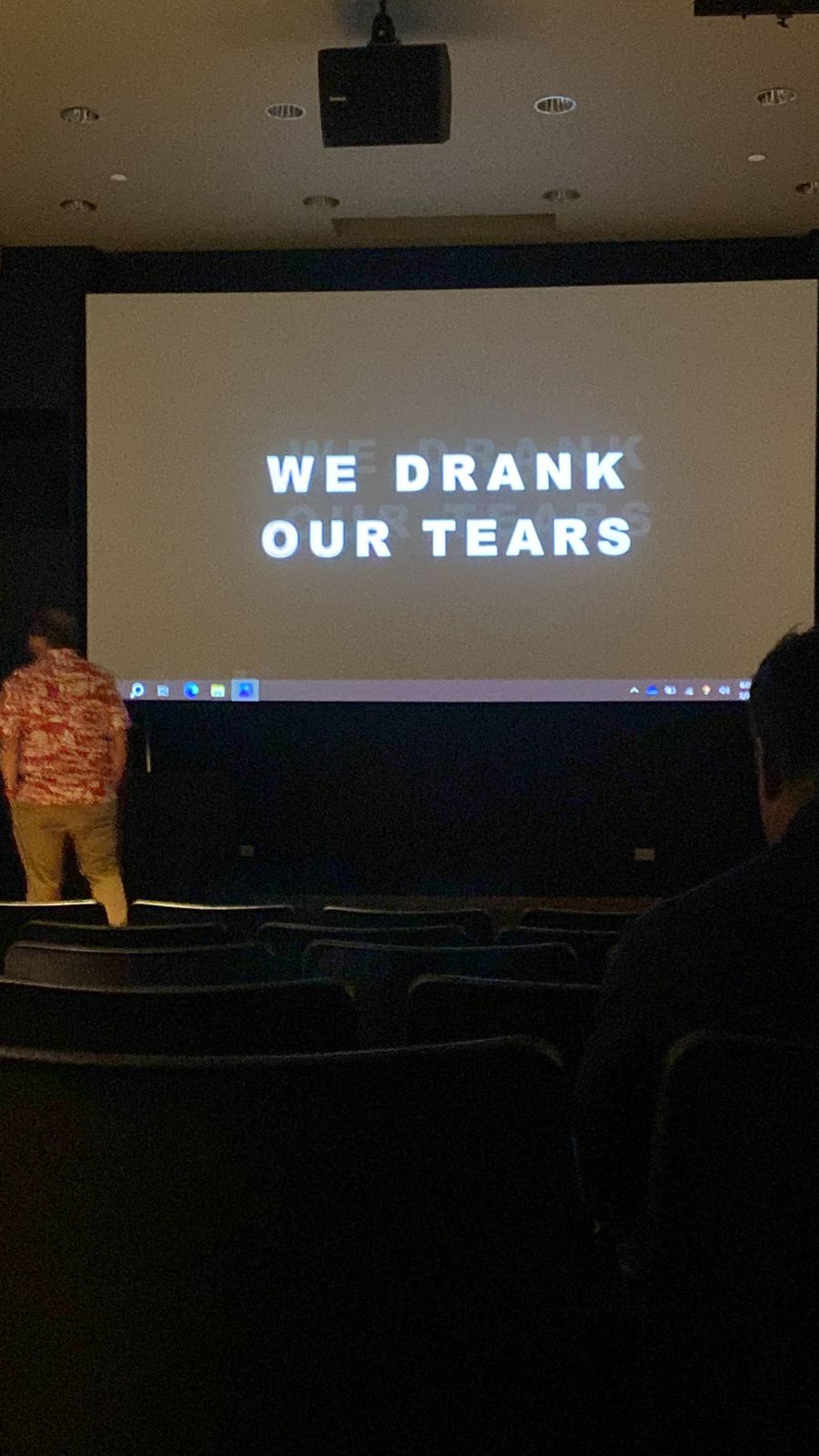
The evening program was a conversation and screening with a local teacher and filmmaker who brought to life several true stories from an oral history collection known as We Drank Our Tears. The short films each immortalize a specific story of the native people of Saipan during the war. Each story is moving in its own right, but the collection is so incredibly powerful as a whole.

 Bill and Jeff's Historical Travel Blog