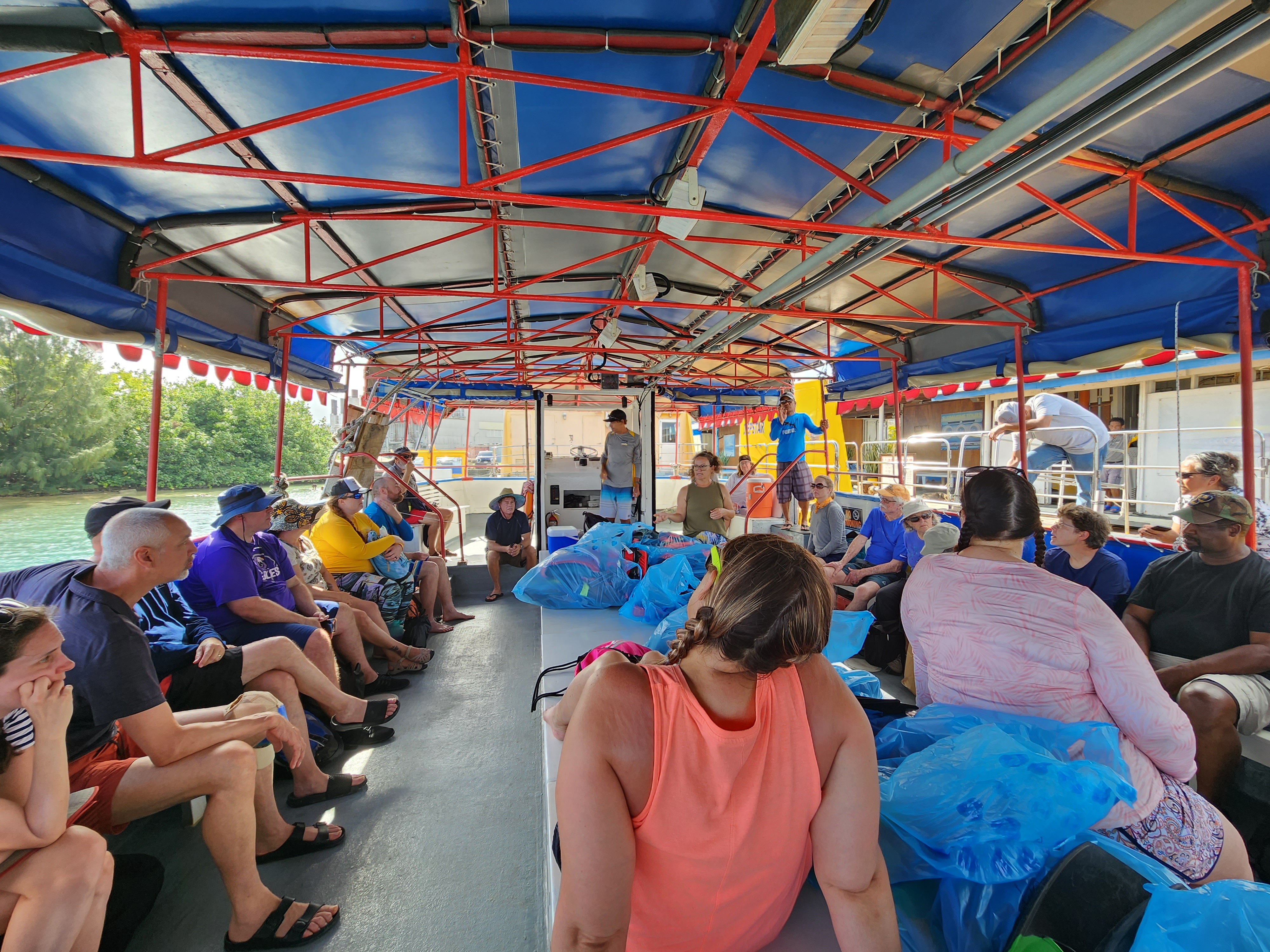
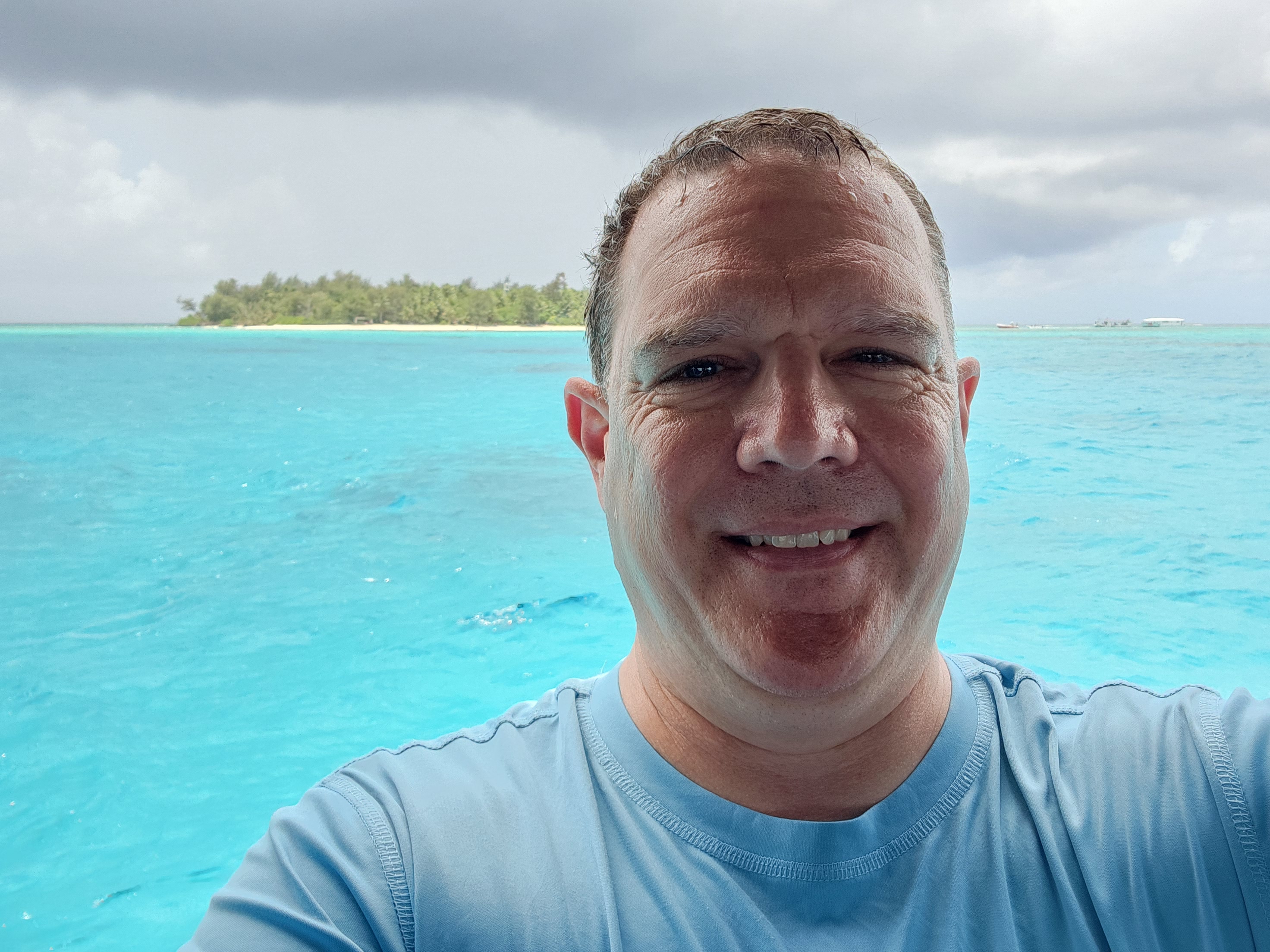
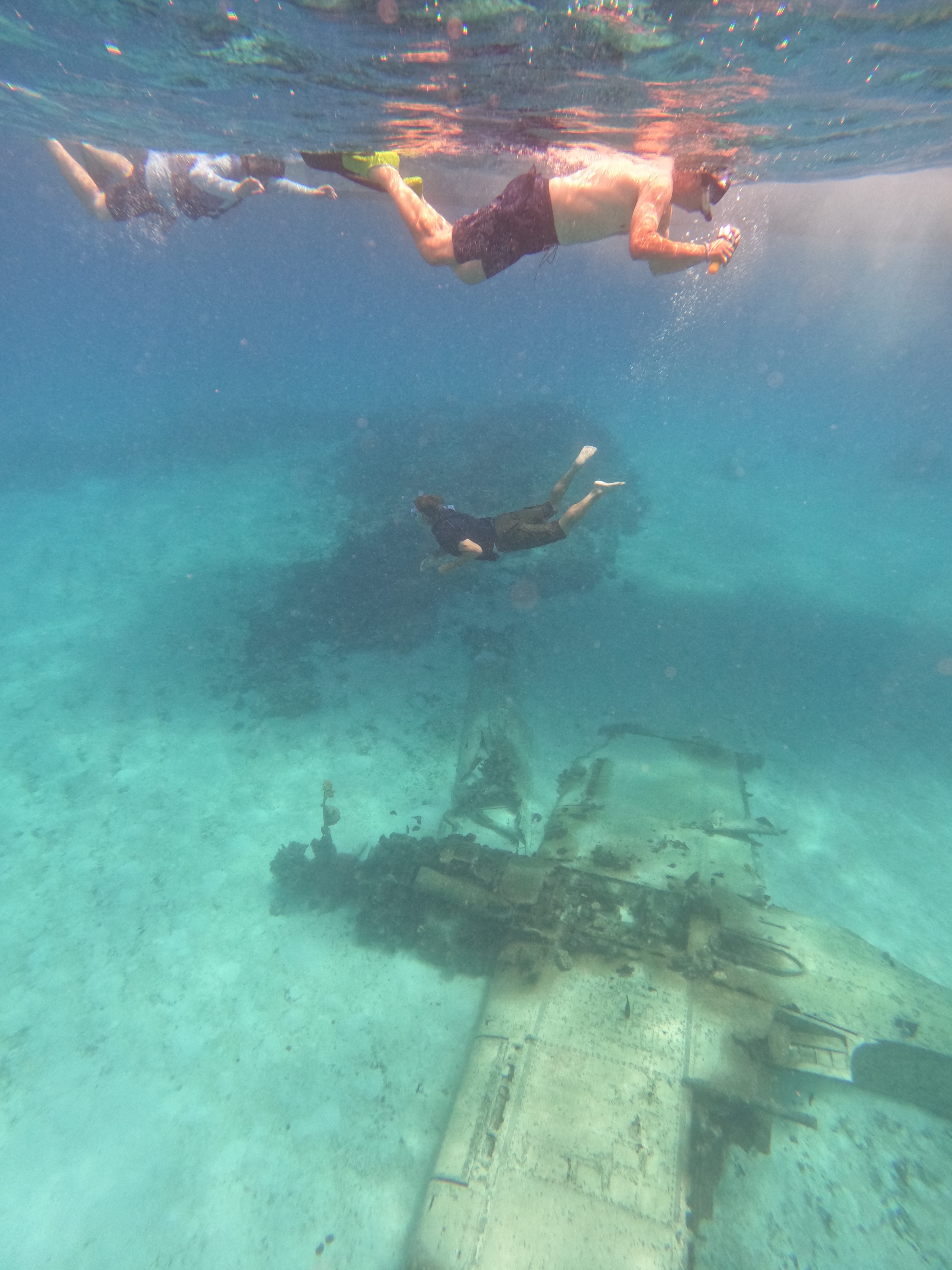
Today was the day that participants in the Saipan NEH had all been waiting for! It was time to go snorkeling in the beautiful blue lagoon off Saipan’s northwest coast over submerged military wreckage from both the U.S. and Japan. The 3-week Battle of Saipan from June 15, 1944-July 9, 1944 killed 3400 Americans, 15,000 civilians, and an estimated 27,000 Japanese troops. During the battle, numerous pieces of equipment, planes, ships, and amphibious vehicles were sunk off of the landing beaches by the jagged coral reef or by enemy fire. The 37 teachers boarded a boat in the morning and dove/snorkeled for 7 hours on 4 specific sites related to World War II in Saipan.
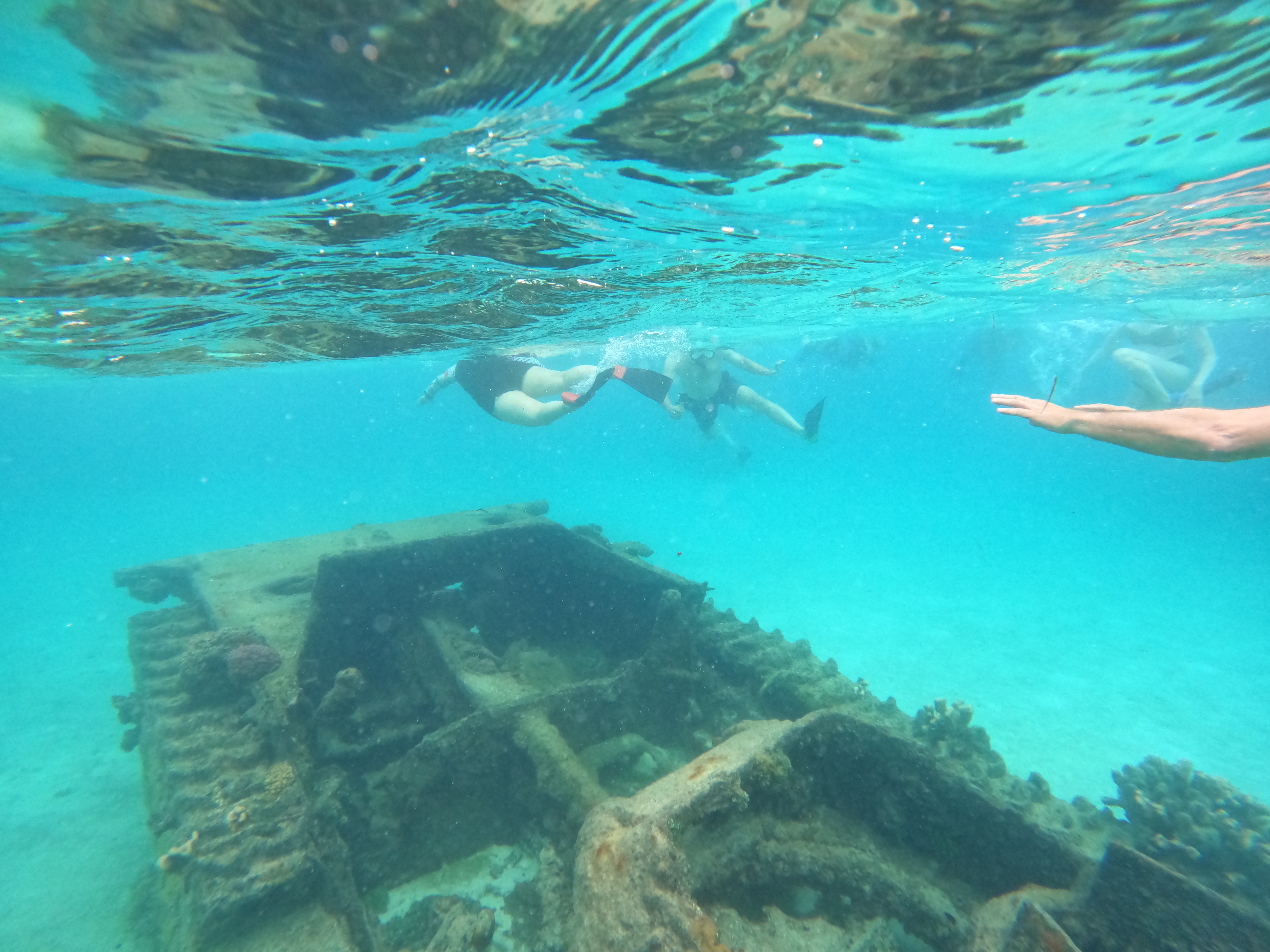
The sites varied greatly in size, level of preservation, and proximity to the surface. The first site was an American LVT (landing vehicle tracked) that was scuttled by US troops after the fighting for some reason. These were amphibious assault vehicles with tracks. This particular LVT had been prepared with additional armor in several places. It sits in about 8 feet of water and at low tide, is visible just at the surface. The water all around Saipan, but especially in the lagoon, is incredibly clear and is the most vibrant shades of blue, aqua, and turquoise and makes it very easy to see the wreckage well from the surface.
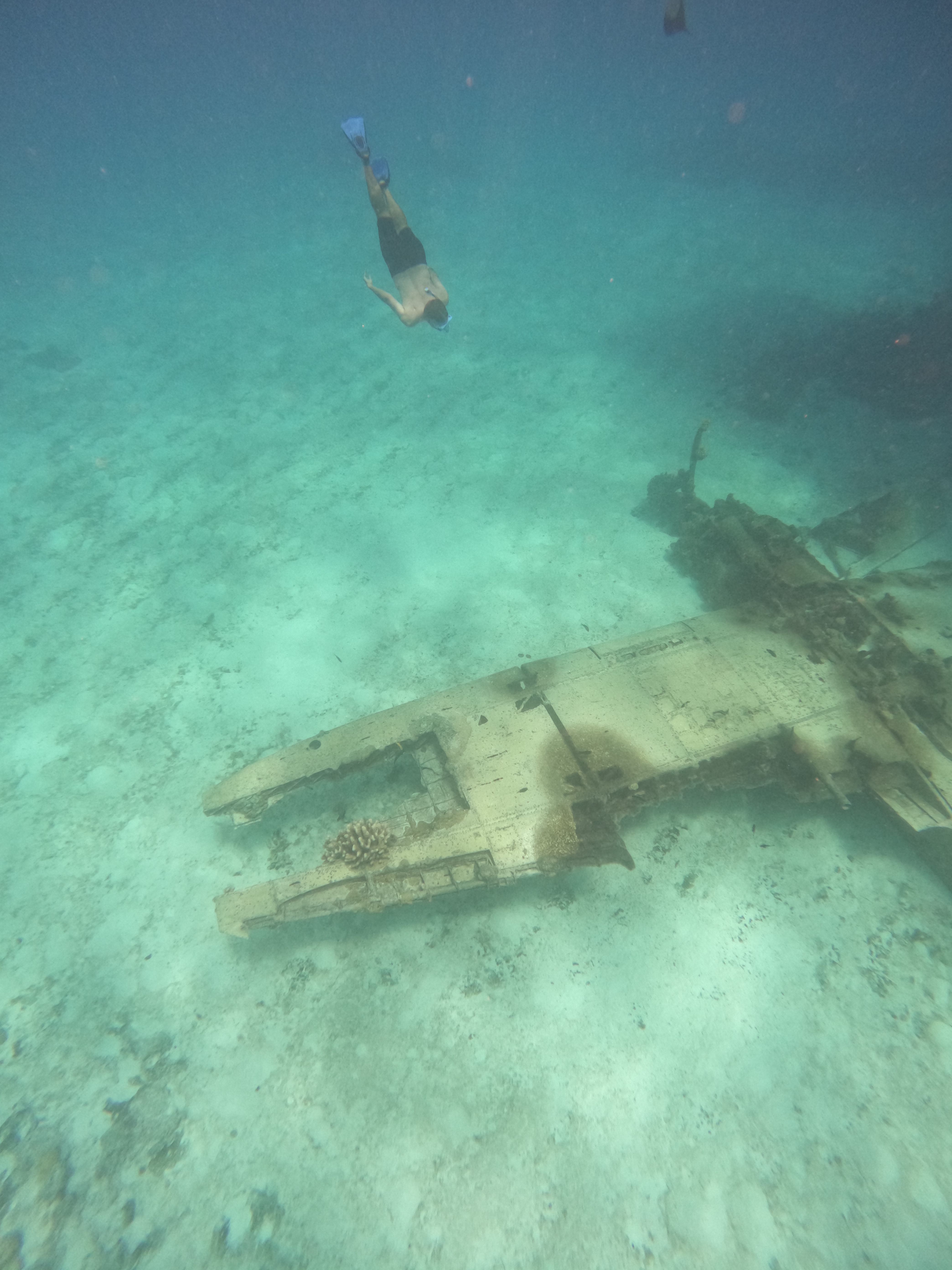
The second dive site was a Japanese aircraft laying upside down on the seafloor. It is an Aichi E13A plane known as a “Jake”. It is very common for airplane wreckage to be upside down after it sinks as nearly every plane flips when it hits the surface of the water and sinks. This wreck was in about 15 feet of water.
The third location was an American PBM Mariner patrol bomber plane that crashed not long after takeoff in 1944. It also lays upside down in about 30 feet of water. The distinctive gun turrets, 50 caliber ammunition, and ammo boxes, are easily visible around the wreck.
Lastly, the group was able to see the remains of an American Coronado aircraft that is known to have crashed on takeoff. This little-known wreck site still has the radio equipment and panel intact, the windshield glass remains in the cockpit frame, and an engine lays on a coral reef next to the body of the plane.
The abundance of easily accessible military wrecks makes the lagoon off of Saipan the best place in the world to dive for those interested in WWII maritime history. Though the team only got to visit 4 of the 12 sites on the Maritime Heritage Trail, it was a great day and a once-in-a-lifetime opportunity to see history up close in this way and to learn from one of the world’s foremost underwater archaeologists in the process!
For more information about the Maritime Heritage Trail around Saipan, look at information at the sites below:
blog.ecu.edu/sites/pmht/
WWII Underwater Heritage Trail

 Bill and Jeff's Historical Travel Blog